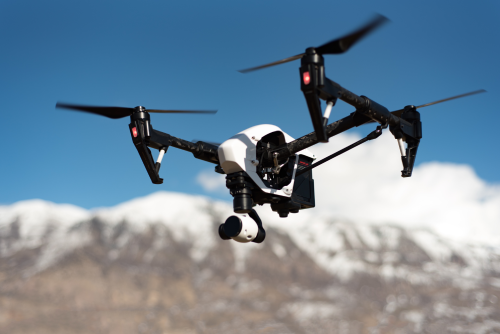
How drones are used in adventure tourism videos has changed a lot in the last few years. In India, creators, tour operators, resorts, and tourism teams now use drones not just for pretty aerial shots, but to show scale, movement, terrain, and the real feel of experiences like trekking, rafting, biking, camping, and paragliding. Used well, a drone can make an adventure video more informative, more exciting, and more trustworthy.
Quick Take
- Drones are mainly used in adventure tourism videos to show location, terrain, movement, and scale.
- They work best when combined with ground cameras, action cameras, and good editing.
- Common uses include opening location reveals, tracking action, showing routes, highlighting camps or base locations, and creating transitions between scenes.
- In India, drone filming often needs extra care because many adventure spots are near hills, forests, eco-sensitive areas, border regions, coastlines, or crowded public places.
- You should always verify the latest DGCA, Digital Sky, and local authority requirements before flying, especially for commercial shoots.
- The biggest mistakes are flying too close to people, copying risky FPV shots, ignoring wind and battery limits, and relying only on drone footage.
- The best adventure tourism videos use drones to support the story, not dominate it.
Why drones matter in adventure tourism videos
Adventure tourism is about experience. A normal camera can show a person walking on a trail or rafting through water, but it may not fully show the steep valley, the size of the river, or the remoteness of the location. A drone adds that missing context.
That is why drones are used so often in adventure tourism videos:
- They show the full landscape around the subject.
- They make motion look more dynamic.
- They help viewers understand the route and difficulty level.
- They make promotional videos look more premium.
- They can replace much more expensive aerial filming methods for small teams.
For a trekking company in Himachal Pradesh, a drone can show the ridge line, campsite location, and the path leading to a summit viewpoint.
For a rafting operator in Rishikesh, a drone can show the rapids, river curves, and team coordination from above.
For a biking or off-road travel creator in Ladakh, a drone can reveal the road, mountain scale, and isolation in a way that handheld footage cannot.
The key point is simple: drones are not only for beauty shots. In adventure tourism videos, they explain the adventure.
The main ways drones are used in adventure tourism videos
1. Opening location reveals
One of the most common uses is the opening shot.
This is the shot that tells the viewer where the story begins. It could be:
- a drone rising over a cliff to reveal a valley
- a slow forward shot toward a mountain camp
- a top-down shot of kayaks entering a river section
- a pull-back shot that reveals a hiker on a narrow trail
This kind of footage helps set the mood quickly. It also tells the viewer whether the experience is coastal, forest-based, high-altitude, desert, or river-focused.
For tourism businesses, these opening drone shots are especially valuable because they instantly communicate destination quality.
2. Tracking the action
Adventure tourism videos need movement. Drones are often used to follow action from a safe distance.
Typical examples include:
- following a cyclist on a mountain road
- tracking a jeep on a desert trail
- moving alongside rafters through calmer sections of a river
- following trekkers as they cross open meadows
- capturing a surfer or paddleboarder near shore
This tracking footage gives energy to the video. It also helps the viewer imagine being part of the experience.
There are two broad styles here:
- Cinematic follow shots: smoother, slower, more controlled
- FPV shots: faster and more immersive
FPV means first-person view. These drones are usually flown more aggressively for dynamic movement, but they also demand much higher skill and much stricter safety judgment. For most tourism videos, a regular stabilised camera drone is the safer and more practical choice.
3. Showing the route and terrain
A major strength of drones in adventure tourism videos is route explanation.
This matters because many viewers are not just looking for excitement. They also want to know:
- What does the trail look like?
- How exposed is the route?
- Is the river wide or narrow?
- How remote is the camp?
- Is the terrain rocky, forested, snowy, or sandy?
A drone can show trail shape, elevation changes, road conditions, river sections, and campsite access in seconds.
For example:
- A trek video can show how far the summit ridge is from camp.
- A mountain biking video can show switchbacks and slope angle.
- A beach adventure clip can show launch points for kayaking or parasailing.
- A desert ride video can show dune lines and track spacing.
This is especially useful for Indian audiences who are comparing destinations and trying to understand whether an activity suits beginners, families, or serious adventure seekers.
4. Showing scale and difficulty
Adventure often feels bigger from the air.
When a person is shown as a small figure against a large mountain face, canyon, river bend, or coastline, the viewer instantly understands the scale of the experience.
This is one of the strongest storytelling uses of drone footage.
It helps answer emotional questions like:
- How big is this place?
- How tough does this activity look?
- How far from civilisation is this location?
- How dramatic is the landscape?
Used carefully, these shots make the adventure feel aspirational without becoming fake or exaggerated.
5. Capturing camps, base stations, and support setups
Adventure tourism is not only about the action itself. It also includes logistics, comfort, and organisation.
Drone videos often show:
- base camps
- glamping or eco-stay setups
- tent clusters
- parked support vehicles
- briefing points
- riverside lunch stops
- start and finish areas
For operators, this matters a lot.
Potential customers often want to see whether the setup looks professional and safe. A drone can show group size, spacing, terrain around the camp, and how well the operation is managed.
This is useful for:
- trekking operators
- camping businesses
- rafting companies
- motorcycle tour organisers
- off-road expedition groups
- resort-based adventure activities
6. Highlighting transitions between stages of the journey
Adventure tourism videos usually cover multiple moments:
- arrival
- briefing
- gearing up
- the main activity
- rest stops
- scenic points
- return
Drone shots help link these stages.
For example, a video may start with a drone reveal of a campsite, cut to close-up packing shots on the ground, move into a drone follow shot of the group leaving camp, then switch to action camera footage during the toughest segment.
These transitions make the edit feel bigger and more polished.
7. Making social media edits more engaging
Many tourism videos today are made first for short-form platforms, not only for YouTube or websites.
In that format, drones are often used for:
- fast opening hooks
- dramatic location reveals in the first few seconds
- vertical reframing for reels
- quick before-and-after style transitions
- short scenic cuts between action moments
A good drone clip can stop scrolling, especially when the location itself is a selling point.
But there is a catch: short-form platforms reward pace, so creators sometimes overuse fast drone moves. That can make the video feel repetitive or even unsafe. The best short edits still mix drone footage with close human moments.
8. Supporting destination marketing
State tourism boards, local operators, eco-stays, and private adventure brands use drone footage to market destinations.
In this context, the drone is not only filming an activity. It is helping sell the complete experience:
- the landscape
- the accessibility
- the accommodation
- the surrounding atmosphere
- the group vibe
- sunrise and sunset mood
- nearby attractions
This is why drones appear in videos promoting places such as hill treks, river camps, coastal experiences, desert drives, and mountain passes.
For Indian businesses, drone footage can help smaller destinations compete with more established tourist spots by presenting the place in a clear, professional way.
Where drone footage works best in adventure tourism
| Adventure activity | Best drone use | What it helps show | Main caution |
|---|---|---|---|
| Trekking and hiking | Reveal shots, route views, summit pulls | Trail shape, altitude feel, remoteness | Wind, cliffs, high-altitude battery drop |
| River rafting | Wide top shots, downstream tracking from safe zones | Rapids, group movement, river scale | Water risk, crowding, local restrictions |
| Mountain biking | Side tracking, high follow shots | Speed, terrain, turns, slope | Trees, wires, sudden rider movement |
| Camping and expeditions | Orbit shots, pull-backs, sunrise camp views | Base setup, landscape context | Low light, privacy of guests |
| Desert rides and overlanding | Long follow shots, top-down convoy clips | Route lines, spacing, dune scale | Dust, heat, signal interruptions |
| Paragliding or aerial sports | Wide environmental shots only when legal and safe | Launch zones, landscape, altitude drama | Very high skill and strict safety judgment required |
| Beach and water sports | Coastal reveals, shoreline tracking | Water colour, crowd spread, launch area | Wind, salt exposure, public privacy |
Camera drone vs FPV in adventure tourism videos
Regular camera drones
These are the most common choice for adventure tourism work.
They are better for:
- smooth cinematic footage
- location reveals
- slower tracking shots
- stable tourism promos
- beginner to intermediate creators
Their built-in gimbal, which is the stabilised camera mount under the drone, helps produce cleaner footage with less shake.
FPV drones
FPV drones are used for more aggressive, immersive flying.
They are better for:
- fast dives and passes
- action-heavy edits
- close route fly-throughs
- sporty sequences with high energy
But FPV also comes with serious trade-offs:
- harder to fly safely
- easier to make viewers dizzy with overdone moves
- more risky around people and obstacles
- not suitable for many beginner tourism shoots
For most Indian creators and small tourism businesses, a normal camera drone is the smarter first tool. FPV should be added only when the pilot has real skill, proper safety discipline, and a shoot plan that justifies it.
A practical workflow for filming an adventure tourism video with a drone
If you want the drone footage to actually improve the final video, follow a simple workflow.
1. Decide the story first
Do not start by asking, “What drone shots can I get?”
Start by asking:
- What is the adventure?
- Who is it for?
- What should the viewer feel?
- What information should they understand?
A beginner trek promo needs different footage from a hard-core mountain biking film.
2. Identify the key scenes
List the moments where a drone adds real value:
- Arrival at location
- Group briefing or setup
- Start of the route
- Most scenic or technical section
- Camp or rest stop
- Final destination or return shot
This prevents random flying.
3. Recce the site
A recce means a location visit before the shoot.
Use it to check:
- takeoff and landing space
- wind patterns
- trees, cables, poles, and cliffs
- moving crowd areas
- water hazards
- signal consistency
- safe subject distance
In many Indian tourist spots, the biggest practical issue is not camera quality. It is finding a safe, legal place to operate.
4. Shoot wide, medium, and action support
A strong edit usually needs:
- Wide drone shots for scale
- Medium drone shots for movement
- Ground shots for people, emotion, gear, and detail
- Action camera footage for point-of-view moments
If you only shoot wide aerial footage, the video may look pretty but feel emotionally empty.
5. Keep flights short and intentional
Instead of long random flights, plan specific clips:
- one reveal
- one pull-back
- one side follow
- one overhead shot
- one ending shot
This saves battery and reduces risk.
6. Match the drone movement to the activity
Not every adventure should be filmed the same way.
- Trekking works well with slow, graceful movement.
- Mountain biking can handle more speed.
- Camping videos often suit calm orbit shots.
- Water sports need extra safety margin and clearer planning.
7. Record separate audio
Drone audio is usually not usable because of propeller noise.
If your final video needs natural sound, interviews, or guide instructions, record those separately on the ground.
8. Edit for clarity, not just drama
When cutting the video:
- use drone shots to open scenes
- switch to ground footage for emotion
- use action clips for intensity
- return to drone shots to show location progression
That structure feels more complete than using only aerial clips.
India-specific challenges creators should plan for
Adventure tourism in India offers stunning visuals, but it also creates real operational challenges.
Weather changes fast
Mountain and coastal areas can change quickly.
Watch for:
- sudden wind gusts
- fog or low cloud
- rain
- dust
- glare from snow or water
- reduced battery performance in cold conditions
A drone that feels stable in a parking area may behave very differently near a ridge or river valley.
High-altitude locations need extra caution
Places in Ladakh, Spiti, Uttarakhand, Sikkim, or higher parts of Himachal can be visually amazing, but the environment is less forgiving.
You may face:
- faster battery drain
- stronger wind
- fewer emergency landing options
- difficult access if something goes wrong
Tourist crowds make filming harder
Many adventure spots are no longer empty.
Weekend rush in popular places can mean:
- crowded takeoff zones
- people walking into landing areas
- privacy complaints
- unpredictable movement near roads or riverbanks
A great drone shot is not worth unsafe operation around a crowd.
Forest and wildlife sensitivity matters
Some adventure destinations are close to forests, bird zones, or wildlife areas. Even if a location looks open, disturbing wildlife with a drone can be harmful and may not be allowed.
Avoid flying near:
- nesting birds
- wild animal movement areas
- protected habitats
- sanctuary and park zones unless properly permitted
Safety, legal, and compliance checks in India
This is the part many beginners skip, and it matters.
Drone filming for adventure tourism videos in India can involve aviation rules, local restrictions, environmental sensitivity, and commercial permissions. Rules and platform processes can change, so verify the latest official requirements before every important shoot.
What to verify before you fly
Check these points in advance:
- the current DGCA and Digital Sky requirements
- the airspace status of the location
- whether your drone category and intended use have any special conditions
- whether local administration, police, tourism department, forest department, or site management permission is needed
- whether the area is close to an airport, helipad, military zone, border area, dam, port, or other restricted infrastructure
- whether the shoot is commercial and needs additional documentation or client approvals
Practical safety rules that matter on the ground
Even if a flight is technically possible, ask whether it is sensible.
Do not:
- fly directly over crowds
- launch from unstable cliff edges unless you are fully prepared and experienced
- chase people at close range
- fly recklessly near roads, river rapids, or moving vehicles
- copy internet stunt shots without the same level of planning and safety control
Privacy and consent
Adventure tourism videos often include groups, families, and other tourists.
Be careful about:
- filming people too closely without consent
- recording private resort or campsite areas
- using footage of guests in marketing without proper approval
- hovering near accommodation or changing areas
Insurance and professional operations
If you are shooting for a business, event operator, resort, or tourism brand, it is smart to also verify:
- liability coverage
- client approvals
- location permissions
- crew roles and emergency contact plans
For paid work, professionalism matters as much as camera quality.
Common mistakes in adventure tourism drone videos
Using the drone for every shot
A drone is a tool, not the whole film. Too much aerial footage makes the video feel repetitive.
Flying too close to the subject
This is common in biking, rafting, and group activities. It may look exciting, but it adds unnecessary risk.
Ignoring wind and battery reality
Open valleys, beaches, and ridge lines can drain batteries faster and make return flights harder than expected.
Copying FPV-style edits with beginner skill
Fast dives, tight gaps, and aggressive chases are not beginner moves.
Not planning takeoff and landing zones
Some of the most dangerous moments happen during launch and recovery, especially on uneven ground, sand, loose rock, or crowded paths.
Forgetting the story
Many creators come back with beautiful clips but no narrative. The final video should explain the experience, not just show random scenery.
Filming where drone use may not be appropriate
Protected natural areas, wildlife-sensitive locations, and heavily crowded tourist spaces require extra judgment. Sometimes the right decision is not to fly.
FAQ
Can a beginner use a drone for adventure tourism videos?
Yes, but start with calmer, lower-risk environments and basic cinematic shots. Avoid chasing people, flying in strong wind, or trying FPV-style moves without proper training.
Are drones enough for making a good adventure tourism video?
No. The best results usually combine drone footage with ground video, action camera clips, interviews, ambient sound, and clear editing.
Are FPV drones better than regular camera drones for this kind of content?
Not always. FPV is better for high-energy action, but regular camera drones are usually safer, easier, and more useful for tourism promos, destination videos, and beginner creators.
Do I need permission to shoot at adventure locations in India?
Often, you need to verify more than one thing. Apart from current drone rules, local administration, property owners, tourism operators, or forest-related authorities may also matter depending on the location. Always verify before the shoot.
What adventure activities look best with drone footage?
Trekking, biking, camping, rafting, overlanding, beach activities, and mountain-road travel all benefit strongly from drones because they have visible routes, scale, and movement.
What is the best time of day to shoot adventure tourism drone footage?
Early morning and late afternoon usually produce softer light and better landscape texture. Midday can work for water colour or snow clarity, but it is often harsher.
How many batteries should a creator carry?
Enough for planned shots plus a margin for delays, repeat takes, and weather changes. Adventure shoots often involve long movement between locations, so battery planning is more important than in city shoots.
Can drones be used in rain or strong wind?
That depends on the drone and conditions, but in general, rain and strong wind make flights riskier and footage worse. For most creators, postponing the flight is the better choice.
How close should the drone fly to people doing the activity?
As a rule, maintain a safe distance and avoid low, close chase shots unless the operation is professionally planned and fully controlled. The shot is never worth risking injury.
Do small tourism businesses really benefit from drone videos?
Yes, if the footage is honest and well-shot. A good drone video can show the landscape, safety setup, accommodation quality, and overall experience more clearly than still photos alone.
Final takeaway
Drones are used in adventure tourism videos to do one job extremely well: show the experience in full context. If you are a creator or tourism business in India, the smartest approach is to use the drone for scale, route, movement, and location clarity, then support it with ground storytelling, safe flying, and verified compliance. That combination is what turns attractive footage into a video people actually trust and remember.
