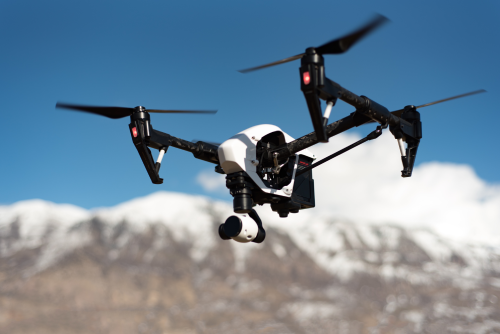
A good drone videography gear checklist for creators is not just about the drone itself. If you want smoother shoots, fewer failed recordings, and a cleaner edit later, you need to think in terms of a complete field workflow: flight, camera control, power, storage, safety, and backup.
Quick Take
- Buy for the whole shoot, not just the aircraft. Batteries, filters, cards, and backup gear matter as much as the drone.
- For most creators, the most important add-ons are extra batteries, genuine memory cards, ND filters, spare propellers, and a solid bag.
- In India, heat, dust, coastal humidity, and travel logistics make landing pads, lens cleaning tools, and safe storage more useful than many beginners realise.
- If you shoot paid work, add on-location backup, clear permissions, and a documented pre-flight routine.
- Do not assume one battery, one card, and one cable are enough. They rarely are.
- Always verify the latest DGCA and local rules before flying, especially for commercial work, event shoots, sensitive areas, or unfamiliar locations.
What a real drone videography kit includes
A creator’s kit has four layers:
- Flight essentials: the drone, controller, batteries, props.
- Image control gear: filters, cards, viewing screen, cleaning tools.
- Field workflow gear: bag, landing pad, charging, cables, backup.
- Safety and compliance items: permissions, logs, and site discipline.
If one of these layers is weak, your footage suffers. A beautiful 4K drone means very little if the card fails, the battery runs out halfway through the golden-hour shot, or dust gets into the gimbal because you landed on a rough roadside.
Core drone videography gear checklist
| Gear item | Why it matters | Priority |
|---|---|---|
| Drone with a stabilised gimbal | A gimbal is the motorised mount that keeps footage smooth and level | Must-have |
| Remote controller | Better framing, safer flying, more precise camera movement | Must-have |
| Extra batteries | More flight time, more retries, less pressure on set | Must-have |
| Charging hub or multi-battery charger | Faster turnaround between flights | Must-have for regular shooting |
| Genuine high-speed memory cards | Reduces risk of recording errors and dropped footage | Must-have |
| ND filters | Help control shutter speed in bright light for more natural-looking motion | Must-have for serious video |
| Spare propellers | Essential after minor nicks or wear | Must-have |
| Prop tool or small screwdriver kit | Lets you replace props safely in the field | Must-have |
| Phone or tablet plus charging cable | Better screen view and app control | Must-have |
| Landing pad | Cleaner takeoffs and landings on dusty, sandy, or grassy ground | Strongly recommended |
| Backpack or hard case | Protects gear while travelling | Strongly recommended |
| Lens cloth and blower | Keeps the camera clean without scratching it | Strongly recommended |
| Card reader and portable SSD | Fast backup on location, especially for paid work | Strongly recommended |
| Power bank, car charger, or portable power setup | Useful in remote areas or long days | Situational but very useful |
| Shot list, notebook, or digital checklist | Helps repeat moves and stay organised | Useful |
| High-visibility vest or small ground markers | Helps control space on commercial shoots | Job-specific |
The must-have gear, explained
Drone with a gimbal
For videography, the drone should prioritise stable footage, reliable control, and consistent app support. A gimbal is more important than chasing headline resolution numbers.
Look for:
- Stable hover and predictable movement
- Good wind handling for your use case
- Reliable return-to-home behaviour
- A camera system you understand and can expose properly
- Available batteries, props, and after-sales support in India
For creators, a dependable mid-range drone with easily available accessories is often a better choice than a more impressive-sounding model that is hard to service.
Extra batteries
One battery is a testing battery, not a working kit.
A practical starting point:
- Casual creator: 3 batteries total
- Travel creator: 3 to 4 batteries
- Real-estate or wedding freelancer: 4 to 6 batteries
- Long rural or remote-day shoot: enough batteries plus a recharge plan
Why so many? Because drone video often needs repeat passes. You may fly one take too fast, one too high, one with a distracting vehicle entering the frame, and only get the usable shot on the fourth attempt.
Charging hub and power setup
A charging hub saves time and reduces chaos.
Useful options:
- Official or trusted-brand charger
- Multi-battery charging hub
- Power bank for phone, tablet, and controller
- Car charger for road shoots
- Portable power station for remote locations, if your workflow justifies it
This is especially useful in India, where destination shoots, farm locations, wedding venues, or hill stations may not offer reliable power where you need it.
Genuine memory cards
Cheap cards are a hidden cost. They fail at the worst time.
Choose cards that:
- Are recommended by your drone manufacturer
- Come from trusted sellers
- Match your drone’s required recording speed
- Are tested before important shoots
A simple habit helps a lot: use multiple reliable cards instead of putting an entire job on one giant card. That way, one failure does not threaten the whole day.
ND filters
If there is one accessory most creators underestimate, it is the ND filter.
An ND, or neutral density, filter reduces the light entering the camera. In practical terms, it helps you keep a more natural shutter speed in bright sunlight. This matters because video usually looks better when shutter speed is roughly around double the frame rate.
Examples:
- Shooting 25 fps? You may want shutter near 1/50.
- Shooting 30 fps? You may want shutter near 1/60.
- Shooting 60 fps? You may want shutter near 1/120.
In Indian daylight, especially from late morning to afternoon, the scene can be too bright to hold these values without an ND filter. That is why an ND set often matters more than many “cool” accessories.
A basic filter kit usually covers bright and very bright conditions. You do not need every filter on day one, but you do need a matched set for your drone model.
Spare propellers and a small tool kit
Props are consumables. A tiny chip or bend can introduce vibration, noise, or worse.
Carry:
- At least one full spare set
- The correct screwdriver or prop tool
- A small pouch so screws do not disappear in the field
Never “just manage” with a damaged prop because the drone still seems to fly.
Phone or tablet for monitoring
A brighter, larger screen makes flying and framing easier.
A tablet can help when:
- You shoot real estate and need to judge composition precisely
- You work with a client standing beside you
- You are outdoors in harsh sunlight
- You use complex camera settings and want a clearer view
A phone is often enough for beginners, but make sure you also carry:
- A spare connection cable
- A power bank
- A sun hood if glare is a problem
One faulty cable can stop an entire shoot.
Field gear that saves shoots
Landing pad
In India, a landing pad is not a luxury item.
It helps when you are operating from:
- Dusty roadsides
- Dry fields
- Sandy beaches
- Construction sites
- Grass that could interfere with the gimbal on takeoff or landing
A foldable landing pad is inexpensive compared with the annoyance of cleaning dust off the lens and gimbal after every flight.
Backpack or hard case
Choose based on how you work.
A backpack suits:
- Travel creators
- Hikers
- One-person crews
- Shoots that require walking distance
A hard case suits:
- Car-based work
- Commercial jobs
- Shoots with more accessories
- Situations where gear protection matters more than portability
Whichever you choose, make sure it has room for batteries, filters, props, cables, and backup storage. A bag that only fits the drone body becomes frustrating very quickly.
Cleaning kit
Keep it simple:
- Air blower
- Microfiber cloth
- Small soft brush
- Sealed pouches for clean filters
Do not wipe dust aggressively across the lens. Blow first, then wipe gently.
Backup kit
For paid shoots, backup is part of the gear checklist.
Carry:
- Card reader
- Portable SSD
- Laptop or compatible tablet
- Organised folder structure
- A basic shot log or note app
A creator who backs up footage before leaving the location is already working at a more professional level.
The smartest starter kits for different creators
Beginner reels or YouTube creator
Start with:
- Drone
- 3 batteries total
- 2 reliable memory cards
- ND filter set
- Spare props
- Simple backpack
- Landing pad
- Power bank
- Cleaning cloth
Upgrade next:
- Charging hub
- Portable SSD
- Tablet or better viewing setup
This kit keeps cost under control while fixing the most common beginner problems.
Travel creator
Add:
- Compact charger
- Weather-resistant bag
- Extra cable set
- Portable SSD
- Car charger or travel-compatible charging solution
- Strong battery management routine
Travel creators usually suffer more from logistics than from lack of camera features.
Wedding, real-estate, or freelance creator
You need reliability first.
Add:
- 4 to 6 batteries
- Charging hub
- Multiple memory cards
- SSD backup
- High-visibility crew markers if needed
- Shot list and client sign-off routine
- Spare cables for controller and phone/tablet
If drone footage is part of a deliverable, your gear must support repeatability, not just occasional flying.
Small commercial team
You may need:
- Dedicated tablet or bright monitor
- On-site data backup
- Ground communication and site coordination
- Separate storage for used and fresh batteries
- Checklist-based packing system
- Insurance and documentation relevant to the job, if applicable
At this stage, workflow discipline becomes more important than adding random accessories.
How to choose gear without overspending
Buy reliability before extra features
A creator usually benefits more from:
- One additional battery
- Better storage
- Proper filters
- Safer transport
- Faster backup
than from a spec jump they may not fully use.
A common bad purchase pattern looks like this:
- Expensive drone
- No ND filters
- One memory card
- One battery
- No landing pad
- No backup drive
That setup looks impressive in a box but is weak in the field.
Match the kit to your output
Ask yourself:
- Do I mainly shoot travel reels?
- Do I deliver client work?
- Am I filming property, weddings, resorts, or outdoor sports?
- Do I travel by bike, car, train, or flight?
- Do I edit on a laptop immediately or later at home?
Your answers tell you what deserves money first.
For example:
- A travel vlogger may need compact storage and battery discipline.
- A real-estate creator may need more batteries and precise framing support.
- A wedding filmmaker may need a near-foolproof backup routine.
- A student creator may be better off with a smaller, reliable kit and more practice.
India-specific tips for drone creators
Plan for heat
Indian summers can affect both batteries and your own pace on location.
Good habits:
- Store batteries out of direct sun
- Let hot batteries cool before charging
- Avoid leaving the drone in a parked car
- Schedule key shots earlier or later in the day when practical
Expect dust
A landing pad, brush, and cloth make a bigger difference here than in many overseas checklists.
Dust problems often show up as:
- Dirty lens corners
- Gimbal warnings
- Rough takeoff areas
- Scratches from poor cleaning
Be careful near coastlines and waterfalls
Salt, spray, and humidity are hard on gear. Dry and clean the drone and accessories after the shoot, and do not assume a splash-prone environment is safe just because the weather looks clear.
Check airline and travel rules for batteries
If you travel with lithium batteries, confirm the latest airline and carrier rules before your trip. Do not assume yesterday’s travel practice will be accepted today.
Safety, legal, and compliance checks in India
Drone creators should treat compliance as part of the gear checklist, not an afterthought.
Before a shoot, verify:
- The latest DGCA rules relevant to your drone and use case
- Whether your operation needs registration, pilot qualification, or specific permissions
- Current airspace status and local restrictions
- Whether Digital Sky or NPNT (No Permission, No Takeoff) requirements apply to your setup
- Property-owner permission for private land
- Event, resort, municipal, police, forest, or site-specific approvals where relevant
Also keep these practical points in mind:
- Do not fly recklessly around crowds, roads, animals, or moving traffic.
- Respect privacy. Filming homes, people, or private events without proper consent can create real problems even if the flight itself seems possible.
- Some locations that look “open” may still be sensitive or restricted.
- If you are shooting commercially, insurance may be worth considering, but check current policy terms carefully and verify what is actually covered.
If you are ever unsure, pause the shoot and confirm the latest official guidance before flying.
A simple pre-shoot packing routine
Use this before every serious shoot.
-
Check the location – Airspace, local restrictions, weather, and site access.
-
Charge everything – Drone batteries, controller, phone, tablet, power bank.
-
Inspect the aircraft – Props, body, gimbal, battery contacts, and lens.
-
Pack image-control gear – Filters, cards, cleaning kit, cables.
-
Prepare storage – Format cards only after confirming the previous job is backed up.
-
Set your video settings – Resolution, frame rate, colour mode, and white balance if your workflow requires control.
-
Pack backup gear – SSD, reader, laptop, spare cable.
-
Carry permissions and job notes – Client details, site contact, shot list, any relevant approvals.
-
On location, do a calm first flight – Use the first battery to confirm conditions, not to rush into the hero shot.
Common mistakes creators make
Buying the drone, then delaying the essentials
The drone arrives, but the creator keeps using one battery and no filters for months. This limits both learning and output quality.
Using low-quality or fake memory cards
A recording error can waste the best light of the day. Buy trusted storage.
Flying without ND filters in harsh daylight
The footage may look too sharp, stuttery, or unnatural because shutter speed is too high.
Forgetting spare props and cables
These are small, cheap, and often the first thing that ends a shoot.
Updating firmware on the morning of a job
If you update, test before the paid shoot day. Do not turn a client session into a troubleshooting session.
Not backing up before leaving the location
A drone shoot is not truly complete until the footage exists in at least one more place.
Overpacking random accessories
A clean, repeatable kit beats a bag full of items you never use.
Ignoring site safety because “it’s just a quick shot”
Quick shots create plenty of preventable trouble. Treat every takeoff seriously.
FAQ
How many batteries do I really need for drone videography?
For most creators, 3 batteries total is a strong starting point. If you do client work or long outings, 4 to 6 is more practical.
Do beginners need ND filters immediately?
If you mostly shoot video in daylight, yes, they are one of the first accessories worth buying. They help footage look more natural and easier to grade.
Is one big memory card better than several smaller ones?
Not always. Multiple reliable cards can reduce risk because one card problem does not affect the entire day’s shoot.
Should I use a phone or a tablet with my controller?
A phone is enough for many beginners. A tablet becomes useful when you need more precise framing, clearer viewing in daylight, or easier client monitoring.
Do I need a landing pad if I only fly occasionally?
If you shoot from dusty, grassy, sandy, or uneven ground, yes. It is one of the simplest ways to protect your camera and gimbal.
Can I record usable audio directly from the drone?
Usually, no. Drone audio is dominated by propeller noise. Record voice, ambience, or effects separately on the ground if your edit needs sound design.
What is the best bag type for creators?
A backpack is best for mobility. A hard case is better for maximum protection and car-based jobs. Choose based on how you actually travel to shoots.
What documents should I keep for paid drone shoots in India?
Carry whatever is relevant to your specific operation: identity proof, client brief, property permissions, job contact details, and any compliance-related documents required for your drone or flying activity. Verify the current legal requirements before the shoot.
How should I protect batteries in Indian summer?
Keep them out of direct sun, avoid storing them in hot vehicles, and let them cool before charging. Heat management improves both safety and battery life.
The gear checklist that makes the biggest difference
If you are building your first serious drone videography kit, do this in order: get the drone, add 2 or more extra batteries, buy genuine memory cards, get an ND filter set, carry spare props, use a landing pad, and set up a simple backup system. That combination will improve your shoots far more than chasing fancy extras too early.
