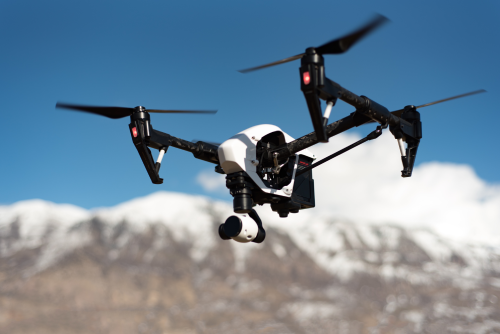
Drone photography tips for real estate creators are less about flashy flying and more about making a property easy to understand. A good aerial image should show scale, access, surroundings, and layout in a way that helps buyers, tenants, or investors decide faster. If you plan the shoot well, fly smoothly, and edit honestly, drone content can make even a modest listing look clear and premium.
Quick Take
- Start with the property goal, not the drone. A villa, apartment tower, plotted land parcel, and resort need different aerials.
- Shoot during soft light whenever possible. Early morning or late afternoon usually looks better than harsh midday sun.
- Keep movement slow. Real estate viewers want clarity, not thrill.
- Show both the property and its context: roads, greenery, nearby amenities, and entrance flow.
- Use top-down shots only when they explain layout, boundaries, or amenities.
- Keep ISO low, horizon level, and white balance fixed for cleaner, more professional results.
- Shoot RAW photos if your drone supports it. RAW means an unprocessed file with more room for editing.
- Avoid misleading edits. Do not fake views, remove permanent clutter dishonestly, or show unverified plot boundaries.
- In India, always verify the latest DGCA and Digital Sky requirements before any commercial drone shoot.
- Get site permission from the owner, builder, housing society, or facility manager before takeoff.
What real estate drone content should do
A real estate drone image is not just a “nice aerial.” It should answer practical buyer questions:
- How big does the property feel?
- What is around it?
- How easy is the approach?
- Does the building sit in a crowded area or an open one?
- What amenities, views, or open spaces add value?
- How does the plot or structure relate to the rest of the site?
This is why the best real estate creators think like marketers first and drone pilots second.
A useful drone shoot usually includes three layers:
-
Hero shots
The main image or clip that sells the property at first glance. -
Context shots
Wider visuals showing roads, neighbourhood character, greenery, or nearby landmarks. -
Detail-support shots
Rooftops, balconies, pool areas, clubhouse, parking, landscaped zones, plot layout, or entry gate.
The most useful drone shot types
| Shot type | Best for | Why it works |
|---|---|---|
| Hero oblique shot | Villas, apartments, commercial buildings | Shows height, façade, and surroundings in one frame |
| Top-down shot | Plots, rooftops, resorts, amenities | Explains layout clearly |
| Entry reveal | Gated communities, villas, farmhouses | Creates a polished “arrival” feeling |
| Context wide shot | Projects near parks, business districts, or highways | Helps buyers understand location value |
| Amenity sweep | Pools, clubhouse, gardens, sports areas | Shows lifestyle, not just structure |
| Sunset exterior | Premium listings and brand films | Adds warmth and mood when used naturally |
Plan the shoot before you fly
Drone photography tips for real estate creators matter most before takeoff. A rushed aerial shoot usually leads to random clips, harsh light, and missing angles.
1. Clarify the property’s selling point
Ask the client one simple question: what is the main reason someone should care about this property?
Examples:
- Independent house: frontage, terrace, corner plot, greenery, quiet street
- Apartment project: tower spacing, amenities, access roads, skyline, nearby infrastructure
- Plotted development: layout, internal roads, approach route, open land around it
- Commercial property: visibility, parking, road frontage, surrounding business activity
- Resort or farmhouse: privacy, water body, landscaping, larger setting
Your shot list should follow that answer.
2. Walk the site first
Do not launch immediately.
Walk around and note:
- Trees and power lines
- Cell towers
- Narrow streets
- Construction cranes
- Crowded public areas
- Reflective glass surfaces
- Takeoff and landing spots
- Wind direction
- The cleanest side of the property
In many Indian locations, the biggest on-site problem is not the drone. It is wires, cluttered rooftops, parked vehicles, or people gathering under the flight path.
3. Build a short shot list
You do not need a complex storyboard. A simple six-to-ten-shot list is enough.
A basic property shoot list can be:
- Front hero still
- Front hero video clip
- Context wide showing roads and surroundings
- Top-down layout shot
- Entry or driveway reveal
- Rear or terrace angle
- Amenity shot
- Sunset or warm-light final shot
This keeps the shoot focused.
4. Check permissions and compliance
For any commercial drone shoot in India, confirm the latest official rules before flying. Requirements can depend on the drone, location, airspace, and purpose of operation.
At minimum, verify:
- Current DGCA and Digital Sky guidance
- Whether the area is suitable for drone operations
- Whether the drone and use case are compliant
- Whether you need site-specific approval
- Whether the client has informed the property management or security team
Also get practical permission from the property owner, broker, builder, society office, or facility manager. Even when an aerial is legally possible, an unannounced drone over a residential complex can create unnecessary complaints.
Light, weather, and timing matter more than the drone
A premium result usually comes from good light, not expensive equipment.
Best time of day
For most Indian real estate shoots, the safest choices are:
- Early morning for softer light, cleaner shadows, less traffic, and calmer winds
- Late afternoon to sunset for warmer colour and more depth in façades
Avoid harsh midday light when possible, especially in summer. It creates:
- Flat roofs with blown highlights
- Deep black shadows under balconies
- Washed-out concrete
- Less attractive landscaping
Midday is still usable for some top-down layout shots because the sunlight is more direct, but it is usually weaker for hero visuals.
Watch for haze, dust, and monsoon issues
In Indian cities, haze can make distant buildings look dull and grey. If the skyline matters, pick the clearest day you can.
Also be careful with:
- Strong afternoon winds
- Dusty conditions near construction sites
- Monsoon drizzle or moisture
- Fast-moving clouds that cause exposure shifts
If the weather is unstable, finish the must-have shots first.
Camera settings that work well for real estate
You do not need complicated settings, but you do need consistency.
Photo settings
For still photography:
-
Shoot RAW if available
RAW files keep more detail in bright skies and dark building shadows. -
Keep ISO low
ISO controls sensor sensitivity. Lower ISO usually means cleaner images with less noise. -
Use exposure bracketing if your drone supports it
This captures multiple exposures of the same frame, which helps when sky and building brightness are very different. -
Set white balance manually
White balance controls colour tone. If you leave it on auto, one image may look cool and the next warm, which makes the gallery inconsistent. -
Avoid over-sharpening in-camera
It can make edges look harsh, especially on railings and window frames.
Video settings
For video:
-
Record in at least 4K if available
Even if the final delivery is 1080p, 4K gives more room to crop and stabilise. -
Use a standard frame rate
25 or 30 frames per second works well for most property videos. Slow motion is useful only for selected clips. -
Keep shutter speed under control
In bright light, use an ND filter if needed. An ND filter is like sunglasses for your camera and helps motion look smoother. -
Use a flatter colour profile only if you know how to grade it
If not, use a normal profile and expose carefully. -
Lock white balance
This matters even more in video, where shifting colours look amateur.
One simple rule: expose for the property, not just the sky
Many beginners protect the sky so much that the building becomes too dark. Others brighten the building so much that the sky becomes pure white.
Aim for balance. If your drone supports it, use tools like a histogram or exposure warning to avoid clipped highlights.
Practical drone photography tips for real estate creators
Show the property in context
A beautiful building without context can still be a weak listing image.
For example:
- A villa buyer wants to know street width, neighbouring structures, and privacy.
- An apartment buyer wants to see tower spacing, open areas, and surrounding density.
- A plot buyer wants to understand layout and road access.
Take at least one wider frame that explains the setting.
Do not fly too high by default
A common beginner mistake is going straight up until the property becomes tiny.
For real estate, low-to-medium altitude often looks better because it keeps the building important in the frame while still revealing context. Maximum height is rarely the most useful angle.
Use top-down shots with purpose
A top-down shot is great for:
- Plot shape
- Pool and clubhouse layout
- Rooftop design
- Parking organisation
- Landscaping patterns
It is not always the best hero image. Use it to explain, not to impress.
Keep lines straight
Crooked horizons and leaning buildings instantly reduce trust.
Check:
- Horizon level
- Building verticals
- Symmetry in front-facing shots
If a tower appears to tilt badly because of angle and lens distortion, correct it in editing or choose a slightly different camera angle.
Fly slower than feels natural
Most drone pilots move too fast for real estate.
Slow movement does three things:
- Makes the property easier to read
- Looks more premium
- Gives you cleaner clips for editing
Use Cine mode or your drone’s slower movement mode if available. Avoid sudden stick inputs.
Prefer simple moves over fancy moves
The most useful real estate video moves are usually:
- Slow push-in
- Slow pull-back
- Gentle rise
- Straight reveal
- Small side slide
- Controlled orbit around the property
A “yaw” is the drone turning left or right. Combining yaw, ascent, forward motion, and gimbal tilt all at once often looks messy unless you are very experienced.
Start and end each clip with a pause
Hold the frame steady for 2 to 3 seconds before and after the movement. This gives your editor clean handles and makes transitions easier.
Use foreground for depth
A property shot can look flat if everything is at the same distance.
Try framing with:
- Trees at the edge of the frame
- The gate or driveway in front
- Pathways leading toward the building
- A small amount of rooftop or terrace foreground
This creates depth and makes the image feel more cinematic without hiding the subject.
Show approach and access
In Indian listings, access matters a lot.
Useful shots include:
- Entry road
- Gate approach
- Parking area
- Internal drive path
- Connection to nearby main road from a safe, legal position
These visuals often answer more real buyer questions than dramatic skyline shots.
Separate amenities into their own mini-scenes
Do not try to show the entire project in every frame.
If the property has useful amenities, treat them individually:
- Pool
- Garden
- Clubhouse
- Sports court
- Open deck
- Rooftop area
- Parking zone
This gives you more useful assets for listings, brochures, social clips, and ad campaigns.
Use scale carefully
A drone shot sometimes needs a visual reference to communicate size.
Examples:
- A parked car in a driveway
- A person walking on a path
- Outdoor furniture on a terrace
But do not use people casually if privacy is a concern. Avoid filming residents without consent, especially in occupied housing complexes.
Think about vertical video while shooting
Many real estate creators now need both listing photos and social content.
If you will deliver vertical video for reels or shorts:
- Keep the property near the center of the frame
- Leave safe space above and below for cropping
- Avoid very wide compositions where the subject becomes tiny in a vertical cut
Shoot once, deliver smartly.
A simple workflow for a real estate drone shoot
Use this practical order on site:
- Scout and check safety
- Capture the must-have stills first
- Shoot hero video clips while light is best
- Get context and amenity angles
- Capture alternates for editing
- Review files before leaving
- Back up immediately
If battery time is limited, always prioritise the hero shot, context shot, and one layout shot.
Edit for trust, not just drama
Good editing should make the property look its best without making it look false.
For photos
Focus on:
- Straight horizon
- Balanced contrast
- Natural sky recovery
- Clean white balance
- Moderate sharpness
- Careful shadow lift
- Mild dehaze when needed
Do not push saturation so far that grass turns neon green or walls change colour.
For video
Aim for:
- Consistent colour across clips
- Smooth pacing
- Clean transitions
- Short runtime
- Simple music if used
- Readable text overlays if required
Most real estate videos improve when they are shorter. A clean 30 to 60 second edit is often more effective than a long montage.
Be very careful with plot lines and labels
If you add boundaries, arrows, or area labels:
- Use verified information from the client
- Make sure the lines are visually accurate
- Do not imply legal certainty unless the source is confirmed
This is especially important for land, farm plots, and under-development layouts.
Safety, legal, and compliance in India
Real estate shoots often happen in dense, sensitive, or semi-public locations. That makes discipline essential.
Before any shoot, verify the latest official Indian rules and platform requirements. Do not assume last year’s advice still applies.
A safe, compliant approach includes:
- Confirming current DGCA and Digital Sky guidance
- Checking whether the location is in a restricted or unsuitable area
- Avoiding airports, helipads, defence areas, and other sensitive zones
- Staying clear of crowds, busy roads, and traffic
- Maintaining visual line of sight
- Avoiding flights in strong wind, poor visibility, or rain
- Getting site permission from the owner or property management
- Respecting privacy in occupied residential areas
- Not hovering near balconies, windows, terraces, or private spaces unnecessarily
Also remember that “the client asked for it” is not a safety plan. If a shot requires risky positioning over people, wires, or public movement, say no and find a better angle.
Common mistakes real estate creators make
Shooting only wide aerials
If every shot is extremely wide, the viewer understands the area but not the property. Mix hero, context, and detail-support shots.
Flying at the wrong time
A clean building shot in soft light usually beats a bigger drone shot in bad light.
Moving too aggressively
Fast or jerky movement makes a property feel smaller, cheaper, and harder to understand.
Ignoring clutter on the ground
Water tanks, tarpaulins, parked trucks, construction debris, and open terraces can ruin a premium look. Whenever possible, ask the client to prepare the site before the shoot.
Depending on one angle
Some buildings look great from the front and weak from above, or vice versa. Always collect alternates.
Letting auto settings change between shots
Auto white balance and auto exposure shifts can make a gallery feel inconsistent.
Over-editing
Heavy HDR, fake skies, extreme sharpening, and unnatural colours reduce trust. Real estate content should feel polished, not deceptive.
Forgetting the buyer’s perspective
The best drone image is not the most “epic” one. It is the one that helps a buyer understand the property quickly.
FAQ
What height works best for real estate drone photos?
There is no single best height. For most properties, low-to-medium altitude is more useful than the highest possible shot because it keeps the building prominent while still showing surroundings. Choose the height that explains the property clearly and remain compliant with current rules.
Should I shoot RAW or JPEG for real estate?
If your drone supports RAW, use it for important stills. RAW gives more editing flexibility, especially for bright skies and dark building shadows. JPEG is faster, but less forgiving.
Is midday ever okay for property shoots?
Yes, but mainly for practical layout or top-down shots. For hero images and premium-looking video, morning or late afternoon is usually better.
How many final drone photos should a listing include?
Quality matters more than quantity. Many listings work well with 5 to 10 strong drone photos: one hero, one context wide, one top-down if useful, one entry shot, and a few support angles.
Do I need permission from the property owner or housing society?
In practice, yes. Even if a flight is technically possible, you should get permission from the owner, broker, builder, or society management before flying over or around private property. Also verify the latest official operating requirements in India.
Can I use drone shots to show plot boundaries?
Yes, but only with care. Use boundaries only when the information is verified by the client or site documents. Do not guess or draw approximate legal lines as if they are exact.
What video frame rate is best for real estate?
For most property videos, 25 or 30 frames per second is a safe choice. It looks natural and edits easily. Use slow motion only for selected moments.
How do I handle haze in Indian city shoots?
Pick the clearest day possible, shoot when the light is softer, avoid relying too much on distant skyline detail, and use moderate dehaze in editing. Strong haze is difficult to fully fix.
Is a small drone enough for real estate work?
For many creators, yes. A compact drone can be enough if it offers stable footage, decent dynamic range, RAW photo support, and reliable safety features. Skill, planning, and editing matter more than size alone.
Final takeaway
For your next listing, do three things before you even power on the drone: define the property’s key selling point, make a six-shot plan, and choose the best light window. In real estate, slow, clear, honest aerials beat flashy flying every time.
