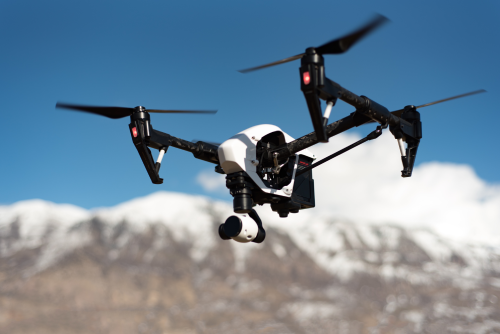
A well-maintained drone flies safer, lasts longer, and gives you fewer nasty surprises in the air. This complete drone maintenance guide for beginners will help you build a simple routine that protects your drone, battery, camera, and wallet.
Quick Take
- Check your drone before and after every flight, not just when something feels wrong.
- Propellers and batteries deserve the most attention because they affect safety the most.
- Dust, heat, humidity, and rough transport are common reasons drones age faster in India.
- Do not charge a hot battery right after landing. Let it cool first.
- Clean gently. Avoid water, harsh chemicals, and random disassembly.
- Update firmware at home and test before an important job, not at the location.
- After any crash, hard landing, rain exposure, or prop strike, inspect the drone carefully before flying again.
- If you are unsure about repairs, especially battery, gimbal, or motor issues, use an authorised service centre.
- Always verify the latest DGCA, Digital Sky, and manufacturer guidance before flying or modifying your drone.
Why drone maintenance matters
Beginners often think drone maintenance means fixing something after it breaks. In practice, good maintenance is mostly about prevention.
A simple routine helps you:
- avoid mid-air failure
- reduce battery damage
- keep footage stable and sharp
- catch small cracks before they become expensive repairs
- improve resale value
- build confidence as a pilot
Think of it this way: a drone may look fine from the outside, but a chipped propeller, dusty motor, swollen battery, or loose gimbal part can quickly turn into a flight problem.
For hobbyists, this means safer weekend flying. For creators and small businesses, it means fewer cancelled shoots and less downtime.
Your basic drone maintenance kit
You do not need a workshop to maintain a beginner drone. A small pouch with the right items is enough.
Keep these basics ready:
- microfiber cloths
- soft brush with fine bristles
- manual air blower
- lens-cleaning cloth
- cotton swabs for careful spot cleaning
- small torch or flashlight
- spare propellers
- original charger and cables
- battery-safe storage bag or case
- silica gel packs for humid areas
- notebook or digital log for battery cycles, errors, and replacements
Optional but useful:
- precision screwdriver set, only if your manufacturer allows user replacement for certain parts
- lens-safe cleaning solution for camera glass
- padded hard case for transport
Avoid using:
- water directly on the drone
- strong household cleaners
- WD-40 or random lubricants
- metal tools near battery terminals
- powerful compressed air that can push dust deeper into motors or sensors
A simple maintenance schedule for beginners
If you are new, follow a schedule instead of waiting for trouble.
| When | What to check | Why it matters |
|---|---|---|
| Before every flight | Propellers, battery lock, body cracks, gimbal movement, motor area, camera lens, controller sticks | Prevents obvious failures before takeoff |
| After every flight | Heat, dust, propeller condition, battery temperature, warning messages, hard-landing damage | Helps catch issues while they are fresh |
| Weekly or after a busy weekend | Clean body, motors, sensors, vents, controller, case | Stops dust and grime from building up |
| Every few weeks or after heavy use | Review battery health, firmware status, calibration prompts, screw tightness where user-accessible | Improves reliability over time |
| After any crash, prop strike, rain, or sand exposure | Full inspection before next flight | Hidden damage can cause later failure |
| Before long storage | Clean the drone, set batteries to proper storage level, store in a cool dry place | Protects battery life and electronics |
This schedule works well for most consumer camera drones. If you fly FPV or custom-built drones, you will usually need more frequent hardware checks.
Pre-flight maintenance checklist
A beginner-friendly pre-flight check should take only a few minutes.
1. Inspect the body and arms
Look for:
- cracks near the arms or folding joints
- loose parts
- bent landing gear
- damage near the battery slot or latch
Even small cracks matter because vibrations grow in flight.
2. Check the propellers carefully
Propellers are one of the most overlooked parts of drone maintenance.
Inspect each propeller for:
- chips
- hairline cracks
- bends or warping
- whitening or stress marks near the hub
- looseness after installation
If a propeller has struck a branch, wall, or ground, replace it before the next serious flight. A prop may still spin, but that does not mean it is safe.
3. Inspect the motors
With the drone powered off:
- look for dust, hair, grass, or thread around the motor area
- rotate the motors gently by hand if your model allows it and feel for roughness or grit
- check for anything rubbing against the motor bell
A healthy motor should feel smooth. Grinding, scraping, or unusual resistance is a warning sign.
4. Check the battery
Look for:
- swelling or puffing
- cracked casing
- dirty or burnt contacts
- battery not locking properly
- warning messages in the app
Never force a battery into place. If it does not seat properly, do not fly.
5. Check the camera and gimbal
Make sure:
- the gimbal cover has been removed before powering on
- the camera lens is clean
- the gimbal moves freely during startup
- no ribbon cable or damper looks twisted or torn
A dirty lens can ruin footage. A restricted gimbal can trigger errors or shaky video.
6. Clean the sensors and vents
Most consumer drones have downward sensors, obstacle sensors, and cooling vents.
Check for:
- fingerprints
- dust
- dried mud
- blocked airflow
These affect stability, hovering, braking, and heat management.
7. Check the controller and accessories
Before takeoff, inspect:
- stick movement
- phone cable connection
- antenna condition
- battery level of controller
- memory card availability and free space
8. Confirm the app shows normal status
A good maintenance habit is to notice warning messages early. Do not ignore repeated battery, compass, motor, or gimbal alerts.
Post-flight routine that prevents expensive problems
Most wear shows up after the flight, not before it.
Follow this routine after landing:
1. Shut down in a calm, clean area
Power down the drone and controller in the order recommended by the manufacturer.
Avoid tossing the drone straight into a bag while it is still hot and dusty.
2. Let the battery cool
This is one of the most important habits.
Do not recharge a battery immediately after a hot flight. Let it cool to a safe, normal temperature first. Charging a hot battery reduces battery life and increases risk.
3. Inspect for new damage
Look for:
- fresh scratches on propellers
- sand or grass in motors
- camera tilt after a hard landing
- new body cracks
- unusual smell or excess heat
4. Wipe down the drone
Use a dry microfiber cloth or soft brush to remove dust and dirt.
Pay special attention to:
- motor tops
- arm joints
- battery bay
- landing gear
- vents
- sensor windows
5. Review warnings and flight notes
If the app showed any warning, note it down. If you felt unusual drift, weak power, or vibration, do not forget it by the next weekend. That is how small issues get missed.
How to clean your drone safely
Cleaning should be gentle. Drones are light, precise machines, not rugged power tools.
Body and arms
Use:
- a dry microfiber cloth for general cleaning
- a soft brush for corners and seams
- a slightly damp cloth only if needed, with great care to avoid openings
Do not:
- spray liquid directly on the drone
- wash the drone under a tap
- scrape dirt with sharp objects
If dried mud is stuck near the landing gear or lower shell, loosen it gently with a soft brush instead of forcing it.
Propellers and motors
For propellers:
- remove them for closer inspection if needed
- wipe them clean and look at the edges under good light
- replace damaged ones instead of trying to “balance” or bend them back
For motors:
- use a brush or manual air blower to remove light dust
- remove hair, grass, or thread gently with tweezers if clearly accessible
- stop if debris seems deep inside or if the motor feels rough
Do not apply oil or lubricant unless the manufacturer specifically recommends it. Many consumer drone motors are not meant for user lubrication.
Camera, gimbal, and sensors
This area needs the lightest touch.
For the camera lens:
- use a clean lens cloth
- wipe in small gentle circles
- use lens-safe cleaner only if absolutely needed
For sensors:
- use a dry microfiber cloth or air blower
- avoid pressing hard on sensor windows
For the gimbal:
- never force it by hand
- never pull ribbon cables
- remove dust carefully around the mount and dampers
Remote controller and accessories
Controllers get sweaty, dusty, and neglected.
Clean:
- sticks and stick bases
- screen mount
- charging ports
- cable ends
- carrying case interior
A dirty controller port can cause connection drops that feel like drone problems.
Battery care: the most important part of maintenance
If you maintain only one thing properly, make it the battery.
Most beginner camera drones use smart lithium-based batteries. They are convenient, but they still need good habits.
Charging best practices
- use the original charger or a trusted manufacturer-approved charger
- place the battery on a hard, non-flammable surface while charging
- do not charge right after flight; let it cool first
- avoid charging in direct sun or inside a parked car
- stay nearby while charging, especially if the battery has shown any warning before
- stop using a battery that looks swollen, smells strange, or gets unusually hot
In Indian summer conditions, indoor charging in a cooler room is usually safer than charging in a hot balcony or car.
Storage best practices
If you are not flying for several days or weeks:
- do not store the battery fully charged for long periods
- do not store it fully empty either
- follow your manufacturer’s storage guidance or smart discharge feature
- keep batteries in a cool, dry place
- use a battery-safe bag or separate case
- check battery level from time to time during long storage
Humidity matters too. In coastal cities and during monsoon, store batteries and the drone in a dry cupboard with airflow, not in a damp bag.
Signs a battery should be retired
Replace or professionally inspect a battery if you notice:
- swelling or puffing
- cracked shell
- leakage
- corrosion on contacts
- repeated voltage or cell warnings
- a major drop in flight time
- battery becoming very hot under normal use
- battery involved in a crash or water exposure
Never try to repair or open a damaged drone battery yourself.
Firmware, calibration, and maintenance logs
Maintenance is not only physical cleaning. Software and records matter too.
Firmware updates
Firmware is the low-level software that runs the drone, battery, and controller.
Good practice:
- update at home, with time to test afterward
- make sure batteries and controller are adequately charged before updating
- avoid updating minutes before a paid shoot or important trip
- read release notes in the app if available
Updates can improve stability, battery management, and features, but any update should be tested in a safe open area before serious use.
Calibration
Do not calibrate everything blindly before every flight.
For most beginners:
- follow calibration prompts from the app or manufacturer
- recalibrate after a crash, unusual behaviour, or when the system specifically asks
- do not perform calibration on a metal table, near vehicles, or around strong magnetic interference
Unnecessary or badly done calibration can create problems instead of solving them.
Keep a simple maintenance log
Even hobbyists benefit from basic records.
Track:
- flight date
- battery used
- battery warnings or heat issues
- propeller replacement date
- crash or hard landing notes
- firmware updates
- unusual vibration, drift, or gimbal errors
If you run a small drone business, these records become even more useful for troubleshooting, service claims, and insurance discussions.
India-specific drone maintenance tips
Conditions in India can be tough on drones. Your maintenance routine should match where you actually fly.
Heat
In many cities, direct sun and high ambient temperature can stress batteries and electronics.
Practical habits:
- avoid leaving drone or batteries inside a parked car
- let equipment cool between flights
- keep your case in the shade
- do not start a long flight with a battery already hot from transport or charging
Dust and loose soil
Open grounds, construction areas, dry fields, and roadside launch spots can push dust into motors and vents.
To reduce trouble:
- launch from a clean landing pad if possible
- avoid low hovering over dust
- clean the motor area after every dusty session
- inspect the gimbal and vents more often in dry weather
Humidity and monsoon
Moisture is a hidden enemy.
Be careful about:
- storing the drone in a damp bag
- flying in light drizzle just because it “seems manageable”
- moving gear from strong air-conditioning into humid outdoor air, which can cause temporary condensation
Give the drone a few minutes to adjust when moving from a cold room to hot, humid outdoors.
Coastal air
If you fly near beaches or the sea:
- keep salt spray away from the drone
- wipe the exterior after use
- inspect metal contacts and screws more often
Salt and electronics do not get along.
Safety, legal, and compliance checks
Drone maintenance is also a safety issue, and sometimes a compliance issue.
A few practical rules:
- do not fly with damaged propellers, loose arms, or doubtful batteries
- avoid unauthorised modifications such as battery hacks, unsupported firmware changes, or hardware changes that can affect reliability
- use original or approved replacement parts where possible
- keep model, serial, and purchase details recorded
- if you fly commercially, maintain service and incident records
For India, always verify the latest official DGCA and Digital Sky requirements before flying. Rules can depend on the drone category, where you operate, and the type of operation. If your drone or use case involves compliance features, permissions, registration, or insurance considerations, confirm the current requirements before you act.
A maintenance problem can quickly become a safety problem. A safety problem can quickly become a legal problem.
What to do after a crash, hard landing, rain, or dust exposure
Beginners often make the mistake of taking off again too soon.
After a crash or prop strike
- Power off immediately.
- Remove the battery.
- Inspect propellers first.
- Check each arm, motor mount, landing gear, and gimbal.
- Look for fresh cracks, looseness, or camera tilt.
- Do not fly again until damaged parts are replaced.
If the impact was strong, get it checked professionally even if the drone seems normal.
After rain or water exposure
- Power off immediately.
- Remove the battery.
- Do not charge that battery until it has been assessed.
- Dry the exterior gently.
- Do not power on repeatedly to “see if it works.”
- Seek professional service, especially if the water was muddy or salty.
After dust or sand exposure
- Do not spin up immediately for another flight.
- Brush off loose dirt first.
- Inspect motors, vents, and gimbal.
- Check for grinding feel or sound.
- Test only after careful cleaning.
Sand is especially damaging because it acts like an abrasive inside moving parts.
Common mistakes beginners make
These habits shorten drone life faster than most pilots realise.
- charging batteries while they are still hot
- storing batteries fully charged for long periods
- ignoring tiny propeller chips
- leaving the drone in a hot car
- wiping the lens with a dirty shirt or tissue
- over-calibrating without a real reason
- flying again after a crash without inspection
- forcing folded arms, battery latches, or gimbal parts
- using cheap unknown batteries or chargers
- packing the drone away dusty and damp after a shoot
A good rule: if something feels off, investigate before the next flight.
FAQ
How often should I replace drone propellers?
Replace them whenever you see chips, cracks, bends, stress marks, or after a noticeable strike. Some pilots replace them preventively after heavy use, but visible condition matters more than a fixed number of flights.
Can I charge my drone battery immediately after flying?
No. Let it cool first. Charging a hot battery is bad for battery health and can increase risk.
Do I need to calibrate the compass before every flight?
Usually no. Follow the manufacturer and app prompts. Calibrate when asked, after certain incidents, or when behaviour suggests a problem.
Is it okay to use third-party batteries and chargers?
It is safer to use original or manufacturer-approved accessories. Cheap third-party batteries and chargers are a common source of reliability and safety issues.
My drone was fine last month. Do I still need pre-flight checks?
Yes. Storage, transport, dust, humidity, and battery ageing can create problems even if the drone was perfect on the last flight.
What is the best way to store a drone during the monsoon?
Clean it, dry it, remove or safely store batteries at the proper storage level, and keep everything in a cool, dry place with airflow. Silica gel packs can help reduce moisture build-up.
Should I repair my drone myself?
Simple cleaning and user-approved part replacement are usually fine. Battery, motor, gimbal, structural, or internal electronic repairs are better handled by an authorised service centre unless you are trained and the model is designed for it.
What if one motor feels rough when I rotate it?
Do not fly until you inspect it more closely. It may be dust, hair, or internal damage. If cleaning does not fix it, get professional service.
Can a small crack in the body be ignored?
No. Small cracks can spread under vibration and stress. Inspect carefully and repair or replace parts as needed before flying again.
Does maintenance really affect video quality?
Absolutely. Dirty lenses, damaged props, gimbal issues, and vibration all show up in your footage, even when the drone still flies.
Final takeaway
If you are a beginner, do not wait for your drone to “need repair” before caring for it. Start with a simple routine: inspect propellers, manage batteries properly, clean dust after every session, and take any warning or crash seriously. That small discipline is what keeps a beginner drone reliable enough to trust in the air.
