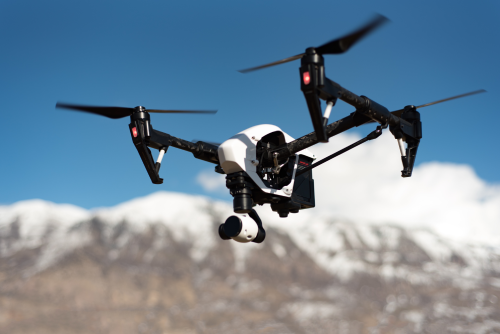
Cheap drone vs expensive drone: what do you really get? Usually, not just a better-looking spec sheet. In real use, you are paying for stability, safer flying, usable footage, stronger support, and fewer bad surprises when you actually need the drone to perform.
For buyers in India, the smartest choice is not always the cheapest model or the flagship. It depends on whether you want to learn, travel with it, create content, fly for work, or just see if the hobby is for you.
Quick Take
- A cheap drone can be fine for basic learning, indoor practice, and casual fun.
- An expensive drone usually buys you better flight stability, a much better camera, safer return features, stronger wind handling, and a more reliable app experience.
- The biggest jump is not from “good” to “great.” It is from “toy” to “tool.”
- If you care about video quality, a proper gimbal matters more than a flashy “4K” label on the box.
- If you want to fly outdoors in India, service support, spare batteries, propellers, and compliance checks matter almost as much as the drone itself.
- For most people who want real aerial photos or video, the best value is often in the middle: a reputable entry-level or mid-range camera drone, not the absolute cheapest option.
- A premium drone is worth it when your time, footage, or client work has real value.
- No drone, cheap or expensive, gives you permission to fly anywhere. Always verify the latest DGCA and Digital Sky requirements before buying or flying.
Cheap drone vs expensive drone: where the money actually goes
Many first-time buyers think the difference is simple: cheap drones are basic, expensive drones are advanced. That is partly true, but the real difference is more practical.
A cheap drone usually gives you:
- Basic flying experience
- Simple controls
- Shorter and less stable flights
- A camera that may look better on the box than in real life
- Limited after-sales support
An expensive drone usually gives you:
- Better position hold and more confident hovering
- A motorized camera stabiliser called a gimbal
- Cleaner video and better still photos
- Smarter safety features such as return-to-home
- A stronger app, battery system, and spare-parts ecosystem
- Higher reliability when conditions are not perfect
That last point matters more than most buyers expect. A drone is not judged only by what it can do on its best day. It is judged by how it behaves when there is light wind, patchy signal, strong sunlight, a rushed setup, or a second chance you cannot afford to lose.
The biggest jump is from toy to tool
This is the most important idea in the entire buying decision.
At the low end, many drones are really toy-class products. They are useful for fun, orientation practice, and basic control learning. They are not serious camera tools.
At the higher end, drones stop feeling like toys and start feeling like small flying cameras or work tools. That shift changes everything:
- You spend less time fighting drift
- You get footage you can actually edit and publish
- You trust the drone more in routine situations
- You waste less time on failed takes
That does not mean expensive always equals better value. It means you should compare the drone to your actual goal, not to the seller’s marketing.
A practical comparison: cheap drone vs expensive drone
| Area | Cheap drone | Expensive drone | Why it matters in real use |
|---|---|---|---|
| Flight stability | Often drifts more; may have weak or no reliable position hold | Better hover stability with GPS and other sensors | Easier for beginners and less stressful outdoors |
| Camera quality | Basic sensor, fixed camera, overprocessed video | Better sensor, better colour, better detail, better low-light handling | Footage looks more natural and usable |
| Stabilisation | Often none or only digital smoothing | Usually a proper gimbal that physically stabilises the camera | Smooth video instead of shaky footage |
| Wind handling | Can struggle even in mild breeze | Stronger motors and better flight control tuning | More confidence outdoors |
| Safety features | Limited return-home or basic alerts | More dependable return-home, better warnings, obstacle sensing on some models | Reduces risk, though it does not replace skill |
| Live view and control link | Laggy or inconsistent feed | Clearer live view and stronger transmission | Better framing and fewer surprises |
| Battery system | High marketing claims, basic charging | Smarter battery data, better planning, broader charging options | More predictable flying sessions |
| App and software | Basic app, fewer updates, weaker support | Better software polish, setup guidance, updates, and settings control | Smoother ownership experience |
| Build and quality control | More fragile, inconsistent manufacturing | Better fit, finish, and reliability | Fewer early failures |
| Spares and service | Often hard to find locally | Better accessory availability and support | Lower long-term frustration |
| Resale value | Low | Usually better if brand support is strong | Helps if you upgrade later |
| Compliance clarity | Can be unclear, especially on very cheap imports | Usually better documentation from established sellers | Easier to verify before use in India |
What a cheap drone actually does well
Cheap drones are not useless. They can be the right choice in several cases.
1. Learning the basics without risking a costly machine
If you are completely new, a simple drone can help you learn:
- Throttle control, which changes altitude
- Yaw, which turns the drone left or right
- Basic orientation when the drone faces toward you
- Gentle takeoff and landing habits
Crashing a cheap trainer hurts less than crashing a premium camera drone.
2. Indoor practice and short fun sessions
Small, light drones are often better for supervised indoor practice than a larger outdoor camera drone. They are also easier to carry and quick to charge.
3. Testing whether the hobby is for you
Not everyone who likes drone videos will enjoy actually flying drones. A low-cost starter model can help you find out before making a bigger investment.
4. Casual flying where image quality does not matter
If your goal is simply to enjoy the flying experience and not capture polished footage, a budget drone may be enough.
The limits of cheap drones
The problem is that many buyers ask a cheap drone to do work it was never built to do.
A cheap drone is usually a poor choice for:
- Travel videos you want to post proudly
- Windy rooftop flying
- Real-estate content
- Weddings or events
- Mapping, inspection, or survey work
- Paid social media shoots
- Long outdoor sessions
In other words, cheap drones are often good for learning and fun, but not for dependable results.
What you usually get when you pay more
This is where the premium really shows up.
More stable flying
A good drone can hold its position far better in the air. That means less drifting, less panic, and easier framing.
For a beginner, this matters more than raw speed or range. A stable drone feels less scary. It also lets you focus on the scene instead of fighting the controls.
A real camera system, not just a camera attached to a drone
This is where expensive drones often justify themselves immediately.
You may get:
- A better image sensor
- Better colour and dynamic range
- More detail in shadows and highlights
- Better performance at sunrise, sunset, or cloudy hours
- More flexible files for editing
Dynamic range simply means how well the camera keeps detail in bright and dark areas in the same shot. Cheap drones often blow out the sky or crush shadows into muddy black patches.
A gimbal makes a bigger difference than many buyers realise
A gimbal is a small motorized stabiliser that keeps the camera level and smooth while the drone moves.
This matters because:
- Turning looks smoother
- Wind bumps are less visible
- Video feels cinematic instead of shaky
- Even simple forward movement looks far better
Some budget drones claim electronic stabilisation. That can help a little, but it is not the same as a proper 3-axis gimbal.
Better wind handling
This is a major real-world advantage in India.
Open grounds, terraces, beaches, hill stations, and even urban areas can have wind that looks mild from the ground but feels stronger in the air. A premium drone usually has:
- Better motors
- Better tuning
- More authority in correcting drift
- More stable footage in breeze
That means more usable flying days and fewer abandoned shots.
A safer flying experience
More expensive drones often include a better safety net:
- More reliable return-to-home if signal drops
- Better battery warnings
- Better satellite lock or other positioning help
- Obstacle sensing on some models
- Better pre-flight alerts
Important: these features reduce risk. They do not remove it. Piloting skill, safe location choice, and common sense still matter.
Better batteries, charging, and planning
Budget drones often have optimistic flight-time claims. Premium drones are not magic either, but they usually have smarter batteries that report their status more clearly.
That helps with:
- Safer landing decisions
- Better planning between shots
- Less guesswork about remaining power
If you shoot regularly, this is a quality-of-life upgrade you will appreciate on every session.
Better app experience and software support
A drone is not just the aircraft. It is the whole ecosystem.
A better drone usually comes with:
- A more polished app
- Better firmware support
- Cleaner interface for camera settings
- More reliable updates
- Better export or workflow features
This matters because frustrating software can spoil even good hardware.
Better support, parts, and resale value
A cheap drone can become disposable very quickly. If one arm cracks, a battery stops working, or a propeller mount fails, you may discover that parts are unavailable.
A more established drone brand usually offers:
- Easier access to spare props and batteries
- Better warranty handling
- Better repair pathways
- Higher resale demand if you upgrade later
That does not always make it cheaper to repair. But it often makes it less painful to own.
What expensive drones do not automatically give you
A higher price solves many problems, but not all.
An expensive drone does not automatically give you:
- Permission to fly anywhere
- Skill or creative judgment
- Guaranteed crash-proof flying
- Survey-grade accuracy for professional mapping
- Good footage if you fly badly
- A strong business case for paid work
This is important for Indian buyers who want to start monetising drone work. A premium consumer camera drone may be excellent for content creation, but if your job needs industrial inspection, surveying, agricultural spraying, or precise data collection, you may need a specialised drone, added training, and stricter compliance checks.
The hidden costs that change the value equation
A drone’s price tag is only part of the ownership cost.
Before buying, think about the full kit:
- Extra batteries
- Propellers
- Storage case
- Fast charger or hub
- Memory card
- ND filters if you care about video
- Insurance if the work is commercial and the risk justifies it
- Repairs and downtime
- A compatible phone or controller ecosystem
This is why the “cheap” drone can become poor value. If it frustrates you, produces bad footage, and gets replaced quickly, you end up paying twice.
On the other hand, the “expensive” drone can be poor value too if you only fly it once a month and never use its advanced features.
Which type of drone fits which buyer?
| Buyer type | Best fit | Why |
|---|---|---|
| School or college beginner | Cheap trainer drone or simulator plus basic practice drone | Low-risk way to learn orientation and controls |
| Casual hobbyist | Budget drone if flying for fun only | Fine if you do not expect polished footage |
| Travel creator | Reputable camera drone with proper stabilisation | You need compact size, reliable flying, and usable video |
| YouTuber or social media creator | Entry-level to mid-range camera drone | Best balance of quality and cost |
| Real-estate or small business content creator | Mid-range or premium camera drone | Reliability and image quality matter more than low price |
| Wedding teaser or event shooter | Premium camera drone with proven reliability | You cannot easily repeat the shot |
| Survey, inspection, or technical work | Specialised professional drone, not just “an expensive one” | The job may require precision, workflow tools, and compliance checks |
How to decide in 7 practical steps
1. Define the drone’s main job
Ask one simple question: what is this drone mainly for?
- Learning to fly
- Fun
- Travel content
- YouTube and reels
- Real-estate content
- Client work
- Technical work
If you cannot answer that clearly, do not buy yet.
2. Decide how much failure will cost you
If a bad flight only ruins a fun Sunday, a cheap drone may be fine.
If a bad flight ruins a paid shoot, a trip, or a one-time scene, you should value reliability much more highly.
3. Ignore flashy labels and focus on three core things
These matter most:
- Flight stability
- Camera stabilisation
- Support ecosystem
A box that says “8K,” “long range,” or “50 minutes” means little if the footage is shaky and the app is unreliable.
4. Budget for the full kit, not just the drone
At minimum, think beyond the drone body itself. A single-battery setup often feels limiting very quickly.
5. Check service and spare availability in India
Ask before you buy:
- Are extra batteries available?
- Are propellers easy to get?
- Is there official or at least reliable service support?
- Is the invoice clear?
- Is the product new, refurbished, or grey-market stock?
If the seller is vague, be careful.
6. Verify legal and compliance suitability
Do not assume a drone is ready for legal use in India just because it is available online. Verify the latest official requirements for your use case.
7. Buy for the next 12 to 18 months, not just today
If you already know you want to create serious content, skipping the toy category may save money. But if you genuinely only want to learn basic flight, a trainer drone still makes sense.
India-specific buying checks
For Indian buyers, these points can matter as much as camera specs.
Local after-sales support matters a lot
India’s climate and conditions are not always gentle on electronics. Heat, dust, humidity, coastal air, and travel stress can expose weak products quickly.
A drone with no service path can become a paperweight after a minor issue.
Spare batteries can decide whether the drone is practical
A drone may look affordable until you discover that batteries are expensive, unavailable, or stuck in long import delays. If you plan to travel or shoot outdoors, battery availability is crucial.
Be careful with unclear imports
Some low-cost and even premium drones appear through unofficial channels. That can create problems with:
- Warranty
- Repair support
- Battery availability
- Documentation
- Compliance clarity
If a deal looks unusually good, ask more questions.
India is not an easy place for weak wind performance
A drone that works well in a calm indoor demo may struggle badly outdoors. If you plan to fly in open fields, hill stations, coastal areas, or terraces, do not underestimate wind handling.
App and phone compatibility matter
Some buyers discover too late that the drone app runs poorly on their phone, or that the controller setup is awkward. A drone is only as usable as the complete system around it.
Safety, legal, and compliance notes for India
Drone rules in India can change, and requirements can vary by drone type, weight, capability, and purpose. Before buying or flying, verify the latest official guidance from DGCA and the Digital Sky system rather than relying only on seller claims or social media clips.
A few safe principles apply to almost everyone:
- Confirm whether the drone model and your use case fit current Indian requirements.
- Check where you are allowed to fly before every session. Airspace around airports, defence areas, and other sensitive locations may be restricted.
- Do not assume recreational flying means unrestricted flying.
- Fly in open areas where you can maintain visual line of sight.
- Avoid crowds, traffic, and sensitive property.
- Respect privacy. Do not film people or private spaces without permission.
- Do not fly in poor weather just because the drone claims wind resistance.
- If you plan to use a drone for paid work, verify whether additional permissions, documentation, insurance, or operational processes are needed for your situation.
A more expensive drone may make you feel safer, but it does not make you exempt from the rules.
Common mistakes buyers make
Buying based on camera resolution alone
“4K” on a cheap drone can still look bad if the sensor is poor and the footage is not stabilised. Smooth, clean 1080p can be more usable than shaky “4K.”
Confusing advertised flight time with real flight time
Marketing numbers are often measured in ideal conditions. Real results can be lower because of wind, aggressive flying, heat, and repeated takeoffs.
Ignoring the difference between indoor fun and outdoor reality
A drone that feels acceptable indoors may become hard to control outdoors.
Underestimating the value of a gimbal
For content creation, a proper gimbal often matters more than extra megapixels.
Buying a drone with no spare-parts path
If batteries, props, or repairs are hard to get, the drone may become poor value very quickly.
Spending too much on features you will never use
Some buyers purchase a top-end drone for casual family flying and use only 20 percent of what they paid for.
Spending too little for serious work
Using a toy-class drone for client work often ends in frustration, weak footage, and lost trust.
Forgetting compliance until after purchase
Always check legal suitability before buying, especially if you are planning outdoor or commercial use in India.
FAQ
Is a cheap drone good for beginners?
Yes, if your goal is basic learning and fun. No, if your goal is polished outdoor footage. Cheap drones are good teachers for control basics, but they can also be frustrating because they are less stable.
Are expensive drones easier to fly?
Usually, yes. Better hovering, smarter sensors, stronger position hold, and clearer live view make them easier for beginners to manage. But they are also more expensive to crash.
Can a cheap drone shoot professional-looking video?
Usually not. A few budget drones can produce decent casual footage in ideal light and calm weather, but most cheap drones lack the stabilisation, sensor quality, and reliability needed for professional work.
What matters more: 4K video or a gimbal?
For most buyers, a gimbal matters more. Shaky 4K looks worse than smooth video from a properly stabilised camera.
Should I buy a used premium drone or a new cheap drone?
Often, a well-checked used premium drone can be better value than a brand-new cheap one. But inspect battery health, repair history, serial details, controller condition, and serviceability before buying used.
How many batteries should I budget for?
For casual learning, one or two may be enough. For travel or content work, more than one battery usually makes the drone far more practical. Exact needs depend on the model and how long you plan to shoot.
Is a mid-range drone the best value for most people?
Very often, yes. If you want real photos and video without paying for every flagship feature, a reputable entry-level or mid-range camera drone is usually the sweet spot.
Do I need to think about Indian compliance before buying, or only before flying?
Before buying. A drone that looks attractive online may create problems later if documentation, support, or compliance suitability is unclear.
Final takeaway
If you only want to learn and have fun, a cheap drone can be enough.
If you want footage you will actually use, skip the toy category and buy a proper camera drone from a brand with support in India.
If the drone will earn money, pay for reliability, stabilisation, spare parts, and compliance clarity, not just headline specs. That is the real difference between cheap and expensive.
