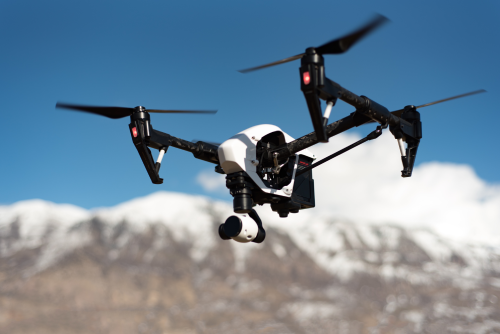
Thermal drones help inspection teams spot overheating equipment, solar panel faults, insulation gaps, moisture patterns, and hidden hot spots without climbing every structure or shutting down every asset. The best thermal camera drones for inspection are not simply the most expensive ones; for buyers in India, the smarter choice depends on your asset type, reporting needs, service support, and how reliably the drone fits your actual workflow.
Quick Take
If you want the short answer, start here:
- Best overall for most small inspection teams: DJI Mavic 3 Thermal
- Best for industrial sites and tougher field work: DJI Matrice 30T
- Best for utilities, large plants, and advanced inspection programs: DJI Matrice 350 RTK with Zenmuse H20T
- Best non-DJI foldable alternative: Autel EVO Max 4T
- Best for FLIR-first or alternative enterprise procurement: Teledyne FLIR SIRAS
- Best autonomy-first option where available: Skydio X10
For most Indian buyers, the real decision is not just sensor quality. It is a mix of:
- local after-sales support
- battery and spare availability
- thermal reporting software
- training requirements
- airspace and site permissions
- whether you need a compact one-person drone or a larger enterprise platform
Also, verify current India availability, dealer support, firmware support, and compliance requirements before paying. Enterprise drone channels can change faster than product brochures.
At-a-glance comparison
| Drone | Best for | Why it stands out | Main trade-off |
|---|---|---|---|
| DJI Mavic 3 Thermal | Rooftop solar, buildings, small industrial jobs | Compact, quick to deploy, serious thermal capability in a portable package | Less suited to harsh weather and long stand-off inspection than bigger enterprise drones |
| DJI Matrice 30T | Substations, plants, field engineering teams | More rugged, weather-ready, stronger zoom-oriented inspection workflow | Bulkier and costlier than compact thermal drones |
| DJI Matrice 350 RTK + Zenmuse H20T | Utilities, large plants, repeated enterprise inspections | Scalable platform, RTK support, strong sensor package, enterprise integration | Expensive, heavier logistics, overkill for many smaller jobs |
| Autel EVO Max 4T | Buyers wanting a non-DJI foldable option | Portable enterprise design with strong inspection-oriented sensor mix | India support and software ecosystem must be checked carefully |
| Teledyne FLIR SIRAS | FLIR-led evaluation or alternative procurement needs | Strong thermal pedigree and enterprise positioning | Local support, parts, and workflow availability may be thinner |
| Skydio X10 | Obstacle-rich inspection workflows where available | Very strong autonomy-led approach for complex environments | Availability, support, and total ownership cost need careful validation |
What matters most in a thermal inspection drone
A thermal drone is not just a drone with a heat camera. For inspection work, these features matter most.
Radiometric thermal data
This is the first thing to check.
A radiometric thermal camera records temperature information for each pixel, so you can analyse images later and produce useful inspection reports. That matters for solar, electrical, mechanical, and building inspections.
If a drone only gives you colourful heat images without reliable temperature analysis, it may be fine for basic awareness, but it is usually a weak choice for professional inspection work.
Visible camera quality and zoom
Many first-time buyers focus only on thermal resolution. That is a mistake.
In real inspections, you often need to:
- identify exactly which panel, connector, bolt, insulator, or module has the issue
- compare the thermal image with a normal visual image
- inspect from a safe distance
- create reports your client can understand quickly
That is why a good visible camera and useful zoom matter almost as much as the thermal sensor.
Stable hovering and site confidence
Inspection flying is different from cinematic flying.
You want a drone that can:
- hold position reliably
- hover steadily in moderate wind
- start quickly on-site
- give clear video downlink
- work predictably near structures
For rooftop work, a compact drone may be enough. For substations, power assets, ports, quarries, and large industrial sites, a more rugged enterprise platform is often worth it.
Software and reporting workflow
A thermal drone purchase is really a workflow purchase.
Before buying, ask:
- Can you export radiometric files easily?
- Can your team annotate temperatures and hot spots?
- Can you create simple client reports without extra hassle?
- Will software subscriptions become an unexpected recurring cost?
- Does the dealer provide setup and training, or only hardware?
A good drone with a poor reporting workflow becomes frustrating very quickly.
Batteries, chargers, and field support
Inspection teams in India often work far from metro service centres. That makes support critical.
Check:
- how many batteries you realistically need for one day
- how fast they recharge
- whether spare batteries are easy to source
- propeller availability
- repair turnaround time
- warranty handling
- whether your city or state has an authorised support partner
A drone that is theoretically excellent but grounded for weeks during a simple repair is a bad investment.
Weather, dust, and Indian operating conditions
Indian inspection work often means:
- hot summer rooftops
- dusty industrial sites
- coastal humidity
- windy open land around solar plants
- long road travel between jobs
Compact thermal drones are convenient, but enterprise buyers should think hard about durability, case transport, battery management, and whether the drone is comfortable in rougher field conditions.
Best thermal camera drones for inspection
DJI Mavic 3 Thermal
Best overall for most small inspection teams
For many buyers, this is the easiest serious thermal drone to justify.
The DJI Mavic 3 Thermal works especially well for:
- rooftop solar inspections
- warehouse and factory roof checks
- building envelope and façade surveys
- telecom tower visuals with thermal context
- small industrial maintenance jobs
- consultants moving from outsourced inspections to in-house work
Why it stands out:
- portable and fast to deploy
- easier for a one-person team to transport and use
- strong balance of thermal, visual, and zoom capability
- lower operational complexity than larger enterprise platforms
- practical for service businesses that travel frequently
In India, this is often the smartest first thermal drone for a small business. It is much easier to carry across cities, launch from tight sites, and integrate into a practical day-to-day workflow than a large platform.
Watch-outs:
- not the best choice for tougher weather or higher winds
- limited compared with larger platforms for long stand-off utility inspection
- still needs proper batteries, training, and reporting discipline
- buyers sometimes underestimate the cost of the full kit and software workflow
If your work is mostly solar rooftops, commercial buildings, campus-style sites, and light industrial jobs, this is the model most people should shortlist first.
DJI Matrice 30T
Best for industrial plants, substations, and tougher field operations
The Matrice 30T is where inspection buying becomes more serious.
This drone is a strong fit for:
- substations
- oil and gas style facilities
- refinery-adjacent inspection work
- ports and logistics areas
- larger solar plants
- engineering teams that work on-site regularly
- teams that need a more weather-ready and rugged setup
Why it stands out:
- more robust enterprise airframe
- stronger field-readiness than compact foldable drones
- better suited to demanding outdoor inspection schedules
- more confident stand-off inspection workflow
- often a better choice when safety distance matters
Compared with compact models, the Matrice 30T usually makes more sense when your inspection jobs are frequent, larger, or operationally critical. It is also a better match when your client expects a proper enterprise setup rather than a light portable drone.
Watch-outs:
- larger case and heavier travel logistics
- higher total ownership cost
- more training and SOP discipline needed
- can be unnecessary overkill for basic rooftop jobs
If you already know your business will inspect substations, large industrial sites, or utility-style assets, stepping up to the Matrice 30T can save you from outgrowing a smaller drone too quickly.
DJI Matrice 350 RTK with Zenmuse H20T
Best for utilities, large plants, and advanced enterprise inspection programs
This is not the first thermal drone most buyers should purchase. But for the right user, it is the most capable option in this list.
It is best suited to:
- power transmission and distribution utilities
- large thermal and renewable energy plants
- engineering consultancies with repeated inspection contracts
- teams that need RTK-backed positional accuracy
- organisations running structured inspection programs across many assets
Why it stands out:
- heavy-duty enterprise platform
- multi-sensor workflow built for serious inspection
- better scalability for larger teams and repeat operations
- useful when precise asset identification and consistent documentation matter
- strong option for long-term programs, not just one-off jobs
The Matrice 350 RTK plus H20T is the type of platform you buy when inspection is a core part of the business, not an occasional add-on service.
Watch-outs:
- expensive and operationally heavy
- more batteries, chargers, storage, and transport planning
- more demanding training and process control
- often too much drone for small solar rooftops or occasional building checks
For most small businesses, this platform is excessive. For utilities and enterprise service providers, it can be exactly the right tool.
Autel EVO Max 4T
Best non-DJI foldable enterprise alternative
Some buyers want a non-DJI option for procurement, client preference, internal policy, or ecosystem comparison. The Autel EVO Max 4T is one of the more credible foldable enterprise alternatives to evaluate.
It is a good fit for:
- buyers comparing enterprise ecosystems before standardising
- teams that want a portable thermal drone outside the DJI stack
- inspection companies that value compact transport but need serious thermal capability
Why it stands out:
- enterprise-focused portable design
- strong inspection-oriented sensor package
- attractive option when you want to compare beyond DJI
- may suit organisations with specific procurement preferences
Watch-outs:
- India dealer quality matters a lot
- repair and spare pipeline must be confirmed before purchase
- software workflow should be tested, not assumed
- training and report generation can decide whether it feels polished in real work
This is not a bad choice at all. But in India, a non-DJI enterprise drone only becomes a good choice if the local support ecosystem is clearly solid.
Teledyne FLIR SIRAS
Best for FLIR-first procurement and enterprise buyers who want alternatives
FLIR is a well-known name in thermal imaging, so it is natural that some inspection teams want to look at a FLIR-led drone platform instead of starting with the more common DJI ecosystem.
SIRAS is worth evaluating for:
- companies already using FLIR handheld thermal tools
- enterprise or institutional procurement that prefers alternative suppliers
- buyers who care strongly about the thermal ecosystem and data chain
Why it stands out:
- strong thermal brand credibility
- enterprise inspection focus
- natural appeal for teams already comfortable with FLIR-style workflows
Watch-outs:
- availability in India may be less straightforward than mainstream DJI channels
- service, training, and spares must be checked in writing
- full workflow matters more than the sensor name alone
If you are buying through a formal enterprise or institutional process, SIRAS can be a serious option. If you are a small business that mainly needs dependable field operations and easy service, you must look very carefully at local support before choosing it.
Skydio X10
Best autonomy-first inspection option where available
Skydio has built its reputation around autonomy and navigation, and the X10 is the kind of platform that attracts infrastructure teams working around complicated structures.
It is worth considering for:
- obstacle-rich inspection environments
- infrastructure teams that value advanced autonomous assistance
- organisations already aligned with Skydio-style enterprise workflows
Why it stands out:
- autonomy-led design philosophy
- potentially strong fit around structures where manual flying is demanding
- appealing for teams that want advanced navigation support
Watch-outs:
- availability in India should be verified carefully
- enterprise support and procurement path matter a lot
- the total software and ecosystem cost needs evaluation, not just hardware fit
For most Indian buyers, support and procurement will decide this choice more than raw flight features. If the ecosystem is not available properly, even a technically strong platform becomes hard to justify.
Which drone fits which inspection job?
Here is the practical way to think about it.
Rooftop solar and commercial solar O&M
Best fit:
- DJI Mavic 3 Thermal for most cases
- DJI Matrice 30T if the sites are larger, windier, or more demanding
Why: You need fast setup, decent thermal reporting, and easy travel between sites. A compact drone usually wins here unless you work at utility scale.
Buildings, roofs, façades, and campus properties
Best fit:
- DJI Mavic 3 Thermal
- Autel EVO Max 4T if you want a non-DJI portable option
Why: These jobs often reward portability and faster deployment more than heavy platform capability.
Substations, industrial sites, ports, and large plants
Best fit:
- DJI Matrice 30T
- DJI Matrice 350 RTK + H20T for larger programs
Why: You often need safer stand-off inspection, more rugged handling, and a stronger enterprise workflow.
Utilities and transmission infrastructure
Best fit:
- DJI Matrice 350 RTK + H20T
- DJI Matrice 30T for lighter utility work
Why: Asset scale, inspection distance, documentation quality, and repeatability become more important here.
Procurement requires a non-DJI stack
Best fit:
- Autel EVO Max 4T
- Teledyne FLIR SIRAS
- Skydio X10, where available and supported
Why: In such cases, after-sales support and software confidence are more important than brochure comparisons.
Indoor tanks, boilers, tunnels, and confined spaces
Best fit:
- usually not a standard outdoor foldable thermal drone
Why: These jobs often need a collision-tolerant or confined-space inspection platform. If this is your core use case, do not buy a normal outdoor thermal drone first and hope it will cope.
Buying checklist for Indian buyers
Before you place an order, follow this process.
-
Define the asset clearly – Solar panels? – Electrical equipment? – Building heat leaks? – Utility lines? – Industrial hot spots?
-
Insist on a live demo on your own asset type – A showroom demo proves very little. – Ask the seller to inspect your roof, panel array, or plant area.
-
Confirm radiometric reporting workflow – Can your team extract temperatures later? – Can you generate clear reports for clients?
-
Ask about support in India – Battery availability – repair turnaround – spare parts – firmware help – training support
-
Budget for the full system – extra batteries – charging setup – travel case – software – pilot training – insurance
-
Check compliance and permissions – Verify the latest DGCA and airspace requirements for your operation. – Site access does not automatically mean flight permission.
-
Compare buy versus hire – If you only need occasional thermal inspections, hiring a specialist may be smarter than owning the drone.
Thermal inspection limits many buyers overlook
Thermal drones are powerful, but they are not magic.
Time of day changes results
For solar inspections, module loading and sunlight conditions matter. For building inspections, temperature differences between inside and outside matter. For industrial assets, operating state matters.
A great drone cannot fix bad inspection timing.
Thermal does not see through walls
It detects surface temperature patterns. It does not let you see through concrete, roofs, metal panels, or walls like in movies.
Reflective surfaces can fool you
Shiny metal can reflect surrounding heat and produce misleading readings. Thermal interpretation requires care.
Weather affects inspection quality
Wind, rain, haze, and extreme surface heating can all reduce useful thermal contrast. Even the best drone cannot create clean data in the wrong conditions.
Distance and angle matter
The farther you are from the target, and the worse the viewing angle, the less precise your analysis may be. This is why zoom, stability, and mission planning matter.
Safety, legal, and compliance checks in India
Thermal inspections often happen around sensitive, expensive, or hazardous assets. Take compliance seriously.
- Verify the latest DGCA rules before operating. Requirements can differ based on drone class, purpose, airspace, and the current Digital Sky framework.
- Check whether your aircraft and operation need registration, pilot qualification, permissions, or NPNT-related compliance under current rules.
- Get site owner permission in writing. This is especially important for factories, solar plants, utilities, campuses, ports, rail-adjacent assets, and critical infrastructure.
- Do not assume a client invitation solves airspace compliance. Site permission and airspace permission are not the same thing.
- Maintain safe stand-off distance from live electrical assets and rotating machinery. Thermal work often tempts pilots to fly too close.
- Respect privacy. Thermal imaging can still reveal people, occupancy patterns, and sensitive operational details.
- Use insurance and documented SOPs for commercial work. This becomes more important as asset value and site complexity increase.
- For night or low-light operations, verify what is permitted and what extra risk controls are required.
When in doubt, verify with the latest official sources and your local operating conditions rather than relying on old advice.
Common mistakes when buying a thermal inspection drone
- Buying based only on thermal resolution
-
The visual camera, zoom, software, and workflow matter just as much.
-
Skipping the live demo
-
A drone can look excellent in marketing material and still be wrong for your asset type.
-
Ignoring after-sales support
-
In India, downtime and spare availability can be more painful than the initial purchase decision.
-
Underestimating full ownership cost
-
Batteries, chargers, software, training, insurance, and travel cases add up.
-
Buying a very large platform for small routine jobs
-
This creates operational drag and lower utilisation.
-
Buying a compact platform for utility-scale work
-
This can limit safety distance, zoom usefulness, and inspection quality.
-
Assuming thermal means perfect temperature truth
-
Interpretation depends on emissivity, angle, weather, and target condition.
-
Choosing an old discounted thermal drone without thinking about support
- Cheap discontinued hardware can become expensive the moment something fails.
FAQ
Is a thermal drone worth it for a small solar business in India?
Yes, if you inspect enough systems regularly and can convert the data into reports clients will pay for. If thermal work is only occasional, hiring a specialist may be more economical than buying your own system.
Do I need radiometric thermal, or is normal thermal video enough?
For real inspection work, radiometric thermal is strongly preferred. It lets you analyse temperatures after the flight and produce more credible reports.
Can I attach a thermal camera to a normal consumer drone?
In most cases, that is not the practical route for Indian buyers. You may face mounting, compatibility, balance, power, software, compliance, and support issues. A purpose-built enterprise thermal drone is usually the better choice.
Which is better: a compact foldable thermal drone or a Matrice-class platform?
A compact drone is better for portability, faster deployment, and smaller sites. A Matrice-class platform is better for tougher sites, safer stand-off inspection, repeat enterprise work, and larger operational programs.
Are thermal camera drones legal for commercial inspections in India?
Commercial inspections can be legal, but you must verify the latest DGCA, Digital Sky, airspace, registration, pilot qualification, and site permission requirements for your exact operation. Do not rely on assumptions or outdated summaries.
Can thermal drones see through walls, roofs, or solar panels?
No. Thermal cameras detect surface temperature differences. They can reveal heat patterns that suggest a problem, but they do not see through solid structures.
Do I need RTK for thermal inspection?
Not always. Many smaller inspection jobs work fine without it. RTK becomes more valuable when you need higher positional confidence, repeat inspections, consistent documentation, or integration into larger enterprise workflows.
How many batteries should I plan for?
Enough to complete one full site cycle without stress, plus reserve. The right number depends on travel time, asset size, weather, and how often you need to repeat passes. Underbuying batteries is one of the most common field mistakes.
What training does my team need besides basic flying?
They need thermal interpretation basics, safe standoff practice around assets, reporting workflow discipline, battery management, and clear SOPs. A good pilot is not automatically a good thermography operator.
Final takeaway
If you want the safest starting point for most inspection businesses, choose the DJI Mavic 3 Thermal. If your work is more industrial, weather-exposed, or utility-oriented, move up to the DJI Matrice 30T or Matrice 350 RTK with H20T. Before you buy anything, insist on a real demo on your own asset type, confirm India support and spares, and verify the latest compliance requirements for the sites where you actually plan to fly.
