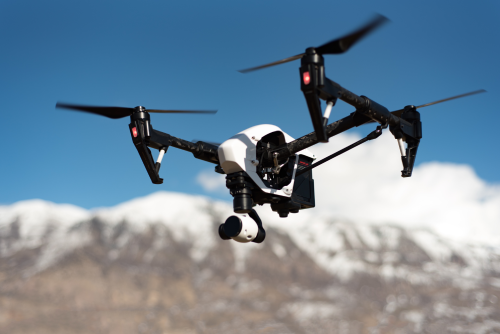
The best spraying drones for farming are not always the biggest machines in the brochure. For Indian farms, the right choice depends on crop type, acreage, battery logistics, local service, and compliance just as much as spray tank size. If you are buying your first agricultural drone, this guide will help you shortlist the right class of machine and avoid expensive mistakes.
Quick Take
- For most Indian buyers, a mid-size spraying drone is the practical sweet spot.
- Small and fragmented farms often do better with a lighter platform that is easier to transport, refill, and maintain.
- Large-capacity drones make sense mainly for custom hiring centres, FPOs, and professional spraying businesses with a proper field crew.
- After-sales support, battery turnaround, spare parts, and training matter more than flashy specs.
- Always verify the latest DGCA, Digital Sky, NPNT, insurance, and pesticide-use requirements before operating commercially.
- Ask for a live demo in your crop, not just an open-field demo.
Why farmers are moving to spraying drones
Spraying drones solve a real problem in Indian agriculture: labour is costly, timely spraying is difficult, and some fields are hard to enter with knapsack sprayers or tractors. In crops like paddy, cotton, soybean, sugarcane, and some orchard settings, drones can help cover fields faster while reducing direct exposure of workers to chemicals.
That said, a spraying drone is not a magic replacement for good agronomy.
You still need:
- the right pesticide or liquid input
- correct dilution and dosage
- suitable weather conditions
- trained operators
- proper calibration
- safe refill and chemical handling practices
A bad drone setup can waste money very quickly. A well-chosen one can become a reliable farm tool or a profitable service business.
What actually makes a spraying drone “best”
For farming, the best spraying drone is the one that gives you predictable field output, safe spraying, and low downtime.
The most important factors are:
- suitability for your crop and field shape
- local repair support
- easy battery swapping and charging
- reliable pumps, nozzles, and flow control
- good terrain following on uneven land
- stable mission planning software
- operator training and compliance support
A big tank alone does not make a drone better.
Best spraying drones for farming by use case
Best class for most Indian farmers: 20 to 25 litre class
If you are a progressive farmer, village entrepreneur, FPO, or local spraying service provider, this is usually the most balanced class. It is large enough to do meaningful work per sortie but still manageable in transport, refill cycles, and battery cost.
Best for:
- medium-size farms
- village-level custom spraying services
- FPOs and cooperatives
- mixed crop operations
- buyers who want a serious commercial tool without jumping to the heaviest setup
Best for small farms, orchards, and fragmented plots: 10 to 12 litre class
A smaller agricultural drone is often the smartest first purchase if your land is split across many small plots, field access is tight, or your team is still learning operations.
Best for:
- small holdings
- fragmented plots
- orchard work where manoeuvrability matters
- training and first-time ownership
- lighter daily workloads
Best for high-output spraying businesses: 30 litre and above
Large spraying drones make sense when you are covering substantial acreage regularly and have the full ecosystem to support them. That means extra batteries, fast charging, transport, a refill workflow, trained helpers, and enough booked work to justify the investment.
Best for:
- large custom hiring operators
- district-level service providers
- big contiguous fields
- FPO or institutional operations with high seasonal demand
Best for uneven terrain and crop variability: smart terrain-following platforms
Terrain following means the drone can maintain a more consistent height above the crop or ground on uneven land. This matters for spray quality and safety.
Best for:
- undulating fields
- orchard edges
- mixed topography
- buyers operating in areas where precise height control matters
Best for year-round utility: spray drones with spreading options
Some agricultural drone systems can also support spreading with a separate kit. That can make the machine useful beyond pesticide spraying, depending on what the manufacturer supports and what is agronomically suitable for your crop plan.
Best for:
- service businesses needing more months of revenue
- FPOs trying to improve utilization
- buyers who want one platform for multiple farm tasks
The spraying drone platforms worth shortlisting in India
Instead of chasing long top-10 lists with uncertain specs, it is better to shortlist a few proven lines and compare them carefully. In India, these are the kinds of platforms most serious buyers usually evaluate.
DJI Agras T25
The Agras T25 is widely seen as a strong mid-size benchmark in agricultural spraying. It is attractive for buyers who want commercial-grade performance without going to the largest platform class.
Why it stands out:
- suitable for serious spraying work without being excessively bulky
- often considered a strong fit for service businesses and progressive farms
- typically associated with mature mission planning and workflow design
What to verify before buying:
- legal and compliant procurement channel
- local service and spare availability in your state
- battery ecosystem and charging support
- training in your actual crop conditions
This kind of platform usually makes the most sense for buyers who need regular field output but still want manageable logistics.
DJI Agras T50
The Agras T50 sits in the heavy-duty category and is aimed more at high-throughput commercial work than casual ownership. If you regularly cover large acreage, this is the kind of platform people look at.
Why it stands out:
- built for higher-output operations
- useful for professional contractors with strong seasonal demand
- can make sense where faster coverage is more important than portability
What to verify before buying:
- actual turnaround time including refill and battery swaps
- crew size required for smooth field operations
- transport needs
- power supply plan for all-day charging
- whether your field sizes really justify this class
For many individual farmers, this class is more machine than they need. For a dedicated spraying business, it can be exactly right.
Garuda Aerospace agricultural drones
Garuda Aerospace is one of the Indian names many buyers consider when they want domestic support, training visibility, and procurement comfort. For some buyers, Indian-made systems are easier to evaluate from a service and support perspective.
Why they are worth a look:
- India-focused ecosystem
- often relevant for institutional and agricultural use cases
- local training and service discussions can be easier than with less established channels
What to verify before buying:
- current certified model you are being offered
- actual tank class and field performance
- local spare stock
- state-wise support presence
- user references near your district
Marut Drones agricultural platforms
Marut Drones is another Indian agri-drone name that often comes up in commercial farming conversations. Buyers usually consider such platforms when local operating conditions, support, and training are a priority.
Why they are worth shortlisting:
- India-specific focus on agricultural operations
- often discussed in the context of farm spraying deployments
- can be attractive for buyers prioritizing local engagement
What to verify before buying:
- service response time
- demo performance in your crop
- calibration support
- nozzle and pump replacement cost
- battery life under real field conditions
Other DGCA-compliant India-made agri drones from established manufacturers
This is an important category. Many buyers will not end up choosing the most famous brand. They will choose the drone whose dealer can prove field performance, training quality, spare availability, and support in their district.
This is often the better choice if:
- you want fast local service
- your state procurement or subsidy route prefers certain suppliers
- you are a custom hiring operator and downtime is costly
- your dealer has strong agronomy and operational support, not just sales talk
The key is simple: buy the ecosystem, not just the airframe.
Which class should you choose?
| Buyer profile | Best drone class | Why it fits | Main caution |
|---|---|---|---|
| Small farmer with fragmented plots | 10 to 12 litre class | Easier transport, lower complexity, better first step | Can feel slow on bigger acreage |
| Progressive farmer with regular spraying needs | 20 to 25 litre class | Best balance of output and manageability | Still needs proper battery and refill planning |
| Village spraying entrepreneur | 20 to 25 litre class | Good commercial utility without extreme logistics | Do not underestimate maintenance and training |
| FPO or cooperative | 20 to 30 litre class | Strong fit for shared use and seasonal demand | Need disciplined scheduling and trained crew |
| Large contractor or custom hiring centre | 30 litre and above | Higher throughput on larger jobs | Higher capital, crew, charging, and transport needs |
| Orchard or uneven terrain operator | Compact or mid-size platform with good terrain following | Better height control and manoeuvrability | Test spray quality in your canopy, not just open land |
Features that matter more than brochure claims
1. Spray quality, not just tank size
The real question is not “How many litres does it carry?” It is “How evenly does it spray, and does it reach the crop properly?”
Ask about:
- nozzle type
- flow control system
- droplet size range
- consistency across the swath
- crop-specific calibration support
A drone that sprays evenly is better than a larger one that wastes chemical.
2. Terrain following
If your drone cannot maintain the right height over uneven land, spray quality suffers and safety risk goes up.
This is especially important in:
- rolling farmland
- orchard blocks
- fields with bunds and slope changes
- taller crops
3. Battery ecosystem
This is where many first-time buyers miscalculate. A drone is only as productive as its battery and charging workflow.
Ask the seller:
- how many batteries are realistically needed for a working day
- how long each battery takes to charge
- what charging system is included
- whether you need a generator or field power backup
- expected battery replacement cycle
A cheap quote for the drone alone can become expensive once batteries and charging gear are added.
4. Pump, plumbing, and nozzle reliability
Agricultural drones live in a harsh environment: dust, moisture, chemical residue, rough transport, and heavy daily use. Pumps, filters, hoses, and nozzles are wear items.
Check:
- ease of cleaning
- spare availability
- replacement intervals
- calibration method
- dealer support during peak season
5. Repairability
For a commercial buyer, downtime hurts more than headline performance.
Ask:
- Are arms, landing gear, pumps, and motors easily available?
- How long do repairs usually take?
- Is there a district or state service point?
- Does the dealer keep common spare parts in stock?
6. Mission planning and ease of use
A good spraying drone should reduce workload, not create confusion. The app or control system should make mapping, route planning, and repeat missions straightforward.
Look for:
- simple field boundary setup
- repeatable mission planning
- clear low-battery and refill prompts
- operator-friendly interface for non-tech users after training
7. Training and agronomy support
The best seller is not always the one with the best machine. It is often the one who teaches your operator how to actually spray correctly.
Good support includes:
- pilot and crew training
- calibration basics
- pre-flight and post-flight checklists
- cleaning and maintenance routines
- crop-specific demo guidance
How to judge a live demo before you buy
Do not buy a spraying drone after only watching a showroom video or a roadside demo.
Use this checklist instead.
1. Ask for a demo in your crop
A paddy field, cotton field, orchard, and vegetable plot behave differently. Demand a real-use demonstration if possible.
2. Measure full-cycle productivity
Do not only watch flight time. Measure:
- setup time
- refill time
- battery swap time
- actual field completion time
- time lost in repositioning and transport
3. Check droplet coverage
If possible, ask the team to use water-sensitive paper or another simple validation method. This helps you judge whether droplets are reaching the target area properly.
4. Watch how the crew works
A good agri-drone operation is a system, not just a pilot.
Observe:
- safe chemical mixing
- PPE use
- battery handling
- disciplined launch and landing
- cleaning after spraying
5. Ask for real user references
Speak to at least two or three users in nearby districts. Ask them about:
- breakdowns
- service delays
- battery life
- seasonal performance
- repair cost after warranty
India-specific safety, legal, and compliance checks
Spraying drones are commercial work platforms, not casual gadgets. Before purchase and operation, verify the latest official requirements.
You should confirm:
- DGCA rules applicable to your drone category and operation
- Digital Sky requirements
- NPNT, which means No Permission, No Takeoff, where applicable
- registration, type certification, or other compliance requirements relevant to the platform
- remote pilot training or certification requirements for the intended use
- insurance expectations for commercial operations
- local permissions or restrictions near sensitive locations
- pesticide label and ministry/state guidance for aerial application
Also remember:
- not every agrochemical should be sprayed by drone in every crop
- dosage, dilution, water volume, and application method must match approved guidance
- drift risk can increase in unsuitable weather
- avoid spraying near habitations, roads, schools, water bodies, livestock areas, and power infrastructure
- always use proper personal protective equipment when mixing and handling chemicals
If you are buying for business use, it is wise to get written clarity from the seller on compliance support, training, and documents.
Common mistakes buyers make
Buying the biggest tank they can afford
This is the classic mistake. Bigger drones need more batteries, stronger charging support, more space, and better crew discipline.
Ignoring service network
A drone that sits idle for two weeks in peak season is worse than a smaller drone with fast support.
Believing brochure acreage claims
Real productivity depends on field shape, refill distance, wind, crop height, dosage, and operator skill. Ask for demonstrated output, not marketing output.
Skipping crop-specific testing
A drone that works well in one crop may not perform the same way in another. Canopy structure matters.
Underbudgeting the total system cost
Your real budget should include:
- batteries
- charger or generator
- PPE
- spare nozzles and filters
- transport setup
- training
- maintenance
- insurance
Treating it like a one-person tool
Most serious spraying operations work better with a trained team: pilot, mixer/refill helper, and support person.
FAQ
What is the best spraying drone size for most farmers in India?
For most buyers, a mid-size 20 to 25 litre class platform is the practical sweet spot. It usually offers the best balance between productivity, transport, battery logistics, and operating complexity.
Is a bigger spraying drone always better?
No. Bigger drones bring higher output, but they also need more batteries, more charging power, better transport, and stronger field discipline. Many farms are better served by a smaller or mid-size platform.
Should an individual farmer buy one, or is it better as a service business tool?
In many cases, spraying drones make the most financial sense as shared assets for FPOs, cooperatives, custom hiring centres, or village-level service providers. Individual ownership works best when acreage, crop value, and usage frequency are high enough.
Are Indian-made spraying drones a better choice than imported ones?
Not automatically. The better choice is the one with reliable local support, compliant procurement, accessible spares, and proven field performance. In India, service and repair often matter more than brand prestige.
Can spraying drones also spread fertilizer or seed?
Some agricultural drone systems support spreading with a separate attachment or kit. You should verify what the manufacturer officially supports, how easy it is to switch, and whether the agronomic use case makes sense for your crops.
Do I need permission or training to operate a farming spray drone in India?
You should verify the latest DGCA, Digital Sky, and operational requirements before flying. Rules can change, and commercial agricultural use needs careful compliance. Do not assume that buying the drone automatically makes you legal to operate it.
Is subsidy available for agricultural drones?
Support schemes and subsidies may be available through central or state channels, but eligibility, approved suppliers, and conditions can change. Always verify the latest position with your state agriculture department or official local agriculture office before making a purchase decision.
How many acres can a spraying drone cover in a day?
There is no universal number. Output depends on crop type, chemical dose, plot size, refill distance, weather, battery turnaround, and crew efficiency. Ask for actual demonstrated field productivity in conditions similar to yours.
What should I ask a dealer before paying advance money?
Ask for:
- a live crop demo
- full system quote, not just drone price
- battery and charger details
- training plan
- spare parts list
- warranty terms
- local service response commitment
- references from nearby users
Which is better for orchards: a compact drone or a large one?
Usually a compact or mid-size drone with good terrain following is easier to manage in orchard environments. But orchard canopy structure varies a lot, so you should test actual spray deposition before deciding.
Final takeaway
For most Indian buyers, the best spraying drone for farming is not the largest model on the market. It is a well-supported, properly trained, legally compliant platform that matches your crop, acreage, and daily workflow. Start by shortlisting a mid-size machine, insist on a real field demo, and only buy from a seller who can prove support, spares, training, and safe operation after the sale.
