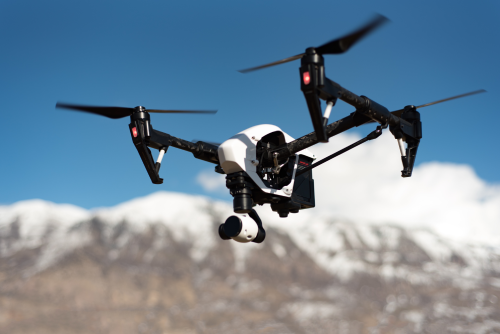
The best professional drones for filmmaking are not always the largest or most expensive. For most buyers in India, the right choice depends on the kind of films you shoot, how often you travel, whether you work solo or with a crew, and how much downtime you can tolerate if something breaks.
This guide looks at the best professional drones for filmmaking by real use case, not just spec sheets. If you are buying for weddings, documentaries, ad films, branded content, music videos, or FPV action work, the trade-offs below matter far more than a headline resolution number.
Quick Take
- If you want the most complete cinema drone for serious commercial work, the DJI Inspire 3 is the benchmark.
- If you need a compact drone that still fits paid filmmaking, the DJI Mavic 3 Pro Cine is the most practical choice for many solo operators and small studios.
- If budget matters but you still want professional-looking aerials, the DJI Mavic 3 Classic remains a strong value pick.
- If your work needs fast, immersive movement, a custom FPV setup or cinewhoop is a separate but extremely useful tool.
- If you need to match a larger cinema camera and fly premium payloads, a heavy-lift platform such as the Freefly Alta X belongs in the conversation.
- In India, do not buy only on camera quality. Verify current DGCA and Digital Sky compliance, battery availability, after-sales support, and where you can legally fly for your actual jobs.
What makes a drone truly professional for filmmaking?
A professional filmmaking drone is not just a drone with a better camera. It is a drone that helps you deliver repeatable, safe, client-ready results.
Here is what separates a professional tool from a casual one:
Image quality that holds up in grading
For filmmaking, you want footage that can be colour graded without breaking apart. That usually means:
- better dynamic range, which helps preserve detail in bright skies and darker shadows
- 10-bit colour or higher, which gives smoother colour transitions
- log profiles, which are flatter-looking recording modes designed for grading
- stronger codecs such as ProRes on supported models, which retain more editing flexibility
If you mostly deliver quick social edits, you may not need the heaviest codecs. But if you shoot ads, branded films, or work that must match ground cameras, they matter.
Reliable gimbal performance
A filmmaking drone must produce stable movement, not just stable hover. Look for:
- smooth pan and tilt control
- predictable braking
- stable horizon
- good wind handling
A drone that looks fine in calm weather can become frustrating on outdoor sets with changing wind.
Lens options and framing flexibility
Professional filmmaking often needs more than one look. A wider lens is useful for scale, while a medium tele lens can compress distance and make movement feel more cinematic.
That is why drones with multiple focal lengths, or interchangeable lenses in the case of higher-end cinema platforms, are much more useful on paid shoots.
Workflow and turnaround
A great camera file is useless if it slows down your whole production. Think about:
- how footage is offloaded
- whether your edit system can handle the codec
- whether the drone records to fast internal storage or regular cards
- how easy it is to match with your main camera
A compact drone that your team can launch in two minutes may earn more money than a larger drone that only shines on special jobs.
Repairability and support
This matters more in India than many first-time buyers expect. Before buying, find out:
- how quickly props, batteries, chargers, and gimbal parts can be sourced
- who handles warranty and paid repairs
- how long turnaround usually takes
- whether spare batteries are easy to buy later
A professional drone is one you can keep working, not one that sits in a case waiting for parts.
Best professional drones for filmmaking
These picks are based on use case, workflow, reliability, and the kind of output filmmakers usually need.
| Drone | Best for | Why it stands out | Main compromise |
|---|---|---|---|
| DJI Inspire 3 | High-end commercials, films, premium production houses | True cinema workflow, full-frame imaging, interchangeable lenses, stronger on-set control | Expensive, larger, needs more planning and often more crew |
| DJI Mavic 3 Pro Cine | Solo filmmakers, travel crews, weddings, branded content | Compact, versatile multi-camera setup, pro recording options on Cine version | Not a substitute for a true cinema drone in difficult light or heavy grading |
| DJI Mavic 3 Classic | Owner-operators who want value | Strong main camera quality, simpler kit, easier budget | Less framing flexibility, fewer premium workflow features |
| Custom FPV rig or cinewhoop | Action, fly-throughs, music videos, dynamic inserts | Unique movement language no gimbal drone can replace | Higher skill, higher risk, separate workflow, often needs dedicated pilot |
| Freefly Alta X or similar heavy-lift platform | Big-budget shoots needing cinema camera payloads | Can carry dedicated cinema cameras for A-cam matching | Complex, costly, and often better rented than owned |
Detailed recommendations
DJI Inspire 3
If your question is, “What is the best professional drone for filmmaking without compromise?” the answer is still the Inspire 3 for most traditional aerial cinema work.
It is built for productions that care about image latitude, lens choice, and on-set control. It fits much better into a serious camera department workflow than a compact foldable drone.
Why filmmakers choose it
- Full-frame imaging gives more cinematic depth and stronger low-light performance than smaller drones.
- Interchangeable lenses let you choose the look instead of being locked into one field of view.
- High-end recording formats are designed for grading and post-production.
- It works far better in structured crew environments, especially when the pilot and camera operator split duties.
Best for
- ad films
- premium hospitality films
- automotive work
- big wedding productions with dedicated crews
- feature and series work needing cleaner A-cam matching
Think twice if
- you shoot mostly solo
- you travel constantly with minimal gear
- most of your deliveries are social media edits with quick turnaround
- your local market cannot support the rental or ownership cost
For many Indian filmmakers, the Inspire 3 makes sense only if premium aerial work is already a regular revenue line. Otherwise, renting it per project is often the smarter move.
DJI Mavic 3 Pro Cine
For a huge number of real-world professionals, this is the sweet spot. The Mavic 3 Pro Cine is compact enough to travel with, fast enough to deploy on run-and-gun shoots, and strong enough in image quality to be used on paid work when handled well.
Its biggest strength is versatility. You get multiple camera perspectives in one compact platform, which reduces lens-swapping style compromises and helps you tell a story with more variety.
Why it works so well
- It folds small, so it fits documentary, travel, wedding, and branded workflows.
- The multi-camera setup makes it easier to get a wider establishing shot and a tighter cinematic frame from the same drone.
- The Cine version adds more edit-friendly recording options for teams that colour grade seriously.
- It is far easier to live with than a full cinema drone.
Best for
- wedding filmmakers
- solo and two-person production teams
- travel documentaries
- YouTube creators producing premium content
- agencies shooting branded content with lean crews
Main limitations
- It does not offer the same image headroom as a true cinema platform in demanding scenes.
- Fixed built-in cameras are convenient, but still less flexible than interchangeable lenses.
- If your main set camera is a high-end cinema body and the grade is aggressive, matching can take more care.
For many readers, this is the best balance of professional output, portability, and operating simplicity.
DJI Mavic 3 Classic
Not every professional buyer needs a Cine badge, multiple cameras, or the most advanced post workflow. If you are a working filmmaker who wants reliable aerials without stretching the budget too far, the Mavic 3 Classic remains a very sensible choice.
It gives you the strong main-camera look of the Mavic 3 family in a simpler package. That means fewer distractions and a lower buy-in for owner-operators.
Why it makes sense
- Excellent value for serious creators who care most about the main wide shot
- Simpler system means less complexity on small shoots
- Strong option for wedding, documentary, hospitality, and corporate filmmakers
Best for
- creators moving up from beginner drones
- small studios buying their first serious drone
- professionals who mostly need one dependable aerial look
Where it falls short
- no multi-camera flexibility
- fewer premium workflow advantages than Cine models
- less future-proof if you know you will soon need higher-end codecs or more varied framing
If your paid work is growing but not yet at cinema-drone level, this can be the smartest buy.
Custom FPV rig or cinewhoop
A professional filmmaking toolkit is incomplete if you ignore FPV. Standard camera drones are great for smooth gliding motion. FPV drones are great for immersive speed, low-altitude movement, tight spaces, and dramatic one-take shots.
They are not replacements for gimbal drones. They are a different language of motion.
Why professionals use FPV
- It creates shots that look impossible with a traditional drone.
- It works for fly-throughs, chase scenes, sports, concerts, music videos, and dramatic reveals.
- Cinewhoops, which are smaller FPV drones with prop guards, are especially useful for controlled indoor or close-structure work.
Best for
- action sports
- motorsport visuals
- interior fly-throughs
- music videos
- energy-driven social and ad content
Important reality check
FPV is not the easiest “add-on” purchase. It demands:
- much higher piloting skill
- more maintenance and tuning
- more safety discipline
- often a dedicated FPV pilot, rather than expecting your regular camera operator to casually learn it
If you only occasionally need FPV shots, hiring a specialist is usually better than owning the gear yourself. If you do buy, treat FPV as its own craft, not just another shooting mode.
Freefly Alta X or similar heavy-lift platform
Heavy-lift drones sit at the top end of filmmaking. Their purpose is simple: carry a dedicated cinema camera payload so aerial footage matches the main production camera more closely.
This is the right answer for some high-budget projects, but a very expensive mistake for many others.
Why productions use heavy-lift systems
- They can carry larger cameras and lens combinations.
- They allow tighter A-cam matching on major productions.
- They fit complex, specialist aerial teams and higher-end set protocols.
Best for
- major ad campaigns
- film and OTT productions
- projects with established aerial departments
- shoots where matching the main cinema package is critical
Why most buyers should not start here
- ownership cost is high
- operational complexity is high
- transport, batteries, setup, and crew needs are significant
- the risk of idle equipment is huge if you do not have steady premium work
For most Indian filmmakers, heavy-lift is a rental decision, not a buying decision.
Which drone fits your type of filmmaking?
If you are stuck between two options, start with the kind of jobs you actually shoot most often.
Wedding and event filmmakers
Choose a compact professional drone first.
Best fit: – Mavic 3 Pro Cine – Mavic 3 Classic
Why: – fast setup matters – you often work in changing locations – you need multiple framing options quickly – you usually cannot carry a large drone team everywhere
Documentary and travel creators
Portability and fast deployment matter more than peak cinema specs.
Best fit: – Mavic 3 Pro Cine – Mavic 3 Classic
Why: – travel-friendly kits get used more often – smaller setups are easier to manage in remote locations – solo operators benefit from simpler systems
Branded content and agency work
You need versatility, image quality, and a workflow clients can trust.
Best fit: – Mavic 3 Pro Cine for lean crews – Inspire 3 for premium jobs
Why: – some jobs need speed – some jobs need the best possible image and lens control – client expectations can vary widely from social campaigns to large commercials
Music videos, action, and high-energy edits
You probably need two drone systems, not one.
Best fit: – standard camera drone for clean cinematic movement – FPV rig for dramatic inserts
Why: – these shots serve different storytelling needs – trying to force one drone to do both usually gives average results
Feature films and top-tier commercials
If aerials are a major visual component, a cinema platform or heavy-lift solution is the correct route.
Best fit: – Inspire 3 – heavy-lift rental for specific projects
Why: – you need better on-set control – matching the main camera matters more – the aerial unit is part of a larger production system
The hidden costs most buyers underestimate
The drone body is only part of the bill. A professional kit usually needs much more.
Budget for:
- multiple batteries, because one or two are never enough on real shoots
- a proper charging setup for long production days
- ND filters, which help maintain cinematic shutter settings in bright daylight
- extra propellers
- fast storage media
- a strong case for transport
- a bright display or controller setup you can actually monitor outdoors
- insurance appropriate for commercial work, after verifying current options and conditions
- training time, especially if you are stepping up to a larger or more complex platform
- a backup plan, which could mean a second drone or a rental relationship
A common mistake is spending nearly the entire budget on the drone, then compromising on batteries, filters, and support gear. That almost always hurts the shoot more than buying the next model down.
Safety, legal, and compliance points for India
This is the part many buyers treat as paperwork. It is actually part of the buying decision.
Before purchasing or flying for paid work, verify the latest official guidance from the relevant Indian authorities. Rules, airspace access, model eligibility, and platform requirements can change, and you should not rely only on a seller or social media advice.
What to verify before you buy
- whether the drone model is suitable for legal operation in your intended use case in India
- current Digital Sky and DGCA requirements relevant to your category of drone and operation
- airspace access for the locations where you actually shoot
- firmware or geofencing limitations that may affect your work
- what documentation you should maintain for commercial use
Practical safety points for film crews
- Client permission is not the same as airspace clearance.
- A venue allowing you to shoot does not automatically make the drone flight legal.
- Urban shoots need extra caution because people, wires, traffic, and signal interference change quickly.
- Avoid operating over uninvolved people or in sensitive areas unless you are fully authorised and properly planned.
- Use a spotter when the set is busy or visibility is limited.
- Mark a take-off and landing zone and keep it sterile during flight.
- Brief the crew about emergency procedures before take-off.
- For FPV work, safety planning is even more important because of speed and proximity.
If you shoot professionally, your legal and safety workflow should be as routine as formatting cards or charging batteries.
How to evaluate a drone before you purchase
If possible, do not buy blind. Use this checklist.
-
Check local support – Ask who handles repair. – Ask typical turnaround. – Confirm whether batteries and props are easy to source.
-
Confirm the exact variant – Some models have a Cine version and a standard version. – Make sure the recording features you want are actually included.
-
Test the controller experience – A great drone with a poor monitoring setup becomes frustrating on set. – Check brightness, interface speed, and comfort.
-
Think about your edit workflow – Can your system handle log footage and heavier codecs smoothly? – If not, paying for them may not help you immediately.
-
Consider transport – Will this fit your travel style, vehicle, and shooting pattern? – A drone that is too cumbersome gets left behind.
-
Match it to your client base – Buy for the work you do repeatedly, not the rare dream project.
Common mistakes when buying a filmmaking drone
Buying for specs, not workflow
Many people buy the most impressive camera on paper, then discover it is too big, slow, or expensive to use regularly. A drone that flies often earns more than a drone that only impresses in unboxing videos.
Ignoring batteries and charging
Professional shoots burn through batteries quickly. Without enough charged packs, your expensive drone becomes irrelevant.
Confusing “can shoot paid work” with “ideal for paid work”
Yes, smaller drones can produce beautiful footage. But that does not make them the best primary tool for every client job. Wind handling, reliability, support, and workflow matter.
Underestimating post-production needs
ProRes, log, and high-bitrate files are great, but only if your storage and edit system can handle them properly.
Forgetting local service and spare parts
A cheaper purchase becomes expensive when a simple repair grounds you for weeks.
Trying to make one drone do every job
A standard camera drone and an FPV drone are different tools. If your work spans both styles, plan for a two-drone ecosystem or a trusted rental network.
Treating legal checks as optional
Professional work is not just about getting the shot. It is about getting it safely, lawfully, and repeatably.
FAQ
Is the DJI Inspire 3 worth it for most filmmakers?
Only if aerial cinema is a major part of your paid work and your clients will pay for that level of output. For occasional premium jobs, renting usually makes more sense than buying.
Is the Mavic 3 Pro Cine good enough for commercial filmmaking?
Yes, for a lot of real-world work. It is strong enough for weddings, branded content, travel films, hospitality, and many agency jobs, especially with careful shooting and grading.
Do I really need ProRes or RAW for drone filmmaking?
Not always. If you deliver fast-turnaround edits, standard high-quality 10-bit files may be enough. ProRes or RAW becomes more valuable when you grade heavily, match multiple cameras, or work in higher-end post pipelines.
Are FPV drones better than regular camera drones for filmmaking?
No. They are better for specific shot types. FPV is ideal for speed, fly-throughs, and immersive movement. Regular gimbal drones are better for stable cinematic glides and more traditional aerial framing.
How many batteries should a professional kit include?
Enough to complete your normal shooting block without stress. For many professional users, that means several batteries rather than just one or two. The exact number depends on your shoot length, travel plan, and access to charging.
Should I buy a heavy-lift drone or rent one?
Most filmmakers should rent. Heavy-lift ownership makes sense only when you have steady, high-budget demand and a team that can operate and maintain the system properly.
Can one drone cover weddings, documentaries, and brand films?
Yes, a compact professional drone like the Mavic 3 Pro Cine can cover a lot of ground. But if your work later expands into premium commercials or FPV-heavy projects, you will likely add a second platform or rent for those jobs.
What should Indian buyers verify before purchase?
Verify the latest DGCA and Digital Sky requirements, local airspace practicality for your real shooting locations, model suitability for your intended use, warranty support, battery availability, and spare-part supply.
Is buying used a good idea for a professional drone?
It can be, but inspect carefully. Check battery health, gimbal condition, arm play, controller condition, charging accessories, and repair history. For a work tool, a clean support path can matter more than getting the lowest price.
Final takeaway
If you want the safest all-round recommendation, choose the DJI Mavic 3 Pro Cine for compact professional work or the DJI Inspire 3 for true cinema-level production. If you are still building your business, buy the drone that matches your most common jobs, then verify current India compliance, local support, batteries, and workflow costs before you spend on the airframe.
