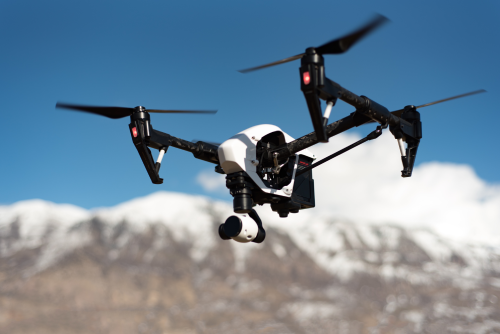
For most people, the best mini drones for beginners are not the absolute cheapest ones. They are the small, stable, sub-250g drones that are easy to control, have GPS for steady hovering, and come from brands with batteries, propellers, and support you can actually find in India.
If you are buying your first drone today, think less about flashy spec sheets and more about learning confidence. A beginner-friendly mini drone should make takeoff, hovering, returning home, and basic filming feel predictable.
Quick Take
- For most beginners, a sub-250g GPS camera drone is the sweet spot.
- The safest all-round choice is usually a simple foldable mini drone with return-to-home and a stabilized camera.
- If you want the best balance of ease, camera quality, and long-term usefulness, the DJI Mini 3 class is hard to beat.
- If you want more safety features and are willing to pay more, the DJI Mini 4 Pro class is a strong premium option.
- If you mostly want casual selfies, short social clips, and ultra-simple flying, the DJI Neo class makes more sense than a full camera drone.
- If your budget is tight, a budget mini camera drone is better than a no-name “4K” drone with poor stability.
- In India, always verify the latest DGCA and Digital Sky rules, seller claims, and local airspace restrictions before flying outdoors.
What counts as a mini drone?
“Mini drone” can mean very different things. For beginners, it helps to split the category into four types.
1. Indoor toy mini drones
These are tiny, light quadcopters mainly meant for fun inside a room or hall.
Best for: – Kids with supervision – Absolute first-time pilots – Learning orientation and throttle control
Limits: – Weak outdoors – Poor cameras – Short battery life – Usually no GPS, so they drift more
2. Selfie or follow-style mini drones
These are small drones designed for simple video clips, travel content, and quick social media shots.
Best for: – Vloggers – Solo creators – Travelers who want a tiny drone without much setup
Limits: – Usually less capable in wind – Not ideal for cinematic landscape shots – Simpler flying modes, but less room to grow
3. Foldable sub-250g camera drones
This is the best category for most beginners. These are compact drones with GPS, decent stabilization, and enough flight intelligence to make learning much easier.
Best for: – First-time buyers – Students and hobbyists – Travel creators – People who want “one drone that does most things well”
Limits: – Cost more than toy drones – Need more careful legal and airspace checks – Repairs and batteries matter more
4. Tiny FPV drones
FPV means first-person view. These are more about immersive, sporty flying than easy camera shots.
Best for: – People specifically interested in racing or freestyle – Pilots who enjoy manual skill-building
Limits: – Steeper learning curve – More crashes while learning – Usually not the best first drone for the average buyer
Best mini drones for beginners: practical shortlist
Model availability changes quickly in India, so treat these as the most useful beginner-friendly classes and examples, not the only valid choices.
| Pick | Best for | Why beginners like it | Watch-outs |
|---|---|---|---|
| DJI Mini 3 | Best overall for most beginners | Easy to grow into, stable, good camera, very portable | Costs more than entry-level options |
| DJI Mini 4 Pro | Best premium beginner choice | Better safety features, more polished flying experience | Premium price can be overkill for casual users |
| DJI Neo | Best for simple social content | Extremely easy, compact, low-friction flying | Not a replacement for a true camera drone in wind or serious travel shooting |
| DJI Mini 4K / Mini 2 SE class | Best budget camera-drone route | Solid basics, beginner-friendly controls, usually enough for learning | Fewer advanced safety features |
| Potensic Atom class | Best non-DJI alternative if support is available | Compact, GPS-based, simple outdoor learning platform | Check Indian after-sales support before buying |
| Small ducted indoor mini drone | Best first-week practice tool | Safer indoors, cheaper crashes, easy fun | Not a serious camera drone |
The top beginner picks, explained
DJI Mini 3: best overall for most first-time buyers
If you want one recommendation that makes sense for the widest range of beginners, this is it.
Why it works: – Small and easy to carry – Stable enough to build confidence – Good enough camera for travel, family, and content creation – More forgiving than a toy drone – Useful even after you stop being a beginner
It suits: – Students who want a “real” drone – Hobbyists who want to learn properly – Travelers who want something compact – Creators who want decent-looking footage without buying a larger drone
Why it beats cheaper options: – Better hover stability – Better image stabilization – Better app and flight experience – Better chance of finding accessories, tutorials, and resale demand
If you can afford this class comfortably, it is usually the smartest starting point.
DJI Mini 4 Pro: best premium beginner mini drone
This is the “buy once, cry once” option for someone who wants fewer compromises.
Why beginners like it: – More advanced sensing and smarter flying assistance – Better confidence when learning camera movement – Strong choice if you know you will use the drone often
Who should buy it: – Buyers who want a premium first drone – Travelers and creators who value safety aids – Users who expect to keep the drone for years
Who should skip it: – Anyone still unsure how often they will fly – Buyers who are stretching their budget too far – People who would rather spend the difference on batteries, training, and accessories
A premium drone does not automatically make you a better pilot. It just gives you a more refined starting platform.
DJI Neo: best beginner mini drone for simple content and quick clips
This is a different kind of beginner pick. It is less about classic drone piloting and more about making aerial-style content easy.
Why it stands out: – Very low setup friction – Easy for selfies, walking shots, quick reels, and casual use – Less intimidating for first-time users
Best for: – Creators who mainly post short-form video – Solo travelers – People who want fun, quick shots rather than a full drone hobby
Not ideal for: – Windy areas – People who want long scenic flights – Buyers expecting the same result as a true Mini-series camera drone
If your real goal is convenience, not traditional piloting, this class can be smarter than buying a more serious drone you barely use.
DJI Mini 4K or Mini 2 SE class: best budget camera-drone path
This is where many beginners should start if they want a proper outdoor camera drone without paying premium money.
Why it works: – You still get the core beginner features that matter – The learning experience is much closer to a serious drone than to a toy – It usually offers much better value than random marketplace brands claiming huge specs
Good for: – Budget-conscious first-time buyers – Students – Casual hobbyists – Anyone who wants to learn without overspending
What you give up: – Fewer premium safety aids – Older or simpler feature set – Less headroom if you become an advanced creator
Still, for many buyers, this class is enough.
Potensic Atom class: best alternative if you want to avoid DJI
Some buyers want an alternative brand, either for budget reasons or because they prefer trying something different.
Why it can make sense: – Similar compact beginner-friendly idea – GPS-based outdoor flying – Foldable design in the same “take anywhere” category
The catch in India: – Service and spare-part availability matter a lot – Before buying, confirm battery availability, warranty process, and app support
A non-DJI drone is only a bargain if you can actually maintain it.
Small indoor mini drone: best for practice, not for serious filming
If you are nervous about flying, a small indoor ducted drone with propeller guards can be a very good training tool.
What it teaches: – Basic stick control – Orientation – Throttle discipline – Confidence after small bumps and crashes
What it cannot replace: – GPS hover – Outdoor wind performance – Stable landscape footage – Real camera-drone skills like planning a shot in open air
This is best as a training toy or gift, not as your only drone if your goal is outdoor aerial video.
Which type should you buy?
If you are a student or hobbyist
Buy a budget or mid-range sub-250g GPS drone from a brand with known support. Do not start with the cheapest toy if your real goal is photography or travel.
If you are a creator or vlogger
Choose between two routes: – DJI Neo class if you want speed and simplicity – DJI Mini 3 or better if you want more polished footage and room to improve
If you travel often
Go for a foldable sub-250g drone. Portability matters more than headline camera numbers.
If you are buying for a child
A supervised indoor mini drone is safer than a camera drone. Make sure it has propeller guards and easy-to-find spare props.
If you want to learn FPV later
Start with a stable GPS mini drone or a small indoor trainer first. A tiny FPV whoop can be fun, but it is usually not the easiest first purchase for the average beginner.
Features that matter more than box marketing
Many first-time buyers get distracted by “8K,” “50 minutes,” or “professional cinema” claims. Ignore most of that. These are the features that actually matter.
GPS positioning
This helps the drone hold its place more steadily outdoors. For beginners, this is one of the biggest confidence boosters.
Return-to-home
This is the function that tells the drone to come back automatically or semi-automatically. It is not magic, but it is a major safety feature for new pilots.
Camera stabilization
A gimbal is a motorized stabilizer that keeps footage smooth. A properly stabilized 2.7K or 4K video feed is usually more useful than a shaky “higher resolution” claim.
Wind handling
Mini drones are light. Some handle wind much better than others. If you live in a coastal area, on a terrace, or in open farmland, this matters a lot.
Spare batteries and propellers
A drone is only as usable as its battery ecosystem. One battery often feels too limiting. Before buying, check: – Battery price – Charger availability – Spare propeller availability – Genuine vs third-party parts
App quality and controller quality
A strong beginner drone should make settings, updates, and flight status easy to understand. Bad apps and weak controllers ruin the experience quickly.
After-sales support
This matters more in India than many buyers expect. A good drone with no service path can turn into an expensive paperweight after one minor crash.
India-specific checks before buying or flying
This part matters. Mini does not mean law-free.
Drone rules in India can change, and the details can depend on weight class, use case, location, and whether the drone aligns with current compliance expectations. Before you buy or fly outdoors, verify the latest official guidance from DGCA and the Digital Sky system.
Keep these checks in mind
- Confirm the drone’s weight class
- Verify what the current rules say for recreational and commercial use
- Do not assume under 250g means you can fly anywhere
- Check local airspace and no-fly restrictions before every outdoor flight
- Stay away from airports, military areas, government-sensitive locations, and crowded public spaces
- Respect privacy and get permission when flying over private property
- If a seller casually says “no registration, no permission, fly anywhere,” treat that as a warning sign
About NPNT and compliance
NPNT means “No Permission, No Takeoff.” It is part of India’s compliance framework around certain drone operations. Buyers often hear half-true claims about it.
The safe approach is simple: – Ask the seller how the drone fits current Indian requirements – Verify that independently before purchase – Do not rely on verbal assurances alone
For small businesses and professionals
If you want to use a mini drone for client work, property shoots, inspections, or branded content, do an extra layer of due diligence. Commercial use can raise additional compliance, insurance, and client-expectation issues.
How to start safely with your first mini drone
Once you buy the drone, do not rush to a crowded park and try cinematic shots on day one.
A simple beginner plan
- Charge all batteries fully.
- Update firmware and the app before your first real flight.
- Read the quick-start guide, especially return-to-home and emergency stop behavior.
- Pick a large open area with low wind and no crowd.
- Start with basic hover practice at low height.
- Practice slow forward, backward, left, right, and square patterns.
- Learn how the drone behaves when you turn it toward yourself.
- Test return-to-home only in a safe open space.
- Review footage and battery warnings after the flight.
- Increase distance and complexity gradually.
Important beginner note
A lot of GPS camera drones are actually easier outdoors in open space than indoors. Indoors, the signal and positioning behavior can be different, and the room feels much smaller than it looks. Use indoor space mainly for tiny toy drones unless your model is specifically suitable for it.
Common mistakes beginners make
Buying the cheapest “4K drone” from an unknown brand
A bad drone teaches bad habits. Weak motors, drifting, poor app quality, and fake camera claims waste money.
Ignoring support and spare parts
Always ask: – Can I get batteries later? – Are spare props easy to find? – Is there a repair path in India?
Spending the whole budget on the drone body
Leave room for: – At least one extra battery – A memory card if required – Spare propellers – A proper case or bag
Flying in wind on the first day
Mini drones can get pushed around more than beginners expect. Calm weather makes learning much easier.
Trusting obstacle sensors too much
If your drone has them, treat them as assistance, not a guarantee. They do not replace judgment.
Taking off from dusty ground, sand, or uneven surfaces
Use a clean flat spot or a landing pad. Dust and small stones are harder on motors and props than most beginners realize.
Chasing range before learning control
Long-distance flying is not a beginner milestone. Stable, close-range control is.
FAQ
Should a beginner start with a toy drone or a camera drone?
If your real goal is outdoor aerial photos or video, start with a proper GPS camera drone. If you only want cheap practice indoors, start with a toy drone.
Is under 250g the best size for beginners?
For most people, yes. It is easier to carry, usually simpler to manage, and often the most sensible balance of capability and convenience. But you still need to check current Indian rules before flying.
Do I need a license for a beginner mini drone in India?
Requirements can depend on the drone’s weight, where you fly, and how you use it. Do not guess. Verify the latest DGCA and Digital Sky guidance for your exact situation before purchase and before outdoor flights.
Is obstacle avoidance necessary for a first drone?
Helpful, yes. Essential, no. Many beginners do perfectly well with a stable drone that has GPS and return-to-home but no advanced obstacle sensing.
Can I fly a mini drone indoors?
Tiny toy drones, yes. GPS camera drones are usually better learned outdoors in a safe open area unless the manufacturer clearly supports indoor use and you understand the limitations.
How many batteries should a beginner buy?
At least two total is a practical minimum. One battery often makes practice too short and frustrating.
Is DJI worth the premium for beginners?
Usually yes, if the seller is reputable and the after-sales path is clear. DJI often offers the easiest overall beginner experience, but only if local support, batteries, and warranty handling are realistic.
Can I use a mini drone for professional work?
Yes, for some simple shoots and social content, but client work raises the bar for reliability, legal compliance, safety, and insurance. Verify the current rules and do not assume casual flying standards are enough.
What if my area is usually windy?
Choose the more stable mini camera-drone class, avoid the ultra-light selfie-first category, and fly in calmer morning conditions when possible.
Final takeaway
If you want the safest single answer, buy a sub-250g GPS mini drone from a brand with real parts and support, ideally in the DJI Mini 3 class or the closest current equivalent you can buy confidently in India. If your priority is quick, casual social content, the DJI Neo class is easier and more fun than a traditional camera drone. Before you check out, verify Indian compliance, seller credibility, and battery support first, because those three factors matter more than flashy specs.
