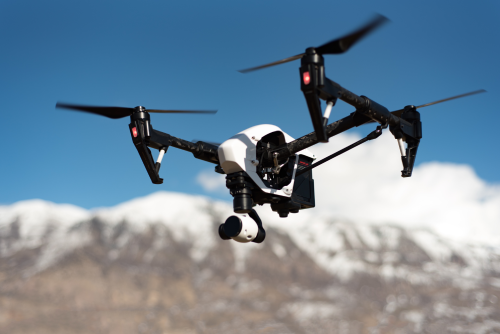
The best FPV racing drones for beginners are usually the ones that survive crashes, use easy-to-find spares, and do not overwhelm you on day one. For most Indian buyers, that means starting with a tiny whoop or a beginner kit, not a full-size 5-inch race quad. If you pick the right class first, you will learn faster, spend less on repairs, and enjoy FPV sooner.
Quick Take
- If you are starting from zero, the safest first choice is an all-in-one kit like the BETAFPV Cetus X FPV Kit or EMAX Tinyhawk III Kit.
- If you already plan to buy your own radio and goggles separately, a tiny whoop like the Happymodel Mobula6, Mobula7, or BETAFPV Meteor75 series is usually the smartest training platform.
- For most beginners, analog FPV is still the better value than digital because it is cheaper, lighter, and easier to maintain.
- If possible, choose a drone or receiver with ELRS (ExpressLRS), a popular radio link with broad support.
- In India, spare parts and batteries matter as much as the drone itself. A good drone with no local props, motors, or frames becomes a headache quickly.
- Do not jump straight to a 5-inch open-prop quad unless you already have simulator time and micro-quad experience.
- Before flying outdoors, verify the latest DGCA and Digital Sky guidance, use a visual observer when flying FPV, and stay well clear of people, roads, airports, and sensitive areas.
What makes an FPV racing drone beginner-friendly?
A beginner FPV drone is not the same thing as a beginner camera drone.
FPV means first-person view: you fly while seeing a live video feed through goggles or a screen. Racing-style FPV drones are built for fast response, sharp turns, and manual control. Most do not hover in place like a GPS camera drone, and many are flown in Acro mode, which means the drone self-balances less and your stick inputs matter more.
For a beginner, the best FPV racing drone usually has these qualities:
- High crash tolerance: you will hit gates, walls, grass, and sometimes the ground.
- Low repair cost: props, frames, and motors should be easy to replace.
- Predictable handling: not too twitchy, not too heavy, not too powerful.
- Common parts ecosystem: batteries, props, and spares should be available in India without long waits.
- Simple setup: fewer compatibility issues between radio, receiver, charger, and goggles.
- Safe practice options: indoor use or low-risk private spaces are a big advantage.
That is why the best FPV racing drones for beginners are usually tiny whoops first. A whoop is a small quad with ducted propellers. It is slower, safer, and much more forgiving than a full-size open-prop racer.
Best FPV racing drones for beginners
A quick note before the list: FPV models change quickly, and Indian store availability can vary a lot. The picks below are proven model families and classes that make sense for beginners. If one exact version is out of stock, buy the same class with good local spare-part support rather than chasing a name only.
| Drone / model family | Best for | Type | Why it works for beginners | Main caution |
|---|---|---|---|---|
| BETAFPV Cetus X FPV Kit | Absolute beginners with no gear | Ready-to-fly whoop kit | Simple path into FPV, compact, crash-friendly | Starter goggles and radio may feel limiting later |
| EMAX Tinyhawk III Kit | Beginners who want a proven all-in-one option | Ready-to-fly micro kit | Durable, well-known training platform, easy to recommend | Still a starter ecosystem, not endgame gear |
| Happymodel Mobula6 | Indoor practice and precision flying | 65mm tiny whoop | Great for learning control in tight spaces | Weak outdoors in wind |
| Happymodel Mobula7 | One micro for indoor and calm outdoor use | 75mm whoop | Faster and more versatile than a 65mm whoop | Livelier indoors, needs more room |
| BETAFPV Meteor75 series | Beginner whoop buyers who want a clean ecosystem | 75mm whoop | Friendly handling, solid parts support, good daily trainer | Must match batteries and receiver version carefully |
| EMAX Tinyhawk Freestyle series | First open-prop outdoor trainer | Small freestyle/race-style quad | More direct feel, good bridge from whoops to bigger quads | Open props increase risk and repair frequency |
| GEPRC Smart35 | Serious step-up after simulator and whoop time | 3.5-inch open-prop quad | Strong balance of performance and manageability | Not suitable for tight urban flying |
| iFlight Nazgul 5-inch series | First full-size quad after proper practice | 5-inch bind-and-fly quad | Powerful, common, widely supported family | Too much for most first-time pilots |
The top picks explained
BETAFPV Cetus X FPV Kit
If you want the simplest possible start, the Cetus X kit is one of the easiest recommendations.
It is built for the person who has no radio, no goggles, and no FPV setup knowledge yet. You get a working package, a compact drone, and a lower-stress entry into the hobby. That matters because beginner FPV is often less about peak performance and more about getting into the air without compatibility problems.
Best for: – First-time FPV buyers – Students and hobbyists who want one-box convenience – People who want to learn indoors and in calm outdoor spaces
Why it stands out: – Easier starting point than buying everything separately – Crash-friendly compared with larger drones – Good way to learn basic stick control before spending more
Keep in mind: – Starter-kit radios and goggles are usually okay, not amazing – If you stay in FPV long term, you may upgrade the included gear – Check local battery and spare-part availability before buying
EMAX Tinyhawk III Kit
The Tinyhawk line has been a safe beginner recommendation for years for one simple reason: it helps people actually learn.
The Tinyhawk III kit is especially useful for beginners who want a durable trainer with lots of community familiarity behind it. When you crash, there is a good chance someone else has already solved the same issue online or in local FPV groups.
Best for: – Buyers who want a proven trainer – Beginners who value durability and easy learning – Anyone who wants a strong all-in-one alternative to the Cetus line
Why it stands out: – Very approachable handling – Good reputation as a starter platform – Well suited to repeated practice sessions
Keep in mind: – Like most kits, it trades upgrade freedom for convenience – Confirm battery type, spare props, and frame parts in India – Great for learning, but not the last FPV setup you will ever need
Happymodel Mobula6
If your real-world practice space is a room, hall, garage, small terrace, or indoor club area, the Mobula6 makes a lot of sense.
This is one of the classic tiny whoops for learning precision. Because it is so small and light, it teaches clean control instead of brute-force recovery. That makes it an excellent race trainer.
Best for: – Indoor flying – Tight spaces – Beginners who want to build precision early
Why it stands out: – Safer and less intimidating than bigger quads – Cheap crashes compared with larger FPV builds – Great for throttle control and line discipline
Keep in mind: – Wind affects it a lot – Flight times on tiny batteries are short – You usually need to buy radio and goggles separately
For hostel living, apartment practice, or rainy-day sessions, this is one of the smartest FPV buys you can make.
Happymodel Mobula7
If the Mobula6 is the precision indoor scalpel, the Mobula7 is the more versatile everyday micro.
It still feels like a whoop, but it gives you a bit more speed, authority, and outdoor usefulness in calm weather. For many beginners, it is the sweet spot between “safe enough to learn” and “fast enough to stay exciting.”
Best for: – Beginners who want one micro for mixed use – Indoor practice with a little more room – Calm outdoor flying on private land or safe open spaces
Why it stands out: – More capable outdoors than a 65mm whoop – Still much easier to live with than a 3.5-inch or 5-inch quad – Good stepping stone toward race-style flying
Keep in mind: – It can feel a bit busy in small rooms – Choose your receiver protocol carefully – Spare parts and batteries should guide the final purchase
BETAFPV Meteor75 series
The Meteor75 series is another strong beginner-friendly whoop family, especially if you prefer a polished ecosystem and want a dependable micro for regular practice.
In feel, many beginners find this class easier to live with than ultra-tiny whoops, while still being far less risky than open-prop quads. It is a practical choice if your goal is steady skill-building rather than chasing speed immediately.
Best for: – Beginners who want a friendly daily trainer – Buyers who prioritize parts ecosystem and easy upkeep – Pilots choosing a whoop as their main learning platform
Why it stands out: – Good beginner balance of control and fun – Widely respected in the whoop world – Strong option if you want to focus on repetition and consistency
Keep in mind: – Version differences matter – Make sure the battery connector and receiver match your setup – Buy from a seller that also stocks frames, props, and motors
If you are choosing between a Mobula7 and a Meteor75-class whoop, the answer is often simple: buy the one with better local parts support and a receiver that matches your radio.
EMAX Tinyhawk Freestyle series
This is where many pilots first feel the jump from “safe trainer” to “real outdoor FPV.”
The Tinyhawk Freestyle series gives you a more direct, open-prop flying experience than a whoop. It teaches faster throttle management, wider lines, and a more realistic transition toward race-style outdoor flying without immediately jumping to a heavy full-size quad.
Best for: – Beginners who already have simulator time – Pilots moving up from whoops – Safe open outdoor areas with permission
Why it stands out: – More exciting and capable than a ducted whoop – Teaches the habits you need before larger quads – Usually cheaper to learn on than a 5-inch setup
Keep in mind: – Open props increase the injury and damage risk – Not suitable for crowded neighborhoods or casual terrace flying – You will notice wind, noise, and crash impact more than with a whoop
GEPRC Smart35
For many pilots, the 3.5-inch class is the smartest “serious step-up” size.
The Smart35 is popular because it gives you strong outdoor performance without feeling as wild or expensive as a full-size 5-inch. It is still not a toy, but it is a more manageable next move for beginners who have done simulator work and already understand how micro quads behave.
Best for: – Beginners who are past the first stage – Open-field flying – Pilots who want more speed without jumping straight to 5-inch
Why it stands out: – Excellent balance between control, speed, and practicality – Less intimidating than a 5-inch – Good platform for learning bigger-quad habits
Keep in mind: – Not your first quad if you have never flown FPV – Needs a proper safe flying location – Repairs and battery costs rise compared with whoops
iFlight Nazgul 5-inch series
The Nazgul family is widely known and widely bought for good reason. But it belongs here with one big warning: this is a second-stage beginner option, not a day-one option.
If you already have solid simulator hours, understand Acro basics, and have flown smaller quads, a Nazgul-class 5-inch can be a great first full-size platform. If you do not, it will be expensive, stressful, and unnecessarily risky.
Best for: – Pilots graduating from micros or 3.5-inch quads – Club flying and large open areas – Buyers ready for full-size performance
Why it stands out: – Mature model family with broad awareness – Strong performance and wide parts support – Good entry point into serious outdoor FPV
Keep in mind: – Not ideal for dense Indian urban environments – Louder, more dangerous, and costlier to crash – Requires more discipline in site selection and safety
Which beginner FPV drone should you actually buy?
If you want the short answer, use this:
- I have nothing yet and want the easiest start: BETAFPV Cetus X Kit or EMAX Tinyhawk III Kit
- I live in a flat, hostel, or have very limited safe space: Happymodel Mobula6
- I want one small drone for learning indoors and outdoors: Happymodel Mobula7 or BETAFPV Meteor75 series
- I already have simulator time and want an outdoor trainer: EMAX Tinyhawk Freestyle series
- I am ready for a serious next step, not a first step: GEPRC Smart35
- I already know FPV basics and want a full-size quad: iFlight Nazgul 5-inch series
For most readers, the best answer is still this: start smaller than your ego wants.
What to check before buying in India
A beginner FPV setup fails most often because of ecosystem mismatch, not because the drone itself is bad.
1. Radio protocol
If you are buying separate gear, ELRS is usually the safest default today. It is widely supported and makes future upgrades easier.
If you are buying a ready-to-fly kit, the included radio is fine for learning, but it may not be the one you keep long term.
2. Analog vs digital
For beginner racing FPV, analog still makes a lot of sense.
Why?
- Lower total cost
- Lighter drones, especially in the micro classes
- Cheaper crashes
- Good enough image quality for learning and racing practice
Digital video can look much better, but it usually increases cost and can make more sense later, once you know you are committed.
3. Batteries and charger support
Do not buy a drone first and then realize batteries are hard to source.
Check: – Battery size and connector type – Charger compatibility – Whether your seller stocks extra packs – Whether the charger works smoothly with Indian mains power
4. Spare parts
At minimum, look for local access to: – Props – Frames – Motors – Canopies – Batteries
If a drone has no spares, it is not beginner-friendly.
5. Repairability
A little FPV repair is normal. For that reason, beginners should favor drones with: – Common parts – Good disassembly access – Clear community support – No weird proprietary locks where possible
Safety and legal basics for FPV flying in India
FPV is fun, but it needs maturity.
Rules, interpretations, and operational requirements can change, so always verify the latest official guidance from DGCA and Digital Sky before flying outdoors. Do not rely on old forum posts or social media claims.
A few practical basics:
- Use a visual observer when flying FPV. When you wear goggles, you may not have direct visual awareness of the drone.
- Stay far away from airports, heliports, military areas, strategic sites, and other sensitive zones.
- Do not fly over people, roads, traffic, or private property without permission.
- Start on private property with permission or in clearly suitable low-risk areas.
- Do not assume a tiny drone means zero responsibility. Small drones can still injure people, damage property, or create privacy issues.
- Handle LiPo batteries carefully. Charge with the right charger, monitor the process, and stop using damaged or puffed packs.
- Remove props when doing bench setup or software work. This is one of the most important FPV safety habits.
If you are unsure whether a location or operation is allowed, do not guess. Verify first.
Common mistakes beginners make
Buying a 5-inch first
This is the classic mistake. A 5-inch looks exciting, but it is louder, faster, riskier, and more expensive to crash. A whoop teaches better habits at a much lower cost.
Choosing mismatched gear
Drone, receiver, radio, goggles, batteries, charger: they all need to fit together. Many beginners buy pieces one by one and end up with a compatibility mess.
Ignoring spare parts
A durable drone still crashes. If props and frames are hard to find in India, the “good deal” was not actually a good deal.
Skipping the simulator
Even 10 to 20 hours in a simulator can save real money. It teaches throttle control, recovery, and orientation without repair bills.
Flying in wind too early
Tiny whoops feel brilliant in calm air and awful in gusty conditions. A bad weather day can make a good beginner drone feel impossible.
Learning only in self-level modes
Angle or stabilized modes can help on day one, but if your goal is racing, you eventually need to spend time in Acro mode. The simulator is the best place to start that transition.
Bench testing with props on
This one can hurt you badly. If you are plugging into software, changing settings, or troubleshooting, remove the props first.
FAQ
What is the best first FPV racing drone if I own no gear?
For pure convenience, an all-in-one kit like the BETAFPV Cetus X or EMAX Tinyhawk III is the easiest starting point.
Should I buy a kit or separate radio and goggles?
Buy a kit if you want the fastest, least confusing start. Buy separate gear if you already know you want to stay in FPV and prefer a better long-term upgrade path.
Is analog FPV still worth it for beginners in 2026?
Yes. For beginner racing and micro quads, analog is still a practical choice because it keeps total cost, weight, and crash expenses lower.
Should I choose ELRS?
If you are buying separate FPV gear, ELRS is usually the most sensible default because of its broad support and upgrade flexibility.
Can I learn FPV indoors?
Yes, but mainly with tiny whoops like the Mobula6, Mobula7, or Meteor75-class drones. Clear the area, keep people and pets away, and start gently.
How many batteries should I buy?
Enough to make a session useful. In practice, most beginners are happier with at least a small set of extra batteries rather than just one or two packs.
Do I need a license or permission to fly a beginner FPV drone in India?
Requirements can vary by drone class, location, and purpose, and rules can change. Verify the latest DGCA and Digital Sky guidance before flying outdoors, especially if you are unsure about the location or type of operation.
Is a DJI-style camera drone good for FPV racing?
No. Camera drones are built for stable aerial imaging, not low-latency manual racing. FPV racing needs a very different kind of aircraft and control style.
Should I build my first FPV racer or buy prebuilt?
Most beginners should buy prebuilt first. Building is rewarding, but it adds soldering, tuning, and troubleshooting before you even learn to fly.
Final takeaway
If you are new to FPV, the best FPV racing drone for beginners is usually a tiny whoop or starter kit, not the fastest quad you can afford. Buy a simulator, pick a small durable platform with easy spare parts in India, and move up only after you can fly consistently. If you start small and verify the latest safety and legal requirements before flying outdoors, you will save money, learn faster, and enjoy the hobby far more.
