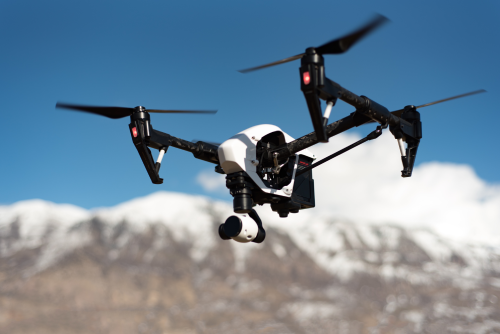
The best drones with obstacle avoidance can reduce the chance of beginner crashes, but only if you choose the right type of sensing system. For most buyers in India, the safest shortlist starts with the DJI Mini 4 Pro for portability, the DJI Air 3 series for more serious content work, and the DJI Mavic 3 Pro for premium shoots. The real buying decision is not just camera quality, but what the sensors can actually see, where they fail, and whether the brand has reliable support where you live.
Quick Take
- Best overall for most people: DJI Mini 4 Pro
- Best value if you find it clearly cheaper: DJI Mini 3 Pro
- Best all-round upgrade for creators and small businesses: DJI Air 3 series
- Best premium camera drone with strong safety tech: DJI Mavic 3 Pro
- Best for survey, inspection, and commercial teams: DJI Mavic 3 Enterprise
A few important truths before you buy:
- Obstacle avoidance is a helper, not a shield. It can brake or route around objects, but it will not make risky flying safe.
- Thin wires, nets, bare branches, reflective glass, and shiny water can confuse sensors.
- Low light is a major weakness. Many drones see obstacles best in good daylight.
- For beginners, full omnidirectional sensing is worth paying for. It matters especially during sideways movement, orbit shots, and tracking.
- In India, after-sales support and spare battery availability matter almost as much as the drone itself.
What obstacle avoidance actually means
Obstacle avoidance usually refers to the drone using cameras, vision sensors, infrared sensors, or similar systems to detect objects and either:
- warn you,
- slow down,
- stop before impact, or
- find a safer route around the object.
That sounds simple, but there are big differences between drones.
Not all obstacle avoidance is equal
Some drones only detect obstacles:
- in front,
- behind,
- below.
Better drones offer omnidirectional sensing, which means they can detect obstacles in multiple directions around the aircraft. That matters when the drone is:
- flying sideways,
- orbiting a subject,
- tracking a person or vehicle,
- backing up during a shot,
- returning home automatically.
Obstacle avoidance usually works in one of three ways
- Warning only: the app warns you, but you still must react.
- Brake mode: the drone slows or stops when it sees something.
- Bypass mode: the drone tries to go around the obstacle.
For beginners, Brake mode is usually the safer choice.
Where it works well
Obstacle sensing is most helpful around:
- trees with clear trunks and branches,
- walls,
- buildings,
- large rocks,
- parked vehicles,
- broad, solid obstacles in daylight.
Where it works poorly
Even very good drones can struggle with:
- power lines,
- thin cables,
- fishing lines,
- wedding tent wires,
- netting,
- small twigs,
- transparent surfaces,
- moving crowds,
- dim indoor spaces,
- dusk and night scenes.
That is why obstacle avoidance should affect your buying decision, but never replace basic flying discipline.
Best drones with obstacle avoidance at a glance
| Drone | Obstacle sensing level | Best for | Main trade-off |
|---|---|---|---|
| DJI Mini 4 Pro | Omnidirectional | Beginners, travellers, solo creators | Small body still has wind and low-light limits |
| DJI Mini 3 Pro | Forward, backward, downward | Value buyers, students, lighter travel use | Not full protection during sideways movement |
| DJI Air 3 series | Omnidirectional | Creators, wedding teams, real estate, advanced hobbyists | Bigger and costlier ecosystem than Mini class |
| DJI Mavic 3 Pro | Omnidirectional | Premium video, agency work, serious professionals | Expensive and overkill for many first-time buyers |
| DJI Mavic 3 Enterprise | Commercial safety-focused platform | Survey, inspection, industrial work | Needs business workflow, planning, and compliance discipline |
Best drones with obstacle avoidance
DJI Mini 4 Pro
If you want one answer to the question “What is the best drone with obstacle avoidance for most buyers?”, this is it.
The Mini 4 Pro is the easiest recommendation because it combines:
- a light, travel-friendly body,
- strong obstacle sensing coverage,
- mature tracking and automation,
- enough image quality for social media, travel films, and client work at the entry-to-mid level.
For Indian buyers, it makes sense for:
- first-time drone owners,
- YouTubers and vloggers,
- students upgrading from toy drones,
- travellers who want to pack light,
- creators shooting short-form content.
Why it stands out:
- Omnidirectional sensing gives you more confidence than older mini drones.
- It is easier to carry on trips, college projects, and casual outings.
- It is far less intimidating than bigger drones.
What to watch out for:
- “Mini” does not mean “windproof.” Beaches, hill stations, and monsoon conditions still demand care.
- Night or low-light obstacle sensing is not something you should trust blindly.
- If you plan to do paid real estate, event, or tourism work regularly, you may outgrow it faster than you expect.
Best for: buyers who want the safest mix of portability, simplicity, and real obstacle avoidance.
DJI Mini 3 Pro
The Mini 3 Pro is still relevant because it gives you real obstacle sensing in a lighter platform, and it can be excellent value if sold meaningfully below the Mini 4 Pro.
It is a smart choice for:
- budget-conscious buyers,
- students,
- casual travel shooters,
- hobbyists moving up from beginner drones.
Why people still buy it:
- It is compact and easy to carry.
- It has better safety features than many cheaper drones.
- It can be a sweet spot if you want a serious camera drone without paying for the latest model.
Its biggest limitation is important: the sensing is not as complete as full omnidirectional systems. That means you need to be more careful when:
- flying sideways,
- performing complex automatic movements,
- using tracking in tight spaces.
This is why the Mini 3 Pro is best treated as a value pick, not the top overall pick.
Best for: buyers who want obstacle avoidance but are willing to accept an older, less complete safety system to save money.
DJI Air 3 series
For many creators, the Air 3 class is where drones start feeling less like a gadget and more like a proper working tool.
Whether you are shooting:
- weddings,
- resort properties,
- travel films,
- real estate exteriors,
- automotive content,
- tourism reels,
the Air 3 series is often the smartest upgrade from Mini-class drones.
Why it earns a top spot:
- Omnidirectional obstacle sensing gives more confidence during tracking and cinematic moves.
- The larger body generally handles wind better than a mini drone.
- The Air line is a strong middle ground between portability and professional capability.
- It suits buyers who need repeatable results, not just occasional fun flights.
In Indian conditions, this matters more than spec-sheet bragging. If you shoot in:
- coastal areas,
- open farmland,
- elevated viewpoints,
- larger wedding venues,
- breezy rooftops,
an Air-class drone can feel much more stable and predictable.
Trade-offs:
- Bigger bag, bigger batteries, bigger total cost.
- More noticeable in public spaces than a mini drone.
- Overkill if you only fly a few times a year.
If your budget allows it and you know you will use the drone often, the Air 3 series is one of the best long-term buys in this category.
Best for: serious hobbyists, creators, and small businesses who want stronger all-round performance than a Mini can offer.
DJI Mavic 3 Pro
The Mavic 3 Pro is not the most sensible first drone, but it is one of the best premium drones with obstacle avoidance if image quality and creative flexibility are top priorities.
This is the kind of drone people buy when they already know why they need it.
Who it suits:
- commercial filmmakers,
- production houses,
- premium travel creators,
- agencies,
- high-end real estate or hospitality teams.
Why it is special:
- It combines a highly capable camera system with mature flight safety features.
- Omnidirectional sensing helps during complex moves and location work.
- It is better suited to demanding commercial output than the Mini line.
Why it is not for everyone:
- The total ownership cost is high.
- It is bulkier to carry and more stressful to fly casually.
- Many buyers pay for capability they never actually use.
If your output is mostly Instagram reels, college content, or light travel clips, this is probably too much drone. But if your work involves premium clients, larger screens, stronger grading, and repeat professional use, it becomes easier to justify.
Best for: professionals who want premium camera performance without giving up modern obstacle sensing and flight assistance.
DJI Mavic 3 Enterprise
This is the buying guide’s business tool, not the hobby pick.
If you run or plan to run services such as:
- site progress monitoring,
- inspection,
- basic survey workflows,
- infrastructure documentation,
- industrial visual checks,
the Mavic 3 Enterprise is one of the more practical commercial platforms in the compact drone world.
Why obstacle avoidance matters here:
- Commercial work often happens near structures, cranes, towers, trees, and site equipment.
- Safer navigation support can reduce stress during repeat operations.
- Teams working on deadlines benefit from a more mature platform.
But remember: in business use, obstacle avoidance is only one part of the workflow. You also need to think about:
- mission planning,
- data handling,
- pilot training,
- site permissions,
- client documentation,
- maintenance discipline.
For a casual buyer, this drone makes little sense. For a small commercial team, it can make a lot of sense.
Best for: survey, inspection, and enterprise users who need a compact but serious work platform.
How to choose the right drone for your use
If you are confused between these drones, use this simple decision path.
1. Decide whether you are buying for learning or earning
If you are mainly learning, travelling, or shooting for yourself, start with:
- DJI Mini 4 Pro, or
- DJI Mini 3 Pro if the price gap is large.
If you expect to earn from the drone within the next year, look harder at:
- DJI Air 3 series, or
- DJI Mavic 3 Pro for premium output.
2. Be honest about where you will fly
Ask yourself:
- Will I mostly fly in open fields and beaches?
- Will I fly around trees, buildings, resorts, and city edges?
- Will I want tracking shots?
- Will I shoot in low light?
If your flying involves more complex environments, full omnidirectional sensing becomes far more valuable.
3. Do not pay for premium sensors if you mostly fly in sport-like modes
On many drones, aggressive flight modes can reduce or disable some obstacle-avoidance behaviour. If you want safety assistance, you should be comfortable flying in the modes where it actually works properly.
4. Think beyond the drone body
A good buying decision in India also includes:
- extra batteries,
- propellers,
- a reliable charger,
- a good carry case,
- after-sales support,
- sensor calibration and repair access.
The cheapest purchase is not always the cheapest ownership experience.
5. Match the drone to your actual output
A few practical examples:
- Student creator or travel vlogger: Mini 4 Pro
- Budget buyer who found a strong deal: Mini 3 Pro
- Wedding content team or real estate shooter: Air 3 series
- Professional filmmaker or agency: Mavic 3 Pro
- Inspection or mapping business: Mavic 3 Enterprise
Safety, legal, and India-specific checks before you buy
Obstacle avoidance does not make a drone legal, and it does not make risky flying acceptable.
Before buying or flying in India, verify the latest official guidance relevant to:
- your drone’s weight category,
- your intended use,
- airspace restrictions,
- registration or permission requirements,
- pilot certification, if applicable,
- Digital Sky and DGCA requirements,
- organizational or client-side compliance needs.
Rules and procedures can change, so verify the latest official position before spending money.
Practical India-specific buying checks
Before you pay, confirm:
- the seller gives a proper invoice,
- warranty terms are clear,
- spare batteries and propellers are actually available,
- app and controller compatibility with your phone is confirmed,
- service or repair support is realistic in your city or state,
- you are not buying a model that becomes difficult to support later.
Also remember
- Obstacle avoidance is weaker in low light, which matters for sunrise, sunset, wedding venues, and evening property shoots.
- Crowded urban areas in India often include wires, poles, banners, and temporary structures that sensors may not detect well.
- Privacy still matters. Do not assume a “smart” drone gives you the right to film homes, people, or events without care and consent.
Common mistakes buyers make
Buying partial sensing and assuming full protection
A drone with front, rear, and downward sensing is not the same as a fully omnidirectional drone. Sideways movement is where many buyers get surprised.
Trusting sensors around wires and nets
This is one of the most common crash stories. Sensors often struggle with:
- electrical wires,
- mesh,
- wedding decor lines,
- sports netting,
- thin branches.
Using tracking modes in tight areas too early
Tracking is tempting, but a beginner should not use it between trees, buildings, parked cars, or in crowded lanes.
Expecting night performance from daytime vision systems
If you shoot baraats, rooftop city lights, twilight exteriors, or evening resort scenes, fly as if obstacle avoidance is much weaker unless your specific drone and conditions are clearly suitable.
Ignoring after-sales support
A great drone becomes a bad purchase if:
- you cannot get batteries,
- a sensor issue takes weeks to fix,
- spare props are unavailable locally,
- the seller disappears after delivery.
Thinking obstacle avoidance replaces skill
The smartest buyers still learn:
- smooth manual inputs,
- orientation control,
- return-to-home basics,
- emergency landing judgement,
- safe pre-flight habits.
FAQ
Is obstacle avoidance worth paying extra for?
Yes, especially for beginners, solo creators, and anyone who wants tracking or cinematic moves. It does not prevent every crash, but it can reduce mistakes that would otherwise become expensive.
Can obstacle-avoidance drones detect power lines?
Not reliably enough to trust them. Thin wires are one of the biggest sensor blind spots. Always fly with extra clearance around electrical lines.
Do I need omnidirectional sensing, or is front sensing enough?
If you only fly slowly in open areas, front-rear-downward sensing can be enough. If you want safer tracking, orbiting, or sideways movement, omnidirectional sensing is worth it.
Which is the best beginner drone with obstacle avoidance?
For most buyers, the DJI Mini 4 Pro is the best beginner-friendly choice because it combines portability with more complete sensing coverage.
Is the DJI Mini 3 Pro still worth buying in 2026?
Yes, if it is clearly cheaper than the Mini 4 Pro and you understand its sensing limitations. It remains a strong value option, not the top overall option.
Do obstacle-avoidance drones work indoors?
Sometimes, but indoor flying is still tricky. Poor light, tight spaces, and the lack of GPS can make behaviour less predictable. Beginners should be very cautious indoors.
Does obstacle avoidance work in sport mode?
Often not fully. On many drones, aggressive flight modes reduce or disable avoidance behaviour. Check your model’s manual and do not assume full protection is active.
Are non-DJI obstacle-avoidance drones worth considering in India?
They can be, but only if you have confirmed after-sales support, firmware access, spare batteries, and repair options. For many Indian buyers, DJI remains the easier ecosystem to live with.
Can I buy a used drone with obstacle avoidance?
Yes, but inspect it carefully. Pay special attention to sensor windows, gimbal condition, battery health, arm cracks, controller compatibility, and whether service support is still available.
Does obstacle avoidance make flying legal in restricted areas?
No. It is purely a safety feature. You still need to follow the latest official rules, airspace restrictions, and any applicable permissions or compliance requirements.
Final takeaway
If you want the safest all-round answer, buy the DJI Mini 4 Pro. If you need better wind handling and a more serious work platform, move to the DJI Air 3 series. If your work is premium and paid, the DJI Mavic 3 Pro makes sense. And if you are buying for survey or inspection work, look at the DJI Mavic 3 Enterprise.
Whatever you choose, do two things before paying: verify the latest India compliance requirements for your use case, and confirm real after-sales support. Good obstacle avoidance can save a shot, but good judgement is what saves the drone.
