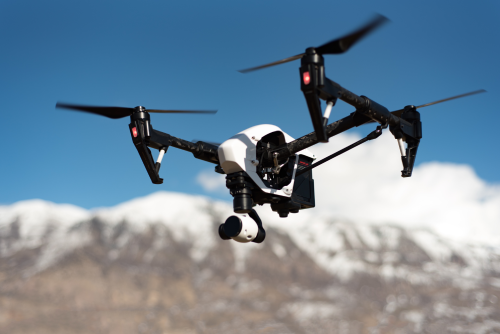
If you’re shopping for the best drones under ₹50,000 in India, the smartest buy is usually not the drone with the loudest spec sheet. In this price range, a few well-known models and trusted used options deliver far better results than the many no-name drones that promise “8K”, huge range, or unrealistic battery life.
For most Indian buyers, the sweet spot under ₹50,000 is a lightweight camera drone with stable video, easy controls, spare parts you can actually find, and a seller who will still answer your call after delivery.
Quick Take
- The best all-round drone under ₹50,000 in India is usually a DJI Mini 4K-class camera drone if your priority is stable aerial video and easy flying.
- The best easy, low-stress option for beginners and social content is DJI Neo.
- The best budget learning drone for students is Ryze Tello, mainly if you want indoor practice and coding-friendly learning rather than serious camera quality.
- The best entry point for FPV, or first-person-view flying, is a beginner ready-to-fly kit such as BetaFPV’s Cetus line or a similar starter bundle.
- The best value buy is often a clean used DJI Mini 2, Mini 2 SE, or Mini 3 from a trusted seller.
- In India, seller quality matters almost as much as drone quality. Warranty, spare batteries, props, and repair support should influence your decision.
- Avoid unbranded marketplace drones that advertise 4K, 6K, or 8K without a proper gimbal, app support, or parts availability.
What “best under ₹50,000” really means in India
At this budget, you can absolutely buy a useful drone.
But you need to be realistic about what you are buying it for.
Under ₹50,000 is a strong range for:
- beginner-friendly flying
- travel clips and social media content
- family trips and scenic shots
- student learning
- practice before moving to a more advanced drone
- basic visual content for small businesses
It is not the ideal range for:
- professional land survey and mapping
- agriculture spraying
- long-endurance industrial inspection
- heavy payload work
- windy coastal or hilltop flying every weekend
- low-light commercial filming
- critical paid shoots where you need redundancy
That is why the “best drone under ₹50,000 in India” is not one fixed answer for everyone.
A student learning flight basics, a creator shooting reels, and a freelancer filming property walkthroughs need very different things.
Best drones under ₹50,000 in India: shortlist
Prices in India move a lot based on combo packs, battery count, importer, and after-sales support. Treat these as broad shopping ranges, not fixed live prices.
| Drone | Typical budget range | Best for | Why it stands out | Main watch-out |
|---|---|---|---|---|
| DJI Mini 4K | ₹30,000 to ₹45,000 | Most buyers who want a real camera drone | Proper stabilized 4K video, sub-250g portability, easy flying | Service and warranty depend heavily on seller |
| DJI Neo | ₹18,000 to ₹30,000 | Beginners, selfie and short-form creators | Very easy to use, compact, less intimidating, quick automated shots | Not a substitute for a full gimbal camera drone |
| Ryze Tello | ₹10,000 to ₹18,000 if genuine stock is available | Students, indoor practice, coding | Affordable, lightweight, educational value | Dated camera and limited outdoor usefulness |
| Beginner FPV kit such as BetaFPV Cetus series | ₹25,000 to ₹45,000 | FPV learners | Full manual skill-building path, often sold as a kit | Fragile and not ideal for normal aerial filming |
| Used DJI Mini 2 / Mini 2 SE | ₹22,000 to ₹40,000 depending on condition | Buyers chasing value | Proven platform, good image stability, mature ecosystem | Must check battery health and account status |
| Used DJI Mini 3 | Sometimes under ₹50,000 | Creators who want better image quality | Better camera value if found clean and complete | Availability is inconsistent and deals vary a lot |
The best picks, explained
DJI Mini 4K
Best overall for most buyers
If you want one practical recommendation for the best drone under ₹50,000 in India, this is the class of drone most people should start with.
The reason is simple: it behaves like a real camera drone, not a toy.
A drone like the Mini 4K gives you:
- a proper 3-axis gimbal, which is the motorised stabiliser that keeps footage level and smooth
- reliable GPS-assisted flight
- easy return-to-home features
- good enough video quality for YouTube, Instagram, travel clips, and property content
- a compact, under-250g body that is easier to carry than larger drones
Who it suits
- beginners who want stable footage
- travel vloggers
- creators upgrading from toy drones
- small businesses needing basic aerial visuals
- buyers who want the least compromise under this budget
Why it wins
The biggest difference between a Mini-class drone and cheaper marketplace foldables is not just resolution. It is flight quality.
Even average users can get cleaner footage because the drone holds position better, the camera movement looks more controlled, and the app ecosystem is more mature.
Watch-outs
- Seller reputation matters a lot in India.
- Make sure the combo includes the right controller, charger, and batteries.
- Low-light performance is still entry-level.
- Wind handling is much better than toy drones, but not unlimited.
If you want a drone for regular scenic shots, holiday footage, or polished beginner content, this is usually the safest recommendation.
DJI Neo
Best for beginners who want easy content, not full drone filmmaking
DJI Neo is a different kind of recommendation.
It is for the buyer who wants flying-camera convenience more than classic aerial cinematography.
Neo makes sense if you want:
- short clips for social media
- easy launch and landing
- less intimidating flying
- quick follow-style shots
- a drone you can carry almost anywhere without thinking twice
Who it suits
- first-time buyers nervous about flying
- creators focused on reels and short clips
- cyclists, walkers, travellers, and casual users
- people who want fun, simple results
Why it stands out
Neo lowers the entry barrier.
For many buyers, that matters more than headline image specs. A drone that gets used every week is better than a more advanced drone that stays in the cupboard because it feels complicated.
Where it is weaker
Neo is not the best choice if your main goal is long, smooth landscape shots or more traditional aerial footage.
Compared with a Mini-class camera drone, you should expect:
- less cinematic camera movement
- less flexibility in serious outdoor wind
- more “quick content” feel than “aerial film” feel
If your use case is social content first and classic drone video second, Neo is a strong buy.
Ryze Tello
Best ultra-budget learning drone for students
Tello is old, but it still has a place.
If you are a student, parent, school club, or absolute beginner who wants to learn safely and cheaply, Tello can be more useful than a random low-cost foldable drone.
Why it still matters
- It is simple.
- It is light.
- It is more about learning than pretending to be a professional camera drone.
- It has educational appeal for coding and STEM-style projects.
Best for
- indoor practice
- school and college tech clubs
- parents buying a first flyer
- people learning orientation and control basics
- buyers who care more about flying practice than footage
Limitations
This is not a serious outdoor camera drone.
Do not buy a Tello expecting travel cinema, strong wind performance, or impressive long-range footage.
Buy it if your goal is learning, safe practice, and fun. Skip it if your goal is polished aerial content.
Also, because it is an older product, only buy genuine stock from a seller you trust.
Beginner FPV kit such as BetaFPV Cetus series
Best for learning FPV under ₹50,000
FPV means first-person view flying, where you wear goggles or fly from a live immersive feed. This is the world of faster, more manual, more expressive drone flying.
If that sounds exciting, a beginner FPV kit can fit under ₹50,000.
A ready-to-fly kit often includes:
- the drone
- goggles
- controller
- charger
- batteries
Who this is really for
- aspiring FPV pilots
- students who want manual control skills
- hobbyists who enjoy practice and tinkering
- buyers interested in acro flying, where the drone is flown in a highly manual, agile style
Why it is a good niche buy
A proper beginner FPV kit teaches real stick control and muscle memory.
If your dream is dynamic motion, racing, or freestyle practice, this path makes much more sense than buying a standard camera drone and expecting the same experience.
Why it is not for everyone
- It has a steeper learning curve.
- Crashes are part of learning.
- Footage quality is usually not the reason to buy a beginner FPV kit.
- Maintenance is higher.
- You should ideally practise in a simulator before flying outside.
If you mainly want scenic shots, don’t buy FPV first. Buy a camera drone.
Used DJI Mini 2, Mini 2 SE, or Mini 3
Best value if you are comfortable buying second-hand
The Indian under-₹50,000 market gets much better if you are open to a clean used drone.
A well-kept Mini 2, Mini 2 SE, or Mini 3 can be a smarter buy than a brand-new no-name drone with inflated marketing claims.
Why used can make sense
- better flight stability than cheap new alternatives
- better image quality
- stronger ecosystem of tutorials and accessories
- easier resale value later
- more predictable user experience
Mini 2 vs Mini 3
- A clean Mini 2 or Mini 2 SE is a solid value choice if price matters most.
- A Mini 3 under ₹50,000 is often the better creator buy if condition is good and batteries are healthy.
What to check before buying used
- Ask for clear flight logs or usage history if available.
- Check battery condition and whether swollen batteries are present.
- Confirm the drone is fully unbound from the previous owner’s account.
- Test gimbal movement and camera feed.
- Inspect motors, propeller mounts, arms, and body for crash damage.
- Ask whether the controller, charger, and cables are original.
- Buy only if you are comfortable with the seller’s honesty and support.
For many practical buyers, used DJI is the hidden winner in this budget.
What matters more than the spec sheet
A proper gimbal beats fake “8K”
The single most important camera feature under ₹50,000 is not megapixels.
It is stabilization.
A proper gimbal, especially a 3-axis one, makes far more difference than a flashy resolution claim on the box. Many cheap drones advertise 4K or 8K but rely on weak electronic image stabilization, or EIS, which often cannot match true mechanical stabilization.
If you care about usable footage, prioritize a good gimbal over marketing numbers.
GPS and stable hovering
A beginner-friendly drone should hold position predictably.
That means:
- easier framing
- safer hovering
- smoother footage
- less panic during first flights
A cheap drone that drifts, struggles to lock position, or loses app connection easily is frustrating even if it looks good in the product photos.
Real-world battery ecosystem
Always ask:
- How many batteries are included?
- How much does one replacement battery cost?
- Can you buy genuine batteries later?
- Is there a charging hub?
One battery is rarely enough.
Real-world flight time is usually much lower than the number used in marketing, especially in Indian heat, stop-start shooting, and windy conditions.
Spare parts and repairs
A broken propeller should not end your drone ownership journey.
Before buying, check if you can easily get:
- propellers
- batteries
- chargers
- landing gear or guards
- motor or arm repair support
- firmware help
A cheaper drone with no spare parts becomes expensive very quickly.
Controller and app quality
A bad app ruins the experience.
Reliable app connection, clear setup steps, and stable firmware matter more than gimmicky filters or exaggerated range claims.
If you are choosing between two drones, the one with a proven app and stronger user community is usually the better long-term buy.
Buy the seller, not just the drone
This matters a lot in India.
Two buyers can own the same drone and have completely different experiences depending on where they bought it.
Ask the seller:
- Is this officially invoiced?
- What warranty is included, if any?
- Who handles repairs?
- How long do spare batteries take to arrive?
- Is the controller included in this price?
- Will you help with activation or firmware issues?
For business buyers, also ask for a proper tax invoice and clarification on after-sales support.
Which drone should you buy for your use?
If you are a complete beginner
Buy DJI Neo if you want the easiest and least intimidating entry point.
Buy DJI Mini 4K if you want to learn properly and care about better-looking footage from day one.
If you are a creator
Choose a Mini 4K-class drone or a clean used Mini 3.
These are the most sensible picks for:
- travel videos
- scenic shots
- YouTube B-roll
- property reels
- tourism and hospitality content
If you are a student
Choose Tello if learning and experimentation matter more than content quality.
Choose an FPV starter kit if your goal is manual flight skills and hobby depth.
If you are a small business
For cafés, resorts, real estate agents, event pages, and local brands, a Mini-class camera drone is the sweet spot.
But if your work depends on reliable commercial output every week, it may be better to save longer or rent when needed rather than push a budget drone too far.
If you want survey or inspection work
Under ₹50,000 is generally the wrong budget to rely on for serious survey, mapping, or inspection operations.
You can capture basic visual reference footage, but if your work depends on measurement accuracy, payloads, or specialized sensors, look beyond this category.
Safety, legal, and compliance checks for India
India’s drone rules can change, and the right answer can depend on weight class, use case, and where you plan to fly.
Before you buy or fly, verify the latest official guidance from DGCA and the Digital Sky system for:
- your drone’s weight category
- where you are flying
- whether permissions or platform requirements apply
- whether any NPNT claims are relevant and genuine
NPNT means “No Permission, No Takeoff.” Do not rely on casual seller claims about compliance. Ask what exactly is supported and verify it yourself.
A few practical rules that are always wise:
- Do not assume a lightweight drone is automatically allowed everywhere.
- Avoid airports, military areas, borders, sensitive government zones, and crowded public events.
- Check for local restrictions, temporary event restrictions, and venue permissions.
- Keep the drone within visual line of sight.
- Do not fly over crowds, roads, or residential balconies.
- Respect privacy. Do not record people in a way that is intrusive or reckless.
- Fly in calm weather, especially on your first few outings.
- If you are flying commercially, also look into insurance and documentation expectations before accepting paid work.
The safest approach is simple: verify first, then fly.
Common mistakes buyers make under ₹50,000
Chasing fake resolution claims
If a ₹7,000 drone claims “8K” but has no proven stabilization, weak app support, and no real ecosystem, the headline number means very little.
Spending the full budget on the drone body
Keep money aside for:
- spare batteries
- propellers
- memory card
- carrying case
- prop guards if you will practise indoors
A slightly cheaper drone with two extra batteries is often the better buy.
Ignoring after-sales support
This is one of the biggest reasons cheap drone purchases go wrong in India.
If the seller disappears after delivery, even a small issue can become a dead end.
Buying FPV when you actually want easy aerial video
FPV looks exciting online, but it is not the easiest route to stable scenic footage.
If you want travel content, buy a camera drone first.
Buying a used drone without checking account binding
With used DJI drones especially, make sure the previous owner has removed the device properly. Otherwise, setup and future use can become painful.
Flying your first battery in a crowded place
Always do your first flights in a large open area with minimal people, trees, and cables. This reduces panic and damage.
FAQ
Which is the best drone under ₹50,000 in India for beginners?
For most beginners, a DJI Mini 4K-class drone is the best all-round choice because it balances stable footage, easy flying, and long-term usefulness. If you want the simplest, least intimidating option, DJI Neo is also a strong beginner pick.
Is a drone under ₹50,000 good enough for YouTube and Instagram?
Yes, if you buy carefully. A good Mini-class drone or a clean used DJI Mini can produce content that looks more than good enough for YouTube, Instagram, and client social pages. Technique matters as much as hardware.
Are cheap 4K or 8K drones on marketplaces worth buying?
Usually not if your goal is dependable footage. Many of them are toy-grade drones with exaggerated camera claims, weak stabilization, and poor support. They may be fun as casual gadgets, but they are rarely the best value.
Should I buy a new drone or a used DJI drone?
If you are comfortable inspecting condition and buying from a trusted seller, used DJI can be excellent value. If you want simplicity, warranty, and less risk, buy new from a reputable seller.
Do I need permission to fly a drone in India?
Requirements can vary by drone category, location, and use case. Always verify the latest DGCA and Digital Sky guidance before flying. Do not assume that because a drone is small, it is automatically fine everywhere.
How many batteries should I buy?
For most people, at least two batteries is a practical minimum. One battery is rarely enough for a full outing once you include setup time, retries, and cautious beginner flying.
Is FPV better than a normal camera drone?
Not better, just different. FPV is better for immersive, manual, dynamic flying. A normal camera drone is better for stable, easy aerial shots and beginner-friendly operation.
Can I use a drone under ₹50,000 for professional work?
For basic social content, property visuals, site updates, and simple promotional footage, yes. For survey-grade accuracy, critical inspections, or demanding commercial production, this budget is limiting.
What is the safest buy if I just want one recommendation?
A genuine Mini-class camera drone from a trusted seller is the safest all-round buy. If your budget is tighter, a clean used DJI Mini 2 or Mini 3 can be smarter than a cheap new no-name drone.
Final takeaway
If you want the best drone under ₹50,000 in India for most real-world buyers, start with a Mini-class camera drone, ideally a DJI Mini 4K or a clean used Mini 2 or Mini 3. If you want easy fun and social clips, DJI Neo makes more sense. If you want to learn, Tello or a beginner FPV kit may actually teach you more than a flashy bargain drone.
Whatever you choose, verify seller support, keep money aside for batteries and spares, and check the latest Indian flying rules before your first takeoff.
