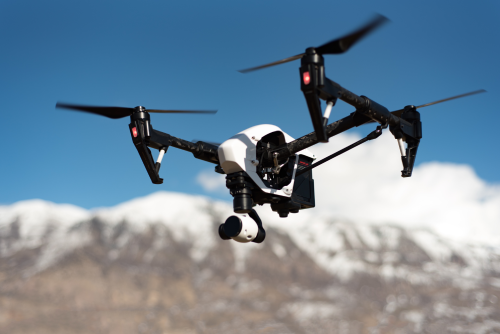
Choosing the best drones for travel photography is less about buying the biggest camera and more about finding a drone you will actually carry, charge, and fly safely on real trips. For most travellers in India, portability, dependable image quality, wind handling, and easy ownership matter more than headline specs. This guide breaks down the best options by travel style, skill level, and budget mindset.
Quick Take
If you want the short answer, these are the strongest travel photography choices for most buyers:
| Buyer type | Best fit | Why it stands out | Main trade-off |
|---|---|---|---|
| First-time traveller who wants the safest all-round pick | DJI Mini 4 Pro | Very portable, strong camera for the size, advanced safety features, easy to carry everywhere | Costs more than basic entry models |
| Value-focused traveller | DJI Mini 3 | Light, travel-friendly, still produces very good photos and video | Fewer premium flight and obstacle features |
| Creator who wants more framing options | DJI Air 3 series | Dual-camera flexibility, stronger wind handling, better for serious travel content | Bigger bag, heavier batteries, less discreet |
| Professional or paid shooter | DJI Mavic 3 Pro | Best image quality and lens flexibility in this group | Expensive and less convenient for casual trips |
| Solo creator who wants ultra-fast social clips | Palm/selfie drone class | Tiny, quick launch, easy for personal travel moments | Not a substitute for a true photography drone |
A simple rule works surprisingly well: if you are unsure, buy a good Mini-class drone, not a big one. The best travel drone is the one you will bring on every trip, not the one that stays at home because it is bulky.
What makes a drone good for travel photography?
Travel photography is different from planned commercial shoots. You may be moving between flights, trains, cabs, hill drives, beaches, forts, and hotel stays. That changes what “best” really means.
Portability matters more than most buyers expect
A travel drone should fit into a small backpack without making the rest of your luggage annoying.
That usually means:
- Foldable arms
- A compact controller
- Batteries that do not turn your bag into a brick
- Fast setup and packing
- A gimbal guard and case that are easy to use
If a drone needs a separate large bag, a heavy charger, and constant planning, it stops being a travel companion and becomes dedicated gear. That can be worth it for professionals, but not for most leisure travellers.
Camera quality should help in real travel conditions
Travel photos often happen in difficult light:
- Sunrise at a hill station
- Hazy afternoon landscapes
- Sunset beach scenes
- Mixed light in towns and forts
- Cloudy monsoon skies
So the camera should give you:
- Good dynamic range, which means better detail in bright skies and dark shadows
- Clean photos in lower light
- Useful RAW photo support for editing
- Reliable auto exposure if you do not want to shoot fully manual
- A lens or focal length that suits both wide landscapes and tighter compositions
A common mistake is buying by resolution alone. A high megapixel number is not automatically better for travel work. Lens quality, sensor performance, and image processing matter more.
Wind handling is a real travel feature
India’s travel hotspots are often windy:
- Coastal destinations like Goa or Kerala
- Open viewpoints in Rajasthan
- Mountain valleys in Himachal, Uttarakhand, Ladakh, and the Northeast
- High-rise rooftops in cities
Very light drones are convenient, but they move more in gusty conditions. That does not make them bad. It just means you need better judgment on when to fly. If you frequently travel to windy places, an Air-class drone is usually more confidence-inspiring than the lightest Mini-class models.
Battery and charging convenience can make or break a trip
A travel drone should fit into your charging routine without drama.
Look for:
- USB-C charging or a practical charging hub
- Reasonable battery life in normal use
- Spare batteries that are easy to buy later
- Clear battery status and health information
For travel photography, two batteries can work for a short trip. Three is more comfortable. One battery is almost always too limiting.
Safety features are more useful on trips than at home
When you fly in unfamiliar locations, advanced features matter more.
Helpful features include:
- Obstacle sensing, which helps the drone detect objects around it
- Good return-to-home reliability
- Stable GPS lock
- Subject tracking for solo travel creators
- Strong app warnings for restricted zones or flight issues
Beginners often underestimate how much safer a well-tuned flight system feels in a new place.
Local support in India is part of the buying decision
For Indian buyers, the best travel drone is not just about the aircraft. It is also about ownership.
Before you buy, check:
- Is the model actually available through a reliable seller?
- Are genuine batteries, props, and chargers easy to source?
- Is after-sales support realistic in India?
- Does the app work smoothly on your phone?
- Are firmware updates straightforward?
A brilliant drone with poor battery availability or uncertain service becomes frustrating very quickly.
Best drones for travel photography by buyer type
These are the travel drone categories that make the most sense today, with the models most buyers commonly compare.
Best overall for most travellers: DJI Mini 4 Pro
If you want one recommendation that works for the widest range of travellers, the Mini 4 Pro is the most balanced choice.
Why it makes sense for travel:
- Very easy to carry on weekend trips, flights, and road journeys
- Strong photo and video quality for a compact drone
- Better safety and flight intelligence than cheaper beginner options
- Useful subject tracking for solo creators
- Easy to launch in tight, practical travel situations
Who it suits best:
- First-time buyers who want room to grow
- Couples and families who travel often
- Content creators who shoot both photos and video
- Travellers who want a serious drone without carrying a large kit
Where it shines:
- City viewpoints with limited setup space
- Scenic road trips
- Beaches at calmer times of day
- Sunrise and sunset landscapes
- Quick shoots between travel stops
Its biggest advantage is that it reduces friction. You are more likely to carry it, more likely to fly it, and less likely to outgrow it quickly.
Who should skip it:
- Buyers who want the lowest possible spending
- Professionals who know they need bigger-sensor output or more lens options
- Travellers who regularly shoot in stronger winds and difficult conditions
Best value travel pick: DJI Mini 3
The Mini 3 remains one of the smartest choices if you want a capable travel drone without stretching to the more premium Mini 4 Pro.
Why it is still a great buy:
- Compact and easy to travel with
- Very good image quality for casual and enthusiast travel work
- Simpler ownership than larger drones
- A better long-term choice than cheap toy drones that look tempting online
Who it suits best:
- Students and beginners
- Hobbyists upgrading from entry-level drones
- Travellers who mostly shoot in fair weather
- Buyers who care about portability more than premium safety extras
Where it fits well:
- Domestic holidays
- Short treks where every gram matters
- Creator kits built around a phone and a small camera
- First drone ownership when you still need practice
Its value is not just lower cost. It is that the Mini 3 gets you into real aerial photography without forcing you to commit to a heavier ecosystem.
Who should skip it:
- Buyers who want the most advanced obstacle sensing and tracking
- Creators who know they will need more framing flexibility
- Travellers who often fly in gusty conditions
Best for serious creators who want better composition: DJI Air 3 series
If you are beyond the casual stage and want more creative control on trips, the Air 3 series is where travel photography starts to feel much more deliberate.
The key reason to step up here is lens flexibility. A dual-camera setup gives you more than just a wider shot. It lets you compress landscapes, isolate subjects, and avoid that “everything looks like a generic wide drone shot” problem.
Why it is excellent for travel photography:
- Better compositional range than single-lens compact drones
- Stronger presence in wind than ultra-light drones
- More room for serious photo and video work
- Better fit for creators who want a polished look straight from capture
Who it suits best:
- Travel filmmakers
- YouTubers and tourism creators
- Resort, hotel, and destination content makers
- Photographers who want both wide establishing shots and tighter frames
A real-world example: in the mountains, a wider camera can show the whole valley, but a medium tele view can isolate one ridge, one monastery, one road line, or one subject. That often creates a stronger photograph.
The main trade-off is obvious: it is a bigger system. The drone is larger, the batteries are bulkier, and it feels less effortless than a Mini-class drone.
Who should skip it:
- Backpackers trying to keep luggage minimal
- Buyers who mostly shoot once or twice on each trip
- Beginners who will not fully use the second camera
Best premium choice for photographers and paid work: DJI Mavic 3 Pro
If travel photography is part of your professional work, or you care deeply about image quality and lens choice, the Mavic 3 Pro sits in a different class.
Why professionals like it:
- Stronger still-photo output than smaller travel drones
- More lens flexibility for premium-looking travel imagery
- Better fit for commercial destination work
- Greater confidence when image quality matters more than portability
Who it suits best:
- Professional photographers
- Resorts, tourism businesses, and destination marketers
- Paid travel content creators
- Filmmakers who already know why they need a premium drone
This is the drone you carry when the aerial work is not an extra. It is part of the job.
But many buyers overestimate their need for it. For casual trips, the jump in bag size, cost, and travel friction is real. If you are mainly posting to Instagram, YouTube, or client social channels, a Mini or Air-class drone is often the smarter travel tool.
Best as a companion, not a primary photography drone: palm/selfie drone class
Very small self-flying drones can be fun travel tools for solo creators. They are fast to launch, less intimidating in casual settings, and useful for walk-and-talk clips or quick personal moments.
But for true travel photography, they have limits:
- Weaker still-photo quality
- Less flexibility for landscapes
- Reduced wind tolerance
- More dependence on automated modes
If your goal is solo travel vlogging with very little effort, this class can make sense. If your goal is beautiful aerial landscapes and destination photography, it is better treated as a secondary device, not your main drone.
How to choose the right travel drone in 5 steps
If you are still stuck between models, use this filter.
1. Decide whether you care more about still photos or hybrid photo-video use
If you mainly want photos of landscapes, architecture, coastlines, and destinations, image quality and lens choice matter most.
If you want reels, travel vlogs, and quick social edits, then tracking, vertical shooting options, and ease of use matter more.
2. Be honest about how much weight you will actually carry
Ask yourself:
- Will I carry this on short walks?
- Will I pack it on flights and train trips often?
- Do I already carry a camera, laptop, or gimbal?
If the answer is yes, a Mini-class drone usually makes more sense.
3. Choose between one lens and more flexibility
A single-lens drone is simpler and lighter.
A multi-lens drone is better if you care about stronger compositions, compression, and more cinematic variety.
For many travellers, that one decision is the real difference between a Mini and an Air-class drone.
4. Budget for the kit, not just the aircraft
Your actual travel drone cost includes:
- At least one spare battery
- Extra propellers
- Fast storage card
- Carry case
- Charger or hub
- Possibly ND filters if you shoot video often
A cheaper drone with no spare battery can be less practical than a better-supported model with a complete kit.
5. Verify support and compliance before buying
This matters in India more than many people realise.
Before purchase, verify:
- Local seller reputation
- Spare parts availability
- App compatibility
- Any registration or airspace-related obligations that may apply to your intended use
Do this before you pay, not after.
India-specific travel, safety, and legal checks
Travel photography with drones in India is not just a gear decision. It is also a compliance decision.
A few important reminders:
- DGCA rules and operational requirements can change. Always verify the latest official guidance before flying.
- Whether a drone needs registration, permissions, or other compliance steps can depend on its weight class, intended use, and the current rules in force.
- Check the latest Digital Sky and DGCA information before purchase and before flight.
- Tourist locations may have separate local restrictions even if the broader area seems flyable.
- Avoid airports, military areas, sensitive government zones, dense crowds, and wildlife areas unless you are clearly permitted to operate there.
- Stick to safe daytime, visual-line-of-sight flying unless you have a very specific legal basis and equipment setup for anything more advanced.
For travellers, also remember these practical issues:
- Airlines usually want drone batteries in cabin baggage, not checked luggage, but policies vary. Confirm with your airline before travel.
- Tape battery terminals or use proper battery covers when packing.
- Let the drone acclimatise if you move it from strong air-conditioning to hot, humid outdoors.
- Dust, beach sand, and mountain gusts can damage props, motors, and gimbals faster than home use.
If you are travelling to forts, pilgrimage towns, beaches, or hill stations, do not assume “open space” means “allowed space.”
What to pack with your travel drone
A smart travel kit is small and boring. That is a good thing.
Take these:
- Drone and controller
- Two to three batteries
- Charging hub or reliable charger
- Extra propellers
- One good storage card
- Gimbal protector
- Compact case or padded insert
- Lens cloth
- Short cable for your phone
- Power bank if your setup supports it
Optional but useful:
- ND filters for video-heavy creators
- Foldable landing pad if you expect dusty or sandy takeoffs
- Small zip pouch for used and charged batteries
Common mistakes travellers make
Buying the biggest drone they can afford
Many buyers think a larger, more expensive drone automatically means better travel results. In reality, bigger drones are easier to leave behind on short outings. A compact drone you use often is better than a premium drone you carry reluctantly.
Shopping by spec sheet alone
Resolution numbers, marketing terms, and extreme-range claims do not tell you how enjoyable the drone is to travel with. Look at setup speed, battery ecosystem, lens usefulness, and wind behaviour.
Ignoring local restrictions
This is one of the most expensive mistakes. Some locations that look perfect for aerial photography simply are not appropriate or permitted.
Carrying too few batteries
A travel day disappears quickly. One battery can be gone in a single location scout. For serious trips, two is the minimum and three is safer.
Flying at the wrong time of day
Midday light often makes travel landscapes look flat and harsh. Early morning and late afternoon usually produce much better aerial photos.
Expecting tracking to replace flying skill
Tracking features are helpful, but they do not remove the need for judgment. Trees, wires, slopes, and unpredictable people still require caution.
Buying from an unreliable seller
Low prices are tempting. But for travel use, battery authenticity, firmware support, and basic service matter a lot. Saving a little at purchase can cost much more later.
FAQ
Is a sub-250 g drone the best choice for travel photography?
For most people, yes. It is the sweet spot for portability and image quality. But if you often shoot in strong wind or want more lens flexibility, an Air-class drone may be the better tool.
Do I need to register a travel drone in India?
It depends on the drone category, your intended use, and the latest DGCA requirements. Do not assume based on old videos or forum advice. Verify the current official position before buying or flying.
Which matters more for travel photos: a bigger sensor or a tele lens?
Both help, but in different ways. A bigger sensor usually helps with image quality and difficult light. A tele lens improves composition and can make your travel photos look less generic.
How many batteries should I carry on a trip?
Two is workable for short trips. Three is more practical for full-day travel shooting, especially if charging opportunities are limited.
Can I take drone batteries on domestic flights in India?
Usually, airlines prefer lithium batteries in cabin baggage, but policies vary by carrier and battery rating. Check the airline’s latest rules before you travel and pack the batteries safely.
Is obstacle sensing necessary for beginners?
It is not strictly necessary, but it is highly valuable. On trips, you often fly in unfamiliar environments, and obstacle sensing adds confidence and reduces risk.
Should I buy an FPV drone for travel photography?
Usually no, not as your first travel photography drone. FPV drones are fantastic for dynamic video in skilled hands, but they are not the easiest or most practical option for classic travel photos and everyday ownership.
What accessories are actually worth buying first?
Start with spare batteries, extra propellers, a reliable storage card, and a proper case. Those improve real travel use more than fancy add-ons.
Are cheap online drones good enough for travel photography?
Most are not. Many low-cost drones are fun toys, but they struggle with camera quality, stability, wind, spare parts, and reliability. If photography is your goal, it is better to buy a proven camera drone class.
Final takeaway
For most Indian travellers, the best drone for travel photography is a Mini-class model, especially if you want something you will truly carry on every trip. Step up to an Air-class drone only if you know you will use the extra lens flexibility, and go Mavic-class only when image quality is tied to paid work or serious creative output. Before your next trip, verify the local rules, buy at least one spare battery, and do a few practice flights at home; that will improve your travel results more than chasing the most expensive drone.
