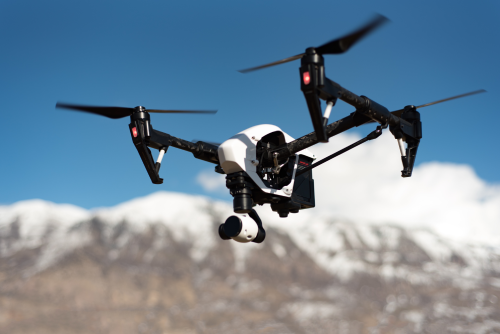
The best drones for telecom tower inspection are not the lightest hobby models with the biggest marketing claims. For this job, you need stable flight near tall metal structures, useful zoom, reliable obstacle sensing, strong after-sales support, and a workflow that helps your team finish a site visit safely and quickly. For Indian buyers, compliance, service turnaround, and spare battery availability matter almost as much as the drone itself.
Quick Take
- For most telecom inspection teams, the best balance of portability, image quality, zoom, and field practicality is usually the DJI Mavic 3 Enterprise.
- If your inspections also include power panels, battery rooms, shelters, or hotspot checks, the DJI Mavic 3 Thermal is the more useful compact option.
- If you work in harder weather, larger sites, or all-day enterprise operations, the DJI Matrice 30T is the stronger professional tool.
- For large operators, towercos, or service providers running repeatable, multi-site inspection programs, a DJI Matrice 350 RTK with a suitable inspection payload is the serious long-term platform.
- If you want a non-DJI enterprise alternative, the Autel EVO Max 4T is worth evaluating, but only if local support, spares, and software fit are clearly confirmed in India.
- Do not buy only by camera megapixels. For telecom towers, zoom, wind handling, stand-off safety, reporting workflow, and repair support matter more.
- A consumer camera drone can document easy rooftop sites, but it is usually not the best primary tool for professional tower inspection work.
- Before any commercial operation in India, verify the latest DGCA, Digital Sky, airspace, registration, pilot, and platform compliance requirements for your exact use case.
What a telecom tower inspection drone really needs to do
Telecom tower inspection is different from cinematic flying or basic real-estate shoots.
You are usually trying to capture:
- antenna condition
- mounting brackets and hardware
- feeder cables and connectors
- corrosion, loose fixtures, and paint damage
- rooftop installation condition
- lightning protection components
- dish alignment issues visible from the outside
- site shelter, battery bank, and power equipment condition
- security or access issues around the site compound
That means the drone must help you inspect from a safe stand-off distance rather than by flying dangerously close to the structure.
The features that matter most
1. Good zoom, not just a good wide camera
A sharp wide camera is useful for overall site context.
But tower work depends heavily on a zoom camera that lets you inspect bolts, clamps, cables, and antenna panels without bringing the aircraft too close to steel, wires, and active equipment.
In practical terms, a drone with a strong inspection-grade zoom is usually far more useful than a drone with only a great cinematic camera.
2. Stable hover near tall structures
Telecom towers create a difficult flying environment:
- metal structures can affect positioning confidence
- rooftop sites create turbulence
- wind speed is often higher at antenna height than at ground level
- urban RF noise can make the control environment less predictable
A tower inspection drone should hover confidently and recover well from wind gusts.
3. Reliable obstacle sensing
Obstacle sensing does not make tower flying “safe by default,” but it adds a valuable layer of protection.
Still, do not over-trust it.
Thin wires, guy wires, protruding hardware, and awkward angles can defeat obstacle sensors. Good pilots use sensors as backup, not as permission to fly close.
4. Thermal, if your workflow truly needs it
A thermal camera shows heat patterns.
For telecom work, thermal can be useful for:
- electrical panels
- battery systems
- shelter equipment
- some overheating equipment checks
- faster fault triage before sending technicians
But thermal is not magic. It does not automatically diagnose every antenna issue, and not every tower inspection team needs it.
If your work is mostly structural and visual, paying extra for thermal may not give you enough return.
5. Fast battery turnaround
Inspection work is usually about productivity.
A drone that is easy to deploy, recharge, and fly across multiple sites in one day often beats a technically superior platform that is bulky, slow to set up, or painful to maintain.
6. Software and reporting workflow
Images are only half the job.
You also need to:
- tag the site properly
- organise photos by tower face or sector
- create consistent reports
- review files before leaving the site
- archive inspection data for later comparison
A drone with a mature enterprise workflow is usually worth more than one with slightly better brochure specs.
7. Service support in India
A broken gimbal, dead battery, or unavailable propeller can shut down a contract.
Before buying, check:
- spare battery availability
- propeller and charger availability
- local distributor credibility
- service turnaround time
- calibration and repair support
- training support for your pilots
For commercial users in India, this is a major buying factor.
Best drones for telecom tower inspection
Here is the shortlist that makes the most practical sense for Indian buyers in 2026.
| Drone / Platform | Best for | Why it stands out | Main caution |
|---|---|---|---|
| DJI Mavic 3 Enterprise | Most inspection teams | Portable, strong zoom workflow, quick deployment, efficient for routine sites | Not as rugged as larger enterprise platforms |
| DJI Mavic 3 Thermal | Compact teams that need thermal and visual in one kit | Useful mix of visual and thermal inspection in a foldable format | Thermal adds cost; not everyone needs it |
| DJI Matrice 30T | Serious field teams in tougher conditions | Rugged enterprise platform with integrated thermal and zoom capability | Bigger investment and more operational overhead |
| DJI Matrice 350 RTK with inspection payload | Large operators, towercos, advanced inspection programs | Heavy-duty enterprise ecosystem, payload flexibility, repeatable workflows | Expensive, larger, and overkill for many small teams |
| Autel EVO Max 4T | Buyers evaluating alternatives | Enterprise-style feature set in a compact platform | Verify India support, software, and spare ecosystem carefully |
Our top picks, explained
DJI Mavic 3 Enterprise
For most telecom contractors, maintenance vendors, and small enterprise teams, this is the most sensible starting point.
Why it works well:
- folds down into a highly portable field kit
- fast to deploy at rooftop and ground-based sites
- suitable for visual inspection from safer distances
- easier for teams moving between multiple locations in a day
- strong overall balance between quality and operating simplicity
It suits teams doing:
- visual tower audits
- rooftop telecom site documentation
- antenna and mount inspection
- contractor progress checks
- before-and-after maintenance records
Why it is the best overall choice:
Most inspection teams do not need the biggest platform. They need a drone that gets used regularly, travels easily, and delivers consistent images without creating a heavy logistics burden.
Watch-outs:
- It is still not a “fly close to metal” drone.
- Very challenging winds and harsh site conditions may justify a larger platform.
- If thermal is part of your routine work, the thermal version may be more cost-effective overall.
Best for: – small and mid-sized telecom service companies – solo operators with a trained observer – inspection startups – rooftop-heavy workflows in Indian cities
DJI Mavic 3 Thermal
If your field team handles both visual and temperature-based inspection tasks, this is often the smarter compact option.
Why it stands out:
- combines visual inspection with thermal imaging
- useful for faster fault isolation around electrical and support equipment
- easier to carry than larger thermal enterprise drones
- good fit for mixed telecom and utility service teams
It is especially useful when your site visit may include:
- tower plus shelter checks
- battery room temperature anomalies
- electrical panel hotspot checks
- backup power equipment inspection
- quick triage before technician deployment
A key practical point:
Thermal is most valuable when you already know how the data will be used. If your reports rarely include thermal findings, or clients do not pay extra for it, you may be better off with a standard visual inspection drone.
Best for: – teams doing preventive maintenance – multi-service contractors handling telecom plus power assets – operators who want one compact kit for both visual and thermal jobs
DJI Matrice 30T
This is the step up when tower inspection becomes a serious field operation rather than a light portable task.
What makes it strong:
- more rugged enterprise build
- better suited to tougher outdoor conditions
- designed for professional workflows and repeated field use
- useful integrated sensor package for inspection-heavy teams
- strong choice when downtime is costly
Why buyers choose it:
If your team works in coastal wind, long travel schedules, mixed weather, or higher-pressure commercial environments, the Matrice 30T starts to justify itself. It feels more like a purpose-built industrial tool than a compact inspection camera drone.
It is a good fit when:
- you inspect many sites per week
- your clients expect enterprise-grade documentation
- thermal is regularly required
- field reliability matters more than portability
- you need a platform that looks and behaves like serious industrial equipment
Main downside:
It is bulkier, costlier, and more demanding than the compact foldable class. For simple visual inspections of standard towers and rooftop sites, it can be more drone than you actually need.
Best for: – towercos – managed service providers – infrastructure inspection teams – telecom maintenance companies with higher field volume
DJI Matrice 350 RTK with a suitable inspection payload
This is the enterprise heavyweight.
It is not the right answer for everyone, but for large operators it can be the right long-term answer.
Why it matters:
- supports higher-end inspection payloads
- built for serious enterprise deployment
- can fit into repeatable asset inspection programs
- stronger choice for organisations that need integration, standardisation, and expansion
- RTK, or real-time kinematic positioning, can help when repeatability and positional accuracy matter in structured workflows
This class makes sense when:
- you manage a large fleet or multi-region inspection program
- your contracts require advanced documentation standards
- you want a platform that can grow into broader inspection work beyond telecom
- payload flexibility matters
- procurement prefers a long-life enterprise system over a portable one-drone kit
Why many smaller buyers should skip it:
The total system cost is much more than the airframe.
You also need to think about:
- batteries
- chargers
- transport
- pilot training
- payload choice
- maintenance process
- insurance
- SOPs, or standard operating procedures
Best for: – large telecom infrastructure owners – enterprise inspection departments – high-budget service providers – teams standardising a serious inspection program
Autel EVO Max 4T
This is the alternative many buyers look at when they want to compare beyond DJI.
Why it is on the list:
- enterprise-style compact form factor
- thermal and visual inspection capability
- attractive on paper for buyers wanting another ecosystem
- can suit inspection teams if the local support chain is solid
The key issue is not the brochure.
The key issue is whether, in your city or state, you can reliably get:
- batteries
- spare props
- service
- software support
- training
- repair turnaround
If those boxes are clearly checked, it deserves consideration. If not, the operational risk may outweigh the platform’s appeal.
Best for: – buyers actively comparing enterprise ecosystems – teams with confirmed supplier support – organisations that do not want a one-brand shortlist
Which drone should you buy for your use case?
Choose the DJI Mavic 3 Enterprise if:
- you mainly do visual inspections
- you need a compact field kit
- you move quickly between sites
- you want the best practical starting point
- you are a small or growing telecom inspection business
Choose the DJI Mavic 3 Thermal if:
- your site work includes electrical or thermal checks
- you want one compact drone for mixed inspections
- you want more diagnostic capability without moving to a larger platform
Choose the DJI Matrice 30T if:
- your team works in tougher environments
- thermal is routinely required
- clients expect an enterprise-grade setup
- uptime and ruggedness matter more than portability
Choose the DJI Matrice 350 RTK system if:
- you are building a large inspection program
- repeatability and payload flexibility matter
- you can justify enterprise operating overhead
- the drone will be used well beyond basic tower photography
Consider the Autel EVO Max 4T if:
- your supplier support is genuinely strong
- you want an alternative ecosystem
- you are comfortable validating software, service, and parts before purchase
What not to buy first
Many buyers are tempted by a premium consumer drone.
That can work for:
- learning safe aerial framing
- very basic documentation
- non-critical visual records
- internal surveys where inspection detail is modest
But for professional telecom tower inspection, consumer drones often fall short in:
- zoom usefulness
- weather tolerance
- battery workflow
- enterprise reporting
- ruggedness
- procurement acceptance
- service-level confidence
If your work affects maintenance decisions, technician dispatch, or client billing, buy an enterprise inspection platform.
Accessories and support you should budget for
Do not calculate the budget on the drone alone.
A usable telecom inspection kit often includes:
- at least several flight batteries
- multi-battery charging solution
- spare propellers
- hard transport case
- landing pad for dusty sites
- memory card and storage workflow
- tablet or controller management
- extra cables and power adapters
- high-visibility field gear
- insurance, if appropriate for your operation
- software licences for mapping, reporting, or asset management if your workflow needs them
The cheapest drone often becomes expensive when your field team loses half a day because of missing accessories.
Safety, legal, and compliance checks for India
Telecom tower inspection is not just a buying decision. It is also an operations decision.
Before flying in India, verify the latest official requirements for:
- DGCA compliance
- Digital Sky airspace workflow
- registration and platform eligibility
- pilot requirements for your category of operations
- NPNT or any current platform-related requirements, where applicable
- local restrictions around sensitive locations
- insurance expectations from clients or employers
Rules and procedures can change. Verify the latest official guidance before you plan operations.
Important practical compliance points
- Permission from the tower owner is not the same as airspace permission.
- Urban rooftop sites may involve nearby homes, offices, roads, and the general public, so privacy and ground safety matter.
- If the site is near an airport, defence area, or other sensitive zone, do not assume the operation is allowed.
- Keep documentation ready: pilot records, aircraft documents, maintenance logs, and client/site permissions as applicable.
- If you plan dawn, dusk, night, or unusual operations, verify the latest specific rules rather than assuming normal daytime practice applies.
A safer way to inspect a telecom tower with a drone
A simple inspection workflow reduces risk and improves report quality.
1. Do a site walk first
Before takeoff, check:
- wind at ground level and at tower height if visible
- power lines
- guy wires
- birds or nests
- crane activity or nearby construction
- takeoff and emergency landing area
- people movement around the site
2. Start wide, not close
Your first pass should capture the full site and tower geometry.
This helps you judge wind, standoff distance, and blind spots before you zoom in.
3. Use zoom to inspect in sections
Inspect the tower in segments:
- top assembly
- antenna sectors
- mid-structure
- mounts and brackets
- feeder runs
- lower structure and access area
That gives you cleaner evidence than random flying.
4. Avoid hovering too close to metal
Tall steel structures can make positioning less confidence-inspiring.
Keep a sensible buffer and let the zoom camera do the work.
5. Review images before leaving
Do not discover back at the office that one sector is missing or slightly out of focus.
A two-minute on-site review can save an expensive return visit.
Common mistakes buyers make
Buying for “camera quality” instead of inspection quality
A drone can shoot beautiful video and still be a poor tower inspection tool.
Inspection quality depends more on zoom, stability, workflow, and repeatability.
Underestimating wind
Ground conditions can look fine while the upper structure is getting hit by stronger gusts.
Always plan conservatively.
Flying too close because the drone has obstacle sensing
Obstacle sensing helps.
It does not reliably solve thin wires, complex geometry, or poor judgement.
Buying thermal without a real thermal use case
Thermal is excellent when it solves a real maintenance problem.
If your clients only want visible inspection photos, the extra spend may sit idle.
Ignoring local service support
An unavailable battery or slow repair turnaround can hurt your business more than a slightly weaker camera.
Leaving the reporting process undefined
If photos are not labelled, sorted, and reviewed consistently, even a great drone will produce weak inspection outcomes.
FAQ
Can a drone completely replace tower climbing?
No. A drone can reduce unnecessary climbs, speed up visual assessment, and improve safety planning, but some faults still need hands-on verification or repair. Think of drones as a way to reduce risk and improve decision-making, not as a total replacement for technicians.
Do I need thermal for telecom tower inspection?
Not always. If your work is mainly visual inspection of antennas, brackets, cables, and structure, a visual enterprise drone is enough. Thermal is more valuable when your workflow includes power equipment, shelters, batteries, or fault triage.
Is a consumer drone good enough for tower inspection?
For light documentation, maybe. For professional inspection that affects maintenance decisions or client reporting, usually no. Consumer drones often fall short in zoom utility, ruggedness, workflow, and service support.
What matters more: zoom or megapixels?
For this use case, zoom usually matters more. A high-resolution wide camera is helpful, but being able to inspect from a safer distance is what really improves telecom tower work.
Do I need RTK for tower inspection?
Not for every team. RTK helps when you need better positional accuracy, repeatable missions, or integration into a larger inspection program. Many smaller teams can work well without it.
How many batteries should a field team carry?
Enough to avoid cutting corners because of power anxiety. The exact number depends on your platform, travel pattern, and number of sites per day. For commercial work, a single-aircraft, single-battery mindset is not realistic.
Can I fly around rooftop telecom towers in cities?
Only if the operation is legally allowed, the site is safe, and all applicable permissions are in place. Rooftop sites add risk because of nearby people, buildings, metal structures, and urban airspace complexity. Always verify the latest official rules and site permissions.
What documents should I verify before starting commercial work in India?
Verify the current official requirements for aircraft compliance, registration, pilot eligibility, airspace permission workflow, and any operational documentation needed by your client or employer. Also confirm site-owner approval and internal SOPs for safety and data handling.
Which is the best first drone for a small telecom inspection business?
For most teams, the DJI Mavic 3 Enterprise is the safest first shortlist candidate because it balances portability, inspection usefulness, and practical field operations well. If thermal directly supports your contracts, start with the Mavic 3 Thermal instead.
How important is after-sales support compared with specs?
Extremely important. A drone that is slightly less impressive on paper but easy to repair and support in India is often the better business decision.
Final takeaway
If you want the safest all-round recommendation, start with the DJI Mavic 3 Enterprise. If thermal will genuinely save site visits or improve diagnostics, move to the DJI Mavic 3 Thermal. Choose the Matrice 30T or Matrice 350 RTK only when your inspection volume, site difficulty, and client expectations truly justify enterprise overhead. Before spending anything, confirm three things in India: legal workflow, local service support, and spare availability. Those are what keep inspection teams flying.
