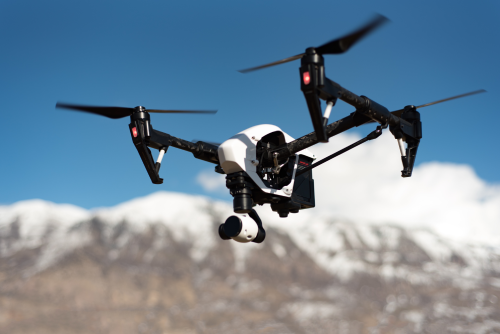
The best drones for real estate photography are not always the most expensive ones. For most buyers in India, the right drone is the one that gives clean, stable footage, handles wind around buildings, and fits current compliance requirements and after-sales reality.
Quick Take
If you want a short answer before reading the full guide, start here:
- Best overall for most real estate work: DJI Air 3
- Best beginner-friendly compact option: DJI Mini 4 Pro
- Best image quality for premium property shoots: DJI Mavic 3 Classic
- Best for luxury listings and production teams: DJI Mavic 3 Pro
- Best non-DJI alternative: Autel EVO Lite+, but only if local support and compliance are clear
- Best value older-generation buy: DJI Mini 3 Pro or Mini 3, if bought from a reliable source
A practical rule: if you mostly shoot villas, plots, farmhouses, and short-form social media clips, a good Mini-series drone can be enough. If you regularly shoot high-rises, windy sites, or premium projects at sunrise and sunset, moving up to an Air or Mavic-class drone usually makes sense.
Best drones for real estate photography at a glance
| Drone | Best for | Why it works for real estate | Main trade-off |
|---|---|---|---|
| DJI Air 3 | Most agents, creators, and small studios | Dual cameras, strong battery life, good obstacle sensing, better wind performance than mini drones | Not as compact as a Mini, not as strong in low light as a Mavic 3 |
| DJI Mini 4 Pro | Beginners, solo agents, travel-friendly work, social media content | Very portable, excellent automation, easy vertical video, strong safety features for its size | Smaller drone means less confidence in gusty wind and twilight work |
| DJI Mavic 3 Classic | Premium property videos and high-end stills | Larger main sensor, better dynamic range, cleaner sunrise/sunset footage | Bigger investment and larger kit |
| DJI Mavic 3 Pro | Luxury listings, builders, hotels, agency teams | Multiple focal lengths give premium framing options | Expensive and more than many buyers actually need |
| Autel EVO Lite+ | Buyers wanting a non-DJI option | Large sensor, adjustable aperture, strong daylight-to-golden-hour performance | Service, accessories, software familiarity, and India-specific support need checking |
| DJI Mini 3 Pro / Mini 3 | Budget-conscious serious starters | Compact, capable in good light, easier entry into paid work | Older platform, lower margin for windy and demanding shoots |
What actually matters in a real estate drone
Real estate photography puts different demands on a drone than travel vlogging or casual flying. You are usually working around buildings, trees, wires, roads, and tight timelines. That means a drone should not be judged on marketing specs alone.
1. Camera quality, especially dynamic range
Dynamic range means how well the camera keeps detail in bright sky and dark shadow at the same time.
This matters a lot for property work because:
- White walls and rooftops can blow out in harsh sun
- Trees, balconies, and building recesses fall into deep shadow
- Sunset shots need smooth sky tones without turning the building too dark
In general:
- Mini-class drones are good enough for daylight listings and social media
- 1-inch class or larger sensors are better for premium work
- 4/3-class sensors are best if image quality is part of your service pitch
2. Lens flexibility
One of the biggest advantages in real estate is having more than one useful focal length.
Why?
- A standard wide view shows the full property and surroundings
- A medium tele view helps isolate the facade without making edges look stretched
- Tele lenses can make apartment towers and balconies look cleaner and more premium from a safe distance
This is why the Air 3 is such a strong middle-ground option. Its second camera is not just a gimmick. It solves a real framing problem.
3. Wind handling near buildings
Air behaves strangely around homes, towers, terraces, and narrow access roads. Wind bounces off walls and can shift quickly near rooftops.
That means:
- Heavier drones are usually calmer in the air
- Mini drones are convenient, but not ideal for every high-rise job
- Coastal properties and hill stations need extra caution
If your work is mainly in open villa communities, small plotted developments, or calm early-morning shoots, a Mini drone is often fine. If you cover tall towers, windy rooftops, or open seafront properties, larger drones are safer and more dependable.
4. Obstacle sensing and return-to-home
Obstacle sensing uses sensors to detect objects around the drone. It is helpful, but it is not magic.
For real estate work, good sensing helps near:
- Trees
- Building edges
- Boundary walls
- Water tanks
- Unexpected movement while backing up
Still, no system should make you careless. Thin wires, clotheslines, branches, and glass can still cause trouble.
5. Battery ecosystem and shoot-day reliability
Real estate days often involve multiple takeoffs, repeated orbits, alternate heights, and waiting for traffic or people to clear the frame.
So the real buying question is not just the drone. It is the whole kit:
- Are extra batteries easy to find?
- Are propellers and chargers available?
- Can you get a replacement quickly if one battery swells or weakens?
- Is repair support practical in your city?
A slightly cheaper drone with poor accessory support can cost more in lost jobs.
The best drones for real estate photography
DJI Air 3
Best overall for most Indian buyers
If you want one drone that feels professional without jumping to premium Mavic-level cost, the DJI Air 3 is the safest recommendation for most real estate shooters.
Why it stands out:
- Two very usable cameras for wide and tighter property framing
- Better wind confidence than Mini-series drones
- Strong battery performance for multi-property days
- Solid obstacle sensing for practical, careful flying
- Good enough image quality for most builders, agents, and listing videos
It is especially strong for:
- Apartments and towers
- Villas and gated communities
- Builder project updates with marketing use
- Creators who need both YouTube-style footage and listing clips
Its only real limitation is that it does not match the larger-sensor Mavic 3 series in low light and tonal quality. But for most real-world real estate jobs, it hits the best balance.
DJI Mini 4 Pro
Best compact drone for beginners and solo creators
The DJI Mini 4 Pro is the easiest drone to recommend if you want something light, travel-friendly, and genuinely capable.
It works well because it gives you:
- Very small size and quick deployment
- Strong safety tech for its class
- Good stills and video in daylight
- Easy vertical shooting for Reels and Shorts
- Lower barrier for beginners who need simple setup
This is a great fit for:
- Solo brokers and real estate agents
- Social media teams
- Students and first-time drone buyers
- Creators who also want a travel drone
Where it is less ideal:
- Gusty rooftop conditions
- Coastal wind
- Premium twilight work
- Repeated jobs around tall towers where a heavier drone inspires more confidence
If your work is mostly daylight exteriors and social-first delivery, the Mini 4 Pro is often enough.
DJI Mavic 3 Classic
Best image quality per rupee if property films are part of your business
The DJI Mavic 3 Classic is where you move from “good listing footage” to “this looks expensive.”
Its key advantage is the larger main camera, which helps with:
- Better highlight and shadow control
- Cleaner dawn and sunset footage
- More polished color in premium listings
- Better-looking stills for brochures and luxury marketing
This makes it ideal for:
- Luxury villas
- Resorts and hospitality properties
- Farmhouses and destination homes
- Real estate creators selling premium video packages
The main downside is simple: it costs more, and it is a larger system to carry. Also, if you specifically want multiple focal lengths more than maximum main-camera quality, the Air 3 may still be the smarter buy.
DJI Mavic 3 Pro
Best for high-end agencies and cinematic real estate work
The DJI Mavic 3 Pro is overkill for many buyers, but for the right team it is excellent.
Its strength is flexibility:
- A high-quality main camera for hero shots
- A medium tele option for elegant facade compression
- An extra tele lens for selective detail shots
That helps when shooting:
- Luxury towers
- Premium villa communities
- Resorts and clubhouses
- Large project launches and cinematic builder films
Who should buy it?
- Production houses
- Agencies with multiple clients
- Operators who already know how to plan complex shots
- Teams that can turn better footage into better billing
Who should skip it?
- First-time drone buyers
- Small agents shooting occasional listings
- Anyone who mainly needs quick, simple daylight content
Autel EVO Lite+
Best non-DJI option if service and compliance are properly verified
The Autel EVO Lite+ remains a capable alternative for buyers who do not want to enter the DJI ecosystem.
What makes it attractive:
- Large sensor class
- Adjustable aperture, which helps exposure control in changing light
- Good stills and video for exterior property work
It can make sense for:
- Experienced operators who already know the platform
- Buyers with a trusted local dealer
- Shooters who prioritize image quality and want a non-DJI option
But this is not a blind recommendation in India. Before buying, check:
- Repair path
- Battery and spare availability
- Firmware and app reliability
- Compatibility with your workflow
- Current compliance suitability for your intended use
If those answers are not clear, the safer purchase is usually DJI.
DJI Mini 3 Pro or Mini 3
Best value option if your budget is tight
If your goal is to start real estate shooting without overspending, an older Mini 3 Pro or Mini 3 can still be a smart buy.
Why people still choose them:
- Good image quality in daylight
- Very portable
- Easier learning curve
- Useful for social media, plot overviews, villas, and small projects
This route makes sense for:
- Part-time agents
- Freelancers testing the market
- Buyers who will mostly shoot in good light
- People buying from a reliable used or refurbished source
Just be realistic. Compared with newer Air and Mini 4-class drones, older Mini models give you less margin in difficult conditions. Also, never buy used without checking battery health, gimbal condition, app stability, and spare availability.
Which drone should you choose for your kind of property work?
Choose the Mini 4 Pro if:
- You want a light, simple, modern drone
- You mainly shoot villas, plots, low-rise properties
- You deliver lots of vertical social media content
- You value portability more than maximum wind stability
Choose the Air 3 if:
- You want the best all-round real estate drone
- You shoot both low-rise and high-rise properties
- You want two useful focal lengths
- You need a dependable drone for regular client work
Choose the Mavic 3 Classic if:
- Better image quality is part of your business case
- You shoot premium listings at sunrise, sunset, or in mixed light
- You want a longer-term professional platform
Choose the Mavic 3 Pro if:
- You already serve premium clients
- You know how to use multiple focal lengths creatively
- You can justify the higher spend through billing
Choose the Autel EVO Lite+ only if:
- You have verified support and compliance for your situation
- You actively prefer that ecosystem
- You know exactly why you are choosing it
A simple buying framework before you spend
Use this checklist before choosing any drone.
1. Decide what you are delivering
Are you selling:
- Basic listing photos
- A one-minute social reel
- A premium cinematic video
- Brochure stills plus drone video
- Builder progress content
The answer changes the right drone.
2. Match the drone to the properties you actually shoot
Ask yourself:
- Mostly villas and open plots?
- Mostly apartment towers?
- Coastal projects?
- Tight urban neighborhoods?
- Luxury homes at golden hour?
Do not buy for your fantasy workload. Buy for your real one.
3. Budget for the full kit, not just the drone
You will usually need:
- At least 2 to 3 batteries total
- Extra propellers
- Fast memory cards
- A carrying case
- ND filters
ND filters are like sunglasses for the camera. They help keep motion smooth in video under bright sunlight.
4. Check after-sales and repair practicality
Before paying, ask:
- Where will it be repaired?
- How long does a gimbal repair take?
- Are batteries easy to replace?
- Can the seller provide genuine spares?
5. Verify India-specific compliance before purchase
Especially if the drone is imported, older, used, or bought from a marketplace seller, verify the latest official position before relying on it for paid work.
Safety and compliance in India
Real estate drone work often looks harmless, but it can involve public roads, neighboring homes, rooftops, and sensitive urban airspace.
A conservative approach is the right approach.
What to verify before buying or flying
- The latest DGCA and Digital Sky guidance
- Whether your drone model and intended use fit current Indian requirements
- Whether registration, platform permissions, or pilot credentials apply in your case
- Whether the area is allowed, restricted, or sensitive
- Whether local permissions from the property owner, management, or site operator are needed
Practical safety rules for real estate shoots
- Do not fly over crowds, traffic, or people not involved in the shoot
- Stay well clear of airports, helipads, government and military-sensitive areas
- Do not assume obstacle sensors can detect wires
- Avoid flying close to neighboring balconies and windows
- Never fly in rain, storms, or aggressive gusts because a client is waiting
- Get clear consent from the property owner or authorized representative
If you plan to charge clients, also look into suitable insurance options and confirm the insurer’s actual coverage terms.
Common mistakes buyers make
Buying too small for the wind they face
A mini drone can be brilliant, but if you regularly shoot high-rises or seafront projects, you may outgrow it quickly.
Paying for a premium camera but forgetting batteries
A great drone with one battery is frustrating on client days.
Choosing by headline resolution alone
Real estate quality is about dynamic range, lens options, stability, and color consistency, not just resolution.
Ignoring after-sales and spares
If the nearest realistic repair path is unclear, think twice.
Expecting the drone to replace interior video gear
For most indoor property walkthroughs, a handheld gimbal camera is a better tool. GPS camera drones are mainly for exterior work and large open interiors only.
Using wide shots for everything
Very wide views can make property edges look unnatural. A medium tele shot often looks more premium.
Flying too late in bad light with a smaller sensor
Twilight can be beautiful, but smaller drones lose quality faster once light drops.
Buying FPV as a first real estate drone
FPV drones can create dramatic footage, but they are not the best primary tool for standard listing work. Start with a stable camera drone first.
FAQ
Is a sub-250 g drone enough for real estate photography?
Yes, for many users. If you shoot villas, plots, farmhouses, and social media content in good light, a strong sub-250 g drone like the Mini 4 Pro can do very good work. For high-rises, coastal wind, and premium twilight shoots, a larger drone is usually better.
Which is better for real estate: DJI Mini 4 Pro or DJI Air 3?
For convenience, travel, and beginner-friendly use, the Mini 4 Pro is better. For all-round client work, dual-lens flexibility, and stronger wind performance, the Air 3 is the better long-term choice.
Do I really need a 1-inch or 4/3 sensor for property work?
Not always. For normal listings shot in daylight, smaller sensors can still do the job. If you want cleaner shadows, better sky retention, and more premium sunrise or sunset footage, a larger sensor helps a lot.
Is the Mavic 3 Classic better than the Air 3 for real estate?
It depends on your work. The Mavic 3 Classic gives you stronger main-camera image quality. The Air 3 gives you two highly useful focal lengths and excellent all-round usability. If you shoot premium hero content, Mavic 3 Classic wins. If you want one flexible workhorse, Air 3 often wins.
How many batteries should I buy?
For real estate work, one battery is not enough. Most users should plan for at least three batteries total, especially if a shoot involves multiple retakes, alternate heights, or more than one property.
Can obstacle sensing prevent crashes around buildings?
It helps, but it is not a guarantee. Wires, thin branches, reflective surfaces, and side-winds near structures can still cause accidents. Fly slowly and keep strong visual awareness.
Can I legally use these drones for paid real estate shoots in India?
Possibly, but do not assume. The answer depends on the drone, weight class, airspace, current DGCA and Digital Sky rules, and the nature of the operation. Verify the latest official requirements before offering paid services.
Should I buy a used drone for real estate work?
Only if you can verify battery condition, gimbal health, propeller mounts, firmware/app stability, and source reliability. A used Air or Mini can be a smart value buy, but only from a trustworthy seller with a clear test history.
Final takeaway
If you want the safest all-round recommendation, buy the DJI Air 3. If you want the easiest compact option, buy the DJI Mini 4 Pro. If image quality is the product you sell, step up to the DJI Mavic 3 Classic.
Whatever you choose, do two things before spending: verify the latest India-specific compliance position, and budget for batteries, spares, and training. Those two decisions matter more than chasing one more spec on paper.
