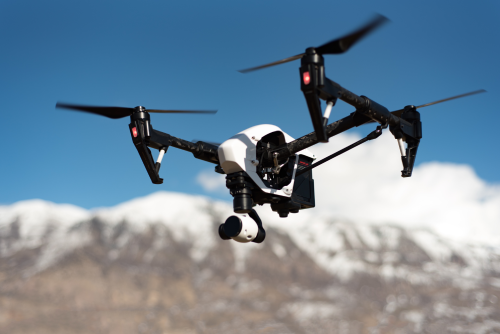
The best drones for learning videography are not always the ones with the highest resolution. For most beginners in India, a light, stable drone with a proper gimbal, predictable controls, and easy access to batteries and spare props will teach you faster than a more powerful but more intimidating machine.
If your goal is to learn smooth movement, framing, and basic aerial storytelling, the sweet spot is usually a compact GPS camera drone in the mini or mid-size class. The right pick depends less on marketing and more on where you can legally fly, how much risk you can afford, and how serious you are about growing beyond casual content.
Quick Take
-
Best overall for most learners: DJI Mini 4 Pro
Great balance of safety features, image quality, portability, and beginner-friendly flight modes. -
Best value starter: DJI Mini 3
A strong choice if you want good-looking footage without paying for every advanced feature. -
Best used/refurbished buy: DJI Mini 3 Pro
Worth considering if you find it in excellent condition at a meaningful discount. -
Best step-up for serious learners: DJI Air 3
Better wind handling and more room to grow, but heavier, costlier, and less casual. -
Best low-risk practice option: A small prop-guarded trainer drone
Good for learning orientation and basic stick control, but not for true cinematic footage. -
Best advice for Indian buyers: Buy the drone you can actually fly, service, and practice with legally. A great camera means little if the drone is too stressful, too expensive to repair, or difficult to operate in your area.
What makes a drone good for learning videography?
A beginner videography drone should make three things easy:
- Stable flight
- Smooth footage
- Safe repetition
That sounds obvious, but many buyers still focus too much on headline resolution and too little on the features that actually help them learn.
1) A real 3-axis gimbal matters more than flashy specs
A 3-axis gimbal is the motorized stabilizer that keeps the camera level and smooth even when the drone moves. For learning videography, this is far more important than chasing the highest resolution.
A drone with a proper gimbal helps you learn:
- smooth forward pushes
- slow reveals
- controlled pans
- gentle descents
- orbit-style shots
Without a good gimbal, footage often looks shaky, twitchy, and toy-like.
2) GPS hold and return-to-home reduce beginner stress
A GPS camera drone can hold position more reliably when you release the sticks. That gives you time to think about framing rather than fighting the aircraft.
Return-to-home is the automatic feature that brings the drone back when battery is low or signal is interrupted. It is not a substitute for skill, but it is an important safety net for a learner.
3) Smooth control modes help you get cinematic movement
Many beginner-friendly camera drones include a slower flight mode often called Cine mode or something similar. This softens stick response, making it easier to create smooth motion.
For learning videography, that matters more than raw speed.
4) Obstacle sensing is useful, but not magic
Obstacle sensing uses sensors to detect objects and warn, brake, or help the drone avoid them. It is very helpful for learners, especially when moving backward, flying low, or tracking a subject.
But it does not make a beginner crash-proof. Trees, wires, thin branches, poor light, and side movement can still catch people out. Treat it as backup, not permission to take risks.
5) Wind handling matters in India more than many first-time buyers expect
If you live in a coastal city, on a plateau, or in an area with open fields and gusty afternoons, very small drones can get pushed around more than you expect.
Mini-class drones are excellent for learning, but they are still small aircraft. If you regularly plan to shoot in windy conditions, a slightly larger drone may feel more stable, though it will also be less convenient and may involve more compliance considerations.
6) Editing-friendly footage matters if you want to improve
You do not need advanced color workflows on day one. But it helps if the drone gives you:
- clean, well-exposed footage
- decent dynamic range, meaning better detail in bright and dark areas
- reliable color
- easy-to-handle files for basic editing
For a beginner, good-looking standard footage is often more useful than a complicated “pro” color profile you do not yet know how to grade.
7) After-sales, batteries, and spare parts are part of the buying decision
A drone is not just the aircraft.
You should also think about:
- spare batteries
- propellers
- charger speed
- controller comfort
- memory cards
- local repair support
- battery replacement cost
- firmware and app reliability
For Indian buyers, this matters a lot. A slightly less exciting drone with easier spares and support can be the smarter long-term choice.
Best drones for learning videography
Here is the short list most beginners should focus on.
| Drone | Why it suits learners | Main trade-off | Best for |
|---|---|---|---|
| DJI Mini 4 Pro | Very beginner-friendly, strong safety features, excellent mini-class image quality | Premium price for a first drone | Learners who want the easiest path to polished footage |
| DJI Mini 3 | Strong value, light and portable, good video for learning core skills | Fewer advanced safety features | Budget-conscious beginners who still want real results |
| DJI Mini 3 Pro | Well-rounded and often attractive on the used market | Must inspect battery health and condition carefully | Smart buyers who want more features without buying latest-new |
| DJI Air 3 | Better wind stability, dual-camera flexibility, stronger “grow with me” feel | Heavier, costlier, less casual | Serious learners and future paid-content creators |
| Small prop-guard trainer drone | Cheap way to learn orientation and stick basics | Not true videography quality | Nervous first-timers who want a crash-tolerant practice tool |
DJI Mini 4 Pro
If your budget allows it, this is the easiest all-round answer for most people learning aerial videography.
Why it stands out:
- compact and easy to carry
- strong mini-class image quality
- very capable stabilization
- excellent beginner aids
- useful obstacle sensing
- good slow and controlled movement options
- suitable for travel, campus projects, creator work, and social content
For learning, the big advantage is confidence. A beginner can focus on composition, timing, and movement without feeling as exposed as they might on a simpler drone.
It is especially good for:
- YouTube creators
- Instagram and short-video creators
- students learning aerial storytelling
- travel shooters
- small businesses needing polished social media footage
Watch-outs:
- It is expensive for a first drone.
- Mini size still means you need to respect wind.
- Advanced features can tempt you to rely on automation too much.
- You should still budget for extra batteries.
If you want one drone that can teach you well and still feel relevant later, this is probably the strongest pick.
DJI Mini 3
For many beginners, this is the value sweet spot.
It gives you most of what actually matters for learning:
- proper stabilized footage
- easy portability
- dependable beginner flight behaviour
- enough image quality for social media, travel films, and student work
- less pain if you are not sure how deeply you will commit
This is the drone to buy if your thinking is: “I want real aerial video quality, but I do not need every premium feature.”
It is a smart fit for:
- first-time buyers on a tighter budget
- hobbyists upgrading from toy drones
- students making college projects
- creators who mainly shoot in open, low-risk spaces
Watch-outs:
- You get fewer advanced safety features than on higher models.
- It demands more discipline around obstacle clearance.
- If you later want heavier commercial use, you may outgrow it faster.
If you are careful, willing to practice in open spaces, and want maximum value, the Mini 3 is hard to ignore.
DJI Mini 3 Pro
This is often the “smart buyer’s” option if found in excellent condition.
It can be a very good learning drone because it sits nicely between the simpler Mini 3 and the more premium Mini 4 Pro. In many cases, it gives you enough advanced features to make learning smoother without paying for the newest model.
Why it still makes sense:
- strong mini-class portability
- better feature set than basic entry models
- capable enough to grow with your skills
- often attractive in refurbished or second-hand listings
This is best for buyers who:
- are comfortable evaluating used gear
- want better features than the Mini 3
- care about value more than buying the latest release
Watch-outs when buying used:
- check battery cycle count or general battery health if possible
- inspect gimbal alignment carefully
- test hover stability and camera feed
- confirm controller and charging accessories are original
- verify invoice, serial details, and current compliance before you pay
If the price gap is small, a newer model may be easier. But if the discount is meaningful and condition is excellent, the Mini 3 Pro can be one of the best learning buys available.
DJI Air 3
The Air 3 is the “I’m serious about this” choice.
It is not the best first drone for everyone, but it becomes very attractive if you already know you want to go beyond casual flying. Compared with mini drones, it generally feels more planted in the air and gives you more compositional flexibility.
Its major learning advantages are:
- better wind confidence
- more substantial handling
- stronger room to grow into advanced shooting
- dual-camera flexibility, which helps you learn framing and perspective
That last point matters more than it sounds. Learning videography is not just about flying smoothly. It is also about understanding how shot distance changes emotion and storytelling. A dual-camera setup can teach that faster.
The Air 3 is a good fit for:
- creators planning regular travel or outdoor shoots
- people who may take on paid social media work later
- learners in windier environments
- buyers who want a longer runway before upgrading
Watch-outs:
- it costs more overall
- it is less convenient to carry casually
- it may be excessive if you mostly want occasional weekend flying
- heavier drones may bring more practical and compliance considerations depending on your use case and the latest rules
Choose this if you know you want to commit and can accept the extra expense and responsibility.
Small prop-guarded trainer drone
This is not a cinematic camera drone, but it has one useful role: reducing fear.
If you are extremely new to flight and nervous about crashing, a small prop-guarded trainer can help you practice:
- orientation
- takeoff and landing
- gentle throttle control
- left/right stick coordination
- indoor or very controlled basic movement
That said, it is not a true answer to the videography part of this title. Most such drones do not produce footage you would actually want to edit into a polished film.
Buy one only if:
- you are very anxious about damaging a costlier drone
- you want a short practice phase before buying a real camera drone
- you understand you will outgrow it quickly
For most serious learners, it makes more sense to go straight to a proper mini-class camera drone and practice in a safe open area.
Why FPV is usually the wrong first choice for videography
FPV means first-person view, a style of flying built around speed, agility, and immersive goggles. FPV footage can look amazing, but it is usually not the easiest path for someone learning core videography.
As a first drone, FPV has drawbacks:
- steeper learning curve
- higher crash risk
- more technical setup
- less forgiving flight behaviour
- harder to learn stable cinematic basics first
If your dream is real-estate fly-throughs or high-energy chase shots, FPV can come later. But for learning composition, camera movement, and general aerial storytelling, a standard GPS camera drone is the better starting point.
How to choose the right drone for your situation
Use this simple process before buying.
1) Decide what you want to shoot in the next six months
Be specific.
- travel videos
- college projects
- resort or café content
- family trips
- real-estate exteriors
- nature shots
- bike or car follow footage where legal and safe
- social media reels
If most of your work is casual and shareable, a mini drone is usually enough. If you already expect regular serious work, a step-up model may make sense.
2) Decide where you will actually practice
This is a major India-specific point.
Many beginners imagine flying around city skylines, rooftops, and crowded landmarks. In reality, legal and safe flying often happens in more open, controlled areas. So ask yourself:
- Do I have access to open land where flight is allowed?
- Will I travel to shoot?
- Will I mostly practice in mornings when wind is calmer?
- Am I buying a drone that is easy to carry to a permitted location?
A portable drone you can practice with often will teach you more than a larger drone you rarely take out.
3) Budget for the full kit, not just the drone
A realistic starter budget usually includes:
- drone
- controller
- at least 2 to 3 batteries total
- memory card
- spare propellers
- carrying case
- optional ND filters later
If your budget only covers the aircraft, you may end up under-equipped and frustrated.
4) Pick mini vs mid-size honestly
Choose a mini-class drone if you want:
- portability
- easier casual use
- lower entry cost
- enough quality for learning and content creation
Choose a mid-size drone if you want:
- better wind confidence
- more future-proofing
- more serious feel and capability
- room to grow into demanding projects
5) Decide how much safety tech you want
If you are a careful beginner practicing in open areas, you can learn well on a simpler drone.
If you know you will shoot around trees, buildings, moving subjects, or tight environments, extra sensing and intelligent flight features can be worth the premium.
6) Check service and parts before paying
This step is boring but important.
Ask:
- Are batteries easy to buy later?
- Can I get original propellers?
- Is repair support realistic?
- Are firmware and app support stable on my phone?
- Is there a return window if the gimbal or controller has issues?
Buying in India: practical checks before you pay
Before choosing any drone for learning videography, verify these basics:
- seller credibility and invoice
- controller type and compatibility with your phone
- battery count included in the package
- propeller availability
- charger type and charging time
- whether the drone is new, refurbished, imported, or second-hand
- service and repair path if something fails
- whether the model’s use and operation are currently compliant in India
If you are buying used, add these checks:
- gimbal horizon level
- camera feed stability
- battery swelling or unusual heat
- motor sound consistency
- GPS lock behaviour in an open area
- any history of crash repairs
Safety, legal, and compliance basics in India
Drone rules in India can change, and the correct answer depends on the drone category, the airspace, the purpose of use, and the latest DGCA guidance. Before buying or flying, verify current official rules instead of relying on social media advice.
Here are the basics every beginner should treat seriously:
1) Verify the latest DGCA and Digital Sky requirements
Check the current official guidance on:
- whether your drone model and intended use are allowed
- whether registration applies
- whether a remote pilot certificate is required for your case
- where you can and cannot fly
- whether the aircraft must meet current platform or permission requirements
If a seller says “no rules apply,” do not take that at face value.
2) Understand NPNT before assuming any imported drone is fine
NPNT stands for No Permission, No Takeoff. Depending on the current rules and the model you are buying, compliance expectations may matter.
This is especially important if you are considering:
- imported drones
- unofficial grey-market units
- second-hand drones with unclear history
- older inventory
Verify the current status before purchase.
3) Airspace matters more than camera quality
Even a beginner-friendly drone should not be flown carelessly near:
- airports
- military areas
- government-sensitive locations
- crowds
- major roads
- railway lines
- dense residential areas
- public events
Always check the latest permitted airspace and take local conditions seriously.
4) Respect privacy and local permission
Videography is not just about the sky.
Do not casually film:
- private homes
- terraces
- weddings
- school grounds
- gated communities
- people in ways they would not reasonably expect
Get permission when appropriate. Good videography is also responsible videography.
5) Weather and heat are real safety issues
For Indian conditions:
- avoid strong afternoon gusts, especially with mini drones
- do not leave batteries in a hot car
- be cautious during summer heat
- avoid monsoon moisture and unstable weather
- maintain visual line of sight unless specifically allowed otherwise under current rules
Common mistakes beginners make
Buying for resolution, not control
Smooth movement beats extra pixels almost every time. Viewers notice shaky flying before they notice whether you recorded in a higher resolution.
Buying too big too soon
A larger drone may be more stable, but it can also be harder to carry, more expensive to repair, and more stressful to fly as a beginner.
Ignoring total cost
One battery is rarely enough for useful practice. Many buyers underestimate how important spare batteries and props are.
Practicing in bad conditions
Strong wind, crowded areas, rooftops, and narrow spaces are poor learning environments. Start in wide open, legal, low-pressure locations.
Relying too much on automation
Tracking, quick shots, and auto modes are helpful, but they do not replace learning:
- straight lines
- constant-speed movement
- gentle yaw
- altitude control
- composition
Flying first and learning editing later
Good videography is half capture and half editing. Even basic trimming, color correction, and music timing will improve your results more than many hardware upgrades.
Forgetting that light matters
Sunrise and late afternoon often make average drones look much better. Harsh midday light makes even expensive drones struggle.
FAQ
Is a sub-250g drone enough to learn real videography?
Yes, absolutely. For many beginners, a good sub-250g drone is the best place to start. It is portable, less intimidating, and capable of producing polished footage when flown well. The key is choosing one with a proper gimbal and good flight stability.
Should I buy FPV if I want cinematic drone shots?
Usually no, not as your first drone. FPV is brilliant for dynamic, immersive movement, but it is harder to fly and easier to crash. A standard GPS camera drone is better for learning smooth cinematic basics.
Do I need obstacle avoidance as a beginner?
It is helpful, but not mandatory. If your budget allows it, obstacle sensing adds confidence and can prevent some beginner mistakes. But it should never replace good judgment, open practice areas, and safe flight habits.
How many batteries should I buy?
For learning videography, three batteries is a very practical starting point. One flight is rarely enough to warm up, experiment, and repeat a shot properly. Extra batteries often improve your learning more than buying a higher-tier model with only one battery.
Is 4K necessary for learning videography?
Not strictly, but it is useful. More important than resolution is stable footage, good light, and smooth movement. If your drone captures clean video and you edit well, that matters more than chasing top-end recording modes.
Should I buy a used drone to save money?
Yes, if you can inspect it properly and verify its paperwork, condition, and battery health. A clean used Mini 3 Pro, for example, can be a smarter learning buy than a brand-new but weaker alternative. Do not buy used just because the price seems low.
Do I need ND filters when starting out?
Not on day one. ND filters are like sunglasses for the camera and can help create more natural motion blur in bright daylight. They are useful, but beginners should first learn framing, timing, and smooth movement.
Can I use the same drone for YouTube, Reels, and small paid shoots later?
Yes, in many cases. A good mini drone can handle travel videos, creator content, campus work, and many basic business shoots. Just remember that client work also raises expectations around permissions, planning, reliability, and legal compliance.
What if I mainly want to shoot in cities?
That is where legal and practical restrictions become more important. Urban flying can involve airspace limits, privacy concerns, and safety risks. Before buying, be realistic about whether you have legal, safe places to practice and shoot.
Final takeaway
If you want the simplest answer, the DJI Mini 4 Pro is the best all-round drone for learning videography, the DJI Mini 3 is the best value starting point, and the DJI Air 3 is the better choice only if you already know you want to grow into more serious work.
For most people in India, the smartest move is to buy the smallest drone that gives you a real gimbal, dependable GPS, and enough safety features to practice confidently. Then spend the rest of your effort on batteries, legal flying habits, and repeat practice, because that is what actually turns a beginner drone into good video.
