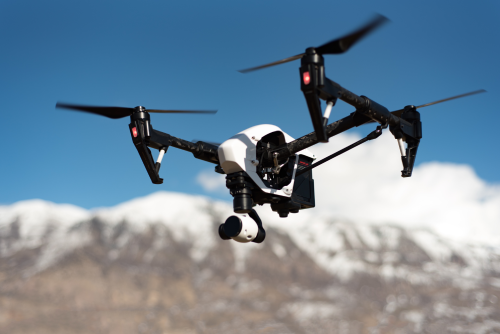
India offers some of the world’s best aerial landscapes, from Himalayan ridgelines and desert textures to coastlines, tea gardens, and monsoon valleys. If you’re looking for the best drones for landscape photography, the right pick is not just about camera quality. It is about portability, wind stability, battery support, and how realistically you can fly it legally and safely in the places you want to shoot.
For most buyers in India, the best landscape drone is the one you will actually carry, maintain, and use often, not the most expensive one on paper.
Quick Take
-
Best overall for most buyers: DJI Air 3
A strong all-rounder with two useful focal lengths, good wind performance, and a practical balance of image quality and portability. -
Best lightweight travel pick: DJI Mini 4 Pro
Ideal for hikers, travellers, and creators who want very good results in a compact, easier-to-carry body. -
Best premium photo-first drone: DJI Mavic 3 Classic
Best choice if still image quality matters more than weight, especially for sunrise, sunset, and large prints. -
Best high-end multi-lens option: DJI Mavic 3 Pro
Excellent for professionals who want more framing flexibility without changing aircraft. -
Best value pick for beginners: DJI Mini 3
A smart entry point if you want solid landscape images without jumping into a bigger, pricier platform. -
Best non-DJI alternative to consider: Autel EVO Lite+
Worth a look if you specifically want a non-DJI system, but check service, parts, and support carefully in India. -
Buying tip for India: After-sales support, battery availability, and genuine warranty matter almost as much as the camera.
What makes a drone good for landscape photography?
Landscape photography rewards a different kind of drone than action-heavy flying or FPV-style content. You do not just need a drone that flies fast. You need one that can hold position well, capture detail in tricky light, and give you framing options without making the whole trip a burden.
1. Sensor quality and dynamic range
A larger or better-performing sensor usually gives you:
- cleaner files at dawn and dusk
- smoother shadow detail
- better highlight recovery in bright skies
- more flexibility when editing RAW images
Dynamic range means how well the camera can hold detail in bright areas and dark areas in the same frame. This matters a lot in landscapes, where the sky is often much brighter than the ground.
2. Lens options matter more than most beginners expect
A wide view is useful, but landscape photography is not only about “ultra-wide everything.”
A second, slightly tighter lens can help you:
- compress mountain layers
- isolate a river bend, temple, fort, or lighthouse
- avoid empty foreground
- create cleaner compositions from a safe distance
That is one reason dual-camera drones are so attractive for landscape work.
3. Wind handling is not a small issue
If you shoot in:
- hill stations
- coastal areas
- open plateaus
- desert regions
- post-monsoon valleys
then wind performance matters a lot. Small drones can produce beautiful images, but larger drones usually feel calmer in gusty air.
4. RAW support and bracketing are very useful
For serious landscape photography, look for:
- RAW photo capture, which gives you more editing flexibility than JPEG
- AEB or exposure bracketing, where the drone captures multiple exposures for tricky contrast scenes
- Panorama modes, useful for large scenic views
- reliable manual camera control
5. Portability affects how often you actually fly
A drone that stays in the cupboard because it is bulky is not the best drone for you.
If you trek, travel by train, ride a bike, or pack light, a compact drone can easily outperform a heavier premium drone in real life simply because you carry it more often.
6. Battery ecosystem and support are part of the buying decision
In India, this is a practical issue. Before buying, ask:
- Are original batteries easily available?
- Can I get propellers and small replacement parts?
- Is there a trusted dealer with invoice and warranty?
- If something goes wrong, how painful is repair?
A great camera means little if one damaged gimbal or a dead battery sidelines the drone for months.
Best drones for landscape photography at a glance
| Drone | Best for | Why landscape photographers like it | Main trade-off |
|---|---|---|---|
| DJI Air 3 | Most buyers | Dual-camera flexibility, strong all-round performance, better wind confidence than mini-class drones | Bigger and costlier than the Mini series |
| DJI Mini 4 Pro | Travel, hiking, lightweight use | Very portable, capable image quality, easy to pack | Smaller platform is less reassuring in tougher wind |
| DJI Mavic 3 Classic | Premium stills-first work | Excellent image quality, stronger low-light performance, pro-grade feel | Expensive and less travel-friendly |
| DJI Mavic 3 Pro | Commercial and advanced creators | Multiple focal lengths for more refined framing | High price and more than most beginners need |
| DJI Mini 3 | Value-focused buyers | Good results for the money, compact, approachable | Fewer advanced safety features and less wind confidence |
| Autel EVO Lite+ | Buyers wanting a non-DJI option | Strong camera-first appeal, good still-image potential | Support and availability can vary by seller and region |
Best drones for landscape photography
DJI Air 3
Best overall for most buyers
If you want one practical recommendation for most Indian hobbyists and creators, the DJI Air 3 is the easiest drone to recommend. Its biggest advantage for landscapes is not just image quality. It is the combination of image quality, dual-camera flexibility, and stronger real-world flying confidence than a mini-class drone.
The second lens is genuinely useful. Many landscape scenes look better when you step back visually and use a tighter focal length to compress ridgelines, highlight patterns in fields, or isolate a fort on a hill rather than showing too much empty foreground.
Why it stands out:
- dual-camera system gives better composition options
- handles wind better than ultra-light drones
- suitable for both stills and scenic video
- feels like a long-term drone, not a starter drone you outgrow immediately
What to watch:
- less convenient to carry than a Mini drone
- more expensive than entry-level options
- still not the top choice if your priority is the absolute best still-image quality over everything else
Who should buy it:
- travellers who shoot a mix of landscapes and video
- creators who want one drone for most situations
- buyers stepping up from beginner drones and wanting a meaningful upgrade
If you shoot road trips, resorts, scenic towns, or mountain landscapes and want one balanced tool, this is the sweet spot.
DJI Mini 4 Pro
Best lightweight travel drone for landscape photography
The Mini 4 Pro is the easiest drone to live with. That matters more than spec sheets suggest. A compact drone is far more likely to come with you on early-morning hikes, weekend drives, campus trips, or spontaneous travel.
For landscape work, the Mini 4 Pro gives you very strong image quality for its size. It is especially attractive if you value portability, quick deployment, and lower carrying stress. It is also a good fit for creators who want scenic content for social media as well as still photography.
Why it stands out:
- extremely travel-friendly
- strong image quality for a lightweight class
- easy to pack with a camera bag or daypack
- less intimidating for new pilots
What to watch:
- strong mountain or coastal winds can challenge smaller drones sooner
- while image quality is impressive, it still does not replace a larger premium sensor for demanding print work
- do not assume light weight automatically means simple legal use everywhere
Who should buy it:
- hikers and travellers
- beginners who want a serious drone, not a toy
- creators who value convenience and still want polished aerial landscapes
If you often say, “I want something good, but I know I won’t carry a big drone,” this is probably your best answer.
DJI Mavic 3 Classic
Best premium drone for still landscape photography
If your priority is image quality first, the DJI Mavic 3 Classic is one of the best choices for landscape photography. It makes the most sense for buyers who care about richer files, better tonal flexibility, and stronger results in golden hour or blue-hour conditions.
This is where you start feeling the difference between a very good travel drone and a true camera-first platform. If you edit carefully, print large, sell fine-art work, or shoot premium tourism and hospitality content, the Mavic 3 Classic earns its place.
Why it stands out:
- stronger still-image quality than smaller drones
- better suited for sunrise, sunset, and high-contrast scenes
- more room to edit RAW files cleanly
- feels more at home in paid or portfolio-driven work
What to watch:
- larger bag, larger batteries, larger commitment
- cost is hard to justify for casual users
- not the best option if you mainly want something small and spontaneous
Who should buy it:
- professional or semi-professional photographers
- premium real estate, resort, and tourism shooters
- serious enthusiasts who care more about stills than portability
If landscapes are your craft rather than an occasional hobby, this is where the conversation gets serious.
DJI Mavic 3 Pro
Best for professionals who want multiple framing options
The Mavic 3 Pro is a specialist recommendation. For many buyers, it is simply more drone than necessary. But for advanced users who shoot commercial work, travel documentaries, destination campaigns, or portfolio-grade scenic material, its multiple focal lengths can be extremely valuable.
In landscapes, different focal lengths are not just a convenience. They change the story. A wide frame can show scale. A tighter frame can show rhythm, layering, distance, or geometry. The Mavic 3 Pro lets you explore those choices more deeply from the same takeoff point.
Why it stands out:
- several useful framing options in one aircraft
- excellent flexibility for advanced composition
- strong option for professionals who deliver multiple looks from one location
What to watch:
- expensive
- more complex decision-making in the field
- unnecessary for many first-time buyers
Who should buy it:
- commercial creators
- production teams
- experienced drone photographers who already know why they want multiple lenses
If you are still asking whether you need it, you probably do not. If you already know how lens choice changes landscape storytelling, it may be worth every rupee.
DJI Mini 3
Best value pick for beginners and budget-conscious buyers
The DJI Mini 3 remains a very sensible choice for buyers who want good landscape results without stretching to a more advanced platform. It is compact, approachable, and capable enough to produce impressive scenic images when used well.
This is a good drone for learning composition, light, and flight discipline. Many buyers spend too much too early, then discover they are not actually comfortable flying in real locations. The Mini 3 avoids that trap for a lot of people.
Why it stands out:
- strong value
- easy to carry and simple to enjoy
- good image quality for casual to intermediate landscape use
What to watch:
- fewer premium safety features than newer, higher-end options
- less confidence in tougher wind
- easier to outgrow if you become very serious about image quality or commercial work
Who should buy it:
- students
- first-time drone buyers
- hobbyists who want a proper camera drone without going premium
If your budget is limited but your expectations are realistic, this is still one of the smartest starting points.
Autel EVO Lite+
Best non-DJI alternative to consider
Some buyers prefer not to enter the DJI ecosystem, or they find an Autel package through a trusted seller that fits their needs. In that case, the Autel EVO Lite+ is one of the more appealing alternatives for landscape use because it is built with camera performance in mind.
Its appeal is straightforward: strong still-image potential and a serious-camera feel. But in India, the bigger question is not only performance. It is support. Before buying, you should be extra careful about dealer credibility, replacement batteries, app compatibility, firmware support, and repair options.
Why it stands out:
- strong photo-focused appeal
- good option for buyers specifically seeking a non-DJI brand
- can suit scenic stills well
What to watch:
- support network may be less straightforward than mainstream DJI channels
- spare part and service experience can vary
- buy only through a reliable source with proper invoice clarity
Who should buy it:
- buyers who specifically want a non-DJI platform
- users who have confirmed service and parts support beforehand
It can be a good landscape drone, but only if the ownership side makes sense in your city and buying channel.
Which drone should you buy?
If you want the shortest practical answer:
- Choose the DJI Air 3 if you want the best balance of quality, flexibility, and confidence.
- Choose the DJI Mini 4 Pro if you travel often and want the lightest serious option.
- Choose the DJI Mavic 3 Classic if still-photo quality matters more than size and budget.
- Choose the DJI Mavic 3 Pro only if you are an advanced or commercial user who will truly use the extra lens options.
- Choose the DJI Mini 3 if value matters most and you are just starting out.
- Choose the Autel EVO Lite+ only after checking support and availability carefully.
A simple rule helps:
- If you hike or travel light, buy smaller.
- If you shoot dawn, dusk, paid work, or large prints, buy better camera quality.
- If you want one drone for almost everything, buy the best all-rounder rather than the most extreme option.
India-specific buying checks before you pay
Before purchasing any drone for landscape photography in India, check these practical points:
-
Buy from a reliable seller with a proper invoice.
Grey-market deals can look attractive until you need a battery, firmware support, or repair. -
Confirm battery and propeller availability.
Consumables are not optional. You will need them. -
Check smartphone and app compatibility.
Some drone problems are really phone compatibility problems. -
Verify the latest DGCA and Digital Sky requirements.
Rules can change, and different advice online is often outdated. -
Check how you will actually fly where you travel.
A drone is not useful if most of your likely locations are restricted or impractical. -
Budget for accessories.
At minimum, think about extra batteries, a good memory card, landing pad, and a protective case.
Safety, legal, and compliance checks in India
Landscape photography often tempts people into remote-looking locations, but “remote-looking” does not always mean “legal to fly.”
Before every trip, verify the latest official position on:
- airspace restrictions
- registration requirements
- drone category rules
- any pilot qualification or permission requirement
- location-specific restrictions
A few practical reminders:
- Do not assume a lighter drone is exempt from every rule.
- Do not rely on old forum posts about DGCA, NPNT, or Digital Sky workflows.
- Do not fly near airports, military areas, sensitive government zones, major infrastructure, or crowds.
- Wildlife areas, protected monuments, dams, ports, and certain tourist sites may have additional restrictions from local authorities or site managers.
- If your app allows takeoff, that does not automatically mean the flight is legal.
- Maintain visual line of sight and avoid reckless distance flying for “epic” shots.
- Mountain weather changes quickly. Wind, mist, and downdrafts can be more dangerous than they look on the ground.
- Respect privacy. Scenic locations may still include homes, pilgrims, tourists, or private property.
If you plan to shoot for clients, it is also wise to check whether insurance or liability cover is available through your insurer and what it actually includes.
Common mistakes buyers make
Buying a bigger drone than they will actually carry
Many people imagine cinematic road trips and sunrise flights, then stop carrying the drone after a month. If you travel light, portability is not a small detail. It is the whole game.
Chasing sensor size while ignoring wind conditions and location access
A premium drone is excellent, but not if you are too hesitant to carry it, too worried to fly it, or unable to use it in most places you visit.
Paying too much for zoom instead of learning composition
A second lens helps. Huge zoom marketing does not automatically help. Landscape images are usually improved more by light, framing, and elevation than by extreme zoom.
Underbuying batteries
One battery is rarely enough for a proper landscape session. Light changes quickly, and you may want time for scouting, retries, and panoramic captures.
Ignoring after-sales support
This is a major India-specific buying mistake. Warranty clarity, original accessories, and local support should be part of the decision from day one.
Assuming scenic places are automatically drone-friendly
Hill stations, coastlines, forts, and valleys may have local restrictions, crowd issues, or sensitive zones nearby. Always verify before travel.
FAQ
Is a sub-250 g drone enough for landscape photography?
Yes, for many people it is. A drone like the Mini 4 Pro or Mini 3 can create excellent landscape images when used in good light and calm conditions. The main limitations are wind confidence, premium low-light performance, and overall robustness compared with larger drones.
Should I buy the DJI Mini 4 Pro or DJI Air 3 for landscapes?
Choose the Mini 4 Pro if portability is your top priority. Choose the Air 3 if you want stronger wind performance and the flexibility of a second focal length. For many enthusiasts, the Air 3 is the better long-term buy if size is not a problem.
Is the Mavic 3 Classic worth the extra money over the Air 3?
If you mainly shoot still landscapes, edit RAW files seriously, print large, or work in difficult light, yes, it can be worth it. If you mostly want a balanced drone for travel, social media, and general scenic work, the Air 3 is usually the smarter value.
Are FPV drones good for landscape photography?
Not usually as a first choice. FPV drones are better for dynamic motion and immersive flying. For landscape photography, a stabilized camera drone is far easier to use, safer for beginners, and much better for clean stills and slow scenic compositions.
How many batteries do I need for landscape trips?
At least three total is a sensible target for most serious outings. One lets you scout, one lets you refine, and one gives you a safety buffer for changing light or unexpected wind.
Do I need RAW photos for landscapes?
If you care about editing quality, yes. RAW files help you recover sky detail, lift shadows more cleanly, and produce better final images than relying only on JPEGs.
Can I fly near mountains, forts, beaches, or national parks in India?
Maybe, maybe not. This depends on airspace, local restrictions, protected-area rules, and site-specific management. Always verify the latest official guidance and any local authority restrictions before flying. Do not assume scenic or tourist locations are open for drone use.
Do I need registration or a license in India to fly a camera drone?
Requirements can depend on the drone’s category, its weight, the purpose of use, and the airspace where you fly. Verify the latest DGCA and Digital Sky guidance before buying and before commercial use. Do not depend on outdated social media advice.
Is it safe to buy a used drone for landscape photography?
It can be, but only if you inspect it carefully. Check battery health, gimbal condition, sensors, arm hinges, propeller mounts, charger authenticity, and whether firmware and app connectivity work properly. A used premium drone can be better than a brand-new weak drone, but only if it is genuine and well maintained.
What accessories matter most for landscape drone photography?
Start with:
- extra batteries
- a fast, reliable memory card
- spare propellers
- a sturdy carry case
- a landing pad for dusty terrain
Filters can help more with video than stills, but some photographers also use them for specific creative situations.
Final takeaway
If you want the safest recommendation for most buyers, go with the DJI Air 3. If you want the most practical travel companion, choose the DJI Mini 4 Pro. If your goal is premium still-image quality for portfolio work, prints, or clients, step up to the DJI Mavic 3 Classic.
Before you click buy, answer three questions honestly: Will I really carry this drone on my trips? Can I get batteries and support easily in India? And can I legally fly it in the places I actually want to shoot? The best drone for landscape photography is the one that survives all three tests.
