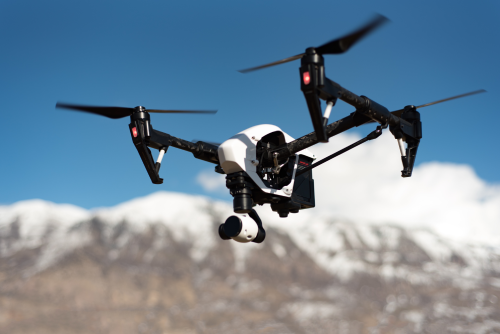
The best drones for intermediate pilots are not simply faster or more expensive than beginner models. The right upgrade gives you better wind handling, safer flying, stronger camera control, and enough room to grow without becoming a maintenance headache. For buyers in India, it also needs to make sense on support, spare parts, compliance, and long-term value.
Quick Take
- For most intermediate pilots, an Air-class drone is the sweet spot between portability, image quality, and confidence in the air.
- A mini drone still makes sense if you travel often, hike, or want a lighter, less intimidating everyday kit.
- Bigger premium drones are worth it only if you can actually use the better camera and don’t mind the bulk.
- FPV is a different path from regular camera drones. It can be excellent for skill-building, but it is not the best first upgrade for everyone.
- In India, after-sales support, battery availability, and repair turnaround matter almost as much as camera specs.
- Before buying, verify the latest DGCA and Digital Sky requirements for your drone class, use case, and flight area. Rules and implementation can change.
What makes a drone right for an intermediate pilot?
An intermediate pilot is usually someone who has moved past toy drones or basic assisted flying. You can take off and land confidently, understand orientation, know how Return-to-Home works, and want more control over your shots and flight decisions.
At this stage, the best drone is not the one with the longest feature list. It is the one that helps you improve.
Here is what matters most.
1. Better wind performance
Lighter drones are convenient, but larger drones usually handle gusty conditions more confidently. That matters in India, especially if you fly in coastal areas, hill stations, open fields, or rooftops.
2. Stronger safety systems
Intermediate pilots do not need a drone that flies everything for them, but they do benefit from:
- obstacle sensing
- more reliable return-to-home behaviour
- stronger GPS lock
- better signal stability
- more predictable braking and tracking
Obstacle sensing means the drone uses sensors or cameras to detect objects and help avoid collisions. It is a safety net, not a license to fly carelessly.
3. Manual camera control
If you are starting to care about image quality, you need more than “good 4K.” Look for:
- manual exposure control
- the option to shoot in a flatter colour profile for editing
- stable gimbal movement
- decent low-light performance
- usable photo files, not just social-media-ready video
A flat colour profile looks dull at first, but keeps more editing flexibility.
4. Controller and app experience
A drone can be great on paper and frustrating in real life if the app is buggy, the controller screen is poor, or setup takes too long. Intermediate pilots often fly more often, so convenience matters.
5. Accessory ecosystem
The real cost of a drone is not just the drone. It is also:
- extra batteries
- propellers
- charger
- ND filters for video
- bag or case
- spare parts
- service availability
In India, this is a big deal. A drone with weak spare support can become a problem after one minor crash or one bad battery.
6. Room to grow
A good intermediate drone should let you learn:
- more precise framing
- manual exposure
- smoother stick control
- better shot planning
- safer flying in changing conditions
It should not feel like a dead end after three months.
Best drones for intermediate pilots: the shortlist
The models below are the strongest practical picks for most intermediate users today, especially if you are buying through a reliable Indian seller and checking current warranty and support terms before payment.
| Drone | Best for | Why it stands out | Main watch-out |
|---|---|---|---|
| DJI Air 3 | Best overall for most intermediate pilots | Balanced size, strong flight confidence, dual-camera flexibility, good growth platform | Bigger and costlier than mini drones |
| DJI Mini 4 Pro | Best compact upgrade | Portable, capable, feature-rich, easier to carry everywhere | Still less planted in wind than larger drones |
| DJI Mavic 3 Classic | Best premium camera upgrade | Better image quality, more serious pro feel, stronger presence in the air | Expensive and less travel-friendly |
| DJI Avata 2 | Best FPV-style upgrade | Fun, immersive, easier entry into FPV than a custom build | Different flying style and limited as an all-round work drone |
| DJI Air 2S (used or old stock) | Best value if bought carefully | Mature platform, still very capable, often better value than cheap new drones | Older batteries, support and condition vary |
| 5-inch custom FPV drone | Best for pilots committed to manual flying | Maximum skill growth, repairable, customizable | Steep learning curve, higher crash risk, more setup effort |
The best picks in detail
DJI Air 3
Best overall for most intermediate pilots
If you are upgrading from a basic camera drone or a mini drone, the Air 3 is one of the most sensible next steps. It sits in a very useful middle ground: serious enough to improve your flying and shooting, but not so large or expensive that every flight feels stressful.
Why intermediate pilots like it
- better wind confidence than mini-class drones
- dual-camera setup gives you more framing options
- good balance of safety features and portability
- a clear step up for travel, real-estate, and outdoor creators
- capable enough to grow with your editing and shot-planning skills
The biggest advantage is how complete it feels. You get a drone that is still realistic to carry, but far more useful when conditions are not perfect.
Best for
- content creators
- travel filmmakers
- real-estate shooters
- hobbyists who fly regularly
- buyers who want one main drone for the next few years
Watch-outs
- batteries and accessories add up
- larger footprint than a mini drone
- not everyone needs the extra size if most flying is casual and local
If you want one drone that does most things well and gives an obvious upgrade from beginner flying, this is the safest recommendation.
DJI Mini 4 Pro
Best compact upgrade
Some intermediate pilots do not need a bigger drone. They need a smarter, more capable drone that still fits in a small bag and gets carried everywhere. That is where the Mini 4 Pro makes sense.
Why it works
- compact enough for frequent travel
- strong feature set for its size
- easier to use in daily, spontaneous flying
- less hassle for people who do not want a bulky kit
- excellent option for learning framing, tracking, and manual camera control
For many Indian buyers, this is the “use it more often” drone. If a larger drone stays at home, it is not helping you improve.
Best for
- travel creators
- students
- hikers
- casual professionals
- anyone upgrading from a toy or basic beginner drone
Watch-outs
- lighter drones can feel less stable in stronger wind
- not the best choice if you frequently fly in open windy terrain
- once you start doing more demanding commercial-style work, you may outgrow it faster than an Air-class drone
If portability is your priority, the Mini 4 Pro is the most practical serious drone for intermediate pilots.
DJI Mavic 3 Classic
Best premium camera upgrade
The Mavic 3 Classic is for the pilot who already knows they care about image quality and wants a drone that feels more “production ready” without jumping straight into enterprise gear.
Why it stands out
- larger camera sensor than mid-range drones
- better dynamic range, especially in challenging light
- more stable and composed in the air
- a more serious platform for careful, planned shooting
Dynamic range is the camera’s ability to keep detail in bright and dark parts of the same scene. If you shoot sunrises, sunsets, landscapes, resorts, architecture, or property videos, that matters.
Best for
- freelance creators
- high-end travel work
- tourism and hospitality content
- people already comfortable with editing and colour grading
Watch-outs
- expensive to buy and maintain
- bigger kit to transport
- overkill if your output is mostly quick social clips
This is the “buy once, use seriously” option. It is excellent, but only if your work or hobby actually demands it.
DJI Avata 2
Best FPV-style upgrade
FPV stands for first-person view. Instead of flying a stable camera drone in the usual cinematic style, you fly more immersively, often using goggles, faster movement, and more aggressive angles.
The Avata 2 is not the best all-round drone for every intermediate pilot. But if you are curious about immersive flight and want a safer path than a full custom FPV build, it is one of the easiest ways in.
Why it makes sense
- easier entry into FPV than building your own quad
- protected design can be more forgiving in light impacts
- exciting footage that looks very different from normal drone shots
- excellent tool for learning FPV mindset before going fully manual
Best for
- creators who want dynamic cinematic movement
- pilots who are bored with only top-down and reveal shots
- buyers planning to later move into custom FPV
Watch-outs
- different skill set from regular GPS camera drones
- not ideal as your only drone if you also need clean standard aerial shots
- you still need practice, discipline, and a safe flying area
If you want immersive flying, this is the sensible step. If you want one drone for travel, property, and everyday aerials, choose a camera drone first.
DJI Air 2S
Best value if buying used
A good used Air 2S can still be a smart buy for intermediate pilots who want strong capability without paying current-generation prices. It remains relevant because it came from a mature, dependable class of drones and still delivers strong real-world results.
Why it is still worth considering
- image quality remains solid for most hobby and creator work
- mature platform with lots of user knowledge available
- often a better value than a brand-new but weaker drone
- good step-up choice for pilots on a tighter budget
Best for
- buyers entering the used market carefully
- creators who want value over the newest features
- intermediate pilots who prioritize image quality over having the latest release
Watch-outs
A used drone is only a good deal if it has been cared for.
Check for:
- battery health and swelling
- gimbal smoothness and level horizon
- crash marks on arms, shell, and motors
- clean activation status and ownership transfer
- proper charging accessories
- test hover and sensor behaviour
- seller invoice and serial details
If you are not comfortable evaluating a used drone, bring an experienced pilot or skip it.
5-inch custom FPV drone
Best for pilots who truly want manual flying
This is the pure skill route. A custom 5-inch FPV drone is fast, repairable, customizable, and deeply rewarding to learn. It is also the least beginner-friendly path in this article.
Why some intermediate pilots choose it
- maximum control and manual flying skill
- easy to repair and modify if you understand the platform
- unmatched dynamic flight style
- good gateway into racing, freestyle, and advanced cinematic FPV
Best for
- pilots already practising in a simulator
- people who enjoy tinkering and learning hardware
- creators who specifically want full manual FPV
Watch-outs
- not a casual purchase
- much higher crash probability while learning
- setup, tuning, repairs, and battery handling need seriousness
- legal and operational responsibility is still fully yours
This is not the “best next drone” for most intermediate pilots. It is the best option only for pilots committed to FPV as a separate discipline.
Which type of intermediate pilot are you?
If you are confused between models, stop comparing brochures and choose by use case.
Choose a Mini-class drone if you are:
- travelling frequently
- carrying the drone on bikes, hikes, or family trips
- shooting mostly social, travel, and lifestyle content
- prioritizing convenience over absolute wind performance
Choose an Air-class drone if you are:
- flying often in open outdoor locations
- shooting real estate, resorts, events, or landscapes
- ready for a bigger bag and higher accessory cost
- looking for the best all-round upgrade
Choose a premium camera drone if you are:
- already editing seriously
- getting paid work or near-paid work
- regularly shooting difficult lighting conditions
- willing to pay for better files, not just better marketing
Choose FPV if you are:
- specifically chasing movement and immersion
- ready to practise in a simulator
- willing to accept crashes as part of learning
- interested in a different style of flying, not just a better regular drone
What Indian buyers should check before buying
Specs matter, but Indian ownership experience often depends on things the box does not tell you.
1. Spare parts and batteries
Before you pay, ask:
- Are genuine batteries easily available?
- Are propellers and chargers in stock?
- What is the repair path if a motor arm or gimbal is damaged?
- Is service local, city-based, or shipped elsewhere?
2. Warranty clarity
A low price is not a bargain if the product has no clean warranty path. Grey-market units can look tempting, but after-sales problems can wipe out the savings.
3. Official seller reputation
Buy from a seller who can explain:
- warranty terms
- activation and setup
- battery handling
- accessory compatibility
- service escalation
That conversation alone tells you a lot.
4. Total cost, not launch cost
A more expensive drone may be the better buy if:
- batteries last longer in practice
- parts are easier to source
- resale value holds better
- app experience is smoother
- repairs are less painful
5. Weather reality
Indian flying conditions are not always gentle. Heat, dust, humidity, and gusty evenings affect real-world experience. Choose accordingly.
Safety, law, and compliance in India
Drone rules in India depend on factors such as weight class, where you fly, and whether the use is recreational, professional, or commercial. Do not assume that advice from another pilot, an old video, or a seller is current.
Before flying, verify the latest official guidance on:
- DGCA rules for your drone category
- Digital Sky requirements, if applicable
- pilot certification requirements for your intended use
- airspace restrictions and no-fly areas
- permissions near airports, sensitive zones, and controlled airspace
- any local restrictions from police, property owners, or event organizers
A few practical points matter for almost everyone:
- never fly near airports or sensitive government and military areas
- do not fly over crowds or traffic
- keep clear visual awareness of the drone
- respect privacy when filming homes, balconies, farms, and private land
- check weather before every flight, especially wind
- keep batteries away from heat and do not charge damaged packs
Manufacturer geofencing and app warnings are helpful, but they do not replace your legal responsibility.
Common mistakes intermediate pilots make
Buying by camera resolution alone
A drone with flashy resolution numbers is not automatically better. Stability, sensor quality, colour, gimbal smoothness, and usability matter more.
Choosing too much drone too early
Many pilots buy a heavy premium drone, then avoid flying it because the kit is bulky, expensive, and stressful. A drone you fly often is better than a drone you admire in a cupboard.
Ignoring support and spares
In India, the best ownership experience often comes from the drone with the best service path, not the most exciting brochure.
Thinking obstacle sensing makes you crash-proof
Sensors help. Branches, wires, low light, glass, and fast moves can still beat them.
Upgrading to FPV without simulator time
If you want FPV, practise in a simulator first. It saves money and builds correct reactions.
Under-budgeting for accessories
Most intermediate pilots should plan for:
- at least two extra batteries
- spare props
- quality charger
- memory card
- basic case
- ND filters if shooting video seriously
Forgetting the used market inspection
A used drone can be excellent value, but not if it has hidden crash damage or weak batteries.
FAQ
What counts as an intermediate pilot?
Usually, someone who can already fly a basic drone safely, understands orientation, knows how to use return-to-home, and wants better control over camera, shot planning, and flight technique.
Is a mini drone enough for an intermediate pilot?
Yes, if portability matters most and your flying is mostly travel, casual content, or lighter creator work. No, if you often fly in windier locations or want a more stable, more serious platform.
Is the DJI Air 3 better than the Mini 4 Pro for most people?
For most intermediate pilots, yes. It is the more rounded growth platform. But if you want a drone you will actually carry everywhere, the Mini 4 Pro may still be the smarter buy.
Should I buy a used Air 2S or a new entry-level drone?
A well-kept Air 2S is often a better choice than a weaker new drone. Just inspect battery condition, gimbal health, sensor behaviour, and ownership status carefully.
Do intermediate pilots really need obstacle avoidance?
Need, not always. Benefit from, usually yes. It adds margin for error while you learn smoother and more ambitious moves. But you should still fly as if it does not exist.
How many batteries should I buy?
For most intermediate pilots, three total batteries is a practical starting point. One battery often makes sessions too short and rushed.
Should I get an FPV drone as my main upgrade?
Only if FPV is your main goal. If you also want standard aerials, travel shots, or property videos, a regular camera drone is the better first upgrade.
Do I need insurance?
For expensive drones, professional work, or frequent travel, insurance is worth considering. Verify current options, exclusions, and whether accidental damage and third-party liability are included.
What should I check before the first flight?
Do a firmware check, calibrate only if required, inspect props, confirm return-to-home settings, verify compass and GPS status, check airspace, and do a short low-altitude test hover before flying further.
Can one drone handle both content creation and survey-style work?
Sometimes, but not always well. If your real goal is mapping, inspection, or structured data capture, choose a platform based on software compatibility and workflow support, not just camera quality.
Final takeaway
For most buyers, the best drone for an intermediate pilot is the DJI Air 3 because it offers the cleanest step up in control, confidence, and creative range. If portability matters more than power, the Mini 4 Pro is the smarter everyday choice. If your real goal is premium image quality or FPV, choose a Mavic-class drone or an Avata-style setup on purpose, not by impulse. Above all, buy the drone you can support, service, and fly often in India—not just the one that looks best on paper.
