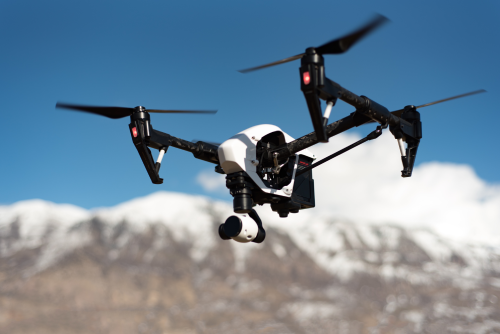
Choosing the best drones for event coverage is less about chasing the biggest spec sheet and more about getting reliable, safe footage under pressure. For weddings, corporate events, college festivals, and branded shoots in India, the right drone is the one that launches quickly, flies predictably, handles changing light, and suits the venue and legal conditions.
Quick Take
If you want the short version, start here:
- Best all-round pick for most event professionals: DJI Air 3 or Air 3S class
- Best for beginners and solo creators: DJI Mini 4 Pro
- Best premium pick for wedding films and commercial event teams: DJI Mavic 3 Pro
- Best budget starting point: DJI Mini 3
- Best for dramatic FPV-style inserts: DJI Avata 2, but only as a second drone
- Best for large production houses: Inspire-class cinema drones, only if you truly need that level of output
A good event drone should give you: – Stable video from a 3-axis gimbal (the motorised stabiliser that keeps footage smooth) – Dependable hover and braking – Useful battery life and easy battery swapping – Good low-light performance for evening functions – Strong after-sales support and spare parts availability in India
What makes a drone good for event coverage
Event coverage is different from scenic travel flying. You usually get one chance to capture a moment. That changes what matters.
Reliability matters more than headline specs
A drone with a very high-resolution camera is not automatically better for events.
For real jobs, these matter more:
- Fast startup
- Quick GPS lock and stable hovering
- Predictable controls
- Good return-to-home behaviour
- Strong transmission in busy RF environments
- Clean footage straight out of camera
If the drone is nervous in wind or unreliable around people, it is the wrong tool no matter how sharp the camera looks on paper.
Camera quality should help in mixed light
Most events in India shift through very different lighting conditions:
- Bright outdoor baraat or procession
- Harsh afternoon sun at a school function
- Warm decorative lights at a wedding lawn
- LED stage lighting at a corporate event
- Low-light dance floor or concert area
Look for: – Good dynamic range, which means better detail in bright and dark parts of the frame – Strong low-light performance – Clean colour science – 4K video that still looks good after cropping for reels – Slow motion options for entrances, confetti, and stage moments
Obstacle sensing is a big advantage
Obstacle sensing helps the drone detect objects around it. It is not magic, but it can reduce risk, especially when you are working around trees, poles, tents, lighting rigs, and venue structures.
For beginners and paid work, obstacle sensing is one of the most valuable features you can buy.
Battery workflow matters on event days
One battery is never enough for event coverage.
Real event shoots involve: – Recce shots – Retakes – Waiting for the right light – Multiple venue angles – Backup takes in case of exposure or framing issues
A drone that fits easily into a two- to four-battery workflow is far more practical than one that looks impressive but is painful to manage.
Portability is not a small benefit
At weddings and live events, you may move constantly between: – Entry gate – Main stage – Outdoor lawn – Hotel rooftop – Parking area – Secondary venue
A compact drone with foldable arms, easy battery swaps, and a small controller bag is often more useful than a large cinema setup.
After-sales support in India can save your season
Before buying, check: – Spare propeller availability – Battery availability – Local repair options – Turnaround time for service – Availability of ND filters, chargers, and carry cases
For Indian buyers, this matters as much as the drone itself.
Best drones for event coverage: top picks by buyer type
Comparison table
| Drone | Best for | Why it works well for events | Main watch-out |
|---|---|---|---|
| DJI Mini 4 Pro | Beginners, solo creators, wedding reels | Light, portable, feature-rich, excellent for quick deployments | Smaller body is less confidence-inspiring in wind and tougher light |
| DJI Air 3 / Air 3S | Most serious event shooters | Best balance of image quality, safety features, and flexibility | Costs more than a mini-class drone |
| DJI Mavic 3 Pro | Premium wedding and commercial teams | More polished image, multiple focal lengths, stronger pro feel | Expensive and more than many buyers actually need |
| DJI Mini 3 | Budget-conscious starters | Affordable entry into event drone work, good daylight output | Fewer safety comforts and less room for error |
| DJI Avata 2 | FPV-style action inserts | Unique movement for dramatic openers and reveals | Not suitable as your only event drone |
| Inspire-class drones | High-end production houses | Cinema-grade workflow for select premium projects | Overkill for most event buyers and harder to operate safely |
DJI Mini 4 Pro
Best for beginners and solo creators
If you are a wedding freelancer, social media creator, or small team that wants one lightweight drone for venue reveals, couple portraits, and short-form content, the Mini 4 Pro is a very strong choice.
Why it works: – Easy to carry all day – Strong safety and automation features for its class – Good image quality for reels, highlight films, and YouTube delivery – Useful for creators who need both horizontal and vertical content – Quick to deploy when you have only a short gap between rituals or stage events
Where it fits best: – Wedding lawns and resorts – College campuses – Corporate retreats – Travel-style event aftermovies – Creator-led social content
What to watch: – Mini-class drones are convenient, but they are still small aircraft – In stronger wind or tougher lighting, an Air-class drone usually feels more composed – Do not mistake compact size for permission to fly casually around people
For many first-time buyers in India, this is the safest “serious but manageable” starting point.
DJI Air 3 or Air 3S
Best overall for most event professionals
If you regularly shoot paid events and want one drone that can handle most jobs without stepping into very high-end cinema budgets, the Air-class is the sweet spot.
Why it stands out: – Better wind confidence than mini-class drones – Dual focal lengths give you more variety without flying dangerously close – Better overall flexibility for establishing shots, stage coverage, and medium-compression angles – Strong battery workflow for long event days – A more professional balance of portability and performance
Why event shooters like it: – You can get a wide venue reveal and then a tighter composition from a safer distance – It feels more capable on larger outdoor venues – It suits both weddings and corporate events without looking like overkill
Best for: – Wedding filmmakers doing regular paid work – Corporate event agencies – Resort and venue marketers – Production teams that need one dependable all-rounder
If you are buying only one main event drone and your budget allows it, this is the class most professionals should look at first.
DJI Mavic 3 Pro
Best premium pick for commercial wedding and event films
The Mavic 3 Pro is for buyers who already know why they need more image flexibility and are willing to pay for it.
Why professionals choose it: – More polished image output – Multiple focal lengths for a richer edit – Stronger overall cinematic potential – Better fit for premium wedding films, luxury venues, and branded commercial work
This drone makes sense when: – Your clients expect a visibly premium finish – You already have strong editing and colour workflow – You shoot high-value destination weddings or branded events – Drone footage is a core part of your paid deliverable, not just an add-on
What to watch: – It is expensive to buy and maintain – It deserves a more deliberate workflow – Many beginners will not fully use what they are paying for
If your clients mainly want Instagram reels and simple highlight edits, this is probably too much drone. If you are building a serious premium portfolio, it can be worth it.
DJI Mini 3
Best budget starting point
The Mini 3 remains a practical starting option for buyers who want to enter event coverage without jumping to a heavier investment.
Why it still makes sense: – Lower cost of entry – Good portability – Suitable for daylight work and basic venue reveals – Easy to carry as a backup even after you upgrade
Best for: – Students learning event videography – Small creators testing market demand – Part-time freelancers – Teams that need a second lightweight angle
Its limitations matter: – Less forgiving in demanding conditions – Not the best first choice for high-pressure paid jobs if you are inexperienced – You may outgrow it quickly once clients expect more polished work
This is a smart “learn and earn” option, but not the strongest long-term main drone for busy professionals.
DJI Avata 2
Best for dramatic FPV-style shots, not your main event drone
The Avata 2 can add exciting motion to event films: fast reveals, doorway fly-throughs, energy shots, dance floor entries, and action-heavy social cuts.
But it should almost never be your only event drone.
Why it is useful: – Delivers a very different visual style – Great for hype edits and creative intros – Useful for controlled, rehearsed shots with experienced operators
Why it is risky as a main purchase: – FPV-style flying requires a different skill set – It is easier to make a bad decision when chasing dynamic movement – It is not the right tool for calm, repeatable, all-purpose coverage – Event work needs consistency first, excitement second
For most buyers, the correct order is: 1. Buy a stable camera drone first 2. Learn safe event workflow 3. Add an FPV system later if your clients really want that look
Inspire-class drones
Best only for high-end production houses
If you run a production company serving luxury weddings, ad films, or major branded events, an Inspire-class platform may be justified.
Why some teams use it: – Higher-end imaging workflow – More professional production integration – Better fit for crews that already work with cinema cameras and dedicated operators
Why most readers should skip it: – Cost is high – Crew and safety requirements are higher – Setup is slower – It is excessive for most wedding and event jobs in India
This is not a beginner’s buying guide recommendation. It is a business decision for established teams.
How to choose based on the events you actually shoot
Weddings
For most wedding filmmakers: – Best balance: Air-class drone – Best lightweight choice: Mini 4 Pro – Best premium commercial choice: Mavic 3 Pro
Use the drone for: – Venue reveals – Couple portraits in open, controlled spaces – Daylight property sweeps – Baraat approach shots from safe offsets – Exit shots and sunset wide frames
Do not plan your coverage around flying directly over guests.
Corporate events and exhibitions
Best choices: – Air-class drone – Mini 4 Pro for light travel and quicker deployment – Mavic 3 Pro for premium brand films
Corporate clients usually value: – Clean, stable shots – Professional behaviour – Fast turnaround – Minimal disruption
That makes reliability more important than flashy flying.
College festivals and school functions
Best choices: – Mini 4 Pro – Air-class if the venue is large and conditions allow
Key challenge: – Unpredictable crowd movement
Safer use cases: – Early venue establishers before the crowd builds – Wide overhead-like angles from safe offset positions – Campus reveals – Stage exteriors
Concerts and mass public gatherings
These are the hardest and most sensitive events for drone use.
Key point: – A crowd-heavy event is often the wrong place for casual drone flying.
If you are covering public gatherings, verify: – Airspace status – Event permissions – Organiser approval – Local authority requirements where applicable – A safe operating area with separation from people
In many cases, the safest answer is to avoid drone use entirely.
Indoor events
Many indoor event buyers assume drones are easier indoors. Often, the opposite is true.
Indoor challenges include: – Tight spaces – Poor GPS – Ceiling fixtures – AC airflow – Hanging decor – People moving unpredictably – Audio disruption from propeller noise
For indoor work, smaller and calmer setups are often better, but only in controlled environments with clear safety planning.
A practical buying checklist before you pay
Use this simple checklist before choosing your event drone.
1. Decide your main event type
Ask yourself: – Weddings? – Corporate shoots? – College festivals? – Real estate plus events? – Social reels only? – Premium commercial films?
Your answer should drive the purchase.
2. Budget for the full kit, not just the drone
You will likely need: – Extra batteries – Spare propellers – Fast charger or charging hub – ND filters – Reliable memory cards – Hard case or safe carry bag
A cheaper drone with the right accessories is often better than a premium drone with no working kit.
3. Check serviceability in India
Before buying, confirm: – Where repairs are handled – Whether batteries and props are easy to source – Whether your city has practical support options
4. Think about low-light performance honestly
A lot of event work happens in the evening. If you mostly shoot: – Sangeet – Reception – Outdoor night events – Stage-led ceremonies
then a stronger camera system may be worth the jump from mini class to Air or Mavic class.
5. Consider editing workflow
If you do not enjoy colour grading or heavy post work, choose a drone known for consistent, easy-to-use footage.
6. Buy only what your current business can use
Do not buy a premium drone just because it looks “professional.” Buy the drone that will actually earn regularly.
Safety, legal, and compliance in India
Event coverage is one of the easiest places to make a bad drone decision because clients often care about the shot, not the risk. You must care about both.
Before any outdoor event operation in India, verify the latest official guidance from DGCA and the Digital Sky system, along with venue and local restrictions where applicable.
Keep these principles in mind:
- Do not assume a private venue automatically allows drone flying
- Always check whether the location falls in a restricted or sensitive airspace area
- Crowds create both safety and legal risk
- Avoid planning shots that require flying directly over dense groups of people
- Get written permission from the organiser or venue when appropriate
- Respect privacy, especially at weddings, schools, and closed corporate events
- Use a spotter when the environment is busy
- Keep take-off and landing areas controlled and away from bystanders
- Check current requirements related to registration, NPNT, pilot eligibility, permissions, and operational limits for your specific drone and use case
If there is any doubt about legality or safe separation, do not launch.
Common mistakes event drone buyers make
Buying for resolution instead of reliability
A drone that is easy to fly well will earn more than a drone that looks better only in perfect conditions.
Treating a mini drone like a toy
Compact drones still need planning, safe distances, and discipline.
Ignoring low-light performance
Many buyers test only in bright daylight and then struggle at evening events.
Buying only one battery
That is fine for practice, not for event work.
Choosing FPV as the first event drone
It looks exciting online, but most event jobs need stability, repeatability, and safety first.
No backup plan
Props break, batteries age, and weather changes. Serious event shooters carry backups.
Flying too close for dramatic shots
The better event operator is usually the one who gets the shot without becoming part of the problem.
FAQ
Which is the best drone for wedding coverage?
For most wedding professionals, an Air-class drone is the best balance of image quality, portability, and safety features. If you are a beginner or solo creator, the Mini 4 Pro is a very strong starting point.
Is a sub-250g drone enough for paid event work in India?
It can be enough for many controlled jobs, especially for creators shooting lightweight wedding and social content. But smaller size does not remove safety, privacy, or location restrictions, so verify the latest rules before commercial use.
Can I fly a drone over wedding guests or a concert crowd?
As a practical safety rule, you should avoid planning flights directly over crowds. Even when clients ask for “top shots,” safety and legal compliance come first.
Do I need obstacle sensing for event coverage?
It is not mandatory, but it is highly recommended, especially for beginners and for paid work in cluttered venues. It adds a useful safety margin.
How many batteries should I buy for event work?
Most event shooters should aim for at least two to three working batteries for smaller jobs, and more for full-day coverage. Your exact number depends on travel time, weather, and how much drone footage is part of the final deliverable.
Is the DJI Avata 2 good for weddings?
It is good for selective, creative shots in controlled situations, but it is not the best primary drone for wedding coverage. Use it as a second system if you already have a stable main camera drone.
Should I buy used for event work?
A used drone can be good value if bought from a trusted seller with healthy batteries, clean gimbal condition, and no crash history you cannot verify. For paid work, hidden battery and repair issues can cost more than the savings.
What matters more for events: bigger sensor or better portability?
Both matter, but for most Indian event shooters, the best buying decision is the drone you can safely carry, launch, and use consistently. That is why Air-class drones often hit the sweet spot.
Final takeaway
If you are buying your first serious drone for event coverage, start with the DJI Mini 4 Pro if you want portability and lower risk, or the DJI Air 3 / Air 3S class if you want the strongest all-round tool for paid work. Move to the Mavic 3 Pro only when your clients, workflow, and income genuinely justify it, and treat FPV drones like the Avata 2 as a creative extra, not your main event machine.
Before you accept any event booking, make three checks: airspace, permissions, and safe operating distance from people. That habit will protect your footage, your reputation, and your business.
