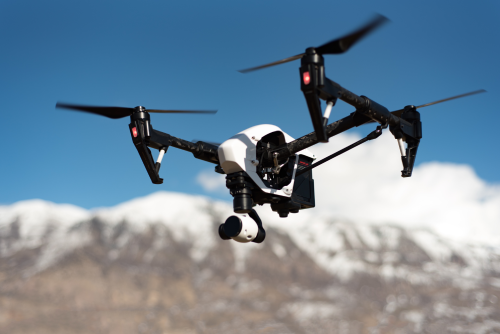
The best drones for beginners under ₹50,000 are not always the ones with the highest claimed camera resolution or the flashiest app features. For most first-time buyers in India, the right drone is the one that is easy to control, has dependable after-sales support, and helps you learn safely without becoming an expensive mistake.
Prices in this segment can move a lot because of imports, bundles, and discounts. So treat the models below as the most sensible beginner-friendly options that commonly fit this budget, not as fixed live-price guarantees.
Quick Take
If you want a short answer, start here:
- Best overall beginner drone: DJI Mini 2 SE
- Best camera value under ₹50,000: DJI Mini 4K
- Best for very easy solo content creation: DJI Neo
- Best low-risk trainer for students and kids: Ryze Tello
- Best hands-free flying camera: HoverAir X1
- Best FPV starter for hobby learners: BetaFPV Cetus kit
What matters most for beginners in India:
- Buy from a seller who can support repairs, batteries, and spare propellers.
- Prefer a drone with GPS, stable hovering, and return-to-home if you want to learn proper outdoor flying.
- Keep part of your budget aside for at least one extra battery, spare props, and a memory card if required.
- Do not assume that a drone sold online is automatically compliant for all flying situations in India.
- Before your first flight, verify the latest DGCA and Digital Sky guidance for your drone, your location, and your intended use.
At-a-glance comparison
| Drone | Best for | Why it stands out | Main compromise |
|---|---|---|---|
| DJI Mini 2 SE | Most first-time buyers | Stable, proper controller-based flying, strong ecosystem | Older camera spec than newer options |
| DJI Mini 4K | Beginners who want better video | Similar ease of use with sharper video output | Availability can vary by seller |
| DJI Neo | Solo creators and absolute beginners | Very easy to launch and capture quick clips | Not the best choice for windy conditions or serious manual practice |
| Ryze Tello | Learning basics cheaply | Low-risk way to practice take-off, hovering, and orientation | Weak outdoors, limited camera quality |
| HoverAir X1 | Travel clips and personal follow shots | Hands-free, simple, fast content capture | More of a flying camera than a full drone experience |
| BetaFPV Cetus kit | FPV beginners only | Good training path into FPV with a safer kit format | Not meant for polished cinematic aerials |
What beginners should prioritise under ₹50,000
A beginner drone should reduce stress, not create it. Here is what matters most in this price range.
1. Stability over headline specs
A drone that hovers steadily and responds predictably is worth more than a cheaper drone that claims 4K but drifts, shakes, or drops connection. Beginners learn faster when the aircraft behaves consistently.
2. GPS and return-to-home
GPS helps the drone hold position outdoors and usually supports return-to-home, which means the drone can come back automatically in some situations. For a first serious outdoor drone, this is one of the best safety features you can buy.
3. Real after-sales support
In India, this is a bigger factor than many buyers realise. A great drone with no battery availability, no spare props, and no repair route can become useless after one small crash. Always check:
- Battery availability
- Spare propellers
- Charger and cable availability
- Service or repair options
- Firmware and app support
4. Camera stabilisation
For casual content, a drone that records stable video is much more important than raw resolution. A properly stabilised 2.7K or 4K clip is far more usable than shaky footage with better numbers on the box.
5. Your real use case
Different beginners want different things:
- A student may want a cheap training drone.
- A creator may want easy selfies, travel clips, and social media shots.
- A future commercial operator should learn on a proper GPS camera drone, not a toy.
- An FPV fan should start with a beginner FPV kit and simulator, not a fast racing build.
Best drones for beginners under ₹50,000
1. DJI Mini 2 SE
For most people, the DJI Mini 2 SE is still the safest first recommendation. It feels like a “real drone” without being too difficult for a new pilot. You get a proper controller-based flying experience, steady hovering, return-to-home, and a camera setup that is good enough for learning aerial composition, travel clips, and basic content work.
Why it suits beginners so well:
- Predictable outdoor flying
- Mature app and ecosystem
- Strong learning value if you eventually want to fly more advanced drones
- Lightweight and portable
- Widely understood in the market, which helps with accessories and support
Its biggest strength is not flashy image quality. It is confidence. For a first-time buyer, confidence matters more. You can focus on learning orientation, stick control, take-off and landing, and safe flight planning instead of constantly fighting the drone.
The main compromise is that it is not the newest-looking option on paper. If your priority is the sharpest video within this budget, the Mini 4K may be the stronger pick. But if you want an all-rounder that is still one of the easiest proper camera drones to learn on, the Mini 2 SE remains excellent.
Best for
- First-time outdoor fliers
- Students learning drone basics
- Hobbyists who want a proper controller drone
- Buyers who value stability over spec-sheet hype
2. DJI Mini 4K
If you can find the DJI Mini 4K from a trustworthy seller within budget, it is arguably the sweet spot for many beginners. It takes the same easy-to-recommend formula that made DJI’s entry-level Mini line popular and gives you better video output than the Mini 2 SE.
Why it stands out:
- Beginner-friendly flight behaviour
- Good video quality for the money
- Compact size
- Useful for travel, social content, and hobby work
- Familiar DJI ecosystem and accessories
This is the drone for buyers who know they will care about footage from day one. If you are starting a travel page, college content channel, or simple real-estate practice workflow, the Mini 4K gives you more room in post-production than lower-resolution options.
The caution is simple: check the exact bundle carefully. Some listings look cheaper because they include fewer essentials. A base combo may still require you to spend more on extra batteries, a memory card, and spare props. Under ₹50,000, that matters.
Best for
- Beginners who care about image quality
- Travel and lifestyle creators
- Buyers who want a longer-lasting first drone purchase
3. DJI Neo
The DJI Neo is one of the easiest ways for a complete beginner to start capturing drone-style footage without feeling intimidated. It is especially attractive for solo creators, travellers, cyclists, and people who want fast, social-ready clips without learning traditional stick flying on day one.
Its appeal is simple:
- Very approachable learning curve
- Quick launch and capture workflow
- Good for selfies, short follow shots, and casual content
- Extremely portable
- Less setup friction than a traditional drone experience
Neo makes sense if your question is not “How do I become a better pilot?” but “How do I get good clips of myself quickly?” That is an important distinction. It is more creator-first than pilot-first.
The compromise is equally important. If you want to learn classic drone handling, improve manual control, and build skills for future photography or work use, a Mini-series drone is the better teacher. Neo is brilliant at convenience, but it is not the strongest choice for windy open spaces or for buyers who want a more traditional drone workflow.
Also check the package contents carefully. Depending on seller and combo, your experience can differ a lot.
Best for
- Solo creators
- Beginners who feel nervous about normal drones
- Quick travel and social media clips
- Buyers who value simplicity above all else
4. Ryze Tello
The Ryze Tello is still one of the smartest “learn without fear” drones for students, kids, and cautious first-time flyers. It is not a serious outdoor camera drone, and that is exactly why it remains useful. It gives you a cheaper way to learn basics such as take-off, landing, orientation, short movement control, and confidence around propellers and battery routines.
Why it still deserves a place:
- Low-risk entry point
- Great for small-space practice
- Easy to understand
- Fun for learning the basics
- Much cheaper to crash than a larger camera drone
Tello is best viewed as a trainer, not a long-term aerial camera investment. If you fly mostly outdoors in Indian conditions, you will quickly notice its limits. Wind can be a problem. Range and camera performance are modest. It is not the drone to buy for scenic mountain trips or clean real-estate shots.
But if your budget is tight and you want to make fewer mistakes before buying something more expensive, Tello remains practical. For schools, clubs, and student hobbyists, it still makes a lot of sense.
Best for
- Students
- Indoor or low-risk practice
- Buyers unsure whether they will stick with the hobby
- Parents buying a first learning drone
5. HoverAir X1
The HoverAir X1 is best thought of as a flying camera rather than a traditional drone. That difference matters. It is designed for buyers who want simple follow shots and personal clips with very little setup. If you travel solo, hike, cycle, or just want your own “camera person” in short bursts, it can be a surprisingly effective choice.
Why some beginners love it:
- Very simple to operate
- Fast setup
- Great for solo travel content
- Less intimidating than a classic remote-controlled drone
- Good for short, repeatable social clips
Where it falls short is the same place where full drones pull ahead. It is not the tool to buy if you want to master aerial flying, handle windy conditions better, or frame wide scenic shots with the control of a proper remote and full camera drone interface.
In India, support and seller quality matter even more with this kind of product. Buy only if you are confident about warranty, battery availability, and app compatibility with your phone.
Best for
- Travel creators
- Hikers and cyclists
- Buyers who want the easiest possible follow-shot tool
- People who do not care about becoming “drone pilots”
6. BetaFPV Cetus kit
If you specifically want FPV, do not start with a powerful custom racing quad. Start with a beginner kit like the BetaFPV Cetus line instead. FPV stands for first-person view, where you fly through goggles for a much more immersive and demanding experience. It is exciting, but it has a steeper learning curve than normal camera drones.
Why a beginner FPV kit is the smarter route:
- Safer training format
- Usually includes the core pieces you need
- Built for practice rather than high-speed heroics
- Better for learning orientation, throttle control, and basic FPV habits
- Often more forgiving than jumping straight into a custom build
This is not the drone to buy if your goal is smooth travel aerials, family vacation footage, or easy cinematic shots. FPV is its own category. It rewards practice, patience, and usually simulator time.
If you are serious about FPV, budget time for a simulator before your first real flight. That will save you money and frustration.
Best for
- Dedicated FPV beginners
- Hobby learners who enjoy flying more than filming
- Buyers who want an FPV training path, not a camera drone
How to choose the right beginner drone in 5 steps
1. Decide what “beginner” means for you
Ask yourself which of these sounds most like you:
- “I want to learn proper drone flying.”
- “I want easy travel and social clips.”
- “I want a cheap trainer before spending more.”
- “I want to get into FPV.”
That answer immediately narrows your best option.
2. Pick the right category
- Choose a GPS camera drone if you want to learn outdoor flying properly.
- Choose a flying camera like Neo or HoverAir if convenience matters most.
- Choose a trainer like Tello if your goal is low-cost practice.
- Choose a beginner FPV kit only if FPV is the actual goal.
3. Keep 10 to 20 percent of your budget aside
Do not spend the full ₹50,000 on the drone alone. Reserve money for:
- Extra battery
- Spare propellers
- Storage card, if needed
- Carry case or pouch
- Prop guard, if supported
- Basic landing mat for dusty areas
4. Check support before you pay
Ask these questions before ordering:
- Is this seller authorised or at least well-established?
- Are spare batteries and props easily available?
- Is there any local or Indian service support?
- Is the app stable on your phone model?
- What exactly is included in the box?
5. Verify the latest Indian rules
Before flying, confirm the current rules that apply to your drone’s category, where you plan to fly, and whether your use is purely recreational or work-related. Rules can change, and not every online seller explains them clearly.
Safety, legal, and compliance checks in India
This topic should not be treated casually. A beginner drone may be small, but it can still cause injury, damage, or a legal problem if flown carelessly.
A practical checklist:
- Verify the latest DGCA and Digital Sky guidance before you fly.
- Do not fly near airports, sensitive government or military locations, or any restricted area.
- Avoid crowds, busy roads, and dense residential areas for your first flights.
- Respect privacy. Do not record people without a valid reason and without understanding the context.
- Fly in daylight and in calm weather.
- Keep the drone within visual line of sight.
- Update firmware and check app warnings before take-off.
- If you plan to use the drone for professional work, look into documentation, insurance, and local permissions more carefully.
One important buyer warning: in India, a drone being available for sale does not automatically mean you can fly it anywhere or use it any way you want. Always verify first.
Common mistakes beginners make
Buying for 4K instead of flying confidence
A stable drone with slightly lower camera specs is usually better for a first-time buyer than a shaky “spec monster” from an unknown seller.
Ignoring repairability
If batteries, props, and service are difficult to get, your “good deal” may become a dead investment after one rough landing.
Flying in wind on day one
Many beginner crashes happen because the pilot underestimates wind, especially on terraces, beaches, open fields, and hill stations.
Starting over water or near trees
Beginners are often drawn to dramatic locations first. That is the wrong order. Start in a wide, open, obstacle-free area.
Spending the whole budget on the drone
A single-battery package can feel very limiting. Extra batteries and spare props are not optional for most buyers.
Choosing FPV without understanding the learning curve
FPV looks exciting online, but it is harder than standard drone flying. If your goal is easy content, FPV is usually the wrong first step.
Buying unknown marketplace imports blindly
Low prices can be tempting, but app issues, firmware lock-ins, missing warranty, and lack of parts are common problems.
FAQ
Is a drone under ₹50,000 good enough for YouTube or Instagram?
Yes, absolutely. In good daylight, a capable beginner drone can produce very usable content for social media, travel reels, college projects, and even small client practice work. Skill, framing, and stable flying matter as much as raw camera specs.
Should a beginner buy FPV or a normal camera drone first?
If you want easy aerial footage, buy a normal GPS camera drone first. If you specifically want the FPV flying experience, start with a beginner FPV kit and use a simulator before real flights.
Is 4K necessary for a first drone?
Not always. Good stabilisation, reliable control, and clean footage are more important than resolution alone. 4K is nice to have, but not at the cost of flight stability or support quality.
How many batteries should I plan for?
At least one extra battery is a smart starting point. A single battery often makes practice sessions too short, especially when you are still learning and spending time on setup and checks.
Is it safe to buy a used drone?
It can be, but only if you inspect it carefully. Check crash history, battery condition, controller pairing, camera gimbal condition, charging setup, and whether spares are still available. Used DJI Mini-series drones can be good value, but only from trustworthy sellers.
Do I need registration, permission, or a licence in India?
It depends on the drone, your purpose, and the latest applicable rules. Do not rely on social media shortcuts or seller claims. Verify current official guidance before purchase and before flight.
Where should I do my first flight?
Choose a large, open area with minimal people, light wind, and no nearby trees, wires, or buildings. Avoid rooftops, beaches, traffic corridors, and crowded public spaces for your early practice flights.
Which is the best first drone if I eventually want paid work?
A stable GPS camera drone such as the DJI Mini 2 SE or DJI Mini 4K is the better foundation. It teaches the flight discipline and shot planning that matter more if you later move into professional work.
Final takeaway
If you want one simple answer, the DJI Mini 2 SE is still the safest all-round first drone for most beginners, while the DJI Mini 4K is the better pick if you can find it within budget from a reliable seller. If your priority is ease and solo content rather than learning traditional flight, choose the DJI Neo. If your budget is tight, learn on the Ryze Tello first.
Whatever you buy, do one thing before your first flight: verify the latest Indian rules, pick an open safe practice area, and learn the basics slowly. That matters more than any spec sheet.
