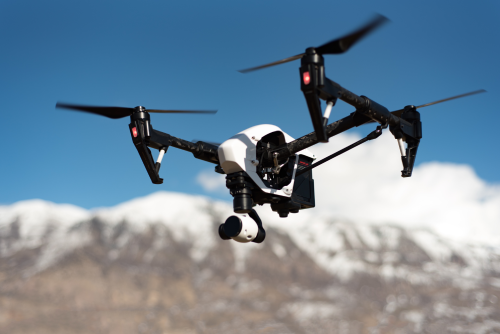
Buying your first drone under ₹20,000 in India is harder than it looks. Marketplace listings promise 4K video, GPS, long range, and “pro” features, but the best drones for beginners under ₹20,000 are usually the ones that fly predictably, survive small mistakes, and have spare parts you can actually find. This guide helps you choose the right type of beginner drone, avoid common traps, and buy with realistic expectations.
Quick Take
- For most first-time buyers, the best beginner drone under ₹20,000 is a light, simple model with stable hover, prop guards, and easy-to-find spare batteries and propellers.
- In this budget, flight stability matters more than headline camera specs.
- If your main goal is learning control, buy a trainer drone first. If your main goal is cinematic video, this budget will feel limiting.
- Brushless motor drones are better for outdoor practice, but they usually sit near the top of this price band.
- Many cheap listings exaggerate “4K,” “GPS,” “obstacle avoidance,” and flight-time claims.
- Before flying outdoors in India, verify the latest DGCA and Digital Sky guidance for your drone’s weight class and use case.
What you can realistically expect under ₹20,000
A beginner drone in this price range can be very useful, but only if you expect the right things from it.
What a good beginner drone under ₹20,000 can do:
- Teach you takeoff, landing, hovering, and basic control
- Help you understand orientation when the drone turns away from you
- Let you practice simple aerial framing in calm conditions
- Give kids, students, and hobbyists a safer entry into flying
- Offer light indoor practice or gentle outdoor flying in open areas
What it usually cannot do well:
- Shoot truly cinematic stabilized video
- Handle strong wind confidently
- Offer reliable long-range flight
- Deliver trustworthy “return to home” on every low-cost model
- Replace a higher-end camera drone for client work or serious content creation
A lot of beginner buyers make the same mistake: they shop for resolution, not flight quality. In this segment, a stable 1080p drone with decent hover and parts support is usually a smarter buy than a “4K dual-camera” drone that drifts, drops connection, and has no spare battery available after two months.
Also expect real flight time to be lower than the best-case number on the product box. Wind, aggressive flying, battery age, and camera use all reduce actual airtime.
Best beginner drone types under ₹20,000
Instead of chasing one “perfect” product, it is smarter to choose the right drone class for your use.
| Buyer profile | Best drone type | Usual budget window | Why it works | Main compromise |
|---|---|---|---|---|
| Complete beginner | Nano trainer with prop guards | ₹3,000 to ₹8,000 | Safer, cheaper crashes, easier to learn indoors | Weak in wind, basic or no camera |
| Kids and family gifting | Ducted mini drone | ₹3,000 to ₹6,000 | Full prop protection, simple controls | Short flight time, limited outdoors |
| Casual camera learner | Foldable altitude-hold camera drone | ₹7,000 to ₹15,000 | Lets you practice framing and basic aerial shots | Video is often shaky, “4K” may be marketing |
| Outdoor practice in light wind | Small brushless mini | ₹12,000 to ₹20,000 | Better response, better efficiency, more durable motors | Higher repair cost, fewer guards |
| Students and STEM users | Programmable mini or educational drone | ₹10,000 to ₹20,000 | Useful for coding, robotics clubs, and learning | Not ideal for scenic filming |
How to choose the right beginner drone
Start with your first 10 flights, not your long-term dream
Ask yourself one question: what do you want your first 10 flights to teach you?
If your answer is:
- “I just want to learn to fly” — buy a trainer
- “I want something safe for home or indoor use” — buy a ducted mini
- “I want to test basic aerial photos and videos” — buy a foldable camera drone
- “I know I’ll upgrade later and want better flight feel now” — buy a brushless mini
- “I need it for school, coding, or a club project” — buy an educational drone
This matters because a bad first drone can make the hobby frustrating. A simple, honest trainer teaches more than an unstable “feature-packed” bargain listing.
Features actually worth paying for
These are the features that matter most for beginners.
Prop guards
Prop guards protect the propellers and reduce the damage from light bumps. They are especially useful for indoor flying, younger users, and first-time pilots.
Altitude hold
Altitude hold helps the drone maintain height without constant throttle correction. It makes the first few flights much less stressful.
Optical flow
Optical flow uses a downward-facing sensor or camera to help the drone hold position better, especially indoors or over textured ground. It is not magic, but it can make hovering smoother.
Headless mode
Headless mode changes control behavior so that “forward” stays relative to the pilot, not the drone’s nose. It can help absolute beginners, though it is still worth learning normal orientation over time.
Replaceable batteries
This is a bigger deal than most buyers think. If a drone has sealed, hard-to-find batteries, your ownership experience will be much worse. A good beginner drone should let you buy extra batteries easily.
Spare propellers and easy parts access
Props break. Batteries wear out. Charger cables get lost. If spares are not clearly available in India, skip the drone.
Brushless motors
Brushless motors are generally more efficient and durable than brushed motors. They are a good upgrade if you plan to fly outdoors more often or stay in the hobby.
A real remote controller
Avoid drones that depend entirely on phone-only control unless your use case is very basic. A proper remote gives better precision and a more consistent learning experience.
Features to treat with caution in this budget
Low-cost drone listings often sound impressive. Some claims are harmless marketing. Some are simply misleading.
Be skeptical of:
- “4K,” “6K,” or “8K” without real sample footage
- “Obstacle avoidance” on very cheap drones
- Extremely long flight-time claims
- Multi-kilometre range claims
- “Professional gimbal” wording on budget foldables
- “GPS return home” on unknown brands with weak after-sales support
- “Dual camera” labels used mainly to inflate spec sheets
The camera spec is the most common trap. Resolution alone does not guarantee good video. Sensor quality, stabilization, vibration control, and hover stability matter far more.
The 7-point checklist before you buy
Use this shortlist process and you will avoid most beginner mistakes.
-
Pick your use case first
Indoor practice, outdoor learning, camera practice, coding, or gifting. -
Check the weight class
Lighter drones are usually easier to manage and less risky to crash, but legal requirements still depend on the latest official rules. Verify them before outdoor use. -
Look for spare batteries in India
If you cannot easily buy an extra battery, think twice. -
Check if propellers and basic parts are available
A drone without parts support becomes e-waste quickly. -
Read the lowest reviews, not just the highest
Look for complaints about drifting, battery swelling, app issues, flyaways, and dead-on-arrival units. -
Ignore impossible camera claims
Focus on sample footage and stability, not just resolution numbers. -
Ask about invoice, warranty, and service response
Local reseller support is often more valuable than a lower marketplace price.
Best picks by buyer type
Best overall for most beginners: Nano trainer with prop guards
If this is your first-ever drone, this is usually the smartest buy.
A nano trainer is small, light, cheaper to repair, and much less intimidating than a larger outdoor drone. It lets you learn the basic controls without worrying too much about damaging the drone or nearby objects.
What to look for:
- Prop guards
- Altitude hold
- One-key takeoff and landing
- At least one extra battery available
- Slow and normal flight modes
- A simple remote, not app-only control
Who it suits:
- Students
- Hobbyists
- Adults learning from scratch
- Buyers who want practice before spending more later
Who should skip it:
- Buyers expecting sharp travel videos
- Users planning regular outdoor flights in windy areas
This is the most honest first drone in this budget. It is not glamorous, but it teaches the right skills.
Best for kids and indoor learning: Ducted mini drone
If you are buying for a child, a teen, or a family member who will mostly fly inside a large room or hall, a ducted mini is usually safer than a foldable camera drone.
A ducted design surrounds the propellers, reducing the chance of direct contact with furniture or fingers. It is still a flying machine and still needs supervision, but it is the right direction for safer beginner use.
What to look for:
- Full prop protection
- Stable hover
- Lower-speed mode
- Replaceable battery
- Durable frame
- Clear age guidance from the seller
Best use cases:
- Indoor practice
- Family gifting
- Very early orientation training
- Short flights in safe, controlled spaces
Do not expect:
- Strong outdoor performance
- Good camera quality
- Long flight sessions from a single battery
If you only want “something fun to learn on” and not “something to shoot reels with,” this category offers the least stressful start.
Best for first aerial photos: Foldable altitude-hold camera drone
This is the category most people search for, and also the one where buyers get misled most often.
A basic foldable camera drone can be a good beginner tool if you treat it as a learning platform for composition and movement, not as a professional camera system. In calm weather, it can help you practice top-down shots, simple reveals, and slow pull-backs.
What to look for:
- Honest video samples from normal users
- Altitude hold or optical flow
- Replaceable battery
- Spare props
- Adjustable camera tilt if possible
- A stable app connection with your phone model
Red flags:
- Huge “8K” text on the box at a suspiciously low price
- No mention of spare batteries
- No brand support or service contact
- No sample footage other than edited ad videos
This category is best for:
- Casual hobbyists
- Beginners trying aerial framing
- Buyers who want simple social clips in very light wind
It is not best for:
- Paid work
- Strong wind conditions
- Buyers expecting gimbal-like smoothness
If your goal is Instagram travel content, remember that a stable drone with average resolution usually looks better than a high-resolution drone that wobbles.
Best for outdoor control practice: Small brushless mini
If you plan to continue in the hobby and want a better flying feel, a small brushless drone is worth serious consideration near the ₹20,000 ceiling.
Brushless motors generally offer better efficiency, smoother response, and longer life than basic brushed motors. They also tend to cope better with light wind than toy-grade indoor drones.
What to look for:
- Brushless motors clearly mentioned
- Spare batteries and props available
- Reliable radio controller
- Good reviews specifically about stability
- Clear after-sales support
Why this is a strong step-up:
- Better outdoors than most toy drones
- More useful as a bridge to future upgrades
- Better value if you care about control quality
Why it is not for everyone:
- Crashes cost more
- Indoor flying is less forgiving
- Some models skip prop guards
- Camera quality may still be only average
If you are serious about learning and do not need the safest indoor-only option, this is often the best use of the top end of the budget.
Best for students and STEM use: Educational or programmable mini drone
For school projects, coding practice, robotics clubs, or campus demos, an educational mini drone can be a far smarter buy than a camera-focused model.
Its real value is not the camera. It is the learning process: commands, stability logic, motion planning, and hands-on experimentation.
What to look for:
- App or coding support
- Good indoor stability
- Durable frame
- Replaceable battery
- Active user community or learning material
Best for:
- Students
- Teachers
- Coding clubs
- Robotics beginners
Not ideal for:
- Scenic video
- Windy outdoor use
- Buyers focused mainly on social media content
If your budget is fixed and your goal is skill-building, this category often gives the highest learning return per rupee.
What not to buy under ₹20,000
Some beginner drones are cheap for the wrong reasons.
Avoid buying if you see several of these signs together:
- No clear brand identity
- No spare batteries listed
- Camera claims far beyond the price level
- No weight information
- No user manual preview or support contact
- Confusing app names with poor compatibility reviews
- Only promotional footage, no real customer videos
- Seller cannot explain warranty, parts, or compliance details
A very cheap drone is not good value if it becomes unusable after one bad landing.
Safety and legal checks for buyers in India
Drone buying is not just about features. It is also about where and how you can fly.
Rules in India can change, and requirements may differ based on drone weight, location, and purpose. Before you buy or fly outdoors, verify the latest official guidance from DGCA and Digital Sky. Do not rely only on a marketplace description.
A few safe, practical rules for beginners:
- Confirm the drone’s weight and basic compliance details before purchase
- Do not assume a low-cost imported drone is automatically ready for unrestricted outdoor use
- Keep the drone within visual line of sight, meaning you can see it directly and not only through the phone screen
- Stay far away from airports, heliports, defence areas, crowded places, major roads, power lines, and sensitive infrastructure
- Avoid flying over people, traffic, neighboring terraces, or private homes
- Respect privacy and get consent before filming people closely
- Fly only in calm weather until you have real control confidence
- Charge lithium batteries on a non-flammable surface and never leave them unattended for long periods
- Children should fly only with adult supervision
If a seller throws around terms like NPNT, permissions, or “fully legal all-India use,” ask for clear documentation and verify independently before trusting the claim.
Common mistakes beginners make
Buying for the box, not for the skill level
A lot of first-time buyers purchase the most “feature-rich” listing they can afford. That usually ends badly. Stability and repairability beat flashy specs.
Flying the first battery in wind
Even a decent beginner drone can feel awful in moving air. Do your first sessions in very calm conditions.
Taking off from a terrace, balcony, or cramped space
This creates instant stress and raises crash risk. Beginners should start from an open, clear area with room to recover.
Relying on the phone feed too much
Wi-Fi video delay is common on budget drones. Fly by keeping the drone in sight, not by staring at the screen.
Buying only one battery
By the time you get comfortable, the session is over. Two batteries minimum is a practical target.
Trusting return-to-home too much
On budget drones, this feature should be treated as a backup convenience, not a guarantee.
Ignoring app compatibility
Some low-cost drones use unstable apps. Check whether the app works properly on your phone before you commit.
Expecting creator-grade video from a training budget
A sub-₹20,000 drone can teach movement and framing. It usually cannot replace a stabilized camera drone.
FAQ
Is a drone under ₹20,000 worth buying for a complete beginner?
Yes, if your goal is to learn flying basics, orientation, and safe handling. No, if you expect professional video quality from day one.
Can I get a real 4K camera drone under ₹20,000?
Some listings may claim 4K, but image quality depends on more than resolution. In this budget, stable hover and usable footage matter more than the number printed on the box.
Should I choose GPS or non-GPS as a beginner?
A reliable GPS feature can help, but only if the drone comes from a trustworthy seller with good support. Cheap GPS claims are not always dependable. A stable non-GPS trainer is often the better first buy.
Is brushless worth the extra money?
Usually yes, if you plan to fly outdoors and continue in the hobby. Brushless drones tend to offer better efficiency, response, and durability than basic brushed models.
How many batteries should I buy?
At least two in total. Three is better if the batteries are affordable and easily available.
Is an under-250g drone the best choice in India?
For many beginners, yes, because lighter drones are easier to carry and less risky to crash. But do not assume weight alone decides legal use. Always verify the latest official rules before flying outdoors.
Can I fly a beginner drone in my housing society or on campus?
Only if it is safe, permitted, and legally allowed. Avoid people, parked vehicles, windows, and crowded common areas. Always check local permissions and be respectful of privacy.
Should I buy online or from a local drone shop?
Buy from whichever seller gives you better support, clear warranty terms, spare parts availability, and a proper invoice. Local support can be more valuable than a small discount.
Final takeaway
If you are buying your first drone under ₹20,000 in India, do not chase the biggest camera claim. Buy the drone that is easiest to learn on, easiest to repair, and easiest to support with spare batteries and propellers. For most beginners, that means a stable light trainer or a simple foldable camera drone from a seller with clear after-sales support. If your real goal is serious aerial video, learn on a beginner model now or save for a better stabilized drone later.
