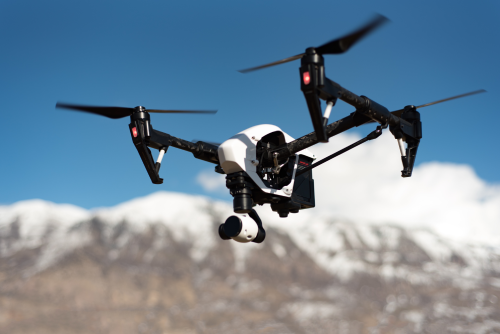
The best drone shot ideas for wedding filmmakers are not the flashiest moves. They are the shots that add scale, emotion, and location value without disturbing the ceremony or turning the wedding into an air show. For Indian weddings especially, a good drone plan helps you cover big processions, colourful rituals, grand venues, and golden-hour couple portraits in a way ground cameras simply cannot.
Quick Take
- Pick drone shots that tell the story of the wedding day, not just shots that look technically difficult.
- For most Indian weddings, the most useful drone shots are venue reveals, baraat tracking, top-down ritual shots, wide ceremony masters, golden-hour couple shots, and bidaai exits.
- Slow, smooth movement usually looks more premium than aggressive flying.
- Lock key camera settings before takeoff, especially frame rate, white balance, and exposure style.
- Drone footage is mainly for visuals. Do not depend on it for usable wedding audio.
- Before every wedding in India, verify the latest DGCA and Digital Sky requirements, plus venue permission and any local restrictions.
Best drone shots by wedding moment
| Wedding moment | Most useful drone shot | Best movement style |
|---|---|---|
| Venue opening | Grand reveal of property and setup | Slow rise or pullback |
| Baraat | Side tracking or front-facing wide | Gentle parallel move |
| Haldi or mehendi | Top-down colour and pattern shot | Static overhead or slow lift |
| Varmala or pheras | Wide master shot of the mandap | High locked frame or slow arc |
| Couple portraits | Golden-hour reveal in open space | Slow retreat or soft orbit |
| Bidaai | Departure follow shot | Rear wide with gradual climb |
What makes a wedding drone shot actually worth using?
A wedding filmmaker does not need 30 drone clips from every function. You need a small set of reliable aerial shots that do one of three jobs:
- establish the location
- show the scale of a moment
- create a visual transition between scenes
That means the best drone shot ideas for wedding filmmakers are often simple.
A clean rising reveal of a palace, lawn, beachside resort, farmhouse, or banquet venue can do more for your film than a fast spinning orbit. A top-down haldi frame can instantly show colour, energy, and crowd design. A wide baraat shot tells the viewer this is not just a couple shoot but a full wedding celebration.
Before the event, ask these questions:
- Which wedding functions actually have open space for safe flying?
- Which moments are visually strongest from above?
- Which shots can only the drone capture better than the ground camera?
If you answer those well, your drone footage will feel intentional.
Establishing and arrival shots
Grand venue reveal
This is the most dependable drone shot in wedding filmmaking. Start low behind trees, décor, an entry gate, or a foreground element, then rise slowly to reveal the entire venue.
It works best for destination weddings, palace properties, lawns, lakeside venues, and large resort weddings. In India, it is especially effective for early-morning reveals before guests fill the frame.
Keep the movement simple. A slow vertical rise or a slight backward pull usually feels elegant.
Top-down symmetry shot of the venue setup
Many Indian weddings have strong geometry: mandaps, rangoli, seating rows, stage design, poolside décor, or floral walkways. A straight-down overhead frame turns those patterns into premium-looking visuals.
This works very well before the event begins, when the décor is untouched.
Use it for: – mandap design – poolside seating – mehendi courtyards – floral aisles – circular dining or lounge setups
Do not rush this shot. Hover steadily and compose carefully.
Road-to-venue approach shot
If the venue has a long driveway, hill road, beach approach, or palace entrance path, capture vehicles arriving from a high angle. It is a strong transition shot for intros and scene changes.
This shot works best when: – cars are evenly spaced – the road has leading lines – the surrounding landscape adds character
It gives the film a sense of journey, which is useful in destination weddings.
Groom arrival and baraat tracking shot
A baraat is one of the best reasons to use a drone at an Indian wedding. The colours, movement, band, dancing, and crowd energy look fantastic from above or from a gentle side track.
The safest version is usually a parallel track from the side with enough separation from people, horses, cars, dhol players, and lighting poles.
Avoid flying too low into the crowd. You want the energy of the procession, not a risky close pass.
Bride entry wide reveal
Bride entries are often filmed tightly from the ground. A drone can complement that by showing the full pathway, décor, cold pyros, umbrella carriers, flower shower, or family walking beside her.
The best approach is usually to start wide and slow. Let the ground cameras handle emotion and facial expressions while the drone handles scale.
If the entry path is narrow, crowded, or indoors, skip the drone unless the setup is fully controlled and safe.
Guest gathering energy shot
Before the main ceremony, get a high-angle frame of guests arriving, mingling, taking seats, and interacting around the venue. This gives editors excellent filler footage to build rhythm.
This shot is useful when: – the lawn is filling up – cocktail hour is active – there is strong decorative lighting – the venue has visible depth from above
It works best as a short clip, not a long sequence.
Ritual and ceremony shots
Haldi top shot
Haldi is made for aerial coverage. The yellow tones, group circles, playful splashes, and floor patterns all read beautifully from above.
A straight-down overhead is the safest and strongest version. If the group is stationary, you can add a very slow rise to reveal more of the setting.
Tell the family in advance where you want people positioned. A little coordination goes a long way.
Mehendi courtyard pattern shot
Mehendi functions often happen in visually rich spaces with cushions, low seating, umbrellas, floral installations, and patterned floors. From above, even a simple courtyard can look cinematic.
This shot works particularly well when the bride is seated in the center and the décor creates a frame around her.
Keep the drone steady. Too much motion weakens the symmetrical look.
Wide master of the varmala
The varmala is one of the biggest moments in the wedding. A drone should not replace the main cameras here, but it can provide a valuable wide master showing the stage, guests, confetti, pyros, and reactions.
The key is timing. Be in position before the moment begins.
A slightly elevated wide frame is usually better than a dramatic move. Editors need a stable shot they can actually cut to.
Mandap arc or gentle orbit
When space allows, a slow curved move around the mandap can add richness to the wedding film. The move should be wide and careful, not tight and showy.
This is best used: – before the ceremony starts – during quieter ritual moments – when the crowd is seated and movement is predictable
Do not fly close to the sacred fire, hanging décor, stage lighting truss, or priests. If the area is crowded, switch to a static wide instead.
Pheras wide overhead
The pheras are emotionally important, but they are not the moment to experiment. A high, respectful, steady shot works best.
A wide overhead or slightly elevated diagonal angle can show: – the couple circling the fire – family seated around the mandap – the full ceremonial environment
Keep distance, avoid distracting noise over the ritual, and never fly aggressively during this part of the wedding.
Family grouping shot from above
Once the couple and key family members are in one place, an overhead group composition can look excellent, especially in open lawns or courtyard venues.
Instead of a standard flat group photo, use the environment: – circular arrangements – staircase landings – rangoli centers – poolside decks – temple or garden geometry
This shot is quick to capture and very useful in highlight films.
Sangeet dance floor reveal
A sangeet can benefit from one or two drone clips if it is outdoors and spacious. A slow rising shot from behind the crowd or a wide reveal of the stage and dance floor works well.
If the lighting is complex, do a test first. Stage LEDs can cause flicker, and contrast can be hard for some drones to handle.
Use the drone sparingly here. Ground gimbals usually do the heavy lifting for dance coverage.
Fireworks or cold pyros wide shot
If the wedding includes fireworks, spark fountains, or cold pyros outdoors, a high and safely distant wide shot can look spectacular. The drone should never be near the effects.
Coordinate closely with the event team. Know: – where the pyros will fire – wind direction – safe stand-off distance – guest movement around the area
When in doubt, do not fly. Fire, sparks, and smoke change the risk immediately.
Couple portrait drone shots
Golden-hour walkaway reveal
This is one of the most elegant wedding drone shots. Position the couple walking hand in hand in an open space, then slowly pull backward or rise to reveal the landscape.
It works beautifully in: – palace lawns – beach edges – hill venues – large gardens – lakeside properties
Golden hour is ideal because the light is soft and the shadows add shape.
Tiny couple, big landscape shot
Place the couple small within the frame and let the location dominate. This shot is powerful because it creates calm after busy ceremony scenes.
Use it when the venue itself is part of the story, such as: – Udaipur-style palace settings – Goa beachfronts – mountain resorts – vineyard or estate weddings – desert or open-ground destination venues
The mistake here is flying too low. Let the space breathe.
Circular path or garden geometry shot
If the venue has curved pathways, hedges, fountain circles, or patterned landscaping, use those lines to frame the couple from above.
Ask the couple to move slowly and naturally. You are not chasing them; you are composing them into the design.
This shot often looks far more expensive than it is, because the venue provides the visual structure.
Reflection or waterside reveal
If the property has a clean pool, lake edge, or reflective surface, use a slow reveal that includes both architecture and water. It creates a polished, destination-wedding feel.
Be extra careful near water. Maintain safe distance, check wind, and avoid taking off from unstable or slippery surfaces.
Do not force this shot if the water looks messy or the lighting is harsh.
Rooftop or terrace portrait wide
At some properties, a rooftop or terrace can give you strong separation between the couple and the background. From above and slightly back, you can show architecture, skyline, and negative space.
This works well for: – heritage properties – city luxury hotels – fort-style venues – sunset cocktail portraits
Check rooftop access and safety first. Not every terrace is suitable for drone operations.
Exit and ending shots
Bidaai departure follow shot
The bidaai is emotional and visually strong, especially when the car, doli-style setup, or decorated exit path is clearly visible. A rear wide shot or gentle climb as the vehicle departs can end the wedding film beautifully.
Keep distance from the vehicle and maintain a predictable path. You do not need a fast chase shot.
A simple departure frame is usually more tasteful than a cinematic pursuit.
Night-time venue closing shot
If the venue lighting is attractive, finish the film with a night aerial of the property after the main events. It works as a closing visual and gives the edit a sense of completion.
This shot is best when: – decorative lights are fully on – crowd movement is not chaotic – wind is manageable – the area is still safe for flight
Night operations require extra caution. If visibility or orientation is weak, skip it.
Camera settings that help wedding drone footage look better
Great shot ideas still need clean capture. These settings matter more than people think.
Frame rate
In India, 25 fps often fits naturally with local lighting frequency and standard wedding delivery timelines. If you want mild slow motion, 50 fps can be useful.
Use one system consistently across your cameras where possible. That makes editing easier.
Shutter speed
For natural motion blur, many filmmakers keep shutter speed around double the frame rate when practical. In bright daylight, this usually means you need an ND filter, which is a neutral-density filter used to reduce light without changing colour.
If you do not use one, footage can look too sharp and jittery.
White balance
Do not leave white balance on auto if the light is changing between sun, shade, and décor lights. Lock it to a reasonable value for the scene. This avoids colour shifts mid-shot.
Colour profile
If you are a beginner or have same-day deadlines, a standard colour profile is often the safer choice. Use flatter or log-style profiles only if you know how to grade them properly.
Movement speed
Lower yaw speed, smoother gimbal response, and slower stick input usually make wedding footage look more premium. A wedding is not an action reel.
A simple workflow for wedding drone coverage
1. Scout the venue early
Reach before guests if possible. Identify: – takeoff and landing area – safe fallback area – trees, wires, truss, and poles – wind direction – best light direction
2. Shortlist only the must-have shots
For each function, pick 2 to 4 must-have aerials. Too many planned drone shots usually means missed moments.
3. Coordinate with the planner and main photographer
You do not want to fly into their frame or block an important entrance. A two-minute coordination chat prevents most problems.
4. Get the safe shots first
Start with the simplest dependable shot. Once you have coverage, you can try a second angle if conditions allow.
5. Land before batteries become stressful
Wedding work is chaotic. Do not push battery limits because the next big moment may happen any second.
Safety, legal, and compliance points for India
Wedding venues can make drone flying feel informal, but it is still a regulated activity. Before any paid or client shoot, verify the latest official DGCA and Digital Sky requirements for your drone, pilot, location, and type of operation.
Keep these points in mind:
- Venue permission is important, but it may not be the only thing you need.
- Some wedding locations may be near airports, helipads, defence areas, government zones, or other restricted airspace.
- Do not rely on old advice from social media, older crew members, or outdated checklists.
- Respect guest privacy. Never film hotel room windows, changing areas, or private family spaces.
- Avoid flying directly over dense crowds where possible.
- Maintain visual line of sight and use a spotter if the environment is busy.
- Be extra careful around horses, fireworks, smoke machines, tall décor, and metal truss structures.
- Indoor drone flying is a separate skill. Many consumer drones can drift indoors due to weak satellite positioning and tight spaces.
If the shot feels risky, skip it. No wedding clip is worth injury, property damage, or regulatory trouble.
Common mistakes wedding drone filmmakers make
Flying too much
A wedding film does not improve just because it has more aerial shots. Use the drone where it adds value, then land.
Choosing fancy moves over clean framing
A stable wide shot of the baraat is more useful than a shaky orbit that looks impressive only to the pilot.
Ignoring lighting
Midday overhead sun can flatten décor and make colours harsh. Whenever possible, save the most important venue and couple shots for softer light.
Leaving settings on auto
Auto exposure and auto white balance can change mid-shot and ruin an otherwise good clip.
Flying too close to rituals
The mandap, pheras, and family blessings are not moments for aggressive drone passes. Respect the space.
Forgetting audio needs
Drone audio is rarely usable for ceremony coverage. Capture vows, speeches, priest audio, and ambient sound separately.
Not coordinating with the photo-video team
A drone can easily ruin a key ground frame if the crew is not aligned.
Trying indoor ballroom shots without the right platform
If you want dynamic indoor fly-throughs, that is usually a specialist FPV or cinewhoop job in a controlled setup, not something to improvise with a standard aerial camera drone.
FAQ
What are the best drone shots if I only get 10 minutes at a wedding?
Prioritise a venue reveal, one baraat or guest-energy wide, one ceremony master, one couple golden-hour shot, and one exit shot. Those five clips can cover most edits well.
Can I fly a drone at every wedding venue in India?
No. Venue approval alone is not enough. You must verify the latest official airspace and operational requirements before flying.
Which Indian wedding functions benefit most from drone coverage?
Usually the venue reveal, baraat, haldi, mehendi, varmala, couple portraits, and bidaai. They offer strong scale and visual patterns from above.
Is drone footage useful indoors?
Sometimes, but it is higher risk and often not ideal for beginners. Tight spaces, weak positioning, décor obstacles, and guests make indoor flying much harder.
Should I shoot weddings in 25 fps or 50 fps?
25 fps is a practical choice for many Indian wedding workflows. Use 50 fps when you know you want smoother slow motion and your camera handles the light well.
How high should I fly for wedding videos?
High enough to keep the frame safe, clean, and readable, but not so high that the couple becomes unrecognisable. The right height depends on crowd density, venue size, and your shot purpose.
Do I need an ND filter for wedding drone shoots?
In bright outdoor conditions, yes, very often. It helps control shutter speed so motion looks smoother and more cinematic.
How many drone batteries should I carry for a wedding?
Enough for your planned aerial coverage plus a reserve. Battery need depends on the number of functions, venue size, weather, and travel gaps. For weddings, extra battery margin is more important than squeezing every minute from each flight.
What is the safest drone shot during a crowded ceremony?
A high, locked, wide master shot. It gives you coverage without aggressive movement over people.
Final takeaway
If you want wedding drone footage that clients actually remember, start with six dependable shots: venue reveal, baraat track, haldi or mehendi top shot, varmala or mandap wide, golden-hour couple reveal, and bidaai exit. Scout the venue, verify permissions and airspace before the event, keep movements slow, and fly only when the drone can tell the story better than the ground camera.
