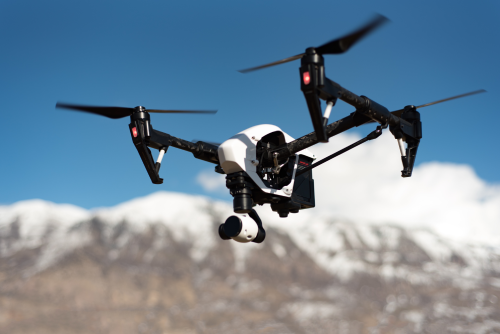
Great travel drone footage is not about flying higher or faster. The best drone shot ideas for travel creators are the ones that show scale, place, and emotion in a few clean seconds. From beaches and tea estates to hill roads and forts, the right shot can make even a simple location in India look cinematic.
Quick Take
- The best travel drone shots usually do one of three things: reveal a place, show scale, or guide the viewer through a scene.
- Beginners should master a few simple moves first: push-in, pull-back reveal, top-down, orbit, and side-slide.
- Good travel footage comes more from timing, framing, and smooth control than from expensive gear.
- In India, always verify the latest DGCA guidance, airspace status, and local location restrictions before flying.
- Avoid crowds, moving traffic, wildlife areas, and any place where privacy or safety could be compromised.
- For better edits, collect a mix of wide shots, subject shots, and one exit shot instead of repeating the same move.
Match the shot to the destination
| Destination type | Shots to prioritise | Best light | Watch out for |
|---|---|---|---|
| Beaches and coastlines | Shoreline track, top-down, pull-back reveal | Sunrise, sunset | Wind, salt spray, beach crowds, local restrictions |
| Mountains and ghats | Rising reveal, parallax side-slide, summit pull-away | Early morning, late afternoon | Cliff winds, fog, signal drop, fast weather changes |
| Forts and heritage areas | Push-in, pull-away, top-down geometry | Morning, evening | Site-specific bans or permissions, visitor traffic |
| Waterfalls and rivers | Side-rise, top-down, tiny-subject shot | Morning, overcast light | Spray, slippery launch spots, people below |
| Deserts and open plains | Shadow shot, top-down, long push-in | Golden hour | Dust, heat, strong wind |
| Tea estates and patterned fields | Orbit, top-down, side-slide | Sunrise, soft evening light | Local permission, worker privacy |
What makes a travel drone shot memorable
A strong travel shot usually has three elements:
- A clear subject: a person, road, ridge, boat, lighthouse, fort wall, or tree line.
- A sense of scale: the shot should show how small the subject is compared to the landscape.
- Controlled movement: the drone should move for a reason, not just because it can.
If your drone clip has beautiful scenery but no subject or direction, it often feels generic. Travel creators get better results when they treat each clip like a sentence in a story: opening, middle, and exit.
12 best drone shot ideas for travel creators
1. The pull-back reveal
- Best for: beaches, valleys, forts, lakes, cliff edges.
- How to shoot: Start with a foreground element filling most of the frame, like rocks, a ridge, palms, or a wall. Fly backward and slightly upward so the full landscape gradually appears.
- Why it works: It creates surprise. The viewer first sees texture, then the wider destination.
- Tip: Keep the first two seconds simple and slow. The reveal is stronger when the scene opens gradually, not all at once.
- Watch for: Obstacles behind the drone. This shot needs clear space or a spotter.
2. The rising reveal
- Best for: hill stations, tea estates, ghats, riverbanks, temple towns from legal open areas.
- How to shoot: Start low behind a ridge, wall, or line of trees. Ascend vertically while tilting the camera slightly to reveal the landscape beyond.
- Why it works: It makes ordinary terrain feel dramatic and is perfect when the destination has layers.
- Tip: Use this at sunrise in the Western Ghats, Nilgiris, or Himalayan viewpoints when mist adds depth.
- Watch for: Wind and sudden elevation change near ridges.
3. The top-down pattern shot
- Best for: coastline curves, fields, salt pans, road bends, step-like architecture where flying is allowed.
- How to shoot: Point the camera straight down and look for shapes, lines, repetition, or contrast between land and water.
- Why it works: It turns the location into graphic design. This is one of the easiest ways to make travel content stand out.
- Tip: Human subjects look best when they are small but clearly separated from the background, such as on sand, grass, or stone.
- Watch for: Flat overhead shots can feel lifeless if there is no pattern or colour contrast.
4. The slow orbit
- Best for: a solo traveller, watchtower, lone tree, rock formation, lighthouse, or isolated viewpoint.
- How to shoot: Circle the subject slowly while keeping the subject locked near the same position in frame.
- Why it works: It adds depth and makes the location feel three-dimensional.
- Tip: Wider circles look smoother and safer than tight circles, especially for beginners.
- Watch for: Trees, poles, and uneven terrain. This move can go wrong quickly if you focus only on the screen.
5. The road or trail follow shot
- Best for: winding mountain roads, empty village roads, forest tracks where flying is legal and safe.
- How to shoot: Fly parallel to the road or trail instead of directly above it. Let the road act as a leading line through the frame.
- Why it works: Roads tell a travel story instantly. They suggest movement, direction, and journey.
- Tip: This works best on relatively empty roads with a clear visual curve. You do not need high speed; gentle motion looks better.
- Watch for: Do not fly over moving public traffic or crowded roads. Keep a safe offset and prioritise safety over drama.
6. The parallax side-slide
- Best for: layered hills, tea plantations, forts on slopes, riverbanks, cliff roads.
- How to shoot: Fly sideways while keeping the main subject in one part of the frame. The foreground and background shift at different speeds.
- Why it works: This creates parallax, which means nearby objects move faster across the frame than faraway ones. That adds depth and a cinematic feel.
- Tip: This is one of the most useful travel shots for Indian hill destinations because ridges and terraces naturally create layers.
- Watch for: Jerky sideways input. Small stick movements are enough.
7. The push-in establishing shot
- Best for: forts, beaches, homestays, camp sites, monasteries, valleys, city-edge landscapes where flight is legal.
- How to shoot: Start wide, then fly slowly forward toward the subject without changing height much.
- Why it works: It is clean, easy to edit, and works as a strong opener.
- Tip: Use this when the location already looks impressive from a distance. Let the viewer settle into the scene.
- Watch for: If the background is cluttered or the subject is weak, the shot can feel flat.
8. The pull-away from the subject
- Best for: viewpoints, summit moments, cliff edges, open terraces, ridge walks, dune shots.
- How to shoot: Frame the subject fairly close, then fly backward and upward to show how large the landscape is around them.
- Why it works: It turns a personal moment into a location reveal.
- Tip: Ask your subject to stay still for a few seconds. A small pose change can ruin the clean look of this shot.
- Watch for: Strong backlight at sunrise or sunset can fool exposure. Lock exposure before recording if possible.
9. The shoreline diagonal track
- Best for: beaches, river mouths, backwaters, shallow coasts.
- How to shoot: Fly along the shoreline at a slight diagonal, not perfectly parallel. This keeps both land and water in frame.
- Why it works: Diagonal composition creates energy. It also captures texture in waves, sand, and foam.
- Tip: Early morning is best on Indian beaches because the light is soft and crowds are lower.
- Watch for: Wind can be much stronger near the coast than it feels on the ground. Salt spray is also a real risk.
10. The waterfall side-rise
- Best for: waterfalls, steep streams, cascades, monsoon-fed rock faces.
- How to shoot: Start near the lower section from a safe, open position and rise upward alongside the waterfall rather than directly in front of it.
- Why it works: Vertical subjects deserve vertical motion. This shot emphasises height and power.
- Tip: Overcast conditions often work better than harsh sunlight because water retains more detail.
- Watch for: Mist and spray can affect visibility, sensors, and stability. Do not push closer than necessary.
11. The tiny-human scale shot
- Best for: dunes, grasslands, salt flats, ridges, open courtyards, broad rock formations.
- How to shoot: Place one person in a large frame and keep them small. Use the landscape as the main subject and the person as a scale reference.
- Why it works: This is one of the strongest travel visuals because it makes the destination feel massive without any fake drama.
- Tip: Bright clothing helps the subject separate from the background.
- Watch for: If the subject is too small or the background too busy, the person disappears and the shot loses impact.
12. The golden-hour shadow shot
- Best for: deserts, beaches, open fields, fort grounds, grasslands.
- How to shoot: Fly top-down or at a low angle when the sun is low and shadows stretch across the ground.
- Why it works: Long shadows add shape, mood, and instant visual interest to otherwise simple terrain.
- Tip: Rajasthan, dry plains, and open coastlines are especially good for this because the shadows stay clean and readable.
- Watch for: This shot has a short window. If you arrive late, you lose the effect.
A simple 5-shot drone sequence for one travel location
If you only have 10 to 15 minutes in one spot, do not guess. Use this sequence:
- Wide opener: Push-in establishing shot.
- Reveal: Rising reveal or pull-back reveal.
- Depth shot: Parallax side-slide or orbit.
- Graphic shot: Top-down pattern or shadow shot.
- Exit shot: Pull-away from the subject.
This gives you enough variety for a short Reel, YouTube intro, or hotel/travel montage without repeating the same angle.
Camera settings and movement tips that improve travel footage
You do not need complicated settings, but you do need consistency.
Keep movement slower than you think
Travel footage looks better when the drone moves gently. Fast movement only works when the scene is large and uncluttered. In most Indian travel spots, slower motion is safer and more cinematic.
Use frame rate intentionally
- Use 25 or 30 fps for normal travel clips.
- Use 50 or 60 fps only when you know you want slow motion.
Lock white balance
White balance is the camera setting that controls whether your footage looks warm or cool. If it changes during the shot, the clip looks cheap. Lock it before takeoff instead of leaving it on automatic.
Consider an ND filter in bright daylight
An ND filter is like sunglasses for the camera. It reduces light so your shutter speed can stay more controlled in harsh sun. This is especially useful in India during midday or at beaches.
Avoid over-sharpened, over-saturated footage
Many beginner clips look unnatural because the colours are pushed too hard. It is better to record a clean, balanced image and add style later.
Shoot both horizontal and vertical with purpose
- If your main output is YouTube, shoot for horizontal framing first.
- If your main output is Reels or Shorts, plan a central subject so you can crop vertically without losing the story.
Record shorter clips
Six to twelve seconds is often enough. A long, unplanned 40-second clip rarely survives editing.
Safety, legal, and compliance checks for travel creators in India
Travel drone footage is only worth it if it is legal, safe, and respectful.
Before every flight
- Check the latest official DGCA guidance and verify the airspace status for your location.
- Use the Digital Sky system or other current official sources where applicable.
- Make sure your drone and operation comply with whatever requirements apply to your drone category and intended use, including any NPNT-related or registration requirements where relevant.
- Do not assume a location is allowed just because you saw someone post drone footage from there.
Be extra careful at tourist locations
Many travel spots can have their own restrictions or practical issues, including:
- Heritage monuments and protected sites
- National parks, wildlife habitats, and bird areas
- Beaches with heavy crowds
- Religious places and public gatherings
- Airports, helipads, ports, military areas, cantonments, and sensitive government zones
- Dams, industrial facilities, and event locations
When in doubt, verify with the local authority or site management before flying.
Protect people, privacy, and property
- Do not fly over crowds.
- Avoid public roads with active traffic.
- Keep distance from homes, hotel balconies, and private property.
- Do not record people closely without consent just because the drone allows it.
Travel-specific safety tips
- Launch from a clean, open spot, not from a slope or unstable rock.
- Set a safe return-to-home altitude before takeoff if your drone supports it.
- In hills, assume wind will be stronger at flight height than at ground level.
- Near water, keep extra battery margin for the return.
- Carry spare propellers and protect batteries properly when travelling. Airline and transport rules can vary, so confirm before your trip.
Common mistakes travel creators make
- Flying too high too soon: Higher is not always better. Medium height often gives more depth and stronger storytelling.
- Using the same move repeatedly: Five orbits in one edit get boring fast.
- Ignoring a clear subject: A beautiful landscape still needs a point of attention.
- Overflying people or roads: This is unsafe and can also ruin the footage.
- Shooting only at noon: Harsh overhead light kills texture in many travel locations.
- Turning every shot into a speed shot: Travel content usually looks better with calm, deliberate motion.
- Forgetting the exit clip: A pull-away or wide shot helps the edit breathe.
- Not checking the location first: Legal restrictions, wind, crowds, and magnetic interference can destroy the plan before takeoff.
FAQ
Which drone shot is easiest for beginners?
The push-in establishing shot is usually the easiest. It only requires slow forward movement, and it works in almost any open landscape.
What is the best time of day for travel drone footage in India?
Early morning and late afternoon are usually best. Light is softer, shadows are more interesting, and tourist crowds are often smaller. Noon can still work for top-down pattern shots if the location has strong shapes.
How high should I fly for better travel shots?
There is no single perfect height. In general, stay as low as safely possible while still showing the scene well, and always follow the applicable rules for your location. Lower to medium height often looks more dramatic than very high footage.
Should I shoot vertical or horizontal for travel content?
If you mainly post Reels or Shorts, plan for vertical delivery. If you shoot for YouTube, websites, or clients, horizontal is usually the safer master format. The best approach is to compose with the subject near the centre so you can crop later.
Do I need ND filters for travel videos?
Not always, but they are very helpful in bright sun. If your footage looks too sharp, too stuttery, or hard to control in daylight, an ND filter can improve motion and exposure.
Can I fly at forts, beaches, waterfalls, and hill stations in India?
Sometimes yes, sometimes no. These places can involve site-specific restrictions, local permissions, crowd issues, or sensitive airspace. Always verify the latest official rules and local conditions before flying.
How many clips do I need for a 30-second travel reel?
Usually five to eight strong clips are enough. Aim for variety: one opener, one reveal, one subject shot, one top-down or detail shot, and one exit shot.
Why do my drone shots look jerky?
The most common reasons are pushing the sticks too hard, changing direction mid-shot, leaving white balance on auto, or using every shot too fast. Slow down the drone, slow down the gimbal, and record shorter, cleaner clips.
Can I carry drone batteries on domestic flights in India?
Policies can vary by airline and battery type. Check with your airline before travel, keep batteries protected, and pack them as instructed by the carrier. Do not assume one airline’s policy applies to all.
Final takeaway
If you want better travel footage, do not chase complicated drone tricks. Learn five dependable shots first: push-in, pull-back reveal, top-down, parallax side-slide, and pull-away. Practice them in a safe, legal open area near home, then use the same template on your next trip and your travel videos will immediately look more polished.
