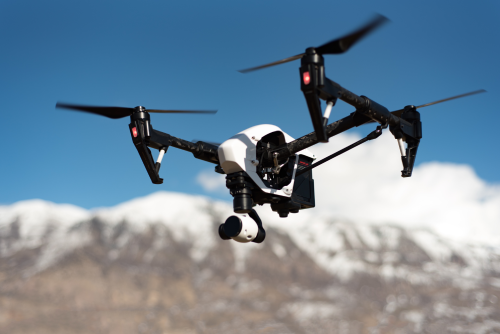
The best drone shot ideas for resorts and hotels do more than show a building from above. They help viewers feel the property’s scale, setting, atmosphere, and experience before they ever book a room. For Indian resorts and hotels, the right aerial shots can highlight beaches, hills, gardens, courtyards, pools, heritage architecture, and scenic surroundings in a way ground cameras often cannot.
Quick Take
- The most effective resort drone footage tells a story: arrival, location, amenities, experience, and mood.
- Don’t rely only on very high aerial shots. Mid-height cinematic moves often sell the property better.
- Golden hour usually works best for pools, facades, lawns, and landscape-heavy resorts.
- Privacy matters. Avoid flying close to occupied rooms, balconies, private villas, and guest activity without proper planning.
- In India, always verify the latest DGCA and Digital Sky requirements, local airspace restrictions, and property permissions before flying.
- Build a shot list based on the resort type: beach, hill, city, wildlife, heritage, wellness, or wedding destination.
What makes resort and hotel drone footage work
A great hospitality drone shoot is not just about making the property look big. It should answer a booking customer’s key questions quickly:
- Where is the property located?
- What is the setting around it?
- How premium or peaceful does it feel?
- What amenities stand out?
- How private, spacious, or scenic is the stay?
For a hotel or resort, drone content is strongest when it balances three things:
- Context: mountains, sea, forest, lake, city skyline, or countryside
- Design: architecture, pool, courtyards, lawns, pathways, villas
- Experience: arrival, relaxation, event spaces, sunset views, movement through the property
That is why the best drone shot ideas for resorts and hotels mix wide establishing visuals with lower, more intimate motion shots.
Plan the shoot before you charge batteries
Before discussing specific drone shot ideas, it helps to plan the shoot in a hospitality-friendly way.
Define the final use
Ask the hotel or resort what the footage is for:
- Website homepage banner
- Instagram reels
- Booking platform listing video
- Wedding or event promotions
- Villa sales or premium suite marketing
- Tourism campaign
- Full brand film
A 10-second social clip needs different shots from a 2-minute cinematic property film.
Map the property by zones
Split the location into clear shooting areas:
- Entrance and drop-off
- Main building or reception
- Pool area
- Gardens and lawns
- Villas or cottages
- Restaurant deck
- Spa or wellness zone
- Beachfront, riverside, lakefront, or hill edge
- Event lawn or wedding mandap area
This helps you avoid random flying and capture useful sequences.
Pick the right time of day
In India, time of day matters a lot because light changes quickly and midday sun is harsh.
- Sunrise: best for calm atmosphere, soft light, empty grounds
- Golden hour before sunset: best for warm luxury feel
- Blue hour: good for lit exteriors and premium ambience
- Midday: only useful for top-down symmetry shots or when weather forces it
Coordinate with the property team
Ask for:
- Low guest-traffic windows
- Empty pool or lawn timing if needed
- Vehicles moved from frame
- Housekeeping checks for balconies and pool decks
- Water features, lights, and fountains turned on
- Event setup completed before you fly
A five-minute coordination call can save a wasted flight.
Best drone shot ideas for resorts and hotels
Below are practical, high-performing shot ideas that work across most hospitality properties.
Establishing and location shots
1. The high reveal shot
Start with trees, a boundary wall, dunes, or a hill in the foreground, then rise slowly to reveal the full property.
Why it works:
- Creates curiosity
- Shows scale dramatically
- Works well for hidden resorts, jungle stays, and private villas
Best for:
- Hill resorts
- Wildlife lodges
- Beach properties behind palms
- Wellness retreats
Tip: Keep the reveal smooth and slow. If you rise too fast, it feels more like a map than a film.
2. The master top-down layout shot
A straight-down shot can show the resort’s overall design: pool shape, pathways, cottages, lawns, and courtyards.
Why it works:
- Makes planning and layout clear
- Highlights symmetry and landscaping
- Excellent for social media cutaways
Best for:
- Luxury resorts
- Heritage hotels
- Properties with geometric pools or courtyards
Tip: This shot is strongest when the property design has clean lines or repeating patterns.
3. The full-property pullback
Begin with the main building or pool at mid-height and slowly pull backward to reveal the entire site and surrounding landscape.
Why it works:
- Makes the resort feel larger
- Connects the property to its natural setting
- Great opening or closing shot for promo films
Best for:
- Riverside resorts
- Hill properties
- Farm stays
- Desert resorts
Tip: Make sure the background is attractive. A pullback into messy parking or nearby construction weakens the frame.
4. The location context wide shot
Instead of focusing only on the property, show how it sits within the destination: beach curve, tea gardens, backwaters, forest edge, valley, or city skyline.
Why it works:
- Sells the destination, not just the building
- Helps viewers understand why the location is special
- Good for tourism-heavy states and scenic stays
Best for:
- Goa, Kerala, Uttarakhand, Himachal, Rajasthan, Kashmir, Northeast, Coorg-style properties
Tip: This shot is especially useful when the location itself is the primary reason to book.
Arrival and architecture shots
5. The entrance approach shot
Fly a slow, level approach toward the main gate, driveway, or porte-cochère.
Why it works:
- Simulates guest arrival
- Makes the property feel premium and welcoming
- Good for branded intros
Best for:
- City hotels
- Luxury resorts
- Wedding venues
Tip: Keep altitude moderate. Too high and the viewer loses the sense of arriving.
6. The side-parallax architecture shot
Fly sideways while keeping the building framed from a three-quarter angle. This creates a “parallax” effect, where foreground and background move at different speeds.
Why it works:
- Adds depth
- Makes architecture feel cinematic
- Great for facades, wings, and villa rows
Best for:
- Modern hotels
- Heritage properties
- Resorts with textured landscaping
Tip: Include trees, fountains, or pathway lights in the foreground for extra depth.
7. The garden-to-building rise
Start low over plants, flowers, or a pathway and slowly rise to reveal the hotel behind them.
Why it works:
- Adds elegance
- Feels less generic than a plain aerial shot
- Connects landscaping to the architecture
Best for:
- Boutique stays
- Garden resorts
- Heritage mansions
- Wedding properties
Tip: Use this when the property is known for lush greenery or carefully designed grounds.
8. The courtyard symmetry shot
If the hotel has a central courtyard, water body, haveli-style layout, or heritage atrium, capture it from directly above or with a centered rise.
Why it works:
- Strong visual symmetry
- Looks premium and intentional
- Excellent for reels and short promos
Best for:
- Palace hotels
- heritage resorts
- Boutique luxury properties
Tip: Symmetry only works if the frame is truly clean. Move furniture or service carts out if possible.
Amenity-focused shots
9. The pool hero shot
This is often the most important shot in a resort film. Use a slow orbit, side drift, or rise over the pool to show water, deck, loungers, and the building behind.
Why it works:
- Pools are a major booking trigger
- Water reflects light beautifully at sunrise and sunset
- Shows leisure and luxury instantly
Best for:
- Vacation resorts
- Family resorts
- Villa properties
- Wellness stays
Tip: If guests are using the pool, maintain privacy and safety. Avoid hovering low over swimmers.
10. The infinity edge horizon shot
For resorts with an infinity pool, frame the water edge so it visually merges with the sea, valley, lake, or skyline.
Why it works:
- Creates a premium, destination-led image
- Makes the amenity feel larger and more dramatic
- Very effective for marketing thumbnails
Best for:
- Hillside resorts
- Seafront properties
- Lakeview hotels
Tip: Horizon level matters. A tilted horizon ruins this shot immediately.
11. The pathway connector shot
Follow a pathway from the lobby toward the pool, spa, villas, or beachfront.
Why it works:
- Shows guest flow through the property
- Makes the space feel navigable and thoughtfully designed
- Adds movement to otherwise static architecture
Best for:
- Large resorts
- Eco-resorts
- Properties with landscaped walkways
Tip: This works best when the path has lighting, trees, arches, or water features.
12. The restaurant deck or rooftop reveal
Start behind the building or trees and reveal an outdoor dining deck, rooftop lounge, or cliffside restaurant.
Why it works:
- Highlights premium food-and-view experiences
- Useful for F&B marketing, not just room sales
- Adds lifestyle value to the property film
Best for:
- Rooftop hotels
- Beach resorts
- Hill stations
- City skyline properties
Tip: Shoot when tables are styled but not crowded.
Experience and storytelling shots
13. The villa privacy shot
Show private villas, cottages, or tented units with enough distance to suggest exclusivity, but not so close that guest privacy is compromised.
Why it works:
- Sells privacy and space
- Works well for premium bookings
- Useful for honeymoon and wellness stays
Best for:
- Private villa resorts
- Nature lodges
- Glamping sites
Tip: Never peek into balconies, open bathrooms, plunge pools, or windows. Keep the angle respectful.
14. The beachline or lakeside tracking shot
Fly parallel to the shoreline with the resort in frame, showing both water and property together.
Why it works:
- Combines destination plus stay in one shot
- Gives a relaxed, cinematic feel
- Strong for travel ads
Best for:
- Beach resorts
- Backwater stays
- Lakefront hotels
- River-facing resorts
Tip: Coastal winds can be stronger than they look. Plan battery margin conservatively.
15. The hillside ridge reveal
Begin with the resort in frame, then rise or pull back to reveal the valley, tea estate, forest, or mountain ridgeline behind it.
Why it works:
- Adds grandeur
- Helps the property feel scenic, peaceful, and remote
- Very effective for hill stations
Best for:
- Himachal, Uttarakhand, Darjeeling, Sikkim, Nilgiris, Coorg, Munnar-type properties
Tip: Mountain weather changes fast. Capture your must-have shot early.
16. The event lawn establishing shot
Show the full wedding or event layout: mandap, seating, pathways, decor, stage, and surrounding architecture.
Why it works:
- Important for destination wedding marketing
- Helps clients understand event capacity and ambience
- Looks impressive with symmetry and lighting
Best for:
- Resorts targeting weddings and conferences
- Heritage hotels
- Large lawns and banquet properties
Tip: Fly before guests arrive or during a controlled window. Avoid flying low over crowds.
17. The dusk lighting shot
Capture the property just after sunset when facade lights, pool lights, pathways, and ambient lighting turn on.
Why it works:
- Makes average buildings look premium
- Gives warmth and luxury
- Ideal for website hero banners
Best for:
- Premium hotels
- Wedding venues
- Properties with strong exterior lighting design
Tip: Blue hour is short. Have this shot fully planned in advance.
18. The seasonal atmosphere shot
Use weather or season to your advantage: monsoon mist, desert dusk, winter fog in the hills, flowering gardens, or festive lighting.
Why it works:
- Makes the property feel alive and specific
- Helps viewers imagine the stay during a season
- Adds uniqueness versus generic hotel films
Best for:
- Monsoon resorts
- Hill properties
- Festive destination hotels
- Eco and nature stays
Tip: Atmosphere helps only if the drone can operate safely within manufacturer limits and visibility remains adequate.
Camera and movement tips that make these shots look premium
Even the best shot idea fails if the flying is jerky or the footage is inconsistent.
Keep movement slow
For resort and hotel work, smooth beats flashy.
Use:
- Slow push-ins
- Gentle pullbacks
- Controlled orbits
- Side drifts
- Low-speed rises
Avoid:
- Fast yaw spins
- Aggressive dives
- Racing passes
- FPV-style motion unless the client specifically wants that style and the location allows it safely
Lock your exposure style
If your drone allows manual control:
- Keep frame rate consistent across the project
- Set shutter speed to match a natural-looking motion blur
- Use ND filters in bright daylight if needed
- Lock white balance so colours do not shift between shots
For beginners, even using a normal colour profile well is better than shooting flat footage you cannot grade properly later.
Compose with layers
Resort visuals improve when you include:
- Foreground trees or flowers
- Midground architecture
- Background landscape
This makes the footage feel richer and less like a plain survey shot.
Shoot for editing, not for excitement
Capture each move for at least 8 to 12 usable seconds. Editors need stable handles at the beginning and end of each clip.
India-specific challenges to plan around
Hospitality shoots in India often involve conditions that need extra preparation.
Harsh midday light
Bright overhead sun creates:
- Hard shadows
- Flat building textures
- Unpleasant pool glare
- Washed-out lawns
Try to keep your priority shots for early morning or late afternoon.
Coastal wind
Goa, Kerala, Andaman-facing properties, and other beach areas may have strong gusts.
Plan for:
- Shorter flights
- Safer battery reserve
- Stable hover checks before complex moves
Birds
Kites, crows, gulls, and other birds may react to drones, especially near coasts, hills, and open lawns.
If birds show interest:
- Gain safe separation
- Return calmly
- Do not climb into a confrontation
Hill station weather
Cloud cover and wind can change quickly. In mountain areas, “it looks fine from the ground” is not always reliable.
Guest density
Popular resorts may be crowded during weekends, holidays, and wedding functions. Early weekday mornings are often the cleanest shooting windows.
Safety, privacy, and legal checks before a resort shoot
This part matters as much as composition.
Verify current Indian drone rules
Before any hospitality shoot in India:
- Verify the latest DGCA rules and Digital Sky guidance
- Confirm whether your drone and operation fit current requirements
- Check the airspace status of the area
- Be extra cautious near airports, helipads, military areas, and other sensitive zones
Rules and procedures can change, so do not rely on old advice or social media summaries.
Get property permission
Always have clear permission from the resort or hotel management, especially for commercial work.
This should cover:
- Approved flying windows
- Guest-sensitive areas
- Event restrictions
- Coordination point on site
Respect guest privacy
Do not capture:
- People on private balconies
- Guests sunbathing closely
- Open room interiors
- Private villa courtyards without consent
- Pool or spa close-ups that feel intrusive
A hospitality film should feel aspirational, not invasive.
Avoid flying over people
Even if a crowd shot looks tempting, avoid risky flight paths over guests, diners, wedding attendees, or staff gatherings.
Use safer alternatives:
- Wider angles from offset positions
- Elevated side perspectives
- Ground cameras for close crowd action
Check local sensitivities
Some properties are near temples, heritage zones, wildlife areas, or dense communities. Even if the resort approves the shoot, local sensitivity still matters.
When in doubt, slow down, ask, and verify.
Common mistakes to avoid
1. Shooting everything too high
Very high shots are useful, but too many make every resort look the same.
2. Ignoring the story
A random collection of aerials does not market the stay well. Build a sequence.
3. Flying at noon only
The property may be available then, but the footage may look flat and uninviting.
4. Overusing orbits
One or two are enough. Too many orbits feel repetitive.
5. Not cleaning the frame
Parked cars, delivery vans, tarpaulins, housekeeping carts, and pool covers ruin luxury visuals.
6. Unstable horizon
A crooked horizon is one of the fastest ways to make premium footage look amateur.
7. Getting too close to occupied rooms
This creates privacy concerns and can make guests uncomfortable.
8. Forgetting the edit
If you capture only dramatic wides and no connectors, transitions become weak.
A simple shot list for a typical resort film
If you want a practical starting point, this 10-shot sequence works well:
- High reveal of the property
- Entrance approach
- Side-parallax facade shot
- Pool hero shot
- Pathway connector shot
- Villa or cottage privacy wide
- Restaurant or deck reveal
- Landscape context wide
- Event lawn or garden symmetry shot
- Dusk lighting closing shot
This gives you a balanced mix of scale, design, and experience.
FAQ
What is the single most important drone shot for a resort?
Usually the pool or main-property establishing shot. If the location itself is the selling point, then the landscape context shot may matter even more.
Is a top-down shot necessary for every hotel shoot?
No. Use it only if the layout, symmetry, or pool design is visually strong. Some properties look better from a low or medium-height angle.
What time of day is best for hotel drone videography in India?
Early morning and late afternoon are usually best. Sunrise is ideal for empty grounds and calm ambience, while sunset gives warmer, more premium visuals.
Can I fly close to guest balconies or private villas?
You should avoid intrusive angles and maintain privacy. Even if management approves the shoot, guests should not feel monitored or exposed.
How many drone shots does a hotel promo video need?
For a short film, 8 to 15 strong drone shots are often enough. Quality matters more than quantity.
Should I use automated flight modes for resort shoots?
Only if you are already comfortable with them, the area is safe, and the move has been planned properly. Manual control often gives better judgment around trees, buildings, and guest areas.
Are drone night shots allowed for hotel promotions?
Do not assume they are. Verify the latest applicable rules, local permissions, and operational requirements before planning any low-light or night aerial work.
What type of hotel benefits most from drone footage?
Destination-led properties benefit the most: beach resorts, hill stays, heritage hotels, wildlife lodges, wedding resorts, lakefront stays, and large villa properties.
Can small boutique hotels also use drone footage well?
Yes, especially if they have rooftop views, gardens, courtyards, design-led architecture, or a scenic setting. The footage does not need to be huge to be effective.
How do I make resort drone footage look more luxurious?
Use clean frames, slow movement, soft light, balanced composition, and a clear story. Luxury comes from control and taste, not just altitude.
Final takeaway
If you want the best drone shot ideas for resorts and hotels, think beyond “aerial view” and focus on what actually sells the stay: location, arrival, amenities, privacy, and atmosphere. Build a short, disciplined shot list, fly during the best light, protect guest privacy, and verify the latest Indian flight rules before takeoff.
