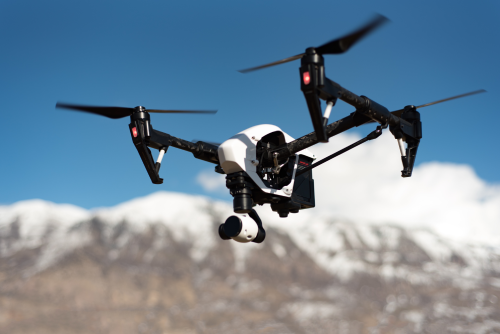
The best camera drones for YouTube creators are the ones that match your channel style, editing workflow, and the places you can legally fly. For creators in India, image quality matters, but battery cost, spare parts, after-sales support, and compliance matter just as much. A great-looking spec sheet is useless if the drone is hard to service or risky to fly where you actually shoot.
Quick Take
If you want the short version, start here:
- Best overall for most YouTube creators: a mid-range folding drone like the DJI Air 3
- Best for travel, solo creators, and portability: the DJI Mini 4 Pro
- Best premium cinematic option: the DJI Mavic 3 Pro
- Best for action and FPV-style content: the DJI Avata 2
- Best value new-ish entry point: the DJI Mini 3
- Best used-market value: a clean DJI Air 2S if batteries and condition are verified
For most Indian creators, the decision is usually simple:
- Choose a Mini-class drone if you travel often, hike, shoot casually, or want the least bulky kit.
- Choose an Air-class drone if YouTube is serious work and you want better versatility.
- Choose a Mavic-class drone only if you earn from your footage or need clearly better cinematic quality.
- Choose FPV only if your content genuinely needs speed, immersion, or dramatic movement.
What actually matters in a YouTube creator drone
A good camera drone is not just about resolution.
Sensor size and image quality
Bigger sensors usually give you:
- better dynamic range, meaning more detail in bright skies and dark shadows
- cleaner footage in early morning, evening, or cloudy light
- more flexibility when colour grading
For YouTube, this matters more than chasing giant resolution numbers. A clean, well-exposed 4K video usually looks better than shaky, over-sharpened footage from a cheaper drone with a flashy headline spec.
Lens options
Some drones now offer more than one focal length. That matters because:
- wide shots are great for landscapes, beaches, resorts, campuses, and travel intros
- medium tele shots make mountains, buildings, roads, and subjects look more cinematic
- multiple lenses reduce the “everything looks too wide” problem common in entry-level drone footage
If your videos include real estate, cars, tourism, architecture, or storytelling B-roll, lens flexibility is a big upgrade.
Stabilisation and flight confidence
A 3-axis gimbal keeps the horizon stable and movement smooth. That is essential for professional-looking YouTube footage.
Also look at:
- obstacle sensing
- subject tracking
- return-to-home reliability
- wind handling
These do not make a drone crash-proof, but they make solo shooting much easier.
Colour profile and editing flexibility
Some creator drones give you flatter colour profiles that preserve more highlight and shadow detail for editing later. If you edit seriously in DaVinci Resolve, Premiere Pro, or Final Cut, this is useful.
If you mostly post quick travel videos, college projects, reels, or simple vlogs, standard colour modes are often enough.
Real-world flight time
Ignore marketing flight times in isolation. In real use, wind, temperature, location, and how aggressively you fly all reduce endurance.
For creators, the practical question is:
- can you get a full shooting session done with two or three batteries
- are extra batteries easy to source in India
- is the charger ecosystem convenient enough for travel
File workflow
High-bitrate footage looks good, but it also means:
- faster memory cards
- more laptop storage
- longer copy times
- heavier editing load
Students and beginner creators often underestimate this. A drone that records beautifully is only useful if your edit system can handle the footage comfortably.
India reality check: support matters
In India, many buyers focus only on camera quality and forget the boring but important part:
- Who repairs the drone if it crashes?
- Can you easily buy propellers and batteries?
- Is the seller giving a proper invoice and clear support terms?
- Is the model suitable for your intended use under current Indian rules?
For many people, the best drone is the one with the strongest ecosystem, not the most dramatic spec sheet.
Best camera drones for YouTube creators
Best picks at a glance
| Drone | Best for | Why it stands out | Main trade-off |
|---|---|---|---|
| DJI Air 3 | Most serious creators | Dual-camera flexibility, strong flight confidence, great all-round content tool | Bigger and costlier than Mini-class drones |
| DJI Mini 4 Pro | Travel, solo creators, portability | Under-250 g class, very capable image, easy to carry, creator-friendly features | Smaller sensor limits low-light performance |
| DJI Mavic 3 Pro | Premium commercial and cinematic work | Larger main sensor, multiple focal lengths, best image flexibility here | Expensive and overkill for many channels |
| DJI Avata 2 | Action, adventure, immersive POV | FPV look without full DIY FPV complexity | Not a replacement for a normal camera drone |
| DJI Mini 3 | Budget-conscious creators | Good daylight quality, portable, still creator-friendly | Fewer safety and advanced features |
| DJI Air 2S (used) | Used-market value buyers | Strong image quality for the money if found in good condition | Older platform and battery health can be a risk |
The best options, one by one
DJI Air 3: best overall for most YouTube creators
If you want one drone that can handle travel videos, resort shoots, campus content, road trip B-roll, real estate previews, and branded social media work, the DJI Air 3 is the easiest recommendation.
Why it works so well:
- dual-camera setup gives your footage more variety
- better wind confidence than ultra-light drones
- strong obstacle sensing and safer solo operation
- good battery performance for real shoots
- enough image quality for serious YouTube work without jumping into premium territory
This is the drone for creators who are past the “just trying drones” stage and want something they can build a channel around.
It is especially good for:
- travel vloggers
- tourism and hospitality creators
- real estate walkthrough B-roll
- motorcycle and car content
- creators who want both wide and tighter aerial shots
Its main weakness is not image quality. It is simply that it is bigger, more expensive to run, and less effortless to carry than a Mini-class drone.
DJI Mini 4 Pro: best for travel and solo creators
For many people in India, the DJI Mini 4 Pro is the smartest first serious drone.
Why creators love it:
- very portable
- easier to pack for travel, hikes, train journeys, and bike trips
- strong features for a lightweight drone
- useful obstacle sensing and tracking for solo shooting
- vertical shooting flexibility for Shorts and reels
If your channel mixes YouTube, Instagram, and travel content, this drone fits modern creator workflow very well.
It is a great choice for:
- solo travel vloggers
- college creators
- trekking and outdoor channels
- cafe, homestay, and local tourism content
- creators who want good image quality without a heavy bag
The limitation is simple: physics. A smaller drone and smaller sensor mean it will not match a larger drone in low light, wind resistance, or overall image depth. In bright daylight, though, it is impressively capable.
DJI Mavic 3 Pro: best premium cinematic drone
If drone footage is part of paid work, not just content creation, the DJI Mavic 3 Pro sits in a different league.
Why professionals like it:
- larger main sensor for better highlight and shadow retention
- multiple focal lengths for more cinematic storytelling
- stronger image flexibility in professional editing
- excellent fit for high-end travel films, resorts, architecture, and commercial work
This is the kind of drone that makes sense for:
- production houses
- wedding film teams using drones where legally permitted
- real estate and luxury property media teams
- tourism brands
- creators who already earn from their videos
For a casual YouTube creator, it is often too much. It costs more, the batteries cost more, and you should only buy into this class if your work really benefits from the jump.
DJI Avata 2: best for action and FPV-style YouTube footage
If your content is about speed, immersion, movement, or dramatic fly-throughs, a normal camera drone will eventually feel too calm. That is where the DJI Avata 2 comes in.
Why it is useful:
- FPV-style footage feels more intense and engaging
- protected propeller design makes it friendlier than traditional DIY FPV for beginners
- excellent for action sports, indoor fly-through style shots, and dynamic reveal sequences
- gives your channel a visual style that standard drone footage cannot replicate
Best for:
- biking and adventure channels
- automotive content
- resort walkthroughs with motion-heavy shots
- sports and action creators
- creators who want “wow” B-roll, not just scenic top shots
But this is important: do not buy an Avata 2 as your only drone unless you know exactly why you need FPV. It is not the best choice for calm, conventional establishing shots, simple travel scenes, or easy beginner learning. For most creators, FPV is a second drone, not the first.
DJI Mini 3: best value for budget-conscious creators
The DJI Mini 3 remains a sensible buy when you want solid-looking YouTube footage without stretching into the latest higher-priced option.
Why it still matters:
- lightweight and easy to carry
- good daylight image quality
- enough camera for travel, campus, and lifestyle content
- simpler value proposition than more advanced models
This is a strong fit for:
- beginner creators upgrading from phones and action cameras
- students making travel or event videos
- small business owners creating promo content
- creators who want a practical starter drone, not every feature
You give up some safety tech and some of the higher-end refinements. But for many first-time buyers, that trade-off is reasonable.
DJI Air 2S: best used-market value if bought carefully
If you are comfortable buying used and can inspect properly, the DJI Air 2S is still one of the better value finds.
Why people still look for it:
- very good image quality
- larger sensor than many entry-level options
- proven platform
- often a better image-per-rupee deal than brand-new lower-tier drones
A used Air 2S can make sense for:
- budget creators who care more about image quality than the newest features
- small agencies building a second drone kit
- experienced buyers who can check battery condition and flight history
Be careful here. A used drone is only a good deal if:
- batteries are healthy
- the gimbal is clean and stable
- arms and body show no repair damage
- the seller is transparent about crashes
- firmware, controller, and accessories are all in order
If you cannot verify those things, skip it.
Which drone suits your YouTube channel?
| Channel type | Best drone class | Why |
|---|---|---|
| Travel vlogs | Mini 4 Pro or Mini 3 | Easy to carry, quick to deploy, less tiring on long trips |
| Cinematic travel films | Air 3 or Mavic 3 Pro | Better shot variety and stronger image flexibility |
| Real estate and resorts | Air 3 or Mavic 3 Pro | Cleaner professional look, better lens options |
| Cars, bikes, outdoor adventure | Air 3 plus Avata 2 if budget allows | Air 3 for safe establishing shots, Avata 2 for energy |
| College, campus, student films | Mini 3 or Mini 4 Pro | Practical balance of quality and budget |
| Small business social media | Mini 3 or Air 3 | Enough quality without over-investing |
| High-end commercial production | Mavic 3 Pro | Best image and lens flexibility in this group |
India-specific buying checklist
Before you pay for any drone, go through this list.
1. Verify legal fit before you verify camera specs
Do not assume that because a drone is popular on YouTube, it is automatically straightforward to buy and fly in India.
Verify the latest official guidance on:
- DGCA requirements
- Digital Sky processes
- applicable registration needs
- weight-category rules
- pilot requirements, if any, for your use case
- airspace restrictions
- whether the specific model and intended use are currently suitable
Rules can change. Always check the latest official position before purchase and before flight.
2. Ask how after-sales actually works
This matters more than buyers think.
Ask the seller:
- Who handles repairs?
- Are genuine propellers and batteries easily available?
- How long does service usually take?
- What happens if the gimbal is damaged?
- Is there support for firmware and controller issues?
- Is there any local service path, or will the drone need to be shipped elsewhere?
A great drone with weak support quickly becomes a bad purchase.
3. Budget for the full kit, not just the drone
Most creators need more than the base package.
Useful first accessories:
- at least one or two extra batteries
- spare propellers
- charging hub or practical charger setup
- a memory card that matches the manufacturer’s recommended speed class
- ND filters for controlling shutter speed in bright daylight
- a safe carrying case
- landing mat if you often shoot on dusty ground
4. Match the drone to your transport style
Ask yourself:
- Will you fly on road trips?
- Will you trek with it?
- Will it sit in a car all day?
- Will you carry it on domestic flights frequently?
A premium drone you leave at home is worse than a smaller drone you actually carry and use.
5. Think about your editing style
If you colour-grade heavily and build cinematic sequences, a bigger camera system makes sense.
If your workflow is:
- quick edit
- music
- voiceover
- upload
then a Mini-class drone is often enough.
6. Buy for your next 18 months, not just this month
A first drone should still make sense after you improve.
That means prioritising:
- safe flying features
- a good battery ecosystem
- usable image quality
- easy transport
- reliable spares
Safety, legal, and compliance basics for creators in India
If you are filming for YouTube, follow a conservative approach.
- Check current official rules before flying. Do not rely only on shop advice or social media clips.
- Know your airspace. Airports, military areas, government-sensitive zones, crowded public areas, and many landmarks can have restrictions or no-fly rules.
- Take property permission seriously. A resort, cafe, farm, campus, or private venue may still require owner approval.
- Do not fly over crowds, roads, or moving traffic casually.
- Respect privacy. Just because a drone camera can see a space does not mean you should film it.
- Use return-to-home thoughtfully. Check return altitude before takeoff.
- Keep visual line of sight. Do not disappear behind buildings or terrain.
- For paid work, consider insurance and written permissions.
Also remember: a sub-250 g drone can be easier to live with, but it is not a free pass to ignore safety or local restrictions.
Common mistakes YouTube creators make when buying a drone
Buying for specs, not for content style
A lot of creators buy a premium drone and then use it only for wide scenic shots that a smaller drone could have handled easily.
Underestimating battery cost
The real price of creator drone ownership is often in:
- extra batteries
- chargers
- propellers
- cases
- filters
- repairs
Choosing FPV as a first drone
FPV looks amazing online, but it is harder, more demanding, and not ideal for many standard YouTube shooting situations.
Assuming obstacle sensing means “can’t crash”
Obstacle sensing helps. It does not replace pilot judgment. Trees, wires, branches, glass, low light, and fast movement still create risk.
Ignoring low-light limitations
Many creators expect clean sunset footage from a compact drone and then feel disappointed. Smaller drones do best in good light.
Forgetting audio workflow
Drone audio is usually unusable because of propeller noise. Plan for voiceover, music, ambient sound, or ground-recorded narration.
FAQ
Is a sub-250 g drone enough for YouTube?
Yes, for many creators it is. Travel videos, campus content, local tourism, lifestyle B-roll, and Shorts can look excellent from a Mini-class drone. You only need a bigger class if you want better low-light quality, stronger wind performance, or more lens flexibility.
Do I need 5.4K or higher for YouTube?
Not necessarily. Good 4K with clean exposure, smooth movement, and thoughtful editing is more important than oversized resolution numbers. Many viewers watch on phones, tablets, or compressed streaming quality.
Which is better for a travel creator in India: Mini 4 Pro or Air 3?
Choose the Mini 4 Pro if portability matters most. Choose the Air 3 if your channel is more serious, you want dual-camera flexibility, and you do not mind carrying a larger kit.
Should I buy an FPV drone as my first creator drone?
Usually no. Buy FPV first only if your content is specifically built around action, speed, or immersive movement. Most creators are better served by a conventional camera drone first.
Is a used drone worth buying?
It can be, especially an Air 2S-class drone, but only if you can properly verify condition, crash history, battery health, gimbal performance, and seller credibility.
What accessories should I buy first?
Start with:
- extra batteries
- spare propellers
- a proper memory card
- charging solution
- carrying case
- ND filters if you shoot in bright daylight often
Can I use one drone for both YouTube and paid client work?
Yes, many creators do. An Air 3-class drone is often the sweet spot for that. Just make sure your operations, permissions, and insurance needs are appropriate for the work you are taking on.
Do obstacle sensors make a beginner safe?
They make a beginner safer, not safe by default. Good habits still matter: open takeoff area, good lighting, wind awareness, return-home checks, and not flying too close to trees, buildings, or wires.
Should I wait for the next model?
Only if your current need is weak. If a drone available now fits your content style, budget, and support needs, buy it and start creating. Skill and consistency improve your videos more than endless waiting.
Final takeaway
For most creators, the decision is straightforward. Buy the DJI Mini 4 Pro if you want the easiest travel-friendly YouTube drone, the DJI Air 3 if you want the best overall creator tool, the DJI Mavic 3 Pro if drone footage is serious paid work, and the DJI Avata 2 only if your content truly needs FPV energy. If budget is tight, the Mini 3 or a carefully checked used Air 2S still make a lot of sense.
Before you pay, do one more thing: verify the latest India compliance position for your model and use case, then confirm parts, batteries, and repair support. The best drone for YouTube is the one you can legally fly, reliably maintain, and confidently use every week.
