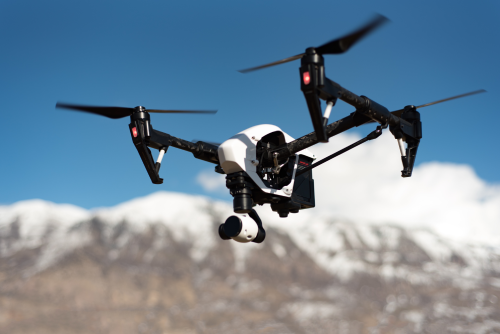
Choosing the best agriculture drones in India is less about flashy brochure specs and more about whether the machine fits your crop, acreage, and support network. A good agri drone can help you spray or scout on time when labour is short, but the wrong one can sit idle during the most important week of the season.
This guide breaks down the agriculture drone families and classes worth shortlisting in India, who they suit, and what you should verify before spending serious money.
Quick Take
- The best agriculture drones in India are usually the ones with strong local service, training, and spare parts support, not just the biggest tank.
- For many first-time buyers, a smaller or mid-size sprayer from a reliable supplier is safer than jumping straight to a very large platform.
- If your main job is spraying, buy a spraying drone. If your main job is crop scouting and data, consider a mapping drone instead.
- Indian buyers should judge any platform on four things first: legal paperwork, pilot training, battery workflow, and downtime support.
- A live field demo on your crop is more valuable than a long specification sheet.
- If you only need a drone a few times each season, hiring a service provider may make more sense than buying one.
- Subsidies and scheme support can change. Treat them as a bonus, not the core reason to buy.
What counts as an agriculture drone in India?
In India, “agriculture drone” usually refers to one of three types of systems:
Spraying drones
These are the most common “kisan drone” machines. They are used to spray pesticides, fungicides, nutrients, and sometimes bio-inputs, depending on crop need and label guidance.
Spreading drones
Some platforms can also spread granules, seeds, or similar materials using a separate module. If this matters to you, check whether the spreading setup is included or sold separately.
Mapping and scouting drones
These are used to inspect crop health, plant stress, drainage issues, stand gaps, and field variability. They do not replace a sprayer if your main need is chemical application.
For most readers searching for the best agriculture drones in India, the real comparison is about spraying drones. That is where most of this guide will focus.
What makes an agriculture drone “best” in India?
A drone is “best” only if it works well in Indian field conditions and in your actual district. That means:
- it has realistic service support near you
- batteries and chargers fit your workday
- the supplier can train your pilot and helper properly
- nozzles, pumps, props, and arms are easy to replace
- it handles your crop type and field shape
- the operator can legally and safely use it
- the economics make sense over a season, not just on day one
A buyer in Punjab spraying broad-acre field crops may need a very different setup from a buyer in Maharashtra working orchards, or a service provider in Telangana handling mixed village jobs. That is why there is no single best model for everyone.
Best agriculture drones in India: the smart shortlist
Availability, variants, approvals, and official support can change. Treat the list below as a shortlist to verify with a live demo and current paperwork, not as a guaranteed all-India availability list.
| Drone family or class | Best for | Why it deserves a shortlist | What to verify before buying |
|---|---|---|---|
| DJI Agras T-series family | High-throughput commercial spraying and spreading | Strong global reputation, mature workflows, productivity-focused ecosystem | Legal availability, local dealer support, spare parts, batteries, compliance paperwork |
| Garuda Aerospace Kisan Drone family | Buyers wanting a visible Indian brand with domestic-facing support | Strong India recall, often considered by institutions and first-time professional buyers | District-level service quality, training depth, maintenance turnaround |
| IoTechWorld Agribot family | Buyers who value Indian agri deployment experience | Frequently shortlisted for real spraying use cases and practical training-led adoption | Consumable support, local demo quality, battery replacement and AMC clarity |
| Marut agricultural drone platforms | FPOs, agri entrepreneurs, and service-led deployments | Agriculture-focused positioning with field-use orientation | Nearby service, in-season uptime support, real crop performance |
| Dhaksha agricultural drone platforms | Enterprise, institutional, or fleet buyers comparing Indian OEMs | Domestic manufacturing angle and relevance in organized procurement | Written service commitments, technician access, parts stock |
| 10-16 litre class Indian sprayer drones from established suppliers | New entrants, smaller holdings, orchards, training fleets | Lower capital risk, easier transport, easier learning curve | Actual daily output, battery count needed, future upgrade path |
| Multispectral mapping drones | Crop scouting, advisory work, precision farming workflows | Useful for monitoring crop stress and variability | Whether you really need data collection or chemical application first |
The main options worth shortlisting
DJI Agras T-series family
If your focus is high daily acreage, fast turnaround, and mature spraying or spreading workflows, the Agras family is the benchmark many operators compare against. It is especially relevant for custom hiring businesses and large commercial service providers.
Why buyers consider it:
- strong reputation for productivity
- well-known ecosystem and operator familiarity
- suited to buyers who run drone spraying as a business, not as an occasional task
What to watch:
- Do not assume easy availability or support in every part of India.
- Verify legal sale, service, firmware support, batteries, and spare parts before committing.
- A large platform can be a burden if your fields are fragmented or your power setup is weak.
This is a serious shortlist item if you have scale and support. It is not the automatic best choice for a first-time buyer.
Garuda Aerospace Kisan Drone family
Garuda is one of the most visible names in India’s agriculture drone conversation. That visibility matters because many first-time buyers prefer a domestic-facing ecosystem, especially when training and paperwork support are important.
Why buyers consider it:
- familiar Indian market presence
- attractive for institutions, agri entrepreneurs, and first-generation drone users
- often easier to discuss deployment in the Indian farming context
What to watch:
- Brand visibility is not enough. Ask how many technicians can actually support your district.
- Check turnaround time for repair, battery replacement, pumps, and nozzle parts.
- Ask for a demo on crops similar to yours, not just an open-field showcase.
Garuda makes sense if the supplier relationship is strong and the after-sales support is real.
IoTechWorld Agribot family
IoTechWorld has been one of the more visible Indian names in agri spraying discussions. For buyers who want practical deployment support and a company that understands Indian agricultural use cases, this family is worth checking.
Why buyers consider it:
- agriculture-focused market positioning
- commonly shortlisted for spraying workflows
- attractive for buyers who value training and field onboarding
What to watch:
- Compare the local dealer, not just the brand name.
- Ask for written clarity on annual maintenance, pump and nozzle consumables, and battery support.
- Make sure the company can guide you on calibration and chemical application practices, not just flight basics.
This is a sensible option for buyers who want a practical Indian agri workflow, especially if the local support team is solid.
Marut agricultural drone platforms
Marut is another Indian agriculture-focused name that is worth evaluating, especially for buyers who see the drone as part of a service business rather than a gadget purchase.
Why buyers consider it:
- agriculture-first positioning
- relevant for Farmer Producer Organisations (FPOs), custom hiring centres, and agri entrepreneurs
- often evaluated in field deployment contexts
What to watch:
- Ask how fast the company or partner can support you during peak spray season.
- Check the availability of consumables and replacement parts.
- Verify whether the training covers real spraying operations, field safety, and maintenance.
Marut can be a good fit if your decision is driven by uptime, training, and Indian field deployment rather than marketing alone.
Dhaksha agricultural drone platforms
Dhaksha is another Indian name that enterprise and institutional buyers may encounter while comparing domestic options. It is especially relevant when procurement prefers Indian OEMs or structured deployment partnerships.
Why buyers consider it:
- domestic manufacturing and enterprise relevance
- potentially appealing for organized fleets or institutional procurement
- worth comparing if you want an India-first sourcing route
What to watch:
- Get written commitments on technician access and response time.
- Ask what parts are stocked locally and what must come from a central warehouse.
- Judge the system by repeatable field performance, not only by presentation slides.
For larger or structured buyers, Dhaksha belongs on the comparison sheet.
10-16 litre class Indian sprayer drones from established suppliers
If you are a first-time buyer, a small farm cluster operator, or an orchard-focused user, a smaller-capacity drone can be the smartest starting point.
Why buyers consider this class:
- easier to move between fields
- easier to train on
- lower capital risk if you are still building demand
- often more practical for fragmented plots
What to watch:
- Smaller tanks mean more refills and potentially lower daily productivity.
- Battery planning becomes critical if you want to cover many acres in a day.
- Some buyers quickly outgrow this class once service demand rises.
This is the sensible entry point for many new agri drone businesses in India.
Multispectral mapping drones
Not every agriculture buyer actually needs a sprayer first. If your job is crop scouting, advisory work, irrigation diagnostics, or field variability analysis, a mapping drone may be more valuable.
Why buyers consider them:
- useful for precision agriculture workflows
- helpful for identifying crop stress and uneven growth
- suited to consultants, input companies, researchers, and larger farms
What to watch:
- A mapping drone does not replace a spraying drone.
- You need software workflow, data interpretation, and agronomy support to unlock value.
- If your immediate pain point is labour shortage during spraying, this is not your first purchase.
How to choose the right agriculture drone in India
Start with the real job
Before you compare brands, answer one basic question:
What exactly will this drone do for most of the season?
Choose one primary job:
- spraying crop protection chemicals
- spraying nutrients or bio-inputs
- spreading granules or seeds
- crop scouting and mapping
- commercial service work for other farmers
Many buyers get confused because sellers promote “multi-purpose” systems. In real life, most businesses have one main revenue job. Buy for that first.
Match the drone class to your field reality
A bigger tank is useful only if your operations can support it.
Think about:
- field size and shape
- how far plots are from each other
- vehicle access to field edges
- availability of water and power
- whether you spray open fields or orchards
- whether your operator is new or experienced
A few simple buyer scenarios
Small landholder or orchard grower
A very large drone may be unnecessary. A smaller platform or even hiring a service provider may be more sensible.
FPO or village cluster operator
A mid-size drone often makes more sense because it balances productivity, portability, and easier fleet management.
Custom hiring business
If you expect heavy seasonal demand across many farms, a larger and more productive platform can work well, but only with strong battery, transport, and maintenance planning.
Consultant or agronomy-led business
If your core value is advisory and scouting, a mapping drone may create more value than a sprayer.
Judge spray quality, not just speed
This is where many buyers make mistakes.
A good agri drone is not just fast. It must apply spray consistently. Ask about:
- nozzle type
- pump reliability
- droplet size control
- flow calibration
- terrain following
- obstacle handling
- canopy coverage
Two important terms to understand
Droplet size
This means how fine or coarse the spray droplets are. If droplets are too fine, they can drift away in the wind. If they are too coarse, coverage may suffer.
Terrain following
This is the drone’s ability to maintain a more consistent height over uneven ground or changing crop canopy. It matters because spray quality changes when height changes.
If possible, ask the supplier to use water-sensitive paper or a similar method in a demo so you can actually inspect spray deposition, not just watch the drone fly.
Battery and charging workflow can make or break the purchase
Battery logistics are one of the biggest hidden costs in agriculture drone ownership.
Ask the supplier:
- how many batteries are realistically needed for your workday
- what charging setup is required in the field
- whether fast charging affects battery life
- typical replacement cycle and cost range
- what happens if one battery fails during peak season
A drone with a great brochure and poor battery workflow will lose you time when spraying windows are short.
Service support matters more than raw specs
A simple rule for Indian buyers:
A slightly less glamorous drone with nearby support is often a better buy than a more famous one with weak local service.
Ask every seller:
- Who supports my district?
- How many trained technicians are available?
- Which parts are stocked locally?
- What is the repair process during season?
- Do you provide loaner support or faster response for commercial operators?
- Is annual maintenance available?
- What training is included for pilot and helper?
Do not accept vague answers. Get commitments in writing where possible.
Compare total cost of ownership, not just purchase price
Your true cost includes far more than the airframe.
Budget for:
- batteries and chargers
- spare props, nozzles, pumps, and seals
- maintenance visits
- transport setup
- safety gear and personal protective equipment
- insurance
- operator and helper training
- downtime risk
- software or planning tools, if needed
This is why a “cheaper” drone can end up costing more if it spends too much time grounded.
Insist on a real field demo before buying
A proper demo should not be a token flight in an empty area. It should show the drone in a situation close to your real use.
Demo checklist
- Ask for a demo on your crop or a similar crop.
- Watch setup time, not just flight time.
- Check refill and battery swap workflow.
- Observe spray pattern and consistency.
- Ask how the drone handles wind and uneven terrain.
- Request a maintenance walkthrough.
- Check the app or controller interface for ease of use.
- Ask the seller to list everything included and everything extra.
- Verify paperwork and support contacts.
- Ask what training happens after delivery.
A good seller will welcome these questions.
Safety, legal, and compliance checks in India
Agriculture drones are professional aircraft, not casual toys. Rules, Digital Sky workflows, approvals, and operating requirements can change. Before you buy or fly, verify the latest official guidance for your exact model and use case.
At minimum, ask the seller to clearly explain:
- the current approval and documentation status of the platform
- registration or identification requirements, if applicable
- whether NPNT (No Permission, No Takeoff) and Digital Sky airspace steps apply to your operations
- pilot training or Remote Pilot Certificate requirements for your category and use case
- insurance options for damage and third-party liability
- operating limits near airports, sensitive areas, roads, habitations, and power lines
- safe chemical handling procedures and emergency response steps
Also remember:
- Always follow pesticide label directions and agronomy guidance.
- Some formulations may not be suitable for drone application or may need specific nozzle and volume settings.
- Avoid spraying in unsafe wind conditions, near people, livestock, roads, or open water bodies.
- Do not assume night flying, autonomous beyond visual line of sight, or fully unsupervised operations are allowed.
- Use proper personal protective equipment while mixing and handling chemicals.
If a seller talks only about speed and never about compliance, training, or spray safety, that is a red flag.
Common mistakes buyers make
Buying only on tank size
A bigger tank sounds impressive, but it can be the wrong choice if your fields are small, fragmented, or far apart.
Underestimating battery logistics
Many buyers focus on the drone and forget the charging system, field power, backup, and replacement batteries.
Ignoring local service
A drone that takes too long to repair is a bad investment during pest or disease peaks.
Assuming subsidy will definitely arrive
Subsidies and scheme support can help, but they can change by category, state, and timing. Do not build your business model only around expected subsidy money.
Skipping calibration and spray training
Flying skill alone is not enough. Agriculture drones need application discipline, route planning, and calibration.
Buying a sprayer when the real need is scouting
Some advisors, researchers, and larger farms may get more value from a mapping drone first.
Not calculating demand honestly
If you will use the drone only occasionally, hiring a service provider may be better than owning and maintaining one.
Trusting brochure productivity without a field test
Daily output depends on travel time, refill time, battery rotation, crop type, wind, and operator skill. Real output is always lower than perfect-condition marketing numbers.
FAQ
Is an agriculture drone worth buying for a small farmer?
Sometimes yes, often not immediately. If your acreage is limited and seasonal use is low, hiring a service provider may be more economical. Buying makes more sense when timing is critical, neighbouring demand exists, or you want to run a spraying business.
Which is better: a small, mid-size, or large agriculture drone?
It depends on your workload. Smaller drones are easier to manage and cheaper to start with. Mid-size machines are often the most practical balance for Indian service operators. Large drones suit high-throughput work only if support and battery logistics are strong.
Do I need a license or special permission to fly an agri drone in India?
Potentially yes, depending on the platform category and operation. Agriculture drone flying is a regulated activity, so verify the latest DGCA and Digital Sky requirements for your exact model, location, and use case before operating.
Are Indian brands better than imported brands?
Neither is automatically better. In India, the stronger choice is usually the platform with better local support, clearer paperwork, easier training, and faster parts availability.
Can one agriculture drone handle spraying and mapping?
Usually, these are different tools with different workflows. Some systems offer multiple attachments, but a mapping drone is not a direct substitute for a sprayer, and vice versa.
What crops benefit most from drone spraying?
Open and repetitive field applications are often the easiest use case. Paddy, cotton, pulses, oilseeds, and some vegetable crops can benefit from timely application, especially when labour is short or fields are hard to access. Dense orchards and complex canopies may need more careful evaluation.
Can agriculture drones reduce pesticide use?
They can improve application timing and consistency in some situations, but you should not assume automatic reduction. Results depend on calibration, chemical choice, crop stage, nozzle setup, weather, and operator skill.
Should I wait for subsidy before buying?
Only if your purchase plan depends on it and you have confirmed eligibility. Subsidies can help, but the better approach is to buy only when the machine makes operational sense even without guaranteed scheme support.
Can agriculture drones replace tractor boom sprayers or manual spraying completely?
Not always. Drones are especially useful where fields are wet, delicate, fragmented, or time-sensitive. But for some broad-acre tasks or very high-volume applications, ground equipment may still remain important.
Final takeaway
If you are shopping for the best agriculture drones in India, start with your use case, not the biggest brochure number. Shortlist two or three serious suppliers, demand a live demo in your crop, verify current compliance and training requirements, and compare service support in writing.
The best agriculture drone is the one that stays legal, serviceable, and productive in your district when the spray window is actually open.
