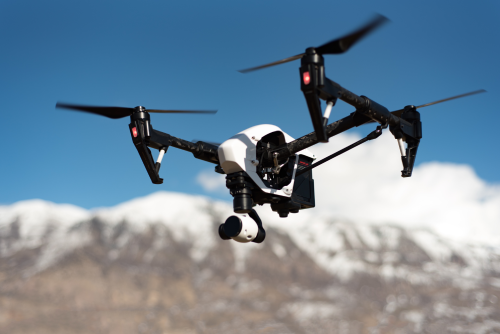
How drones are used in event management is no longer limited to a few dramatic aerial shots. For Indian weddings, college festivals, brand launches, sports days, and outdoor public events, drones can help with planning, promotion, live coverage, and post-event reporting, but only when they are used safely and within the law.
For organisers, creators, and small businesses, the real value of a drone is not just “cool footage.” It is better venue visibility, faster visual documentation, stronger marketing content, and a more professional way to tell the story of an event.
Quick Take
- Drones in event management are useful before, during, and after an event.
- They can help with venue recce, aerial photography, teaser videos, live broadcast inserts, crowd-flow overview, and sponsor recap content.
- The best fit is usually outdoor events with enough open space and a clear flight plan.
- Drones are not ideal for every event. Tight indoor venues, low ceilings, dense crowds, restricted airspace, strong wind, or poor lighting can make drone use impractical.
- In India, airspace and operational rules matter. Always verify the latest DGCA guidance, Digital Sky requirements where applicable, local authority permissions, and venue-specific approvals before planning a commercial shoot.
- A drone should support the event workflow, not disrupt it. Safe takeoff zones, timing, communication, and privacy planning matter as much as camera quality.
Why drones matter in event management
Event coverage used to rely mainly on handheld cameras, tripods, crane shots, and stage-mounted video. Those tools still matter, but drones add a perspective that ground cameras cannot easily match.
A drone can show:
- the full scale of a venue
- entry gates, parking, and crowd arrival patterns
- stage placement and lighting layout
- the atmosphere of a festival or wedding
- scenic context around destination events
- a clean reveal shot for promotional videos
This is especially useful in India, where events often happen in visually rich locations such as resorts, farmhouses, heritage properties, beaches, open grounds, school campuses, and temporary outdoor venues.
From an event manager’s point of view, drones are not just for beauty shots. They help answer practical questions:
- Is the venue setup on track?
- Does the site layout make sense from above?
- Are parking and approach roads clearly managed?
- Do we have strong visual content for sponsors or social media?
- Can we document the event professionally for future marketing?
Where drones fit in the event timeline
Before the event
Venue recce and site understanding
One of the most useful ways drones are used in event management is before the event even begins.
A short aerial recce can help organisers understand:
- where the stage should face
- where guest movement is likely to be heavy
- where barricades or entry points may be needed
- how far parking is from the main venue
- whether camera positions, lighting towers, or branding structures block key views
For a wedding planner, this can help decide where the varmala stage or outdoor dining layout will look best on camera. For a college fest, it can help map crowd movement between stage, stalls, and exits. For a corporate event, it can help visualise branding placement and traffic flow.
Pre-event marketing content
If an event is large or ticketed, organisers often need promotional material before the actual day.
A drone can be used to create:
- venue teaser videos
- location reveal shots
- “coming soon” campaign content
- social media reels for registration push
- sponsor-facing previews
This is common for:
- destination weddings
- music festivals
- exhibitions
- sports tournaments
- real estate launch events
- tourism and hospitality events
Setup progress monitoring
For big outdoor events, setup happens over several days. Aerial footage can help organisers and vendors track progress faster than walking the entire site repeatedly.
This can be helpful for checking:
- tent and stage installation
- stall alignment
- lighting spread
- parking preparation
- branding visibility
- back-end logistics zones
Used properly, drone footage becomes a visual checklist.
During the event
Aerial photography and cinematic video
This is the most visible use case.
During an event, drones are commonly used for:
- opening venue shots
- guest arrival sequences
- crowd energy visuals
- stage reveal shots
- processions and outdoor entry moments
- wide-angle coverage of cultural performances
- scenic top shots for highlight films
At weddings, drones often capture the venue, mandap area, baraat approach, couple portraits in open spaces, and sunset reveals.
At public events, they are often used to show the scale of attendance, stage design, and atmosphere, but crowd safety must come first.
Live production support
Some professional event teams use drones as one camera source in a larger live production setup.
This works best for:
- opening shots for a livestream
- short live inserts during outdoor events
- establishing visuals for sports or marathons
- sponsor reels assembled quickly during the event
A drone is usually not the only live camera. It works best as a specialty angle, because battery life, signal stability, wind, and crowd movement limit how long and how often it can fly.
Operational overview
In controlled and lawful situations, drones may also help event teams get a top-down view of large outdoor sites.
That can support awareness around:
- vehicle movement in parking areas
- crowd build-up near gates
- queue patterns
- outer-perimeter conditions
- vendor zone congestion
This should not be treated casually. Privacy, public safety, and local restrictions all matter. A drone should never become an excuse for unsafe flying over people.
After the event
Highlight films and aftermovies
This is where drone footage often delivers the strongest return.
A well-planned aerial sequence can make a recap video feel far more polished. Event organisers use this material for:
- social media reels
- sponsor decks
- next-year marketing
- portfolio videos
- venue promotion
- post-event PR material
A wedding filmmaker may use 10 to 20 seconds of drone footage to create scale and emotional impact. A festival team may use overhead crowd shots to show turnout and energy. A corporate events agency may use aerial clips to prove execution quality to future clients.
Documentation and reporting
For exhibitions, branded activations, school events, sports meets, and government-linked programs, visual documentation matters.
Drone footage can help show:
- attendance scale
- layout efficiency
- brand visibility
- stage and booth execution
- before-and-after transformation of the venue
That makes reporting clearer for internal teams, sponsors, or clients.
Event types where drones add the most value
| Event type | Best drone use | Main benefit | Main caution |
|---|---|---|---|
| Weddings and destination weddings | Venue reveals, couple shots, baraat approach, scenic recaps | Premium-looking film and better storytelling | Crowds, low-light evening events, venue restrictions |
| College fests and school events | Campus-wide views, stage coverage, crowd energy, setup overview | Shows scale and excitement | Student crowds, permissions, safety zones |
| Corporate events and brand launches | Venue overview, branding capture, opening visuals, sponsor content | Professional documentation and marketing | Tight schedules, restricted campuses, privacy concerns |
| Sports days, marathons, outdoor tournaments | Start-line shots, route visuals, venue scale, live inserts | Dynamic, high-energy coverage | Need safe separation from participants |
| Exhibitions, fairs, and outdoor expos | Stall layout, footfall overview, time-lapse style progress | Useful for organisers and sponsors | Dense pedestrian areas and temporary structures |
| Cultural festivals and large public gatherings | Wide establishing shots, scenic context, site planning visuals | Strong storytelling and scale | Public safety, local authority restrictions, sensitive zones |
The biggest benefits of drones in event management
1. Better visual storytelling
A drone can show where the event happened, how big it was, and what made the location special. That makes highlight videos stronger and more memorable.
2. Faster venue understanding
A few minutes of aerial footage can reveal layout issues that are easy to miss from the ground.
3. Higher-value marketing content
Event companies, venues, and creators can reuse drone footage across:
- Instagram and YouTube
- brochures
- sponsor presentations
- venue sales pitches
- future campaign teasers
4. Professional brand perception
For premium weddings, corporate launches, and hospitality events, aerial footage often helps the final content look more expensive and polished.
5. Useful documentation beyond aesthetics
The best event teams use drones not just to impress viewers, but to improve planning and reporting.
What drones cannot replace
Drones are useful, but they are not a full event coverage system.
They do not replace:
- close-up emotional moments
- clean audio capture
- stable long-duration interviews
- stage-side reaction shots
- indoor low-angle cinematic work
- a proper multicamera production
In most cases, a drone works best as part of a wider setup that includes:
- handheld or gimbal cameras
- static cameras
- stage cameras
- audio recording
- an editor with a clear story plan
If the drone footage is beautiful but the event has poor sound, weak close-ups, or missing key moments, the final film will still feel incomplete.
A practical workflow for using drones in event management
1. Start with the goal, not the drone
Ask what the event actually needs.
Common goals include:
- a premium wedding film
- a teaser for registrations
- sponsor documentation
- a venue planning recce
- short live broadcast visuals
The answer changes the drone plan.
2. Check if the location is actually flyable
Before discussing camera moves, verify whether the venue is suitable.
Check:
- airspace restrictions
- nearby airports or sensitive zones
- local authority requirements
- venue rules
- open takeoff and landing space
- crowd density
- weather conditions
A beautiful location is not automatically a drone-friendly one.
3. Hire the right pilot or team
For paid event work, the drone operator should understand more than just flying.
They should be able to handle:
- safe crowd separation
- shot planning
- battery rotation
- communication with event staff
- emergency procedures
- compliance checks
A good event pilot is also disciplined enough to refuse unsafe shots.
4. Build a shot list
Without a shot list, many event drone shoots become random.
A better approach is to define:
- must-have shots
- optional beauty shots
- no-fly zones within the venue
- flight windows during low crowd density
- backup timing if weather changes
For example, a wedding team may plan:
- sunrise venue exterior
- afternoon decor reveal before guests arrive
- baraat approach from a safe lateral angle
- sunset wide shot of the main venue
5. Create a safe operating zone
The team should decide:
- where the drone takes off and lands
- who controls guest access near that area
- where batteries and gear are stored
- what happens if wind increases or signal drops
- which staff member is the pilot’s point of contact
This is especially important at Indian weddings and festivals, where guests may gather around the drone out of curiosity.
6. Fly at the right time
The best event drone shots often happen:
- before guests fully arrive
- during low-density intervals
- in soft morning or evening light
- during rehearsed moments
Trying to fly at the most crowded and chaotic time usually creates both safety and quality problems.
7. Coordinate with photographers and venue staff
Drone teams should not work in isolation.
Coordination helps avoid:
- camera teams blocking each other
- duplicated shots
- unsafe movement near performers or pyrotechnics
- confusion during key ceremonial moments
8. Back up footage immediately
At paid events, footage management matters.
After each major flight:
- review critical shots
- label cards properly
- back up files to at least one additional drive if possible
- confirm that the essential moments were captured
Safety, legal, and compliance checks in India
This is the part many organisers ignore until the last minute.
Drone use at events in India can involve multiple layers of approval and risk review depending on the drone, the location, the type of operation, and the nature of the gathering. Do not assume that permission from the venue owner is enough.
Before any commercial or organised event flight, verify the latest official requirements from DGCA and the Digital Sky system where applicable. Also check whether local police, district administration, stadium authorities, private venue management, campus administration, or other authorities need to approve the operation.
Keep these points in mind:
Airspace and location matter
Restrictions can be tighter if the venue is near:
- airports or airbases
- defence areas
- government-sensitive zones
- major public movement corridors
- certain city-center areas
- temporary security zones during VIP movement or public events
Always verify the specific location before making promises to a client.
NPNT and compliant equipment
In India, compliant drones may include NPNT, short for No Permission, No Takeoff. The practical requirements can depend on the category of drone and the nature of the operation, so do not guess. Verify the current process for the exact aircraft and mission profile.
Crowd safety comes first
As a general safety principle, avoid flying directly over people, especially at weddings, concerts, fairs, school functions, and public gatherings. Even a small drone can become dangerous if there is a mechanical issue, pilot error, or sudden gust.
Indoor events are not automatically easy
Some organisers think indoor drone flights are simpler because they are not in open airspace. In reality, indoor flying can be harder because of:
- limited space
- low ceilings
- poor GPS availability
- lighting rigs
- hanging decor
- unexpected guest movement
Indoor flights need careful planning and often a more specialised setup.
Privacy and consent matter
Drones can make guests uncomfortable if used carelessly. Event teams should avoid intrusive hovering near people, private areas, dressing rooms, hotel balconies, or non-participant spaces.
For sensitive or private events, it is wise to discuss drone usage clearly with the client and venue beforehand.
Weather cannot be treated as a minor issue
Wind, dust, light rain, and poor visibility can end drone flights quickly. Outdoor events in coastal, hill, or open-ground locations can change conditions fast.
Insurance and liability
For commercial event work, organisers and operators should evaluate appropriate insurance and liability coverage. The exact need can vary, so confirm what protection is suitable for the operation.
If there is any doubt, pause the flight and re-check. Missing one aerial shot is better than creating a safety incident.
Choosing the right drone setup for an event
You do not always need the biggest drone.
For small social events
A compact camera drone may be enough if the venue is open and the shot list is simple.
Useful qualities:
- easy transport
- quick setup
- stable gimbal
- decent low-light performance
- quiet operation
For weddings and creator shoots
A drone for wedding work should prioritise:
- good stabilisation
- reliable obstacle sensing if available
- strong image quality
- safe hovering
- dependable return-to-home features
- enough batteries for multiple short flights
For dynamic reveal shots
Some teams use FPV drones for fast, immersive movements through open areas or rehearsed spaces. FPV means first-person view flying, where the pilot flies using a live video feed through goggles or a monitor.
This can look excellent, but it is not a beginner tool. For events, FPV should only be used by experienced operators, with a rehearsed route, clear safety buffers, and venue approval.
For large outdoor productions
Bigger productions may need:
- backup drones
- multiple battery sets
- live transmission support
- coordination with a director or switcher
- a dedicated safety observer
The right setup depends on the job, not on what looks impressive in a gear list.
Common mistakes event organisers make
- Calling a drone team only one day before the event and expecting instant approvals
- Assuming venue permission automatically covers airspace permission
- Planning flights during the most crowded part of the event
- Expecting one drone to cover the entire event continuously
- Ignoring wind, dust, or low-light limitations
- Not creating a takeoff and landing zone
- Treating drone footage as a replacement for all other cameras
- Choosing a pilot based only on low price rather than experience and discipline
- Requesting risky close-to-crowd shots for social media
- Forgetting privacy concerns in private or family events
A drone adds value when it is planned like a professional camera tool, not when it is treated like a toy.
When a drone is not the right tool
Sometimes the best decision is not to fly.
A drone may be the wrong choice when:
- the venue is indoors with low ceilings and no safe route
- the event is packed shoulder-to-shoulder
- the location is in restricted or uncertain airspace
- weather is unstable
- the event is mostly at night with poor lighting
- pyrotechnics, fireworks, or heavy stage effects are involved
- there is no secure launch area
In such cases, a gimbal camera, crane, elevated tripod, or cable-cam may be safer and more useful.
FAQ
Are drones useful for small events too?
Yes, if the event has an open outdoor venue and the goal is clear. Even a small wedding function, school event, or resort gathering can benefit from a few well-planned aerial shots. But for cramped or fully indoor events, a drone may add more risk than value.
Can drones be used at weddings in India?
They often are, especially at outdoor weddings and destination venues. But legality and safety depend on the location, airspace, venue policy, and current official requirements. Always verify the latest rules and approvals instead of assuming wedding venues are automatically allowed.
Do I need permission from DGCA for event drone shooting?
Requirements can depend on the drone category, where you are flying, and the type of operation. For commercial or organised event work, verify the latest DGCA and Digital Sky requirements, plus local authority and venue permissions where applicable. Do this before accepting the assignment.
Can a drone fly over the audience?
As a safety rule, this should be avoided unless there is a very clear lawful and professionally managed framework for the operation. Flying directly over crowds increases risk and is a bad idea for most event shoots.
Is a drone good for livestreaming an event?
It can be useful for short live inserts, opening shots, or selected outdoor moments. It is usually not practical as the only livestream camera because flight time is limited and weather or signal conditions can change.
Are indoor drone shots easier than outdoor shots?
No. Indoor drone work is often harder because of tight spaces, obstacles, lighting rigs, and weaker positioning support. It needs an experienced pilot and a carefully controlled environment.
Is FPV better than a normal camera drone for events?
Not always. FPV can create exciting reveal shots and fast movement, but it requires much more skill and planning. For many events, a standard stabilised camera drone is safer and more versatile.
What is the best time to fly during an event?
Usually before guests fully arrive, during rehearsed moments, or around sunrise and sunset when light is softer and crowd density is lower. The safest and most usable flight window is often not the busiest part of the event.
How many drone batteries are needed for event work?
That depends on the shot list, venue size, and schedule. For paid work, enough batteries to cover planned flight windows and a realistic margin are important. A backup drone is also worth considering for large or high-stakes events.
Should event managers buy their own drone or hire a pilot?
If drone use is occasional, hiring a professional operator is usually the better choice. If your company regularly handles outdoor events and has the time to manage compliance, training, and maintenance, owning one may make sense. Most small event businesses are better off outsourcing until demand becomes consistent.
Final takeaway
Drones are used in event management not just to make videos look dramatic, but to improve planning, capture scale, document execution, and create better marketing content. If your event has open space, a clear purpose, and proper permissions, a drone can be a high-value tool. If the venue is crowded, restricted, or hard to fly safely, choose a ground-based camera instead and do not force the shot.
