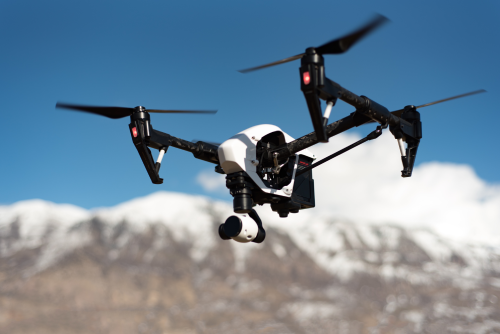
If you are wondering how to fly a drone for the first time, the good news is that modern drones are much easier to control than they look. The bad news is that beginners usually crash not because they lack talent, but because they skip basic checks, fly in the wrong place, or panic when the drone does something unexpected.
This guide walks you through your first drone flight step by step, with practical advice for beginners in India. The goal is simple: a safe take-off, a stable hover, a few basic movements, and a clean landing.
Quick Take
- Start with an open field, not a terrace, street, or crowded park.
- Read your drone manual and charge everything fully before you leave home.
- Check the latest official DGCA and Digital Sky guidance before flying.
- Use the beginner or normal flight mode for your first session.
- Learn the four basic stick inputs: throttle, yaw, pitch, and roll.
- Your first goal is not cinematic footage. It is controlled take-off, hover, movement, and landing.
- Keep the drone close, low, and within visual line of sight.
- If you feel disoriented, let go of the sticks, regain orientation, then continue.
- Stop flying if wind picks up, battery gets low, or GPS is unreliable.
- One good first flight is better than one dramatic crash.
Before you even power on the drone
Your first flight starts long before the drone leaves the ground. Most beginner mistakes happen during setup.
What you need
Before your first session, make sure you have:
- A fully charged flight battery
- Fully charged controller
- Phone or tablet if your drone uses an app
- Spare propellers if available
- A microSD card if your drone records to a card
- Updated app and firmware, done at home over good internet
- The drone manual, at least the quick start section
Do not do app updates or firmware updates in the field for the first time. That often leads to rushed setup and confusion.
Choose the right place
For a first flight, the best location is:
- A wide open ground
- Away from people, traffic, trees, poles, and wires
- Away from water
- Flat enough for a clean take-off and landing
- Quiet enough that you can focus
Avoid these places for your first flight:
- Terraces and rooftops
- Housing society compounds
- Roads and parking lots
- Beaches with people around
- Crowded parks
- Areas near airports, helipads, defence zones, or sensitive sites
- Places with many power lines or mobile towers nearby
A school or college ground may seem ideal, but only if you have permission and the area is open and clear.
Check wind and weather
A drone may look stable on promotional videos, but even a light breeze can make a small drone drift.
Do not fly your first time if:
- Trees are swaying noticeably
- You feel steady wind on your face
- It is about to rain
- Visibility is poor
- The light is fading fast
The best beginner conditions are calm, dry, and bright.
Safety and legal checks in India
Before any drone flight in India, verify the latest official rules. Drone compliance can depend on the drone category, purpose of use, airspace, and the current DGCA and Digital Sky framework.
Here are the practical basics beginners should follow:
- Check whether your drone and your planned use require registration, permission, or other compliance.
- Verify the airspace status before flying. Do not assume a familiar area is automatically allowed.
- Keep the drone within visual line of sight. That means you can directly see it with your own eyes, not only through the camera feed.
- Do not fly over crowds, roads with moving traffic, or public gatherings.
- Stay well away from airports, helipads, military areas, and government-sensitive zones.
- Respect privacy. Do not hover near balconies, windows, homes, or private property without permission.
- Do not treat a small consumer drone as a toy that is exempt from responsibility.
If you are unsure whether a flight is allowed, the safest choice is not to fly until you verify it.
Understand the controls before take-off
Most consumer drones in India use Mode 2 controls. If you understand these four movements, you will already be ahead of many first-time pilots.
The four basic controls
| Control | What it does | Typical stick |
|---|---|---|
| Throttle | Makes the drone go up or down | Left stick up/down |
| Yaw | Rotates the drone left or right | Left stick left/right |
| Pitch | Moves the drone forward or backward | Right stick up/down |
| Roll | Moves the drone left or right sideways | Right stick left/right |
A simple way to remember them
- Throttle changes height
- Yaw changes direction the nose is pointing
- Pitch moves the drone ahead or back
- Roll slides it left or right
The beginner problem: orientation
A drone feels easy when it is facing away from you. But when it turns toward you, left and right can feel reversed in your mind.
That is why your first session should focus on:
- Take off
- Hover
- Move a little
- Stop
- Re-center yourself
- Land
Do not start with fast turns, long-distance flying, or trying to orbit a subject.
Know what the drone is doing for you
Modern drones assist the pilot, but that does not mean they are foolproof.
GPS lock
GPS helps the drone know its position and hover more steadily. Many drones are far easier to fly when they have a strong GPS lock.
For your first flight:
- Wait until the drone shows adequate satellite lock or readiness in the app
- Do not rush take-off the moment it powers on
- If the drone warns about weak GPS, be extra cautious or postpone the flight
Return-to-home
Return-to-home is a feature that can bring the drone back automatically, usually when you press a button or when the connection drops. It is useful, but not magic.
Before relying on it, check:
- That the home point has been recorded correctly
- That the return altitude is high enough to clear nearby trees or structures
- That you actually understand how your model behaves during return-to-home
A beginner mistake is assuming the drone will always save itself. It may not, especially in a poor signal area or near obstacles.
Beginner mode, normal mode, sport mode
Use beginner mode or normal mode if your drone offers it.
Avoid sport mode on day one. It increases speed and reduces your margin for error.
Your first drone flight: step by step
This is the most practical way to learn how to fly a drone for the first time.
Step 1: Set up calmly
Place the drone on level ground with the camera facing away from you. Stand behind it so the left-right movement is easier to understand.
Check:
- Battery locked in
- Propellers fitted properly
- Gimbal cover removed if your model has one
- Controller connected
- App showing normal status
- GPS ready if required by your drone
- Home point set if available
- No nearby people in your take-off area
Take your time. Rushing is the enemy of a safe first flight.
Step 2: Start recording only if you want to review later
You do not need to capture perfect video on your first flight. In fact, it is better to focus on flying.
If your drone records flight logs or screen recording, that can help you review later. But your attention should stay on the drone, not the shot.
Step 3: Take off slowly
Use auto take-off if your drone offers it and you understand how it works. Otherwise, gently increase throttle and lift the drone to a low hover.
A good first hover height is roughly:
- About 2 to 3 metres for the first few seconds
- Then up to a safe low practice height once stable
Why not hover just inches above the ground? Because ground effect and prop wash can make the drone feel less stable very close to the surface.
Step 4: Hold a steady hover
Your first real skill is not movement. It is stopping movement.
Practice hovering in one place for 20 to 30 seconds.
Look for:
- Is the drone drifting a lot?
- Is the wind pushing it?
- Are you overcorrecting with the sticks?
- Are you tense?
Use very small stick inputs. Consumer drones respond better to tiny corrections than to aggressive movements.
If you feel nervous, breathe, loosen your grip, and let the drone settle.
Step 5: Practice the four basic movements one at a time
Do not combine controls yet. Practice them separately.
Throttle drill
- Raise the drone slightly
- Lower it slightly
- Return to the same hover height
Yaw drill
- Rotate a little left
- Rotate back to center
- Rotate a little right
- Return to center
Pitch drill
- Move forward a short distance
- Stop
- Move backward to your starting point
- Stop
Roll drill
- Move left a short distance
- Stop
- Move right back to your starting point
- Stop
Keep every movement small. Think 2 to 5 metres, not 20.
Step 6: Practice a simple box pattern
Once hovering feels manageable, fly a gentle box:
- Move forward a little
- Stop
- Move right
- Stop
- Move backward
- Stop
- Move left
- Stop
This teaches control and braking. Most new pilots discover that stopping cleanly is harder than starting.
Step 7: Turn the drone and repeat
Now yaw the drone slightly and repeat the same movement drills. This is where orientation starts to challenge you.
If you get confused:
- Stop moving
- Bring the drone to a hover
- Yaw it so the nose points away from you again
- Continue
That simple reset prevents many crashes.
Step 8: Practice landing before the battery gets low
Do not wait until the drone is forcing you to land. Choose to land while you are still calm and in control.
For your first landing:
- Bring the drone back over a clear landing spot
- Lower it gradually
- Keep it level
- Reduce throttle smoothly until touchdown
- Stop motors as instructed by your drone
A hard or rushed landing can damage propellers, gimbal parts, or landing gear.
A beginner-friendly first flight plan
If you want a simple 10-minute session, use this structure:
Minute 1 to 2: Checks and take-off
- Confirm status in app
- Lift off
- Hover low and steady
Minute 3 to 5: Basic control practice
- Up/down
- Rotate left/right
- Forward/back
- Left/right
Minute 6 to 8: Controlled movement
- Fly a box pattern
- Pause between each move
- Keep the drone close
Minute 9 to 10: Return and land
- Bring the drone back
- Hover over landing area
- Land with plenty of battery remaining
This is enough for a successful first flight. Do not try to master everything in one outing.
How to stay calm when the drone feels out of control
Nearly every beginner has a moment where the drone seems to “go on its own.” Usually one of three things is happening:
- The wind is pushing it
- You are making larger stick inputs than you realize
- The drone is turned toward you, so the controls feel mentally reversed
When that happens:
- Stop moving aggressively
- Let go of the right stick for a moment
- Use gentle throttle to maintain safe height
- Yaw the drone until the front faces away from you
- Re-establish a hover
- Then decide whether to continue or land
Panic causes more crashes than the drone itself.
Battery, signal, and app warnings you should not ignore
Your drone or app may show warnings. Some are routine. Some are serious.
Take these seriously:
- Low battery
- Critically low battery
- Weak GPS
- Compass error
- High wind warning
- Strong interference
- Obstacle sensing unavailable, if your model normally depends on it
- Aircraft disconnected or unstable signal
If you do not understand a warning, land and check the manual. Your first flight is not the time to “see what happens.”
Camera tips for your first day
You do not need perfect footage, but if you want usable video from your first session, remember this:
- Shoot after you are comfortable hovering
- Slow stick movements look better than fast ones
- Do not keep changing direction every two seconds
- Keep the horizon level
- Avoid recording while learning very low take-offs and landings if dust is blowing up
A nice first clip is simply:
- Take off
- Hover
- Move forward slowly
- Pause
- Yaw gently
- Return
- Land
That is already cleaner than most first-time footage.
Common mistakes first-time drone pilots make
1. Flying in a bad location
A small open area is not enough if it is surrounded by trees, wires, and buildings. Beginners need real space.
2. Taking off too quickly
If you rush, you may miss battery issues, propeller problems, or GPS readiness.
3. Looking only at the phone screen
Your primary job is to watch the drone and the surrounding airspace. The screen is secondary.
4. Using big stick inputs
Jerky commands cause jerky flight. Small, deliberate inputs are better.
5. Turning on sport mode too early
Extra speed feels exciting until you need to stop quickly near an obstacle.
6. Flying too far on the first day
Distance makes orientation harder and reduces your reaction time.
7. Practising over people
Even a small drone can injure someone. Keep your practice area clear.
8. Ignoring wind
A calm launch point can hide stronger wind slightly higher up.
9. Waiting too long to land
Low-battery stress ruins judgment. Land early.
10. Trusting automation blindly
GPS hover, return-to-home, and obstacle sensors help, but they are not substitutes for good judgment.
A practical pre-flight checklist
Use this before every beginner flight.
At home
- Charge drone, controller, and phone
- Update app and firmware
- Insert memory card if needed
- Inspect propellers for cracks or bends
- Pack spare propellers and cable
At the flying location
- Confirm the area is safe and legally suitable
- Check wind and visibility
- Place the drone on flat ground
- Remove camera or gimbal cover
- Power on and wait for readiness
- Confirm battery level
- Confirm home point if available
- Ensure take-off area is clear
Before take-off
- Stand behind the drone
- Use normal or beginner mode
- Decide your landing spot in advance
- Keep your first flight low, close, and short
A practical post-flight checklist
Beginners often stop learning the moment the drone lands. A quick review helps you improve fast.
After landing:
- Power off safely
- Let the battery cool before charging again
- Check propellers for scuffs
- Review warnings from the app
- Look at your footage or flight path
- Note what felt difficult: hover, orientation, landing, or smooth movement
If your first flight went well, repeat it in the same safe environment before moving to more complex locations.
When you are ready for the next level
Do not jump straight from “I can hover” to “I can shoot real-estate videos” or “I can fly near trees.”
Build skill in this order:
- Stable hover
- Clean take-off and landing
- Straight-line movement
- Box patterns
- Yaw while maintaining position
- Nose-in orientation, where the drone faces you
- Smooth camera movements
- Flying with more awareness of wind and surroundings
That progression reduces crashes and builds confidence properly.
FAQ
Do I need to know drone laws before my first flight in India?
Yes. Even for a beginner flight, you should verify the latest official DGCA and Digital Sky requirements, airspace status, and any compliance that applies to your drone and intended use.
Is a small drone safe enough to fly anywhere?
No. Smaller drones are often easier to carry, but they can still injure people, invade privacy, or create legal trouble if flown in the wrong place.
Should I learn on a rooftop or terrace?
No, not for your first flight. Rooftops create take-off stress, wind turbulence, and a bigger chance of collision or loss of control.
Is GPS necessary for a beginner?
It is highly helpful. A drone with good GPS-assisted hover is usually much easier for a first-time pilot than one that drifts more and requires constant correction.
What should I do if the drone starts drifting?
First, stay calm. Reduce aggressive inputs, hold a safe height, and see if it stabilizes. If GPS is weak or wind is strong, land and reassess.
How high should I fly on my first attempt?
Stay low and controlled. High enough for stable hover and safe movement, but not so high that orientation becomes difficult. The exact height depends on your location and the drone, but close and manageable is the key.
Should I use return-to-home on my first day?
You should understand how it works, but do not depend on it as your main rescue plan. Learn basic manual control first and make sure the home point and return settings are correct.
How long should my first flight be?
Shorter is better. A calm 8 to 12 minute session with a safe landing is more useful than draining the whole battery while stressed.
Can I learn to fly by only watching the live camera view?
No. For your first flights, you should mainly fly by direct visual observation. The camera feed can help later, but it should not replace line-of-sight awareness.
What is the biggest first-day mistake?
Trying to do too much. Your first goal is not a cinematic shot or a long-range flight. It is a controlled take-off, stable hover, simple movement, and safe landing.
Final takeaway
The best way to fly a drone for the first time is to make the first flight boring on purpose: open ground, calm weather, full battery, basic checks, low altitude, small movements, and an early landing. If you verify the rules, choose a safe location, and practise hover-control-land before anything else, you will build real skill far faster than someone who starts by showing off.
