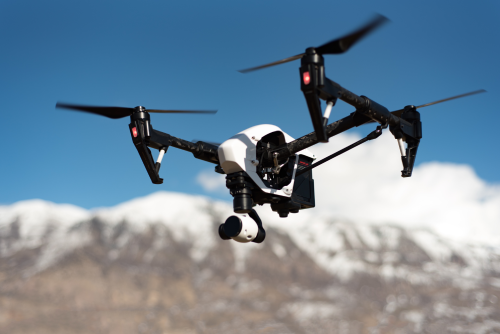
A drone that looks clean but hides dust in its motors, grit in its gimbal, or stress in its propellers is a drone waiting to disappoint you. How to clean and maintain your drone is not complicated, but doing it properly can prevent shaky footage, battery trouble, costly repairs, and in some cases a crash.
In India, regular drone care matters even more because of dust, summer heat, coastal salt, and monsoon humidity. This guide gives you a simple routine you can follow after flights, plus a deeper maintenance checklist for long-term reliability.
Quick Take
- Always power off the drone and remove the battery before cleaning.
- Take off the propellers before any serious cleaning or inspection.
- Use soft tools: a blower bulb, soft brush, microfiber cloth, and lens cloth.
- Clean the body, motors, propellers, camera lens, sensors, and battery contacts regularly.
- Never use harsh cleaners, soak the drone, or spray liquid directly onto electronics.
- Replace chipped, bent, or scratched propellers early. They are cheaper than a crash.
- Let batteries cool before charging, and do not leave them in a hot car.
- If the drone has been in rain, salty air, mud, or a crash, inspect more carefully before flying again.
- For regulated operations in India, verify the latest DGCA and Digital Sky requirements before your next flight, especially after repairs or part changes.
Why drone maintenance matters
Most drone problems do not begin dramatically. They begin small.
A little dust in a motor can create extra friction. A tiny chip on a propeller can cause vibration. A smudge on a vision sensor can confuse positioning. A battery that stays fully charged in a hot room for weeks can lose health faster than you expect.
You may still get a takeoff. You may even finish a flight. But the drone becomes less predictable.
Good maintenance helps with:
- Stable flight
- Better video quality
- Accurate obstacle and positioning sensors
- Longer battery life
- Lower repair cost
- Safer operation around people and property
For Indian users, the environment adds extra stress:
- Dry dust from roads, farms, and construction sites
- Fine sand from beaches and open grounds
- Heat buildup during summer shoots
- Humidity and condensation during monsoon
- Salt corrosion in coastal cities
If you fly often, maintenance is not optional. It is part of responsible drone ownership.
What you need before you start
You do not need an expensive workshop. A basic drone cleaning kit is enough.
Useful cleaning tools
Keep these items in a small pouch:
- 2 to 3 clean microfiber cloths
- A soft detailing brush or camera brush
- A rubber blower bulb
- Lens cleaning tissue or a lens-safe microfiber cloth
- Cotton swabs
- Distilled water for light surface cleaning
- Electronics-safe contact cleaner or electronics-grade isopropyl alcohol for contacts only, used sparingly
- A small torch or bright desk light
- Spare propellers
- The correct screwdriver if your drone uses screws on the props
Avoid these
These common shortcuts can do more harm than good:
- Spraying water directly on the drone
- Household glass cleaner
- Strong detergent
- Petrol, thinner, or harsh solvents
- Hair dryer on high heat
- Grease or oil on brushless motors unless the manufacturer specifically says to use it
- Rough cloths that can scratch the lens or sensors
- Strong compressed air at very close range
Set up a safe workspace
Before cleaning:
- Choose a clean, well-lit table.
- Power off the drone.
- Remove the battery.
- Remove the propellers if you are doing more than a quick wipe-down.
- Remove the memory card if you want to inspect ports and slots.
- Let the drone cool if you have just landed.
Never clean a drone while it is powered on or connected to a charger.
Step-by-step: how to clean your drone properly
This routine works for most camera drones and many compact consumer drones. Always check your user manual if your model has special care instructions.
1) Start with a visual inspection
Before touching anything, look closely.
Check for:
- Cracks on arms or body panels
- Loose screws
- Mud or dust near hinges and vents
- Propeller nicks or bends
- Gimbal cover damage
- Battery swelling or cracks
- Unusual stains near the motor bases or battery bay
If you see structural damage after a crash, do not continue as if it is only a cleaning job. The drone may need repair.
2) Clean the drone body first
Use a blower bulb or soft brush to remove loose dust from the top, arms, underside, and landing area.
Then wipe the body gently with a dry microfiber cloth.
If there is dried mud or sticky dirt:
- Slightly dampen a microfiber cloth with distilled water
- Wring it well so it is only barely damp
- Wipe the dirty area gently
- Dry it immediately with a separate cloth
Do not let water run into seams, buttons, cooling vents, or ports.
Pay extra attention to:
- Air vents
- Folding arm joints
- Landing legs or feet
- Battery bay edges
- Port covers
3) Clean and inspect the motors
Motors are one of the most important parts to keep free of grit.
For brushless motors on most consumer drones:
- Hold the drone steady.
- Use a soft brush to loosen dust around the top and base of each motor.
- Use the blower bulb to remove loosened particles.
- Gently rotate the motor bell by hand.
What you want to feel:
- Smooth rotation
- No grinding
- No scraping
- No side-to-side wobble
Warning signs:
- Rough or gritty feeling
- Clicking sound
- Visible sand or metal particles
- One motor feeling very different from the others
Do not pour oil into the motors unless the manufacturer specifically recommends a service procedure. Many drone motors are not meant to be user-lubricated, and adding oil can attract more dust.
4) Remove, clean, and inspect the propellers
Propellers deserve more attention than many beginners give them. Even minor damage can cause:
- Vibrations in video
- Reduced efficiency
- Poor handling
- Sudden failure at speed
Take off the propellers and inspect each one in good light.
Look for:
- Chips on the edges
- Cracks near the hub
- Warping
- White stress marks in the plastic
- Deep scratches
- Bent tips
Clean them with a dry or slightly damp microfiber cloth, then dry fully.
Replace propellers if you notice any of the above issues. Do not wait for a “more serious” problem. Propellers are wear parts.
A good habit is to replace propellers in matched pairs or as a full set if you fly professionally or often carry a camera payload. Keep old and new props separate so you do not mix them accidentally.
5) Clean the gimbal and camera
The gimbal is the small stabilised mount that keeps your camera level. It is delicate.
First, remove the gimbal protector or cover carefully.
Then:
- Use a blower bulb to remove loose dust from the camera and gimbal area.
- Use a clean lens cloth to wipe the lens in gentle circular motion.
- Check the gimbal dampers and ribbon cable for dust, strain, or damage.
- Make sure there are no small stones, sand grains, or threads trapped around the gimbal mount.
Important cautions:
- Never force the gimbal to move by hand.
- Never poke at the ribbon cable.
- Do not use your shirt or rough cloth on the lens.
- Do not spray cleaner directly on the lens.
If the lens has oily marks, use a lens-safe cleaner on the cloth, not directly on the glass.
6) Clean the sensors
Many drones use downward sensors, obstacle avoidance cameras, or infrared sensors to help with positioning and collision warning.
Dirty sensors can cause false warnings, poor hovering, or odd landing behaviour.
Clean them gently with:
- A blower bulb first
- Then a clean lens cloth or soft microfiber
Avoid pressing hard. Sensor windows can scratch.
Check:
- Front and rear obstacle sensors
- Downward vision sensors
- Auxiliary lights or range sensors if your drone has them
If you regularly fly from dusty fields or over dry farmland, sensor cleaning should be part of every post-flight routine.
7) Check ports, slots, and covers
Dust often collects around:
- USB port
- Charging port
- microSD card slot
- Cooling vents
Use a blower bulb and soft brush. Avoid pushing dirt deeper inside. Do not use pins or metal objects in ports.
Make sure rubber covers or seals, if any, close properly.
8) Clean the battery exterior and contacts
Remove the battery and inspect it separately.
Check for:
- Swelling
- Cracks
- Loose casing
- Burn marks
- Corrosion on contacts
- Strange smell
- Moisture
Wipe the outer shell with a dry cloth.
For battery contacts:
- Use a dry cotton swab first
- If necessary, use a very small amount of electronics-safe contact cleaner on the swab
- Let it dry fully before reinstalling
Never charge a battery that is wet, swollen, damaged, or unusually hot.
9) Reassemble and do a controlled test
After cleaning:
- Reinstall the battery only when everything is fully dry.
- Reattach propellers correctly.
- Check propeller orientation carefully.
- Power on the drone.
- Look for app warnings or unusual sounds.
- Test the gimbal movement.
- Do a short, low-altitude hover test in a safe open area.
If the drone vibrates, drifts abnormally, or throws motor or sensor errors, stop and inspect again.
A simple drone maintenance schedule
A cleaning routine works best when it is predictable. Here is a practical schedule for most users.
| When | What to do | Why it matters |
|---|---|---|
| After every flight | Wipe body, inspect props, check motors by hand, clean lens, check battery temperature and condition | Catches the most common issues early |
| Every 5 to 10 flights | Deeper motor and sensor cleaning, inspect screws, inspect gimbal dampers, check case and charger | Prevents dust buildup and small faults |
| Monthly | Review battery health, check spare props, inspect cables and charger, check for firmware updates | Improves reliability over time |
| After dusty, muddy, coastal, or humid flights | Thorough clean and dry-down, inspect for corrosion or grit | Harsh environments accelerate wear |
| After any crash or hard landing | Full inspection before next flight | Structural or motor damage may not be obvious |
Battery maintenance: the part most people neglect
Many drone owners focus on props and camera care, but batteries often decide whether your flight is safe.
Best battery habits
- Let the battery cool before charging.
- Use the charger recommended for your model.
- Charge on a hard, non-flammable surface.
- Do not leave charging batteries unattended for long periods.
- Do not store batteries at full charge for many days unless your manufacturer specifically manages storage automatically.
- For long gaps between flights, store batteries at a partial charge as recommended in your manual.
- Label your batteries and rotate usage evenly.
- Keep battery contacts clean and dry.
- Avoid running batteries very low on every flight.
Extra caution in Indian summer
Heat is hard on lithium batteries.
Avoid:
- Leaving batteries inside a parked car
- Charging immediately after a hot flight
- Keeping batteries on a sunny window or terrace
- Long storage in rooms that get very hot
If a battery starts showing:
- Swelling
- Sudden drop in flight time
- Uneven cell warnings in the app
- Excessive heating during charge
- Crash damage
retire it and replace it.
Storage and transport tips
Good maintenance does not end when the flight ends. Storage affects the next flight.
Store your drone like this
- In a protective case or padded bag
- In a cool, dry place
- Away from direct sunlight
- Away from moisture and salt air
- With the battery removed if storing for an extended period
- With the gimbal protector used correctly for storage and transport
In humid areas or monsoon season
In many parts of India, humidity is a real problem.
Helpful practices:
- Keep silica gel packs in the drone case
- Open the case occasionally to air it out in a dry indoor space
- Do not pack the drone away if it feels cool and damp after a humid flight
- Let the drone acclimatise when moving from an air-conditioned room to warm outdoor air to reduce condensation
During travel
- Do not throw the drone into a backpack without protection
- Keep spare props in sleeves or a rigid box
- Avoid pressure on the gimbal area
- Carry batteries safely and follow airline rules if flying
India-specific maintenance tips
If you fly in dusty places
This is common in farm work, real-estate shoots, road projects, and open grounds.
Do this:
- Use a landing pad
- Avoid takeoff directly from loose soil or sand
- Do not hover too low during takeoff and landing
- Clean motors and sensors after every session
A lot of “mysterious vibration” issues are simply prop or motor dust after a dusty day.
If you fly near the coast
Salt is worse than ordinary dust because it attracts moisture and speeds up corrosion.
If your drone is exposed to sea spray or salty mist:
- Wipe it down the same day
- Clean exposed surfaces carefully
- Inspect screws, contacts, and metal parts over the next few days
- If you see greenish, white, or rusty deposits, get it inspected
Avoid landing on wet sand. Fine sand can get into the gimbal, motors, and battery bay.
If you fly in monsoon or high humidity
Many consumer drones are not truly waterproof.
Even if a model is marketed as weather resistant, treat rain exposure seriously.
After any moisture exposure:
- Power off immediately.
- Remove the battery.
- Dry the exterior with a soft cloth.
- Leave the drone in a dry, ventilated room.
- Do not charge the battery until you are sure it is dry.
- If water entered the body, seek professional service before the next flight.
Do not rely on rice. It does not properly inspect, dry, or protect electronics.
Maintenance, safety, and compliance
Cleaning is not just about appearance. It is part of safe operation.
Do not fly if your drone has:
- Cracked arms or body
- Damaged or questionable propellers
- Rough or noisy motors
- Swollen battery
- Loose battery fit
- Gimbal jams
- Persistent app warnings
- Water exposure that has not been properly assessed
After maintenance, do a safe test flight
Your first post-cleaning flight should be:
- In an open area
- In visual line of sight
- At low altitude first
- Short and controlled
- Away from crowds, vehicles, and power lines
For users in India
If your drone use falls under applicable DGCA and Digital Sky requirements, verify the latest official rules before flying. This is especially important if you have changed parts, had a repair, or are using the drone commercially.
For businesses, schools, survey teams, and professional operators, a basic maintenance log is a smart habit. Record:
- Flight date
- Battery used
- Propeller replacement
- Cleaning performed
- App warnings
- Repairs or service visits
That simple record can help with troubleshooting and operational discipline.
Common mistakes that shorten a drone’s life
These are the habits that often lead to avoidable damage.
Cleaning mistakes
- Cleaning with the battery still installed
- Spraying liquid directly on the drone
- Using too much water
- Using a rough cloth on the lens or sensors
- Ignoring dust near motor bases
- Packing the drone away while still dirty
Maintenance mistakes
- Reusing chipped propellers
- Tightening or removing parts with the wrong tool
- Lubricating motors without manufacturer guidance
- Calibrating the compass repeatedly indoors when there is no real need
- Ignoring tiny crash marks around prop hubs and arm joints
- Updating firmware in a rush without checking battery level and stability
Battery mistakes
- Charging hot batteries immediately after landing
- Storing batteries full for weeks
- Leaving batteries in a hot car
- Using damaged chargers or cables
- Continuing to use a swollen or crash-damaged battery
Signs your drone needs service, not just cleaning
Sometimes maintenance at home is enough. Sometimes it is not.
Get expert inspection if you notice:
- One motor is hotter than the others
- The drone tilts or drifts strangely after prop replacement
- The gimbal twitches or cannot initialise properly
- Flight time suddenly drops without explanation
- The app shows repeated ESC, IMU, battery cell, or motor errors
- You hear a new rattling, scraping, or buzzing sound
- The body has even a small crack near a motor mount
- The drone was submerged, heavily rained on, or had a serious crash
When in doubt, do not “just try one more flight.”
FAQ
How often should I clean my drone?
A quick clean and inspection after every flying session is ideal. If you fly in dust, sand, fields, or coastal areas, do a more thorough clean the same day.
Can I use alcohol to clean my drone?
Use electronics-safe isopropyl alcohol sparingly and mainly for electrical contacts or stubborn marks on hard surfaces, if your manual does not prohibit it. Do not apply it freely to the lens, rubber parts, or painted labels.
Should I oil my drone motors?
Usually no. Most brushless drone motors do not need user lubrication, and oil can trap dust. Follow the manufacturer’s instructions rather than general internet advice.
What should I do if my drone gets wet?
Power it off, remove the battery, dry the exterior, and let it air-dry in a ventilated indoor space. Do not charge the battery or fly again until you are sure everything is dry and undamaged. For significant water exposure, get it inspected.
How do I know when propellers need replacing?
Replace them if you see chips, cracks, bends, white stress marks, warping, or deep scratches. If you had a hard landing, inspect them closely even if they look almost fine.
Do I need to calibrate the compass after every cleaning?
No. Calibrate only when the app asks for it, after certain major changes, or when the manufacturer recommends it. Unnecessary compass calibration, especially indoors, can create problems.
Is it okay to charge the battery right after a flight?
Wait until it cools down. Charging a hot battery can reduce its lifespan and, in severe cases, create safety risk.
How should I store my drone if I will not use it for a month?
Clean it first, remove the battery, store the battery at the recommended partial charge, and keep everything in a cool, dry case. Check the battery level occasionally if your model requires it.
My drone looks clean. Do I still need inspection?
Yes. Some of the most important checks are not about visible dirt. You should still inspect props, motors, battery condition, gimbal movement, and app warnings.
Can dust really affect video quality and flight stability?
Absolutely. Dust or grit can cause micro-vibrations, sensor issues, gimbal strain, and poor motor smoothness. The result can be shaky footage and less stable flight.
The best maintenance routine is the one you actually follow
If you do only three things after every flight, do these: inspect the propellers, clean the gimbal and sensors, and check the battery and motors before packing the drone away. That 5-minute habit will prevent a large share of real-world drone problems.
If your next flight is important, do not wait for a warning message. Clean the drone today, replace anything doubtful, and do a short test hover before you trust it with a job, a trip, or a paid shoot.
