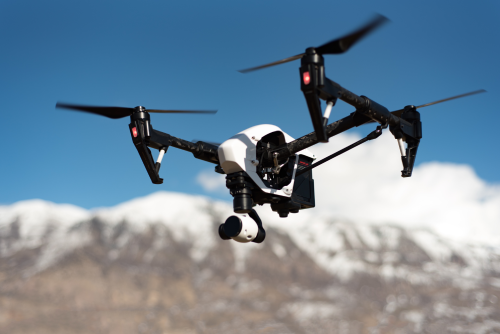
Drones are no longer just for aerial photos. In India, they are becoming practical tools for smart city projects such as mapping, construction monitoring, drainage planning, utility inspection, disaster response, and environmental tracking.
If you want to understand how drones are helping smart city projects in India, the short answer is this: they help city agencies and contractors see more, measure faster, and spot problems earlier than many ground-only methods.
Quick Take
- Drones help Indian smart city projects create up-to-date maps, 3D models, and visual records quickly.
- They are especially useful for roads, bridges, drainage networks, construction sites, lakes, landfills, and utility corridors.
- Compared with repeated ground surveys, drones can often reduce field time and improve coverage, especially across large or hard-to-reach urban areas.
- The biggest value is not the drone itself, but the decisions it supports: better planning, progress tracking, maintenance, and emergency response.
- In cities, compliance matters a lot. Operators must verify the latest DGCA, Digital Sky, airspace, and local authority requirements before any flight.
- Drones are powerful, but they are not magic. Accuracy, privacy, safety, weather, and data processing all affect results.
Why drones matter in Indian smart city projects
When people hear “smart city,” they often think of apps, sensors, command centres, and digital dashboards. But the real work of a smart city is much more physical. It includes roads, drains, water bodies, public lighting, waste management, public transport corridors, utilities, construction projects, and emergency planning.
That is exactly where drones fit in.
In Indian cities, urban projects often face a few common problems:
- Old maps that no longer match ground reality
- Fast-changing construction zones
- Congested areas that are difficult to inspect on foot
- Delays in collecting site data
- Gaps between contractor claims and actual progress
- Seasonal risks such as waterlogging and flood-prone pockets
- Limited municipal staff for frequent inspections
A drone can capture a bird’s-eye view of these conditions in a short time. Once the imagery is processed, departments can use it for planning, measurement, documentation, and monitoring.
This does not mean drones replace engineers, survey teams, or inspectors. In most city projects, drones work best as a force multiplier. They help teams cover more ground, detect issues earlier, and focus human effort where it matters most.
What drones actually deliver to city teams
A drone mission is useful only if it creates something a city department can act on. In smart city work, the most common outputs are:
- Orthomosaic maps, which are stitched top-down images that behave like a map
- 3D models of terrain, buildings, or construction zones
- Elevation data for slope, drainage, and earthwork planning
- Progress photos and videos from repeatable angles
- Asset inventories such as poles, manholes, rooftops, road markings, and structures
- Inspection imagery of cracks, waterlogging, erosion, dumping, or encroachments
- Thermal images in specific use cases like heat loss or hotspot detection
- GIS-ready datasets for municipal planning systems
The key point is simple: city agencies are not buying “drone photos.” They are using aerial data to make faster and better infrastructure decisions.
Where drones are making the biggest difference
Base maps and 3D city models
Many urban problems begin with outdated base maps. A road may have been widened, a drain may be blocked or altered, a new settlement may have appeared, or a construction corridor may have changed the local terrain.
Drones can help create updated maps for:
- Road widening proposals
- Junction redesign
- Public works planning
- Slum redevelopment or housing layout studies
- Lake and canal boundary documentation
- Ward-level GIS updates
- Industrial or peri-urban expansion zones
For planners, a recent drone map is far more useful than relying only on old drawings or scattered field notes.
A 3D model adds another layer of value. It helps teams understand height differences, built-up density, rooftop conditions, and terrain variation. This is useful in hilly towns, riverfront areas, or dense neighbourhoods where ground visibility is limited.
Practical example
Imagine a municipal corporation wants to redesign a traffic-heavy junction with poor pedestrian movement. A drone survey can capture the full geometry of the junction, nearby structures, approach roads, median conditions, and encroachments. That gives planners a realistic starting point instead of guessing from old drawings.
Construction progress monitoring
Smart city projects usually involve multiple contractors and multiple sites. Roads, footpaths, command centres, sewage works, bus shelters, public plazas, and utility upgrades may all run at the same time.
Drones help by creating a visual progress record that can be repeated weekly or monthly.
This is useful for:
- Comparing planned versus actual work
- Verifying milestones
- Measuring stockpiles, excavation, or earthmoving
- Tracking material movement and site layout
- Documenting before-and-after conditions
- Sharing progress with officials, consultants, and funding agencies
A simple repeated flight pattern over the same site can reveal delays, unsafe storage, incomplete sections, or work quality issues that are hard to understand from ground photos alone.
Why this matters in India
Large urban projects often involve coordination between consultants, contractors, municipal bodies, utilities, and residents. A drone-based progress record creates a shared visual reference. That can reduce arguments over what was completed, what changed, and what remains blocked.
Roads, bridges, flyovers, and urban infrastructure inspection
Inspecting urban infrastructure is time-consuming when done only from the ground. Drones can give engineers a fast first look at structures without sending teams into difficult traffic conditions or hard-to-access spots.
Common use cases include:
- Flyover deck and side-face inspection
- Bridge approach monitoring
- Pavement distress documentation
- Drain-side road erosion checks
- Construction quality documentation
- Retaining wall and embankment review
- Metro or corridor-adjacent site observation where permitted
For roads, drones are especially useful in identifying surface deterioration patterns, damaged shoulders, poor marking visibility, or bottleneck points near intersections.
For bridges and flyovers, drones do not replace a detailed engineering inspection. But they can help teams identify areas that need closer manual assessment. That saves time and makes inspections more targeted.
Drainage, flood risk, and waterlogging management
This is one of the most practical drone applications for Indian cities.
Many cities struggle with:
- Waterlogging after heavy rain
- Encroached drains or channels
- Silted lakes and ponds
- Unclear slope patterns
- Missing or broken stormwater connections
- Illegal dumping into drains and water bodies
Drone surveys can help create elevation-aware maps and visual records of drainage corridors. Even simple aerial imagery is useful for spotting blocked outfalls, channel narrowing, ponding zones, and informal structures that affect runoff.
With the right survey design and processing, drone data can support:
- Micro-drainage planning
- Flood-prone pocket identification
- Lake boundary and feeder channel mapping
- Pre-monsoon inspection campaigns
- Post-rain damage assessment
- Desilting verification
Mini scenario
A city repeatedly sees flooding in the same low-lying colony every monsoon. Ground teams know the complaint locations, but the full drainage pattern is unclear. A drone survey reveals missing slope continuity, blocked side drains, and new construction reducing runoff space. That gives the engineering team a more complete basis for redesign.
Solid waste, landfills, and sanitation oversight
Waste is a major urban management issue, and drones can help beyond simple photography.
They are useful for:
- Mapping landfill spread
- Monitoring illegal dumping zones
- Tracking daily or weekly changes in waste volume
- Inspecting access roads and leachate pathways
- Documenting fires, smoke zones, or damaged retaining edges from a safe distance
- Monitoring transfer station conditions
In large landfill sites, repeated drone surveys can show whether waste heaps are expanding in the expected direction, whether slopes are becoming unstable, or whether drainage channels are clogged.
For sanitation teams, a drone is not a replacement for field staff. But it gives supervisors a broader, repeatable view that is hard to obtain from ground-level inspection alone.
Utility and asset inspection
A smart city needs an up-to-date understanding of its assets. Drones can help municipal bodies and service providers inspect and record visible infrastructure such as:
- Streetlight poles
- High-mast lighting
- Water tanks
- Overhead utility corridors
- Solar panel installations on public buildings
- Pump houses and treatment plant perimeters
- Telecom towers where permission and safety norms allow
- Boundary walls, fencing, and public structures
This is valuable because asset registers are often incomplete or outdated. A drone survey can help confirm what exists on the ground and where maintenance attention is needed.
In some projects, drone data is used to support GIS asset mapping. That means each visible asset can be placed on a map with location-linked records for inspection and maintenance teams.
Traffic, parking, and mobility planning
Traffic studies do not always need drones, but drones can be very helpful when city teams need a wider view of movement patterns.
From above, it is easier to understand:
- Junction congestion
- Queue spillback
- Informal parking behaviour
- Bus stop access issues
- Pedestrian crossing patterns
- Bottlenecks near markets, schools, and hospitals
- Construction-related diversions
Aerial observation is especially useful at complex intersections or corridor segments where ground cameras show only part of the problem.
That said, this use case demands extra care. Cities and operators must think seriously about privacy, crowd safety, and data handling. Any traffic-related drone work should be planned conservatively and in line with current permissions and security requirements.
Environmental monitoring and urban green management
Smart city planning is not only about concrete. Drones are also being used to observe environmental conditions in and around cities.
Useful applications include:
- Monitoring lakes, ponds, and wetlands
- Tracking shoreline change or weed growth
- Identifying visible pollution or dumping
- Measuring tree cover in project areas
- Documenting urban green belts and parks
- Checking erosion near riverbanks or embankments
- Supporting restoration planning
In fast-growing urban zones, repeated drone surveys can show how land cover is changing over time. For planners, that helps balance development with drainage, ecology, and public space needs.
Disaster response and emergency assessment
When a city faces flooding, fire damage, structure collapse, or storm impact, quick situational awareness matters.
Drones can support emergency teams by:
- Providing rapid visual assessment of affected areas
- Identifying blocked roads and access routes
- Showing water spread after heavy rain
- Documenting damaged public infrastructure
- Helping prioritise field deployment
- Creating post-event records for repair planning
In dense areas, emergency drone use must still respect airspace and operational restrictions. But where allowed and properly coordinated, drones can give decision-makers a much faster overview than waiting for only ground reports.
A simple comparison of major smart city drone uses
| Use case | What the drone helps capture | Main value to city teams | Main limitation |
|---|---|---|---|
| Base mapping | Orthomosaic maps, 3D models | Better planning and updated GIS | Needs good processing and accuracy control |
| Construction monitoring | Repeat photos, video, site models | Progress verification and reporting | Not a substitute for engineering certification |
| Road and bridge inspection | Close visual imagery | Faster defect spotting and targeting | Some defects still need manual inspection |
| Drainage and flood planning | Terrain view, channel visibility, low spots | Better monsoon readiness and drainage design | Dense cover and water reflections can affect results |
| Waste and landfill monitoring | Spread, slopes, access, dumping | Safer and broader oversight | Requires repeat flights for trend analysis |
| Utility asset mapping | Visible infrastructure records | Better asset inventory and maintenance planning | Underground assets still need other methods |
| Traffic studies | Aerial movement patterns | Better junction and corridor understanding | Privacy and crowd-related caution required |
| Disaster assessment | Rapid area overview | Faster response prioritisation | Weather and emergency restrictions may apply |
What a smart city drone workflow usually looks like
The most successful drone projects are not just “send a drone and shoot video.” They follow a structured workflow.
1. Define the exact question
Start with the decision the city needs to make.
For example:
- Which drains need urgent desilting?
- Is the road package actually 70 percent complete?
- Where is waterlogging starting?
- How much area around the lake has changed?
A vague goal produces weak data.
2. Choose the right drone and sensor
Different jobs need different tools.
- Standard RGB camera: good for mapping, inspection, and documentation
- Thermal camera: useful in specific heat-related inspections
- LiDAR: useful where vegetation or terrain detail matters, but usually more specialised and expensive
- RTK or PPK-enabled survey setups: useful when higher positional accuracy is needed
For most municipal visual and mapping tasks, a good camera drone with proper survey planning is enough.
3. Plan the mission safely and legally
This includes:
- Airspace checks
- Local authority permissions
- Site risk assessment
- Crowd avoidance planning
- Weather checks
- Battery planning
- Data security planning
In urban India, legal and site permissions can matter as much as the flying itself.
4. Capture repeatable, usable data
A one-time dramatic video is less useful than consistent data.
For monitoring projects, teams should keep:
- Similar flight paths
- Similar camera angles
- Similar timing of day when practical
- Proper overlap for mapping
- Ground control or validation where accuracy matters
5. Process the data into outputs people can use
Raw images alone are rarely enough. The value comes after processing into:
- Maps
- Measurements
- 3D models
- Annotated inspection reports
- Comparison dashboards
- GIS layers
6. Connect the results to action
This is where many projects fail.
If the data does not connect to engineering, maintenance, budgeting, or enforcement workflows, the drone exercise becomes a presentation tool instead of an operational tool.
Legal, safety, and compliance points in India
Any discussion of drones in Indian cities must include compliance.
Urban operations are sensitive because they may involve dense populations, critical infrastructure, police jurisdictions, restricted areas, or proximity to airports and government facilities.
Before any smart city drone project, verify the latest official requirements from the DGCA and the Digital Sky system, along with any applicable state, district, police, defence, or site-owner permissions.
A practical compliance checklist includes:
- Use a drone that is compliant for lawful operations in India
- Check the current airspace status of the location
- Confirm whether prior permissions or clearances are required
- Avoid unsafe operations over people, traffic, and sensitive sites
- Ensure the pilot or operating team meets current legal requirements for the type of operation
- Get written approval from the project owner or relevant department
- Clarify who owns the data and who may access it
- Protect imagery that may reveal private property or security-sensitive details
- Maintain safe visual operations and weather margins
- Keep records of missions, approvals, and outputs
Privacy matters too
A city project may be legal and still upset residents if it is handled poorly. Good practice includes:
- Limiting data collection to what the project actually needs
- Avoiding unnecessary close capture of homes, people, and private spaces
- Briefing local stakeholders where appropriate
- Storing and sharing data carefully
- Following project-level privacy and security protocols
Common mistakes in smart city drone projects
Treating the drone as a camera, not a data tool
If the team only wants attractive visuals, the real value of mapping, measurement, and repeat analysis gets lost.
Using the wrong level of accuracy
For a promotional video, approximate positioning may be fine. For engineering design or quantity estimation, it may not be enough. Accuracy needs should be defined before the mission.
Skipping repeatability
If each progress flight uses a different angle, time, altitude, or coverage area, comparisons become weak.
Ignoring integration with GIS or project systems
Drone outputs are most useful when they can be linked to maps, work packages, asset registers, or maintenance records.
Flying without enough local coordination
City projects can involve traffic police, ward officers, utilities, resident groups, and site contractors. Poor coordination creates delays and trust issues.
Overpromising what drones can do
Drones are excellent for visualising and documenting. They do not automatically solve engineering, legal, or administrative problems.
Forgetting weather and seasonal reality
Monsoon winds, haze, dust, harsh sunlight, and sudden rain can reduce image quality and safety margins.
Collecting too much data with no clear use
Large datasets are expensive to process and store. Capture what supports the project decision, not everything possible.
Can small businesses and startups work in this space?
Yes, but the opportunity is more operational than glamorous.
Municipal bodies, consultants, infrastructure firms, EPC contractors, utility service providers, planners, and GIS companies often need drone support for:
- Survey and mapping
- Periodic project documentation
- Utility inspection
- Urban environmental monitoring
- Construction reporting
- Asset inventory work
The firms that do well usually offer more than flying. They combine drone operations with:
- Survey planning
- GIS processing
- Engineering reporting
- Measurement workflows
- Compliance handling
- Clear delivery formats for clients
In other words, city projects usually pay for reliable outcomes, not just flight time.
FAQ
Are drones legally allowed for smart city work in India?
They can be, but legality depends on the location, airspace status, type of operation, drone compliance, and required permissions. Urban operations are sensitive, so always verify the latest DGCA, Digital Sky, and local authority requirements before flying.
Do drones replace traditional land surveys?
Not fully. Drones can greatly speed up coverage and visual documentation, and in some cases support accurate mapping. But detailed engineering, legal boundary work, underground utilities, and certain design tasks may still need traditional survey methods.
Which type of drone is most common for city projects?
Multirotor drones are the most common for urban work because they can take off in tight spaces and hover for close inspection. Fixed-wing or hybrid platforms may be used for larger areas, but they are less common inside dense city environments.
How accurate are drone maps?
That depends on the drone, sensor, flight planning, processing method, and whether ground control or high-accuracy positioning methods are used. For serious planning or engineering use, define the required accuracy before the survey starts.
Can drones help with monsoon preparedness?
Yes. They are useful for pre-monsoon drain inspection, low-lying area mapping, water body observation, and post-rain damage assessment. But they cannot be flown safely in all weather, so timing and conditions matter.
Are drones useful for property and asset mapping?
Yes, they can help create visible records of roads, poles, rooftops, drains, public structures, and other surface assets. But any legal, tax, or enforcement-related use should be handled carefully and within the current policy framework.
What software or output do city teams usually need?
Most teams need orthomosaic maps, annotated inspection reports, progress comparisons, 3D models, or GIS-compatible layers. The best format depends on whether the user is a planner, engineer, contractor, or municipal decision-maker.
What are the biggest challenges in city drone projects?
Airspace restrictions, permissions, privacy concerns, weather, dense traffic, signal interference, data processing time, and poor integration with existing municipal systems are common challenges.
Is thermal imaging necessary for smart city work?
Not always. A standard camera is enough for many tasks such as mapping, progress monitoring, and visible inspection. Thermal cameras are useful in specific cases, but they are not required for every project.
Final takeaway
How drones are helping smart city projects in India comes down to one practical advantage: they give city teams a faster, wider, and more current view of what is happening on the ground.
If you are a municipal team, consultant, startup, or contractor, the next step is not to ask, “Which drone should we buy first?” Ask, “Which city problem needs faster, safer, better data?” Once that is clear, the right drone workflow becomes much easier to choose.
