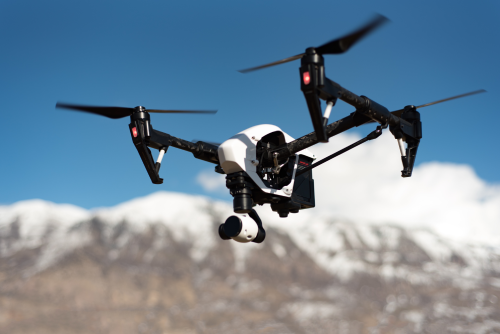
Knowing how to calibrate a drone properly is one of the easiest ways to avoid drift, tilted horizons, and sensor warnings. The important part is this: most modern drones do not need every sensor calibrated before every flight. You need to calibrate the right thing, at the right time, in the right place.
Quick Take
- Drone calibration means aligning sensors so the aircraft knows its position, level, direction, and control inputs correctly.
- The most common calibrations are:
- IMU calibration
- Compass calibration
- Gimbal calibration
- Controller stick calibration
- Do not recalibrate everything blindly. On many drones, unnecessary compass calibration can create more problems if done in a bad location.
- Calibrate the IMU on a flat, still surface.
- Calibrate the compass outdoors, away from metal, vehicles, reinforced concrete, and magnetic interference.
- If your drone had a crash, hard landing, firmware update, or persistent sensor warning, calibration is often a good next step.
- If the drone still drifts after proper calibration, the issue may be wind, poor GPS lock, damaged props, motor problems, or a sensor fault.
- In India, calibration does not replace legal permission to fly. Always verify the latest DGCA and Digital Sky requirements before outdoor operations.
What drone calibration actually means
A drone uses several sensors to stay stable and fly accurately. Calibration helps those sensors agree on what “level,” “forward,” and “north” mean.
Here are the calibrations most pilots will encounter:
| Calibration type | What it does | When you may need it | Typical signs of trouble |
|---|---|---|---|
| IMU calibration | Aligns the Inertial Measurement Unit, which includes accelerometers and gyroscopes that help the drone know its attitude and movement | After a crash, hard landing, firmware update, or app warning | Drift, unstable hover, “IMU error,” odd attitude behaviour |
| Compass calibration | Aligns the compass so the drone understands heading relative to Earth’s magnetic field | When the app specifically asks, after magnetic interference issues, or after certain repairs | Compass warnings, yaw issues, heading mismatch, circling behaviour |
| Gimbal calibration | Resets the camera stabiliser so the horizon stays level | After transport, a bump, hard landing, or tilted horizon | Crooked video horizon, shaky startup, gimbal warnings |
| Controller calibration | Aligns stick centres and full movement range | If stick inputs feel off, drone drifts from input error, or app suggests it | Drone reacts before you touch the stick, weak or uneven control response |
| Vision sensor calibration | Tunes optical or obstacle sensors, often through official desktop software | After repairs, impacts, or specific app prompts | Position hold issues indoors or at low altitude, sensor warning |
| Compass module or GPS setup on DIY drones | Configures direction and orientation of external modules on custom builds | During setup or after hardware changes | Bad return-to-home behaviour, wrong heading, navigation problems |
One useful rule: not every stability problem is a calibration problem.
A drone can drift because of:
- Wind
- Damaged propellers
- Poor GPS lock
- Flying indoors or under shade where positioning is weak
- Magnetic interference
- A bent arm or motor damage
- Low light or shiny floors affecting vision sensors
Do you need to calibrate before every flight?
Usually, no.
This is one of the biggest myths in drone flying. Many beginners think a full calibration before every flight is “extra safe.” In reality, repeated calibration—especially compass calibration in a bad spot—can make a healthy drone less reliable.
What you should do before every flight
Before every flight, do a normal pre-flight check:
- Battery level is healthy
- Propellers are undamaged and fitted correctly
- Gimbal clamp or cover is removed
- GPS lock is adequate if your drone requires it
- Home point is recorded correctly
- No app warnings
- The area is safe and legal to fly in
When calibration is actually needed
A proper calibration is more useful when:
- The app shows a sensor warning
- You had a crash or hard landing
- The drone was stored for a long time
- A firmware update recommends or requires recalibration
- The horizon is visibly tilted
- The drone drifts unusually in calm conditions
- A repair or parts replacement was done
When calibration is probably not needed
You usually do not need to recalibrate just because:
- You charged the battery
- You are flying again on the same day
- You travelled to another part of the city
- The drone feels normal and has no warnings
- You want to “play safe” without any actual symptom
Distance travelled alone is not a reliable reason to recalibrate a modern drone compass. If the app is happy and the sensor status is normal, leave it alone.
Before you start: a proper setup matters
Good calibration starts before you open the app.
Basic preparation checklist
- Charge the drone battery and controller
- Update firmware only if needed, then restart the system
- Let the drone cool down if the manufacturer recommends it for IMU calibration
- Inspect propellers, arms, landing gear, and gimbal for damage
- Remove the gimbal cover or transport lock
- If practical and allowed by your drone design, remove propellers for bench calibrations for extra safety
- Use the official flight app or official desktop tool
- Keep the drone still during calibration
Pick the right place
The location depends on the type of calibration.
For IMU or gimbal calibration:
- Use a flat, level, vibration-free surface
- Indoors is often fine
- Avoid fans, shaky tables, and sloped floors
For compass calibration:
- Go outdoors
- Stay away from:
- Cars and bikes
- Iron gates
- Steel sheds
- Reinforced concrete terraces
- Drain covers
- Power transformers
- Large speakers or magnets
This matters a lot in India because many pilots try to calibrate on apartment terraces, parking areas, or next to vehicles. Those places often contain steel and other interference sources that can spoil compass calibration.
Step-by-step: how to calibrate a drone properly
The exact menu names vary by brand, but the workflow is similar across most consumer camera drones.
1. Check what the drone is actually asking for
Open your flight app and read the warning carefully.
Do not assume every warning means “calibrate compass.”
For example:
- “IMU requires calibration” means work on the IMU
- “Compass interference” may mean move away from metal, not recalibrate immediately
- “Gimbal needs calibration” means stabiliser issue, not a flight control issue
If the warning appeared in a metal-heavy area, change location first. A bad environment can trigger false compass problems.
2. Do a physical inspection before any calibration
Calibration cannot fix broken hardware.
Check for:
- Cracked or chipped propellers
- Bent propeller hubs
- Loose arms
- Motor roughness or grinding
- Gimbal damage
- Sand, dust, or moisture after a rough landing
- Battery swelling
- Signs of impact around sensors
If the drone crashed hard, do not rely on calibration alone. A bent frame or damaged motor can still cause unstable flight.
3. Start with IMU calibration
The IMU, or Inertial Measurement Unit, is one of the most important calibrations for stable flight.
How to do it properly
- Place the drone on a perfectly flat, stable surface.
- Power on the drone and controller.
- Open the app and go to the sensor or safety settings.
- Select IMU calibration.
- Follow the on-screen instructions exactly.
- Do not touch or move the drone while it is calibrating.
- If the drone asks to be placed in different positions, do each one carefully and on a stable surface.
- When complete, reboot the drone if prompted.
Best practices
- Use a level tile floor, wooden table, or other solid surface
- Avoid soft beds, sloped desks, or vibrating tables
- If the drone feels warm from recent flying, let it cool first if your brand recommends that
Signs the IMU may need attention
- The drone leans or drifts in calm conditions
- Startup takes longer than usual
- The app reports IMU error or attitude abnormality
4. Calibrate the compass only when it makes sense
Compass calibration is the most misunderstood part of drone setup.
A compass tells the drone which direction it is facing. Because it measures Earth’s magnetic field, it is very sensitive to nearby metal and interference.
When to calibrate the compass
Do it when:
- The app specifically requests it
- You see repeated compass errors in a clean outdoor area
- The compass module was repaired or replaced
- The manufacturer’s troubleshooting steps recommend it
Do not do it just because you feel like it.
How to do it properly
- Move to an open outdoor area.
- Keep away from vehicles, metal railings, reinforced concrete, buried pipes, and power equipment.
- Remove magnets or metal accessories from your hands if possible.
- Start compass calibration in the app.
- Rotate the drone exactly as shown on screen.
- Complete the second rotation if required.
- Wait for confirmation that calibration succeeded.
Important warning
If compass calibration fails more than once, do not keep forcing it in the same place.
Instead:
- Move to a different spot
- Restart the drone
- Check for nearby metal or magnetic sources
- Inspect for sensor damage if the issue continues
Repeated failed compass calibration in one location often means the location is bad, not the drone.
5. Calibrate the gimbal if your horizon is tilted
If your footage looks slanted even though the drone is level, the gimbal may need calibration.
How to do it
- Place the drone on a level surface.
- Remove all transport locks and covers.
- Make sure nothing is touching the camera.
- In the app, open gimbal settings.
- Run auto calibration.
- Let the process finish without moving the drone.
After that, check the horizon. Some drones also offer fine tuning for small left-right horizon tilt.
Good time to do this
- After travel
- After a hard landing
- If the gimbal was bumped in a bag
- If video looks consistently tilted
6. Calibrate the controller sticks if inputs feel wrong
Sometimes the drone itself is fine, but the controller is sending incorrect centre points.
Signs you may need controller calibration
- The drone responds before you move a stick
- A stick does not return to zero properly in the app
- Yaw, pitch, or roll input feels uneven
- The app recommends remote calibration
General process
- Open the controller or remote settings in the app.
- Start stick calibration.
- Leave sticks centred when asked.
- Move each stick smoothly through its full range.
- Rotate any wheels or dials if your controller uses them.
- Save and recheck the live input display.
Move smoothly, not aggressively. The goal is full-range, accurate input.
7. Calibrate vision sensors only if your model supports it
Many beginner drones have downward vision or obstacle sensors. Some calibrations are available through official computer software, while others are handled automatically.
If your drone has a specific vision sensor calibration procedure:
- Use the official tool only
- Follow the screen pattern exactly
- Perform it indoors on a stable setup
- Do not guess if the sensor alignment seems physically damaged
If the drone recently hit a wall, tree, or branch and obstacle sensing started acting strangely, calibration may help—but only if the hardware itself is intact.
8. Reboot everything after calibration
After finishing, restart:
- The drone
- The controller
- The app, if needed
Then check:
- Sensor status is normal
- No new warnings appear
- Battery is secure
- GPS lock is healthy if required
- Home point is recorded correctly before takeoff
9. Do a cautious test hover
Never treat calibration as complete until the drone behaves normally in the air.
Safe test hover method
- Choose a wide, open area.
- Avoid people, vehicles, wires, and trees.
- Take off smoothly.
- Hover at low altitude for a few seconds.
- Watch for: – Uncommanded drift – Yaw wandering – Unusual vibration – Tilted horizon – Warning messages
- Land immediately if anything feels off.
A calm test hover tells you more than a menu screen does.
Special note for FPV and self-built drones
If you fly a custom FPV or DIY drone, calibration is a little different from a typical camera drone.
You may need to set up or calibrate:
- Accelerometer
- Radio endpoints and channel mapping
- Receiver stick centres
- Compass, if your build has GPS navigation features
- Current sensor or battery sensor
- Motor direction and ESC settings
Two important FPV-specific points:
- Always remove propellers during bench setup
- Not all ESCs need calibration; many modern digital ESC protocols do not use the old calibration method
If you use software like Betaflight, INAV, or ArduPilot, follow the flight controller documentation for your exact board and firmware version. A wrong setting on a custom build can cause immediate loss of control.
How to tell whether calibration solved the problem
A successful calibration usually shows up in three places:
In the app
- Sensor health looks normal
- No IMU or compass error
- Controller sticks centre correctly
- Gimbal warning disappears
On takeoff
- The drone lifts cleanly
- It holds position well in calm air
- It does not rotate or slide unexpectedly
In the footage
- The horizon looks level
- No random shakes
- Gimbal movement is smooth
If the drone still flies poorly after proper calibration, stop assuming it is a software problem.
Troubleshooting: when calibration does not fix it
| Symptom | Likely cause | What to do next |
|---|---|---|
| Drone drifts in wind | Normal wind effect, not calibration | Test again in calmer conditions |
| Drone drifts indoors | Weak GPS or poor vision sensor reference | Move outdoors for testing in safe conditions |
| Compass calibration keeps failing | Magnetic interference or damaged compass | Change location first, then inspect hardware |
| Drone wobbles or vibrates | Bent prop, damaged motor, loose arm | Replace props and inspect motors |
| Horizon still tilted | Gimbal needs fine tune or has physical damage | Run gimbal auto-calibration, then fine tune or service |
| Yaw or heading feels wrong | Compass issue, controller issue, or interference | Recheck environment, then controller and compass status |
| Position hold is poor at a worksite | Steel structures, weak GNSS, or interference | Move to a clearer area and wait for proper lock |
| Drone behaved badly after a crash | Structural or sensor damage | Do not keep flying; get it inspected |
Common mistakes beginners make
Calibrating the compass far too often
This is probably the most common mistake. If the drone is healthy and the app is not asking for it, leave the compass alone.
Calibrating next to metal
Bad examples include:
- On a car bonnet
- On a scooter seat near metal bodywork
- On a terrace with railings and steel below
- Next to lift machinery or generator rooms
- In parking basements
Ignoring the physical condition of the drone
A calibration will not fix:
- Cracked props
- Bent motor shafts
- Loose arms
- Water damage
Using an uneven surface for IMU calibration
If the drone learns a bad “level,” it may never hover quite right.
Confusing GPS lock with calibration
Most consumer drones do not have a user “GPS calibration” step. You usually just wait for sufficient satellite lock and a proper home point.
Testing immediately in a risky place
Do not do your first post-calibration hover:
- In a narrow lane
- Between buildings
- Near a crowd
- On a windy rooftop
- Beside power lines
Chasing every warning without reading it properly
A “compass interference” warning often means “move away from interference,” not “start spinning the drone around right now.”
Safety, legal, and compliance notes for India
Calibration is a technical step, not a legal clearance.
Before outdoor flight in India, keep these points in mind:
- Verify the latest DGCA and Digital Sky guidance for your type of drone and operation
- If your workflow involves permissions, NPNT-related compliance, or professional operations, complete those separately
- Do not test hover in crowded public areas just because “it’s only for calibration”
- Respect local restrictions around airports, sensitive zones, security locations, and temporary no-fly areas
- Keep people clear during test flights
- Avoid flying over roads, houses, or gatherings during troubleshooting
- If you are working on a farm, construction site, or industrial property, coordinate with the owner or site supervisor before testing
Rules can change, and requirements depend on the drone category, purpose, and location. Always verify the current official position before flying.
FAQ
How often should I calibrate my drone?
Only when needed. Good triggers are app warnings, a hard landing, firmware updates, repairs, or repeated drift in calm conditions.
Should I calibrate my drone before every flight?
Usually no. Do a normal pre-flight check every time, but full calibration is not required before every flight on most modern drones.
Can I calibrate a drone indoors?
IMU and gimbal calibration can often be done indoors on a level surface. Compass calibration should generally be done outdoors in an open area away from metal and interference.
Why does my compass calibration keep failing?
The most common reason is the location, not the drone. Move away from cars, railings, reinforced concrete, metal structures, and magnetic sources. If it still fails in a clean area, the compass may need inspection.
Does travelling to another city in India mean I must recalibrate?
Not automatically. If the drone shows no warnings and flies normally, you usually do not need to recalibrate just because you changed location.
What is the difference between IMU calibration and compass calibration?
IMU calibration helps the drone understand level and movement. Compass calibration helps it understand direction. They solve different problems.
My drone still drifts after calibration. What now?
Check wind, propellers, motors, GPS strength, vision sensors, and crash damage. If the problem continues, stop flying and get the drone inspected.
Is there such a thing as GPS calibration on most camera drones?
Usually no, not as a normal user procedure. You normally wait for strong satellite lock and a correct home point instead.
Should I remove propellers before calibration?
If the procedure is done on a bench and your drone design allows safe removal, it adds safety. For DIY and FPV drones, removing props during setup is strongly recommended.
Calibrate only what actually needs calibration, and do it in the right environment. If your drone still shows sensor warnings or unstable behaviour after a careful IMU, compass, gimbal, or controller check, stop flying and fix the real cause instead of recalibrating again and again.
