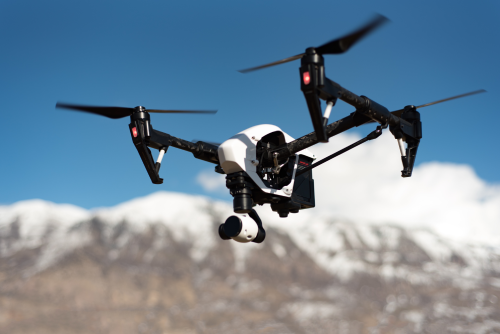
Drone crashes usually come from a few repeatable mistakes: taking off in the wrong place, ignoring wind or battery warnings, losing orientation, or trusting automation too much. If you want to learn how to avoid drone crashes and fly safely, the answer is not one trick but a routine you follow every single flight.
For pilots in India, that routine matters even more. Dense urban areas, terraces, power lines, birds, dust, heat, and changing local restrictions can make a short “easy” flight riskier than it looks.
Quick Take
- Most crashes are preventable with a proper pre-flight check.
- Pick open spaces with clear take-off and landing areas, especially when learning.
- Wait for a proper GPS lock and confirm the home point before flying away.
- Set a safe return-to-home altitude that clears nearby trees, buildings, and towers.
- Do not push battery too low just to get one more shot.
- Fly slow when close to obstacles, people, or water.
- Keep the drone within visual line of sight, not just on the screen.
- Treat obstacle avoidance as backup, not as permission to fly recklessly.
- In India, always verify the latest DGCA and Digital Sky requirements before flying.
- If anything feels wrong in the air, stop, hover, and make a calm plan instead of improvising.
Why drone crashes happen
A drone rarely crashes “out of nowhere.” In most cases, one of these is involved:
- Pilot error: wrong stick input, poor judgment, rushing, panic
- Bad location: wires, trees, buildings, crowds, moving vehicles
- Weak GPS or interference: unstable hovering, wrong home point, poor signal
- Wind and weather: gusts, heat, rain, dust
- Battery issues: low battery, weak pack, overheated battery
- Overconfidence in features: assuming sensors or return-to-home will solve everything
- Poor maintenance: damaged propellers, loose arms, dirty sensors, worn batteries
The good news is that every one of these can be managed better.
Build a pre-flight routine you never skip
The safest pilots are not always the most talented. They are the most consistent.
Use this checklist before every flight.
1. Confirm the flight is legal and appropriate
Before you even unpack the drone:
- Check the latest official airspace and drone operation rules in India.
- Verify whether your drone, location, and purpose require any permissions, registration, or compliance steps.
- Make sure the landowner or site manager allows drone flying.
- Avoid sensitive or restricted areas, airports, emergency scenes, and government or strategic locations.
- Do not assume an empty ground is automatically legal to fly in.
If you are shooting near a wedding, school, religious gathering, public road, or market, think twice. Even if you are allowed, it may still be unsafe.
2. Inspect the drone physically
Take 30 seconds and look closely.
Check:
- Propellers for chips, cracks, bends, or looseness
- Arms and body for hairline cracks
- Motors for dirt, sand, or anything blocking movement
- Battery for swelling, dents, or poor fit
- Camera and gimbal for free movement
- Landing gear or feet for damage
A tiny propeller nick can become a big stability problem in the air.
3. Start with healthy power
Make sure:
- Flight battery is charged and seated properly
- Controller battery is charged
- Phone or tablet is charged
- Cables are secure
- You have enough battery for the entire session, not just take-off
In Indian summers, avoid keeping batteries inside a hot car. Heat can shorten battery life and increase risk.
4. Update and prepare at home, not at the field
Do not go to the location planning to do firmware updates, map downloads, or first-time app setup.
At home:
- Update firmware if needed
- Log in to the app
- Download offline maps if your app supports them
- Check storage space on memory card and phone
- Review any geofencing or unlocking requirements in advance
Field time is for flying, not troubleshooting.
5. Pick a clean take-off point
Launch from a flat, clear surface.
Best options:
- A landing pad
- Clean pavement away from traffic
- Short grass with enough clearance
Avoid:
- Dusty grounds that can blow debris into motors and gimbal
- Sand
- Uneven rocks
- Areas with loose plastic, paper, or dry leaves
This matters a lot in India, where many open grounds are dusty and debris-filled.
6. Wait for the drone to initialize properly
Do not rush take-off.
Before you launch:
- Wait for the app to show normal system status
- Confirm GPS is good enough for stable positioning
- Confirm the home point has been recorded correctly
- Check live map orientation if your app provides it
- Make sure the camera view is normal and the gimbal is not stuck
If the drone is drifting on the ground or the app shows compass or sensor warnings, solve that first.
7. Set a safe return-to-home altitude
This is one of the most important crash-prevention settings.
Your return-to-home altitude should be:
- Higher than the tallest likely obstacle between you and the drone
- Based on the actual area, not a default number
- Reviewed every time you change location
For example, a safe value for an open field may be too low near trees, towers, or apartment buildings.
8. Check the weather for the actual flying height
Ground-level weather can fool you. Wind higher up may be much stronger.
Watch for:
- Tree movement
- Flags snapping hard
- Dust blowing across the ground
- Fast-moving clouds
- Heat haze
- Incoming rain
If you are a beginner, calm conditions are your friend. Early morning is often better than afternoon, especially in hot months.
9. Plan the flight before take-off
Decide these points before the drone leaves the ground:
- Where will you take off and land?
- What route will you fly?
- What is the maximum distance you really need?
- Where are the obstacles?
- What is your emergency landing spot?
- What battery percentage will trigger return?
- What will you do if signal drops?
A one-minute plan can prevent a one-second mistake.
10. Do a low hover test
After take-off, bring the drone up to a low safe height and let it hover briefly.
Check for:
- Unexpected drifting
- Vibration
- Abnormal sound
- Weak response to controls
- Poor GPS hold
If anything feels off, land immediately. A bad hover is an early warning.
Pick the right place and time to fly
Many beginners crash not because they cannot control the drone, but because they picked a bad environment.
Best places for practice
Choose:
- Open grounds with clear visibility
- Low-traffic farmland only with permission and safe separation from people and animals
- Empty sports fields when permitted and not in use
- Quiet open areas away from wires and roads
Places beginners should avoid
Avoid these until you have strong control and judgment:
- Rooftops and terraces in dense cities
- Beaches with gusty wind
- Lakes, rivers, and dams
- Areas with many trees
- Construction sites
- Crowded tourist spots
- Streets and parking lots
- Festival areas with kite strings
Terraces are especially deceptive. They feel private and convenient, but they can have turbulent wind, GPS reflection from nearby buildings, and very limited recovery space.
India-specific risks people underestimate
In Indian flying conditions, watch out for:
- Power lines that are hard to see against the sky
- Mobile towers and metal structures
- Birds, especially crows and kites
- Kite string or manja during and after festival seasons
- Dust and loose debris on take-off
- Sudden coastal gusts
- Monsoon moisture and surprise showers
- Heat-related phone and battery overheating
A safe-looking location can become unsafe quickly if even one of these is present.
Flying habits that prevent crashes
A safe drone flight is usually a slow drone flight.
Learn these basic skills before complex shots
Practice these until they feel automatic.
1. Stable take-off and hover
Lift off smoothly and hold position without sudden corrections.
2. Orientation control
Learn to fly the drone when it is facing away from you and when it is facing toward you. Many beginners crash because left and right feel reversed.
3. Smooth turns
Make wide, gentle turns instead of sharp last-second changes.
4. Controlled descent
Come down steadily. Avoid aggressive straight-down descents from high altitude if your drone becomes unstable during fast vertical drops. If needed, descend gradually and keep some lateral movement, following your manufacturer’s guidance.
5. Manual return and landing
Do not rely only on auto return. Practice bringing the drone back yourself and landing smoothly.
Safe habits in the air
- Keep the drone in visual line of sight.
- If you feel disoriented, stop moving and hover.
- Fly higher than small obstacles, but still within legal and safe limits.
- Avoid flying backward unless you are sure the path is clear.
- Slow down near trees, buildings, poles, and walls.
- Leave extra margin near water. Depth perception is poor over water.
- Do not use Sport mode or equivalent high-speed modes in tight areas.
- Use a spotter for commercial work or busy locations whenever possible.
A simple rule helps: if you would be nervous to lose two seconds of control, you are flying too close.
Set your safety features before they need to save you
Modern drones have strong safety features, but they are not magic.
Return-to-home
Return-to-home can save the drone, but only if:
- The home point is correct
- GPS is reliable
- The set altitude clears obstacles
- You understand how your drone behaves during signal loss or low battery
Do not assume it will work perfectly between buildings, under trees, or in narrow urban spaces.
Obstacle avoidance
Obstacle sensors help, but they have limits.
They may struggle with:
- Thin wires
- Bare branches
- Low light
- Reflective surfaces
- Water
- Fast sideways movement
- Very small objects
Treat obstacle avoidance as an assistant, not as a license to fly carelessly.
Low battery settings
Know the difference between:
- Low battery warning
- Critically low battery
- Forced landing behavior
Start returning earlier than the app’s final warning. Wind on the way back can eat battery faster than expected.
Distance and altitude limits
For beginners, lower limits can be useful.
Set practical boundaries so you do not accidentally send the drone farther than your skill allows.
Manage wind, battery, heat, and dust
These are four of the biggest real-world crash factors in India.
Wind
Beginners often judge wind only from the ground. That is not enough.
Signs the wind is too much:
- The drone tilts heavily just to hold position
- It drifts during hover
- The return trip is slower than expected
- You feel you are “fighting” the drone
- Battery drops unusually fast
Small and lightweight drones are affected the most.
Battery
Good battery discipline prevents many crashes.
Do:
- Start with fully charged batteries
- Store and transport batteries carefully
- Let hot batteries cool before charging
- Retire damaged or swollen batteries
- End flights with a safety margin, not at the last minute
Do not:
- Fly a battery that looks puffed, cracked, or dented
- Reuse an overheated battery immediately
- Ignore a battery warning for “just one more shot”
Heat
In hot Indian weather:
- Keep batteries in the shade
- Keep your phone out of direct sunlight
- Let the drone cool between flights if it feels very hot
- Watch for screen dimming or app slowdown due to overheating
Dust and sand
Dust can affect motors, cooling, and sensors.
After flights in dusty conditions:
- Wipe the drone gently
- Inspect motor area
- Clean landing gear and sensors carefully
- Use a proper case instead of tossing the drone into a backpack loosely
Signal, GPS, and interference: know what the drone is telling you
A lot of “mystery crashes” are really signal or positioning problems.
Common causes
- Taking off too close to metal objects or vehicles
- Launching near reinforced concrete structures
- Flying between tall buildings
- Starting under trees or under a roof edge
- Poor controller antenna orientation
- Relying on the screen instead of line of sight
Good habits
- Wait for proper GPS status before moving out.
- Do not calibrate the compass casually in a bad spot. Follow your manufacturer’s guidance and avoid doing it near metal.
- Keep your controller pointed and positioned as recommended by the manufacturer.
- Close unnecessary apps on your phone.
- Reduce distractions like calls and notifications during flight.
- If signal weakens, turn back early instead of pushing farther.
If the video feed breaks up but the drone is still visible, do not panic. Fly by line of sight and bring it back.
If you lose orientation, stop, hover, and use the map, heading indicator, or return-to-home only if the airspace above is clear enough for it.
Fly legally and responsibly in India
Safe flying is not only about not crashing. It is also about not creating risk for others.
Before flying in India, verify the latest official guidance from DGCA and the relevant Digital Sky process for your type of drone, your use case, and your location. Requirements can change, and they may differ based on:
- Drone category or weight class
- Recreational vs professional use
- Airspace type
- Whether the drone is compliant with applicable requirements
- State, district, or venue-level restrictions
Keep these principles in mind:
- Do not fly in restricted or sensitive areas.
- Do not fly near airports or active emergency operations.
- Do not fly over crowds, moving traffic, or public gatherings unless you are clearly authorized and can do so safely.
- Respect privacy. Avoid recording people in private spaces without consent.
- For commercial jobs, check whether extra permissions, local approvals, or insurance are advisable or required.
Rules and local enforcement can change. Verify first, then fly.
Common mistakes that lead to crashes
These are the mistakes seen again and again.
- Taking off before the home point is updated
- Flying from a terrace in a crowded urban area as a beginner
- Ignoring wind because the ground feels calm
- Flying behind buildings or trees and losing signal
- Depending fully on obstacle avoidance
- Pushing a battery too low for one last shot
- Flying backward without checking the path
- Using damaged propellers
- Taking off from dusty or sandy surfaces
- Panicking when the drone turns toward the pilot
- Using high-speed mode in tight spaces
- Calibrating sensors carelessly near metal
- Trusting return-to-home without checking altitude settings
- Flying over weddings, processions, or crowds for dramatic footage
If you recognize yourself in any of these, fix the habit before the next flight.
What to do when something starts going wrong
A calm reaction prevents many crashes.
If the drone starts drifting right after take-off
- Do not continue the flight
- Land immediately
- Recheck GPS, compass warnings, wind, and take-off surface
- Restart only after you understand the cause
If you lose orientation
- Stop moving
- Hover
- Yaw slowly until you understand the drone’s direction
- Use the map or heading indicator if available
- Bring it back slowly
If signal becomes weak
- Turn back early
- Gain some safe altitude only if the area above is clear and legal
- Avoid moving behind more obstacles
- Do not keep flying outward
If birds start harassing the drone
- Leave the area calmly
- Descend and land when safe
- Avoid nesting areas and repeated passes near birds
If battery becomes low sooner than expected
- Cancel the shot
- Return immediately
- Fly the shortest safe route home
- Expect wind and distance to matter more on the return leg
If the drone clips something but stays airborne
- Do not continue filming
- Stabilize
- Land as soon as practical
- Inspect the drone fully before flying again
After any hard landing or minor crash
Never assume the drone is fine because it still powers on.
Use this checklist:
- Power off immediately.
- Remove the battery and inspect it for swelling, dents, cracks, or heat.
- Check every propeller closely.
- Inspect arms, shell, landing gear, and gimbal.
- Spin motors gently by hand with props removed if your manufacturer allows basic inspection.
- Check for grinding, resistance, or debris.
- Review any error messages in the app.
- Do a cautious low hover test only after replacing damaged parts and confirming normal status.
If the battery took a hit, treat it seriously. A damaged lithium battery is not worth the risk.
If the drone fell into water, especially salt water, do not simply dry it and fly again. It may have hidden corrosion or short-circuit damage.
FAQ
Is obstacle avoidance enough to prevent crashes?
No. It helps, but it can miss wires, branches, reflective surfaces, low-light obstacles, and fast sideways movement. You still need safe flying habits.
Should I calibrate the compass before every flight?
Not necessarily. Follow the manufacturer’s guidance. Unnecessary calibration in the wrong place, especially near metal, can create more problems than it solves.
Is it safe to fly from a terrace?
Sometimes, but it is not ideal for beginners. Terraces often have turbulent wind, GPS reflections from nearby buildings, and limited room to recover from mistakes.
What wind is too much for a beginner?
It depends on the drone’s size and rating. A simple rule: if the drone struggles to hold position, tilts heavily, or returns slowly, land. Beginners should choose calm conditions instead of testing limits.
Can I fly in light rain or fog?
Avoid it unless your drone is specifically designed and rated for those conditions and you fully understand the limitations. Moisture can affect motors, electronics, visibility, and sensors.
What should I do if return-to-home starts but there are obstacles above?
Take manual control if your drone and conditions allow it and if you are confident doing so safely. This is why checking return-to-home altitude before take-off is critical.
Do I need permission to fly a drone in India?
It depends on the drone, location, airspace, and purpose. Always verify the latest DGCA and Digital Sky requirements before flying, especially for work, sensitive locations, or anything beyond casual practice.
How often should I replace propellers?
Replace them whenever they are chipped, bent, cracked, or after a hard impact. Some pilots also replace them as preventive maintenance after heavy use, based on manufacturer guidance.
Is flying over water more dangerous?
Yes. Water reduces depth perception, wind is often stronger, and there are fewer safe landing options. Sensor performance can also be less reliable over reflective surfaces.
Final takeaway
If you want to avoid drone crashes and fly safely, do not look for one perfect setting or one smart feature. Build a repeatable system: verify the location, inspect the drone, wait for proper GPS and home point, set a safe return altitude, fly slow, and land early.
For your very next flight, pick one open location, do the full checklist, and treat safety as part of the skill. That one habit will save more drones than any accessory or software feature ever will.
