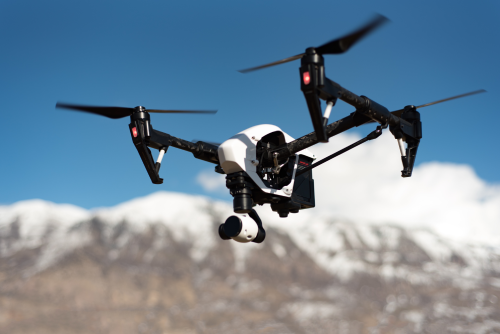
Buying a drone by comparing only the biggest number on the box is the easiest way to make a bad purchase. To compare drone specifications before purchase, you need to connect each spec to your actual use case, real flying conditions, after-sales support, and the legal situation in India.
A good drone on paper can still be the wrong drone for you. The right one is the model that gives you the best mix of image quality, safety, support, portability, and compliance for the work you actually plan to do.
Quick Take
- Start with your purpose, not the marketing sheet.
- Camera quality is not just about megapixels. Sensor size, gimbal quality, bitrate, and low-light performance matter more.
- Claimed flight time and range are ideal-condition figures. Real-world results are usually lower.
- Weight affects portability, wind handling, safety, and sometimes compliance requirements.
- Stable transmission is more useful than a huge advertised range.
- Extra batteries, charger speed, spare parts, and Indian after-sales support matter more than many first-time buyers expect.
- Obstacle sensing helps, but it is not a substitute for pilot skill.
- Before you buy, verify the latest official DGCA and Digital Sky requirements applicable to your drone category and use case.
Start with your mission, not the specification sheet
Before comparing models, answer one question: what exactly will this drone do for you?
A beginner learning to fly, a travel creator, a student doing mapping work, and a small business shooting real-estate videos do not need the same features. The best drone for one person can be poor value for another.
Which specs matter most for different buyers?
| Buyer type | Prioritise first | Nice to have | Often overvalued |
|---|---|---|---|
| Beginner | Stable hover, easy app, safe return-to-home, spare batteries, affordable repairs | Basic obstacle sensing | Extreme range, very high top speed |
| Travel creator | Portability, camera quality, low-light performance, quick setup | Vertical shooting options, fast charging | Megapixel count alone |
| Real-estate or social media creator | Smooth gimbal, reliable hover, dynamic range, battery turnaround | Obstacle sensing | Racing-style speed |
| Survey or inspection user | Positioning accuracy, waypoint support, repeatable flights, battery ecosystem, workflow compatibility | Longer endurance | Cinema-focused camera features |
| Small business operator | Reliability, service support, spare parts, warranty, compliance fit, total ownership cost | Premium controller | Flashy headline specs |
If you define your use case first, half the buying confusion disappears.
How to read drone specs properly
A drone spec sheet mixes useful data, ideal-condition claims, and marketing language. The trick is to separate what affects real work from what only looks impressive.
| Specification | What it really tells you | What to verify before purchase |
|---|---|---|
| Take-off weight | Portability, wind behaviour, safety, possible compliance impact | Ready-to-fly weight with battery and props |
| Camera sensor and lens | Image quality, low-light ability, field of view | Sensor size, aperture, RAW support, video bitrate |
| Video resolution and frame rates | Output options for editing and delivery | 4K frame rates, slow motion, colour profile, crop |
| Gimbal and stabilisation | Footage smoothness | 3-axis gimbal vs electronic stabilisation only |
| Flight time | Productivity per battery | Real-world usable time, not just maximum claim |
| Transmission system | Control link and live-view reliability | Stability in interference, controller quality, latency |
| Obstacle sensing | Safety assistance | Which directions are covered and where it fails |
| Wind resistance | Stability outdoors | Performance in open areas, rooftops, beaches |
| GNSS and return-to-home | Hover accuracy and safety | Lock speed, hover confidence, return behaviour |
| Battery ecosystem | How practical the drone is day to day | Battery price, charging time, charging hub |
| App and firmware | Ease of use and long-term support | Phone compatibility, update reliability, language/support |
| Service and spares | Downtime and repair cost | Indian warranty, parts availability, authorised support |
The drone specifications that matter most before purchase
Weight and size: portability versus stability
Weight looks simple, but it changes a lot.
A lighter drone is easier to carry, faster to deploy, and less tiring for travel. But ultra-light models may struggle more in wind than heavier drones with stronger motors. A larger drone may hold position better outdoors, but it is harder to transport and usually costlier to repair.
For Indian buyers, weight also matters because legal and operational requirements can differ depending on the drone category and purpose. Do not assume the rules for one size of drone apply to all. Verify the current official position before you buy.
What to compare:
- Ready-to-fly weight, not just body weight
- Folded size and carry case practicality
- Wind resistance rating
- Propeller size and replacement cost
- Landing gear or ground clearance, if you fly in dusty open areas
A common mistake is choosing the smallest possible drone for regular rooftop or coastal flying. In calm weather it may be fine. In stronger wind, it can become stressful.
Camera quality: the spec most people compare badly
This is where marketing creates the most confusion.
A drone advertised with a higher megapixel number is not automatically the better camera drone. For video and stills, these factors matter more:
Sensor size
The sensor is the part that captures light. A larger sensor usually gives:
- Better low-light performance
- Cleaner shadows
- Better highlight control
- More natural detail
- Improved dynamic range, meaning better retention of detail in bright skies and dark areas
If you shoot at sunrise, sunset, indoors near windows, or in contrast-heavy scenes, sensor size matters a lot.
Lens and aperture
The lens decides how wide the view is and how much light reaches the sensor. Some drones have a fixed aperture, while some advanced models offer more control. For most buyers, what matters is whether the lens gives a natural-looking view and performs well in mixed light.
Video resolution is not the whole story
4K sounds important, and it is useful. But 4K by itself does not guarantee better-looking footage.
Also compare:
- Frame rates such as 24, 30, or 60 fps
- Bitrate, which is how much video data is recorded
- Colour profile, including flat or 10-bit options for more flexible editing
- Crop in higher frame-rate modes
- Stabilisation quality
A drone that records cleaner 4K at a stronger bitrate can beat a higher-resolution drone that compresses heavily.
Gimbal versus electronic stabilisation
A gimbal is the motorised stabilisation system that keeps footage smooth. A 3-axis gimbal is a major advantage for cinematic video.
Electronic stabilisation can help, but it usually cannot fully match a proper gimbal for smooth pans, slow moves, and professional-looking results.
RAW photos and editing flexibility
If you plan to edit photos seriously, RAW support matters. RAW is an unprocessed photo format that retains more detail for colour correction.
If you mostly post quick clips to social media, this may matter less than ease of use and speed.
A practical camera comparison example
Suppose:
- Drone A offers 48 MP photos, 4K/60, and a smaller sensor
- Drone B offers 20 MP photos, 4K/30, and a larger sensor with better colour depth
For bright daylight action, Drone A may suit you.
For travel films, real-estate shoots, and better low-light quality, Drone B may easily be the smarter buy.
That is why comparing drones by megapixels alone often leads buyers in the wrong direction.
Flight time: useful time matters more than claimed time
Manufacturers usually quote maximum flight time in controlled conditions. Your real time in the air will be lower because of wind, movement, hovering, climbing, heat, and safety reserve.
A practical rule: compare usable flight time, not laboratory time.
What to check:
- Claimed flight time
- Realistic usable time from reviews and user reports
- Battery charging time
- Number of batteries in the bundle
- Availability and cost of official spare batteries
- Charging hub or multi-battery charger support
For many buyers, a drone with slightly lower flight time but better battery availability is the better investment.
A 31-minute drone with three batteries is often more useful than a 38-minute drone with only one battery.
In Indian summer conditions, battery management matters even more. Heat, long travel days, and field use can affect how confidently you operate. Buy into a battery ecosystem, not just a drone body.
Transmission range: ignore the big number, compare link quality
Many buyers obsess over advertised range in kilometres. That is usually the wrong focus.
In real use, the important questions are:
- How stable is the live video feed?
- How well does the controller hold signal in interference?
- How much latency is there?
- How confidently can you fly while maintaining safe line of sight and legal compliance?
Dense urban areas, Wi-Fi congestion, buildings, and metal structures can reduce real-world link quality sharply. A drone with a stable, clear connection at practical working distances is better than one with a huge headline number that you will never legally or safely use.
For photography, inspections, and content creation, stable transmission is far more valuable than extreme range.
Wind resistance and hover stability
This spec is underrated, especially in India.
If you plan to fly in:
- Rooftop locations
- Open grounds
- Coastal areas
- Hill stations
- Monsoon transition weather
then wind handling matters. A drone that struggles in breeze will waste battery, reduce footage quality, and increase pilot stress.
What to compare:
- Rated wind resistance
- Motor power and stability in hover
- Gimbal performance in wind
- User reports on real outdoor use
A drone can have excellent camera specs and still disappoint if it cannot hold a smooth line in normal outdoor conditions.
Obstacle sensing: valuable, but not magic
Obstacle sensing uses sensors to detect objects and help the drone avoid collisions. Some drones sense only forward and downward obstacles. More advanced models may cover multiple directions.
For beginners, this is a genuinely useful feature. It can reduce accidents and boost confidence.
But you should compare it realistically:
- Which directions are covered?
- Does it work well in low light?
- How does it handle thin branches, wires, nets, or reflective surfaces?
- Is bypass behaviour smooth or abrupt?
- Can it be switched off when needed?
Even very good obstacle avoidance can miss power lines or struggle in difficult lighting. Treat it as backup, not pilot replacement.
GPS, GNSS, and return-to-home reliability
GNSS refers to satellite positioning systems used for location and hover stability. Good positioning helps the drone:
- Hold a steady hover
- Return home accurately
- Fly repeatable routes
- Behave more predictably if signal is lost
Return-to-home is the feature that sends the drone back automatically in certain situations, such as low battery or signal loss. This is extremely useful, but it only works well when the drone has a strong satellite lock and the home point is set correctly.
When comparing drones, look for confidence-inspiring behaviour, not just a checkbox on the box.
Speed and agility: important for some users, irrelevant for most
Top speed is critical for FPV and some action use. For most buyers in the camera and utility space, it is secondary.
A very fast drone is not automatically better for a beginner. In fact, smooth controllability, braking, and stable slow flight are usually more useful.
If your job is cinematic work, real-estate shooting, or inspection, smoothness matters more than speed.
Controller, app quality, and everyday usability
A drone that is easy to fly and quick to launch gets used more often.
Do not ignore:
- Controller comfort
- Screen brightness if it has a built-in display
- Phone compatibility if it depends on your mobile
- Android app support and update stability
- Map caching or planning features
- Beginner modes and training options
- Firmware update track record
This matters a lot in India because many buyers rely on Android phones, and not every app experience is equally smooth across devices.
A great aircraft with a frustrating app can become a poor ownership experience.
Spare parts, repairability, and support in India
This is one of the most important buying factors and one of the least discussed.
Before purchasing, check:
- Is there authorised Indian warranty support?
- Are batteries, props, chargers, and gimbal parts easy to source?
- Is repair turnaround reasonable?
- Are service centres or pickup options available?
- Will the seller support you after the sale or only until payment?
For hobby use, a slow repair is annoying. For a business, it can mean cancelled shoots and lost revenue.
When two drones look similar on paper, the one with better support often becomes the better long-term value.
A simple 7-step method to compare drones before you buy
If you are confused between two or three models, use this method.
1. Write your top three use cases
Be specific.
For example:
- Travel vlogs
- College short films
- Real-estate walkthroughs
- Roof inspections
- Learning to fly safely
This helps you ignore irrelevant specs.
2. Set your non-negotiables
Pick the features you absolutely need, such as:
- 3-axis gimbal
- Good low-light video
- At least three batteries available
- Compact foldable body
- Obstacle sensing
- Waypoint support
Do not compare ten features equally. Decide what is essential first.
3. Compare real output, not just spec numbers
Look at:
- Sample footage
- Photo quality in shadows and sky highlights
- Stability in wind
- Noise levels in low light
- Live-view lag
- App reliability
A smaller list of meaningful comparisons is better than a long spreadsheet full of marketing numbers.
4. Compare the full flying kit cost
The drone body is only part of the purchase.
Also compare:
- Extra batteries
- Charger or charging hub
- Memory cards if required
- Propeller sets
- Carry case
- ND filters if you shoot video
- Insurance, if relevant for your business
The better value option is often the one that is more complete and easier to keep in the air.
5. Check downtime risk
Ask yourself:
- If this drone crashes or develops a gimbal issue, how quickly can I get it repaired?
- Can I get official parts?
- Will I be forced to stop work for weeks?
For professionals, this may matter more than one extra camera feature.
6. Verify legal fit for your use in India
Before paying, confirm whether your intended use aligns with the latest applicable Indian rules. Do not rely on assumptions, old YouTube videos, or sales claims.
7. Choose the best-balanced option, not the most impressive one
The winning drone is the one that fits your work, your support needs, and your legal comfort level.
Not the one with the loudest spec sheet.
India-specific checks before you pay
Drone buying in India is not only about hardware. Compliance and support matter.
Before purchase, verify the latest official guidance applicable to your use case, especially if you plan to use the drone for business, training, surveying, or repeated outdoor operations.
Check these points carefully:
- Whether the drone category and intended use trigger registration, pilot qualification, permissions, or other compliance requirements under the current rules
- Whether the drone is sold through an authorised Indian channel
- Whether the seller can provide proper invoice, serial details, warranty terms, and support
- Whether the model aligns with any applicable NPNT framework requirements. NPNT means No Permission, No Takeoff
- Whether the drone’s software, firmware, and support workflow suit operations in India
- Whether you understand local airspace restrictions, privacy obligations, and no-fly areas
Rules and platform processes can change. Always verify the latest official DGCA and Digital Sky information before acting.
If you are buying for commercial work, also think about liability, record-keeping, and client expectations. A cheap unsupported import can become expensive very quickly if it creates downtime or compliance confusion.
Common mistakes buyers make when comparing drone specs
1. Choosing by megapixels alone
A better sensor and better stabilisation usually beat a higher megapixel number.
2. Treating advertised flight time as normal flight time
Real-world usable time is what matters. Always compare battery ecosystem, not only minutes.
3. Overpaying for range you will never use
Stable control, low lag, and safe operations are more important than extreme-range marketing.
4. Ignoring service and spare part availability
This mistake hurts both beginners and businesses. A drone you cannot repair easily is poor value.
5. Buying advanced features you will not use
Waypoint missions, flat colour profiles, and professional codecs are valuable only if your workflow actually needs them.
6. Underestimating wind and local conditions
A drone that looks ideal indoors or in review studios may feel very different on a hot rooftop or breezy field.
7. Forgetting legal and compliance checks
Do not assume every drone being sold is automatically suitable for your intended use in India.
8. Comparing drones without comparing the controller and app
The flying experience depends heavily on control feel, interface quality, and update reliability.
FAQ
Is megapixel count the best way to compare drone cameras?
No. Sensor size, gimbal quality, bitrate, dynamic range, and low-light performance usually matter more. A lower-megapixel drone with a better sensor can produce clearly better results.
Is 4K necessary for a beginner?
Not always, but it is useful if you want footage that stays relevant longer. For a beginner, stable flight, easy controls, and good safety features may matter more than the highest video mode.
How many batteries should I plan for?
For casual learning, two batteries can work. For practical outings, three is usually more comfortable. For business or event work, battery planning becomes critical.
Does longer advertised range make a drone better?
Usually not by itself. Connection stability, low latency, and reliable control in real conditions are more important than a large headline distance figure.
Should I buy the lightest drone possible?
Only if it fits your use case. Light drones are easy to carry, but they may be less confidence-inspiring in wind. Balance portability with outdoor stability.
Do beginners really need obstacle avoidance?
It helps a lot, especially for reducing simple mistakes. But it is not foolproof and should never replace careful flying, line-of-sight awareness, and practice.
What matters more for video: frame rate or sensor size?
It depends on your work. If you shoot mostly cinematic scenes, travel, and low-light footage, sensor size often matters more. If you shoot action and want smoother slow motion, frame-rate options become more important.
How do I judge after-sales support before buying?
Ask about official warranty, repair locations or pickup support, spare battery availability, propeller stock, app support, and expected turnaround time. If the seller avoids these questions, that is a warning sign.
Can I use any imported drone for professional work in India?
Do not assume so. Before purchase, verify the latest official Indian requirements for your drone type and intended use, including any applicable registration, platform, or compliance conditions.
What should I do next if I am comparing two drones right now?
Write down your use case, shortlist your top five must-have features, compare real camera output and battery ecosystem, then verify Indian support and legal fit before payment. The best drone is rarely the one with the most features. It is the one you can fly confidently, maintain easily, and use legally for the work you actually want to do.
