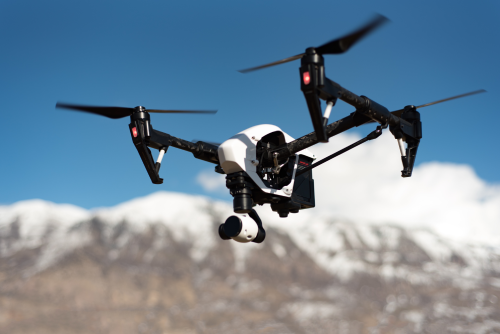
The biggest difference between a beginner drone and a professional drone is not just price. It is how reliably the drone can deliver safe, repeatable results when the stakes are higher, whether that means a paid client shoot, a property survey, or a one-time travel video you cannot afford to lose.
If you are comparing a beginner drone vs professional drone in India, the right choice depends less on marketing labels and more on your actual use case, flying skill, budget, and compliance needs. A smart first purchase can save you money, crashes, and upgrade regret.
Quick Take
- Beginner drones are built to make learning easier: simpler controls, lower cost, lighter risk, and enough image quality for practice and casual content.
- Professional drones are designed for dependable output: better cameras, stronger flight performance, smarter safety features, more stable footage, and deeper workflow options.
- For many buyers, the real choice is not “cheap drone vs expensive drone.” It is “learning tool vs revenue tool.”
- A content creator shooting YouTube, travel, or real estate may not need a large enterprise drone. A compact prosumer model can already be “professional enough.”
- For mapping, inspection, agriculture, thermal imaging, or industrial work, a professional drone usually means specialized hardware and software, not just a better camera.
- In India, always verify the latest DGCA and Digital Sky requirements before you buy or fly. Rules can vary by drone category, location, and type of operation.
What “beginner drone” and “professional drone” actually mean
These labels are often used loosely, so it helps to define them clearly.
Beginner drone
A beginner drone is usually meant for:
- First-time pilots
- Students and hobby users
- Casual photography and video
- Learning basic flying skills safely
- Lower-budget buyers
Typical strengths include:
- Easier setup
- Stable automatic flight modes
- Simple app controls
- Lower replacement cost if you crash
- Smaller, lighter, and less intimidating design
Professional drone
A professional drone is meant for work where output quality and reliability matter more than simply getting airborne.
That can include:
- Wedding and event filming
- Real estate shoots
- Commercial content creation
- Surveying and mapping
- Infrastructure inspection
- Industrial or enterprise jobs
- Agriculture or thermal workflows
Professional does not always mean large. Some compact foldable camera drones are perfectly suitable for professional video work. On the other hand, specialized enterprise drones may be physically bigger, more expensive, and designed for tasks far beyond filming.
Beginner Drone vs Professional Drone: side-by-side comparison
| Factor | Beginner Drone | Professional Drone |
|---|---|---|
| Main purpose | Learning, fun, casual content | Paid work, repeatable results, specialized tasks |
| Price | Lower entry cost | Higher upfront and operating cost |
| Flight performance | Good in calm conditions | Better wind handling and control confidence |
| Camera | Basic to decent quality | Better sensor, dynamic range, color, low light |
| Safety features | Basic return-to-home, some sensors | More advanced obstacle sensing and flight intelligence |
| Reliability | Fine for casual use | Better consistency for demanding work |
| Accessories ecosystem | Limited | Broader support for batteries, chargers, cases, workflows |
| Software features | Simple consumer app features | More advanced control, monitoring, and sometimes mission planning |
| Repair/service importance | Helpful but often overlooked | Critical for uptime and business continuity |
| Best buyer | First-time flyer, student, casual creator | Creator earning from shoots, production team, survey or inspection business |
The key differences that really matter
1. Price is only the beginning
Most buyers start with price, but that is not the smartest place to stop.
A beginner drone may seem affordable because the base kit is cheaper. But even a first-time pilot usually needs:
- Extra batteries
- Spare propellers
- A good memory card
- A carry case
- Possibly ND filters for video
- Prop guards for training, if supported
- A landing pad in dusty environments
A professional drone costs more upfront, but the bigger difference is the full working kit. You may need:
- Multiple batteries for back-to-back shoots
- Fast charging solutions
- Extra storage
- Filters
- Backup props
- Better cases
- Insurance, depending on use
- Paid software or data-processing tools
- Maintenance budget and downtime planning
A professional drone is rarely just a drone purchase. It is part of an operating system.
2. Flight stability and wind handling
This is one of the most noticeable upgrades when you move up the ladder.
Beginner drones are often perfectly fine in calm open spaces. But when wind picks up, especially on terraces, coastal areas, hill stations, or large open grounds, they may struggle more with:
- Position hold
- Smooth movement
- Consistent framing
- Battery efficiency
- Safe return flight
Professional drones or higher-end camera drones usually handle wind better because of stronger motors, better tuning, and improved flight control systems.
For Indian users, this matters in practical conditions:
- Coastal shoots can get windy quickly
- Open farmland can create gusts
- Rooftop take-offs in cities can be turbulent
- Hot weather can affect battery performance and pilot decision-making
If your work depends on getting stable footage on schedule, stronger flight confidence matters a lot.
3. Safety systems and pilot support
Beginner drones often focus on helping new pilots avoid obvious mistakes. Common features may include:
- GPS-assisted hovering
- Automatic take-off and landing
- Return-to-home
- Basic obstacle awareness on some models
- Beginner mode with reduced speed or range
Professional drones usually go further with:
- Better obstacle sensing coverage
- More precise return behavior
- More reliable positioning
- Better control-link stability
- More customizable safety settings
- Stronger situational awareness for the pilot
That said, obstacle avoidance is not magic. It can fail with thin branches, wires, low light, reflective surfaces, or fast sideways movement. Many crashes happen because pilots trust the system more than their own eyes.
A beginner should treat safety features as backup, not as a replacement for training. A professional should do the same, especially around people, buildings, and client locations.
4. Camera quality: the biggest reason many people upgrade
If you are buying for content, the camera is often the real dividing line.
What beginner drones usually offer
Beginner drones can deliver perfectly usable footage for:
- Learning composition
- Social media clips
- Daylight travel videos
- Family events
- Practice edits
But they often have limitations in:
- Low-light performance
- Highlight recovery in bright skies
- Shadow detail
- Color grading flexibility
- Motion quality in complex scenes
What professional drones usually improve
Professional or prosumer drones generally offer better:
- Sensor size
- Dynamic range, meaning how well the camera holds bright and dark detail together
- Bit depth and color information for editing
- Lens quality
- Manual exposure control
- Video profiles designed for grading
- Consistency across changing light
In plain terms: a beginner drone can look good when conditions are easy. A professional drone is better when conditions are difficult or when the footage must stand up to client review, larger screens, or heavier editing.
A practical example
- A student shooting a daylight college fest reel may be happy with a beginner drone.
- A wedding filmmaker shooting sunset entries, low-light venue exteriors, and cinematic reveal shots will feel the limits of a beginner drone much faster.
5. Gimbal quality and motion smoothness
A gimbal is the stabilizing mechanism that keeps the camera level and smooth.
Beginner drones can have decent gimbals, but professional drones tend to produce cleaner motion because the whole system is better balanced:
- Stronger flight control
- Better gimbal stabilization
- Better handling of wind corrections
- More refined stick response
- Smoother braking and acceleration
That matters because “professional look” is often less about extreme sharpness and more about smooth, controlled motion.
If your footage looks jerky during starts, stops, pans, or orbit shots, clients will notice even if the resolution sounds impressive on paper.
6. Reliability and consistency
A beginner drone may work very well most of the time. A professional buyer needs it to work predictably every time.
That difference shows up in:
- GPS lock reliability
- Stable app performance
- Consistent battery behavior
- Better control signal confidence
- More dependable repeated flights during the same job
- Better handling of long shooting days
For hobby flying, an occasional app glitch or short session may be manageable. For commercial work, unreliable behavior means lost time, missed shots, frustrated clients, and sometimes safety issues.
Consistency is what professionals actually pay for.
7. Battery system and real-world endurance
Buyers often focus on advertised flight time. In practice, usable flight time is always lower than the number on the box.
Real-world factors include:
- Wind
- Aggressive flying
- Frequent climbing
- Heat
- Hovering for framing
- Safety reserve for landing
- Battery age over time
Beginner buyers often underestimate how quickly a single battery gets used up. A short learning session, a few retakes, and some cautious hovering can drain it faster than expected.
Professional users think differently. They plan battery cycles around the job:
- How many locations?
- How many retakes?
- How far from charging access?
- How hot is the day?
- Is there enough reserve for an unexpected second pass?
If you are comparing drone classes, ask not “What is the maximum flight time?” Ask “How many reliable working minutes do I get per battery in my type of shoot?”
8. Control range and signal confidence
Long quoted transmission range sounds impressive, but most Indian buyers care more about signal stability than extreme distance.
In cities, signal quality can be affected by:
- Buildings
- Wi-Fi congestion
- Mobile towers
- Interference from other electronics
Professional drones and better compact camera drones often provide stronger control links and more reliable live video feed quality. That helps with framing, safer flying, and overall confidence.
Still, do not buy based on range marketing alone. You should fly only where permitted and always within safe, legal operating practice.
9. Software, workflow, and data handling
This is where professional drones separate themselves sharply from beginner models.
A beginner drone is usually made for capture and convenience. It gives you quick access to photos, videos, and automatic shots.
A professional drone may be part of a larger workflow:
- Flat or log footage for color grading
- Higher-quality file formats
- More metadata
- Better monitoring tools
- Multi-battery operational planning
- Mission planning for repeatable routes
- Survey and mapping integration
- Thermal or multispectral analysis
- RTK support for higher positioning accuracy in some enterprise use cases
If your end goal is not just “nice footage” but “deliverable data” or “repeatable business output,” software matters almost as much as the aircraft.
10. Payloads and specialization
A beginner drone is usually a camera drone, full stop.
A professional drone may be designed to carry or integrate with tools such as:
- Thermal cameras
- Zoom cameras
- Multispectral sensors
- Survey payloads
- Loudspeakers
- Spotlights
- Spraying systems in agricultural categories
This is important because some buyers make a costly mistake: they buy a high-end creator drone, then expect it to become an inspection, mapping, or agriculture platform later.
If your work requires specialized sensing or industrial output, buy for the mission, not for the brand image.
11. Portability vs capability
Beginner drones are often easier to carry, pack, and deploy quickly. That is a real advantage.
For travel creators, students, and hobbyists, a small drone often means:
- You are more likely to carry it
- You practise more often
- Setup is less stressful
- Storage is easier in smaller homes or bags
Professional platforms may offer more capability, but they can also mean:
- More setup time
- Heavier transport cases
- More batteries and accessories
- More attention on location
- More careful pre-flight planning
If your work is fast-moving and solo, a compact professional-capable drone may be a smarter choice than a big enterprise platform.
12. Service, spare parts, and after-sales support in India
This factor is underrated until something goes wrong.
Before buying, ask:
- Are spare propellers easily available?
- Can batteries be sourced locally?
- Is there an authorized repair option in India?
- How long does service usually take?
- Are replacement parts expensive or hard to find?
- Is the model officially supported or sold through uncertain channels?
A great drone with poor support can become a headache after one hard landing. For professionals, downtime is expensive. For beginners, lack of spares can kill motivation.
In India, support quality can vary a lot by brand, seller, and city. Buy with service in mind, not just specs.
Who should buy a beginner drone?
A beginner drone is the right choice if you are:
- Learning to fly for the first time
- Unsure how often you will use it
- Making casual reels, travel clips, or hobby content
- Buying for a student or teen under supervision
- Prioritizing lower risk over maximum image quality
- Testing whether drone content fits your workflow
Good beginner mindset
Buy a drone that helps you build skill without making every mistake painfully expensive.
That usually means prioritizing:
- Stable hovering
- Easy controls
- Good return-to-home
- Affordable spares
- Reasonable camera quality
- Reliable app experience
Who should buy a professional drone?
A professional drone is the better choice if you:
- Earn money from drone work
- Need better low-light or more gradeable footage
- Shoot for clients who expect consistent output
- Need repeatable mapping or inspection workflows
- Fly regularly in mixed conditions
- Need better reliability, support, and accessories
- Cannot afford reshoots due to poor quality or instability
Important reality check
Not every paid creator needs a large professional platform.
If you are a solo wedding shooter, travel filmmaker, or real estate content creator, a high-quality compact camera drone may already meet your needs. You may need professional results, but not necessarily an enterprise aircraft.
How to choose the right class of drone
1. Start with the final output
Ask yourself:
- Am I posting reels, making YouTube videos, or delivering paid commercial work?
- Do I need cinematic footage, accurate survey data, or simple practice flying?
- Will clients inspect the footage closely?
Buy for the deliverable, not the spec sheet.
2. Budget for the full kit, not the base drone
Set aside money for:
- At least one or two extra batteries
- Spare props
- Storage
- Carry protection
- Filters if you shoot video
- Training time
- Possible repairs
A cheap drone with no accessories can be more frustrating than a slightly better one with a proper kit.
3. Be honest about your skill level
If you have never flown before, an expensive professional drone can increase stress and slow your learning.
Many pilots improve faster by learning on a simpler drone first, then upgrading once they understand:
- Orientation
- Wind judgment
- Smooth stick movement
- Landing discipline
- Airspace awareness
4. Check compliance before purchase
Before you buy in India, verify the latest official requirements for:
- Drone category
- Model eligibility
- Registration or identification requirements
- Platform permissions, where applicable
- Pilot training or certification requirements, depending on use
- Airspace restrictions for where you plan to fly
Do not assume a drone sold online is automatically suitable for your intended use.
5. Think about your environment
A drone for occasional park practice is different from one for:
- Coastal shoots
- Mountain travel
- Hot plains
- Dusty construction sites
- Dense urban neighborhoods
Real use conditions should guide your choice.
Safety, legal, and compliance points for buyers in India
Drone rules and implementation details can change, so always confirm the latest official guidance before you fly.
Here are the safe basics:
- Verify the latest DGCA and Digital Sky requirements before buying or operating.
- Check whether your specific drone category and use case need additional approvals, registration steps, training, or platform compliance.
- Fly only in permitted airspace and stay clear of airports, military areas, sensitive government locations, and temporary restriction zones.
- Respect privacy. Do not film people, homes, or private property irresponsibly.
- Do not fly over crowds or moving traffic unless specifically authorized and trained for that type of operation.
- Maintain visual awareness of the drone and avoid risky long-distance flying.
- Do not assume all imported or unofficially sold drones are hassle-free from a compliance or service perspective.
- For business use, consider insurance and written operating procedures, especially if you work around clients, property, or job sites.
If you are buying for commercial work, compliance should be part of your buying decision from day one.
Common mistakes buyers make
Buying the cheapest drone and expecting cinematic results
Entry-level drones are great for learning, but they cannot always deliver the footage quality or reliability people see in polished commercial edits.
Overspending on a professional drone too early
Many first-time buyers purchase far above their current needs. If you do not yet know how often you will fly, a balanced starter model may be smarter.
Ignoring the cost of batteries and accessories
One battery is rarely enough. This is true for beginners and especially true for working professionals.
Focusing only on resolution
A 4K label alone tells you very little. Sensor quality, dynamic range, stability, and color matter more than many buyers realize.
Assuming obstacle avoidance makes you crash-proof
It does not. Wires, branches, side movement, low light, and pilot overconfidence still cause accidents.
Forgetting after-sales support
A drone is not useful if repairs, propellers, or batteries are hard to get in India.
Not checking the legal side before flying
Buying first and figuring out compliance later is risky. Verify the rules early.
FAQ
Can a beginner drone be used professionally?
Sometimes, yes, for simple daylight content and low-risk shoots. But once clients expect consistent quality, better low-light performance, smoother motion, and dependable reliability, a professional or prosumer drone becomes easier to justify.
Does a professional drone automatically mean better footage?
Usually better, but not automatically. The pilot’s skill, lighting, movement, and editing matter a lot. A good pilot can get strong results from a modest drone, while a careless pilot can waste an expensive one.
What matters more: megapixels or sensor size?
For most buyers, sensor size matters more. A better sensor usually improves low-light quality, dynamic range, and overall image flexibility more than a high megapixel number alone.
Is a compact drone enough for paid work?
Very often, yes. Many creators earn from compact drones that offer strong cameras and stable flight. You only need a larger or specialized professional platform if your work demands it.
Should a complete beginner learn on a professional drone?
Usually not. It is possible, but it increases financial risk and anxiety. Many pilots learn faster and more confidently on a simpler, lower-cost drone first.
How many batteries should I buy?
For casual use, at least one extra battery is sensible. For paid work, plan around your shoot day rather than a fixed number. Most professionals need multiple batteries to avoid rushing or cutting corners.
Do I need permission or a license to fly in India?
Requirements depend on the drone category, where you fly, and what kind of operation you are doing. Always verify the latest DGCA and Digital Sky rules before purchase and flight instead of relying on old advice or social media posts.
Is obstacle avoidance essential for a first drone?
It is very helpful, but not essential if you are training carefully in open areas. Good piloting habits matter more. Think of obstacle sensing as assistance, not immunity.
Should I buy based on future-proofing?
Only to a point. It is wise to avoid a drone you will outgrow in a month, but buying too far ahead often wastes money. Buy for the next 12 to 24 months of realistic use.
Final takeaway
If you are deciding between a beginner drone and a professional drone, ask one question first: am I learning to fly, or am I paying for dependable results?
Choose a beginner drone if your goal is skill-building, casual use, and lower-risk entry. Choose a professional drone if your work, income, or deliverables depend on image quality, reliability, workflow, and support. For many Indian buyers, the smartest move is not the cheapest drone or the biggest drone, but the one that matches your real use case and can be operated legally, safely, and consistently.
