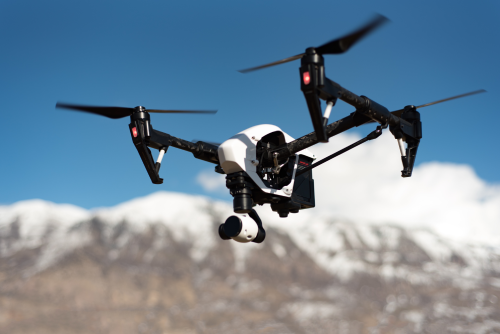
If you are stuck between a camera drone and an FPV drone, you are really choosing between two very different flying experiences. One is built to make aerial photos and smooth video easy; the other is built to make flying feel fast, immersive, and highly manual.
For most first-time buyers in India, a camera drone is the smarter and simpler purchase. But if your real goal is adrenaline, cinematic chase shots, and hands-on flying skill, an FPV drone may be the better long-term fit.
Quick Take
- Buy a camera drone if you want:
- Easy aerial photos and videos
- Safer, more stable flying
- Travel, landscape, real estate, wedding, and social media content
- Better beginner experience
-
Simpler workflow and usually better resale value
-
Buy an FPV drone if you want:
- Immersive flying through goggles
- Fast, dynamic, close-to-the-action shots
- A hobby that includes learning, tuning, repairing, and practicing
-
Racing, freestyle, chase footage, or highly kinetic cinematic shots
-
For most Indian beginners, a camera drone is the better first buy.
- For serious hobbyists and action filmmakers, FPV can be more rewarding, but it comes with a steeper learning curve and more operational complexity.
- Before buying either, verify current DGCA and Digital Sky rules, especially if you plan commercial use, outdoor FPV flying, or custom-built aircraft.
What is a camera drone?
A camera drone is the type most people picture first: a compact aircraft with a built-in camera mounted on a gimbal, which is a motorised stabiliser that keeps the camera level and smooth.
These drones are designed to help you get stable footage without needing advanced flying skill. They usually offer features like:
- GPS positioning
- Hover stability
- Return-to-home
- Obstacle sensing on some models
- Automated flight modes
- Easy app-based controls
In simple terms, a camera drone helps the pilot get good-looking footage with less effort.
This is the better fit for:
- Beginners
- Travellers
- YouTubers
- Real estate creators
- Wedding teams
- Small businesses
- Inspectors and survey teams using compatible workflows
- Anyone who values convenience over speed
What is an FPV drone?
FPV stands for First Person View. Instead of mainly watching the drone from the ground, the pilot sees the live camera feed through goggles or a screen, giving the feeling of sitting inside the aircraft.
FPV drones are built around agility, speed, and control. Many are flown in manual or acro mode, where the drone does not self-level like a camera drone. That means you control its angle, throttle, and movement directly.
FPV drones come in a few broad styles:
- Racing FPV drones for speed and tight courses
- Freestyle FPV drones for tricks and acrobatics
- Cinematic FPV drones for dynamic moving shots
- Cinewhoops, which are smaller, often ducted FPV drones made for tighter spaces and safer close-range filming
An FPV drone is not just a camera choice. It is almost a different hobby.
This is the better fit for:
- Pilots who enjoy learning flight skill
- Action sports creators
- Automotive and bike filmmakers
- Adrenaline-focused hobbyists
- Students who want to understand drone systems deeply
- Filmmakers who already have a standard camera drone and want a second visual style
Camera drone vs FPV drone: the real differences
| Factor | Camera Drone | FPV Drone |
|---|---|---|
| Main purpose | Smooth aerial photos and video | Immersive, dynamic, high-energy flying and footage |
| Beginner friendliness | Much easier | Much harder |
| Flight feel | Stable and assisted | Manual, responsive, and often aggressive |
| Video look | Clean, floating, polished | Fast, low, sweeping, intense |
| Camera stabilisation | Usually built-in gimbal | Often electronic stabilisation, fixed angle camera, or action camera setup |
| Learning curve | Shorter | Longer |
| Crash risk | Lower in normal use | Higher, especially while learning |
| Repair needs | Less frequent, but service can be costly | More frequent, but often repairable part by part |
| Maintenance | Lower day-to-day effort | Higher; props, motors, tuning, batteries, wiring |
| Indoor/tight-space use | Limited for most standard models | Better with small FPV or cinewhoop types |
| Airtime per battery | Usually better for casual shooting | Often shorter, especially in aggressive flying |
| Noise | Usually lower and less harsh | Often louder and more noticeable |
| Total system complexity | Lower | Higher |
| Best for first-time buyers | Yes | Usually no |
| Best for chase/action footage | Limited | Excellent |
The biggest question: what do you actually want to create?
A lot of buyers compare camera drone vs FPV drone as if one is “better.” That is the wrong question. The right question is: what footage, experience, and workload do you want?
Choose a camera drone if your priority is easy, usable results
A camera drone is the right buy if your typical job or hobby sounds like this:
- “I want aerial shots of travel destinations.”
- “I need smooth video for YouTube and Instagram.”
- “I want to shoot resorts, villas, plots, or buildings.”
- “I need top shots, reveals, pans, or slow flyovers.”
- “I want a drone that my team can learn quickly.”
- “I do not want to solder, tune, or keep replacing parts.”
In practice, a camera drone is better for:
Travel and content creation
If you visit Ladakh, Goa, Kerala, Himachal, or Rajasthan and want scenic footage, a camera drone is far more practical. You can launch, hover, frame the shot, and come back with usable clips quickly.
Real estate and property marketing
Builders, brokers, architects, and rental property creators usually need smooth overhead shots, orbit shots, and simple reveal movements. Camera drones are built for exactly this.
Weddings and events
For wide venue shots, outdoor couple portraits, and establishing visuals, camera drones are the standard choice. FPV can add wow moments, but it should usually be a specialist second drone, not your only drone.
Small business marketing
Hotels, cafes, schools, factories, and tourism operators generally need stable, clean visuals. Again, camera drones win here.
Survey-style visual inspection
If your work involves roof checks, site updates, progress monitoring, or simple visual inspection, camera drones are far easier to use safely and consistently.
Choose an FPV drone if your priority is flying experience and motion
An FPV drone is the right buy if your thinking sounds like this:
- “I want to feel the flight, not just record from above.”
- “I love chase sequences and fast passes.”
- “I want to film bikes, cars, sports, or action scenes.”
- “I enjoy building, tuning, and learning technical systems.”
- “I do not mind a steep learning curve.”
- “I am okay with crashing while I learn.”
FPV is better for:
Action sports and vehicle chase shots
Bikes, cars, skateboarding, running, mountain trails, and motorsports benefit hugely from FPV because the drone can fly lower, faster, and more dynamically than a typical camera drone.
Cinematic one-take sequences
Those viral indoor-to-outdoor “single shot” real estate or venue videos are often done with cinewhoop-style FPV drones. These take skill, planning, and safety discipline, but the result is unique.
Freestyle and hobby flying
If the flying itself is your main enjoyment, FPV is in another league. Camera drones feel more like tools; FPV drones feel more like machines you pilot.
Technical learning
Students and hobbyists who want to understand motors, flight controllers, batteries, radio links, video systems, and tuning often find FPV more educational.
The footage is different in ways many buyers underestimate
A camera drone and an FPV drone do not just produce different quality levels. They produce different visual language.
Camera drone footage looks like this
- Stable horizon
- Slow reveal
- High and wide perspective
- Controlled orbits
- Smooth ascents and pull-backs
- Clean, polished movement
This is ideal when the viewer should admire the location, property, or scene.
FPV footage looks like this
- Fast dives
- Low sweeping passes
- Tight turns
- Follow shots
- Dynamic acceleration
- More sense of speed and presence
This is ideal when the viewer should feel motion, energy, and excitement.
If you buy an FPV drone expecting easy travel footage, you may be disappointed. If you buy a camera drone expecting race-like, close-proximity chase shots, you will also be disappointed.
For most Indian first-time buyers, a camera drone is the safer purchase
This is the blunt answer many people need.
If this is your first drone, and you want a reliable tool for content, business, or weekend flying, buy a camera drone first.
Why?
- It is easier to learn
- It is easier to operate consistently
- It is easier to hand to a second person on a team
- It usually has a more predictable app and control ecosystem
- It typically gives you usable footage on day one
- Mainstream brands usually offer better accessories, training content, and resale demand
FPV becomes the right first choice only if you are genuinely excited by the flying process itself and are prepared to invest time in practice before expecting polished results.
There is also a middle option: consumer FPV or cinewhoop-style drones
Not every FPV buyer needs a full DIY freestyle build.
Some buyers want:
- More immersive flying than a normal camera drone
- More protection around props
- Easier setup than a custom FPV rig
- Cinematic indoor and close-range video
That is where consumer FPV models and cinewhoop-style drones come in.
These can be a useful middle ground, but do not assume they remove all the complexity. You still need to think about:
- Pilot skill
- Safe flying space
- Battery handling
- Local legality
- Repair support
- Whether the footage quality meets your client or channel needs
For many creators, this “hybrid” route makes sense only after they understand why they need FPV-style motion.
Total cost of ownership: the hidden difference
Many buyers compare only the box price. That is a mistake.
What you usually buy with a camera drone
- Drone
- Controller
- Extra batteries
- Charging hub or charger
- Memory card
- Carry case
- ND filters for video, if needed
- Spare propellers
- Sometimes a care or service plan, if available
The cost is more straightforward.
What you may end up buying with an FPV drone
- Drone or frame
- Radio controller
- FPV goggles
- Batteries
- Charger
- Spare propellers
- Extra receiver or video system parts
- Action camera or HD camera system, depending on setup
- Tools and battery straps
- Soldering equipment in many cases
- Replacement arms, motors, or electronic components
- Practice time in a simulator
Even if an FPV setup looks affordable at first glance, the full ecosystem can grow quickly.
Ongoing costs also differ
A camera drone may cost more to repair after a major crash through official channels, but you may crash less often.
An FPV drone may be cheaper to fix part by part if you have the skills, but you are far more likely to need frequent spares while learning.
So ask yourself: do you want a tool that mostly works, or a hobby that also demands maintenance?
Repairability, after-sales support, and resale in India
This matters more than YouTube reviews suggest.
Camera drones: better for convenience buyers
In India, mainstream camera drones are usually easier to support through:
- Better dealer networks
- More consistent accessory availability
- More familiar service channels
- Stronger used-market demand
The downside is that camera drones are often more integrated. If you damage a gimbal, arm, or vision system, repair may not be a simple home fix.
FPV drones: better for hands-on users
FPV systems are often modular. That is good because:
- Props can be replaced easily
- Arms, motors, and other parts may be changed individually
- You can upgrade over time
- You learn your machine deeply
But the downside is real:
- Parts availability may vary across Indian sellers
- Imported parts can cause delays
- Not every repair is plug-and-play
- Setup and troubleshooting can frustrate beginners
- Resale depends heavily on build quality and buyer trust
If you want minimum friction, camera drone ecosystems usually win.
If you enjoy fixing and customising, FPV can be more satisfying.
Safety and compliance in India: do not treat this casually
Whether you choose a camera drone or FPV drone, do not assume that if it is sold online, it is automatically ready for lawful outdoor use in India.
Rules, permitted operations, and platform requirements can change. Always verify the latest official guidance from DGCA and Digital Sky before purchase and before flight.
Key points to check before you buy
-
Drone legality for your intended use – Recreational use, commercial use, and custom-built systems may not be treated the same way in practice. – Verify whether your aircraft category, weight, features, and use case fit current Indian requirements.
-
Airspace permissions and local restrictions – Airports, military zones, sensitive government areas, and many urban zones are not casual flying spaces. – Even where flying may be allowed in principle, you still need to confirm current airspace status and operational limits.
-
Visual line of sight – FPV introduces a special issue because the pilot may be flying through goggles rather than directly viewing the aircraft. – Verify current official guidance on visual line of sight, use of observers, and any additional conditions that may apply.
-
Equipment compliance – Custom FPV builds, imported transmitters, radio systems, and video links may raise compliance questions. – Check what the seller is actually providing and whether it is suitable for lawful use in India.
-
Privacy and public safety – Do not fly low over people, weddings, roads, homes, or private property without proper permission and planning. – FPV is especially risky around crowds because speed and momentum are higher.
-
Insurance – If you plan paid work, consider whether insurance is appropriate for your operations and clients. – Coverage requirements and availability can vary, so verify policy details carefully.
The short legal advice
A camera drone is not automatically “legal and easy,” and an FPV drone is not automatically “illegal.” But FPV generally requires more care, more verification, and more discipline from the buyer.
A simple buying framework
If you still cannot decide, use this five-step filter.
1. Define your main output
Pick one primary goal:
- Aerial photos
- Smooth cinematic video
- Real estate or business content
- Racing or freestyle
- Vehicle chases
- Indoor dynamic walkthroughs
If your answer is anything in the first three, start with a camera drone.
2. Rate your tolerance for learning and crashes
Ask honestly:
- Am I happy to spend time training in a simulator?
- Am I okay with repairing the drone?
- Will I enjoy troubleshooting, or hate it?
If you want convenience, choose a camera drone.
3. Think about where you will actually fly
Your ideal flying style may not match your real environment.
- Crowded city living?
- Limited open spaces?
- Mostly travel shoots?
- Mostly sports grounds or controlled sets?
FPV needs more suitable space and stronger safety discipline.
4. Budget for the full kit, not just the aircraft
Make a full list before buying.
If you are surprised by the accessories needed, that is a sign to slow down.
5. Decide whether you want a tool or a hobby
This is the most useful test of all.
- Want a tool? Buy a camera drone.
- Want a hobby with technical depth? Buy FPV.
Common mistakes buyers make
Buying FPV because the footage looks “cool”
The footage is cool. The learning curve is real. Many people love watching FPV but do not actually enjoy the process of becoming an FPV pilot.
Underestimating practice time
A camera drone can produce good footage quickly. FPV usually cannot. For many pilots, simulator time is essential before real flying.
Ignoring total ecosystem cost
A cheap-looking FPV entry point can become expensive once you add goggles, radio, batteries, charger, spares, and repairs.
Forgetting after-sales support
The best drone on paper can become a headache if batteries, props, service, or replacement parts are hard to find in India.
Choosing based only on megapixels or top speed
For buyers, ease of use, reliability, and workflow matter more than headline specs.
Treating compliance as an afterthought
This is especially risky with custom FPV builds and imported gear. Verify first, not after purchase.
Buying one drone to do everything
A camera drone and an FPV drone are complementary, not identical. Professionals often end up using both for different shots.
FAQ
Is a camera drone easier for beginners than an FPV drone?
Yes, by a wide margin. A camera drone usually offers hover stability, GPS assistance, and easier framing. FPV requires much more practice and control skill, especially in manual flight modes.
Which is better for YouTube travel videos in India?
A camera drone is usually better. It is faster to deploy, easier to control, and better suited for scenic, stable footage that most travel creators want.
Can an FPV drone take professional-looking video?
Yes, but it creates a different style of video. FPV is excellent for dynamic motion, chase sequences, and immersive shots. It is not the easiest choice for standard aerial establishing shots.
Are FPV drones legal in India?
Do not rely on blanket yes-or-no answers. The legality depends on the aircraft, equipment, how and where you fly, and current official rules. Verify the latest DGCA and Digital Sky guidance before buying or flying.
What is a cinewhoop, and should a beginner buy one?
A cinewhoop is a small FPV drone, often with prop guards, designed for tighter and safer cinematic flying. It can be a useful entry point for some creators, but it is still not as easy as a standard camera drone.
Which is better for wedding work?
For most wedding teams, a camera drone should be the first drone. FPV can add dramatic venue or indoor one-take shots, but it works best as a specialist second tool in experienced hands.
Which is cheaper to maintain?
A camera drone may have lower routine hassle but expensive service after a serious crash. FPV may be cheaper to fix part by part, but you may spend more over time on props, batteries, and repairs while learning.
Can I use a camera drone for action sports?
You can, but with limits. It can capture wider action scenes and some follow shots, but it usually cannot match the speed, agility, and closeness of an FPV drone safely and convincingly.
Should a student buy FPV or a camera drone?
If the student wants content creation and easy flying, choose a camera drone. If the student wants to learn electronics, piloting skill, repair, and drone systems deeply, FPV may be more rewarding.
Do professionals need both?
Often, yes. A camera drone handles clean commercial aerials. An FPV drone adds dramatic motion and energy. If budget allows only one, most professionals should start with a camera drone and add FPV later if clients truly need it.
Final takeaway
If you can buy only one drone today, and you are still unsure, buy a camera drone. It is the better first purchase for most Indian buyers because it is easier to learn, easier to use for real work, and more likely to deliver footage you can actually use.
Choose an FPV drone only if you specifically want the FPV experience: speed, immersion, manual control, and the willingness to practise, repair, and verify the legal side carefully. If your heart says FPV but your workload says business or travel content, start with a camera drone now and add FPV when you are ready.
