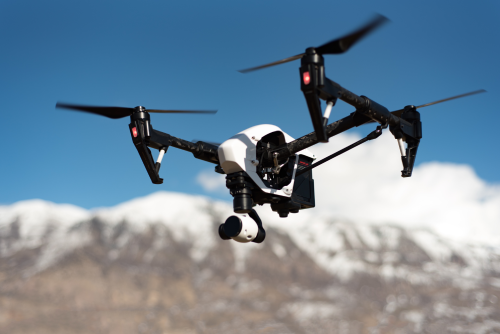
The best drones for family travel are not always the most powerful ones. They are the drones you will actually carry, launch quickly, fly safely, and pack away without turning every stop into a production shoot.
For most Indian buyers, the sweet spot is a compact, easy-to-fly drone with good stabilisation, decent wind handling, and batteries you can realistically travel with. The right choice depends less on headline specs and more on how your family actually travels.
Quick Take
If you want the short answer, start here:
- Best overall for family travel: DJI Mini 4 Pro
- Best mix of portability, safety features, image quality, and ease of use.
- Best value pick: DJI Mini 3
- Great for families who want a real travel drone without paying for every premium feature.
- Best for ultra-casual family clips: DJI Neo
- Very easy to carry and fun for quick holiday moments, but not a substitute for a full camera drone.
- Best lightweight creator pick: DJI Mini 3 Pro
- Still a strong option if you find it at the right price.
- Best for windy destinations and more cinematic travel footage: DJI Air 3
- Bigger, steadier, and more versatile, but less carefree for family trips.
- Best non-DJI alternative: Autel EVO Nano+
- Worth considering if you want a compact alternative, but check support in India carefully.
- Best supervised beginner drone for kids or teens: Ryze Tello
- Fun learning drone, not a serious travel camera.
If you are buying only one drone for family trips, weddings, hill station holidays, beach breaks, and road trips, the safest advice is simple:
- Buy a lightweight travel drone if you want scenic photos and stable video.
- Buy a quick-launch selfie drone if you mostly want fun clips of people.
- Do not assume a smaller drone means you can fly anywhere. In India, always verify the latest DGCA, Digital Sky, local authority, and venue-specific rules before flying.
What makes a drone good for family travel?
A travel drone has a different job from a drone bought for pure cinematography or racing.
When you are travelling with parents, children, luggage, snacks, hotel check-ins, and a tight sightseeing schedule, the best drone is the one that reduces friction.
The most important features for family travel
1. Portability
If the drone is too bulky, you will leave it in the hotel room.
Look for:
- Foldable design
- Small batteries and charger
- Compact controller
- Easy bag fit alongside regular travel gear
For most families, compact drones are far more practical than larger camera drones.
2. Fast setup
A family travel drone should be ready in a minute or two, not after a long ritual of unpacking, calibrating, and app troubleshooting.
This matters more than buyers expect. If your family has already started walking toward the next viewpoint, you may miss the moment.
3. Good stabilisation
Stabilisation is what keeps footage smooth. On travel trips, you are often shooting in:
- windy hill stations
- coastal areas
- open viewpoints
- moving light conditions in the morning and evening
A drone with better stabilisation and better wind resistance will give you far more usable footage.
4. Safer flying assistance
Obstacle sensing, return-to-home, subject tracking, and stable hover are especially useful for beginners.
These do not make a drone foolproof, but they reduce mistakes.
For family travel, this matters because you are often flying in unfamiliar locations, not your regular practice ground.
5. Quiet, non-intimidating flying
A giant loud drone attracts attention fast. That can make family travel awkward, especially in:
- resorts
- beaches
- heritage towns
- scenic cafés
- homestays
- less crowded village areas
Smaller drones are usually less obtrusive.
6. Easy sharing
If you mostly post to Instagram, YouTube Shorts, or WhatsApp family groups, features like vertical shooting and simple file transfer are genuinely useful.
A technically better drone is not always the better travel drone if the footage sits on the memory card for months.
Best drones for family travel at a glance
| Drone | Best for | Why it works | Watch-outs |
|---|---|---|---|
| DJI Mini 4 Pro | Most families who want one do-it-all travel drone | Light, capable, strong safety features, great video tools | Costly, still needs careful flying |
| DJI Mini 3 | Value buyers | Very travel-friendly, good quality, easy to live with | Fewer advanced safety features |
| DJI Neo | Casual family clips and first-timers | Tiny, quick launch, less intimidating, fun around trips | Limited in wind and overall image quality versus a full drone |
| DJI Mini 3 Pro | Travel creators who want a lighter premium option | Compact with stronger flight intelligence than basic models | Older model, only buy if pricing makes sense |
| DJI Air 3 | Windier trips, creators, more serious travellers | Better stability, more flexibility, dual-camera usefulness | Bigger, heavier, more expensive |
| Autel EVO Nano+ | Buyers wanting a compact alternative | Lightweight and travel-friendly | Service, parts, and ecosystem may be harder to manage in India |
| Ryze Tello | Kids learning under adult supervision | Affordable and simple | Not suitable as your main holiday camera drone |
Our top picks for family travel
DJI Mini 4 Pro
Best overall for family travel
If you want one recommendation for most families, this is it.
The Mini 4 Pro sits in the sweet spot between portability and confidence. It is small enough to carry on almost any trip but advanced enough that beginners can get useful footage without a steep learning curve.
Why it suits family travel:
- very compact for luggage-friendly travel
- stronger obstacle sensing than entry-level drones
- good automated flight options
- vertical-friendly content creation
- excellent for both scenery and family activity clips
It works especially well for:
- Kashmir, Himachal, Sikkim, Uttarakhand, and Northeast travel where scenery matters
- beach holidays where you want sweeping reveals
- road trips where you only stop briefly at viewpoints
- family creators who want both photos and video
Watch-outs:
- It is expensive enough that you will feel every flying mistake.
- Obstacle sensing helps, but thin branches, wires, and complex environments still demand caution.
- If you mostly want quick clips of people, it may be more drone than you need.
Buy this if: you want the best balance of portability, video quality, and beginner-friendly safety.
DJI Mini 3
Best value for most buyers
The Mini 3 remains one of the smartest travel-drone buys because it focuses on what many families actually need: a light drone, solid footage, good battery life, and easy packing.
It is a good choice if you want scenic travel footage but do not need every advanced feature.
Why it suits family travel:
- lightweight and easy to carry all day
- simpler buying decision than premium models
- good image quality for holiday videos and social media
- usually easier to justify for occasional users
It works well for:
- first-time drone buyers
- couples and small families on occasional holidays
- travellers upgrading from a toy drone or action camera-only workflow
- buyers who want a compact drone but want to control spending
Watch-outs:
- This is where beginner overconfidence becomes dangerous.
- With fewer advanced sensing features than higher models, you need to fly in open spaces and avoid cluttered environments.
- It is best for careful flying, not squeezing between trees or near structures.
Buy this if: you want a real travel drone at a sensible value point.
DJI Neo
Best for quick family moments and ultra-light travel
The Neo is not a replacement for a full camera drone, but it solves a very real travel problem: sometimes you want ten seconds of fun family footage without unpacking a full drone kit.
That makes it a strong companion for casual travellers, especially those who find traditional drones intimidating.
Why it suits family travel:
- tiny and easy to throw in a day bag
- quick launch workflow
- less intimidating around family members who are nervous about drones
- useful for short clips, walking shots, and casual holiday memories
It works well for:
- picnics
- resort lawns
- open viewpoints
- short family introductions and selfie-style clips
- travellers who want a drone that feels more like a flying camera than a flying project
Watch-outs:
- Wind is a bigger issue.
- It is not the best choice for dramatic landscapes or polished cinematic footage.
- You still need safe space and good judgment, even if it looks simple.
Buy this if: convenience matters more than maximum image quality.
DJI Mini 3 Pro
Best if you find a good deal
The Mini 3 Pro still makes sense for family travel if you find it priced well against the Mini 4 Pro. It gives you a lightweight format with better intelligence and safety than basic models.
This is a smart buy for people who want a premium mini drone but are happy buying an older generation.
Why it suits family travel:
- compact and easy to pack
- more confidence-inspiring than very basic mini drones
- good for social-first travel content
- still strong enough for scenic and family use
Watch-outs:
- If the price is too close to the Mini 4 Pro, the newer model is usually the smarter long-term purchase.
- As with any older model, battery condition, warranty, and repair support matter more.
Buy this if: the pricing is attractive and you want premium mini-drone features without jumping to a larger drone.
DJI Air 3
Best for serious travellers and windy locations
If your family trips often involve open landscapes, coastal roads, or mountain valleys, the Air 3 class starts to make sense.
It is not as carefree to pack as a Mini-series drone, but it gives you better wind handling and more creative flexibility. The dual-camera approach is useful because it lets you frame people and scenery better without always flying physically closer.
Why it suits family travel:
- stronger stability in tougher outdoor conditions
- more versatile framing
- better for scenic destination coverage
- useful for travellers who already know they will edit their footage seriously
It works well for:
- Ladakh-type open landscapes
- coastal drives
- desert trips
- long scenic holidays where drone footage is a major priority
Watch-outs:
- Bigger drones get noticed faster.
- Heavier drones can bring more compliance and practical travel considerations.
- This is less ideal for the “just pull it out for two minutes” style of family travel.
Buy this if: your travel footage is a priority, not just a bonus.
Autel EVO Nano+
Best compact alternative to the usual mainstream picks
If you want a small travel drone outside the most common ecosystem, the Nano+ is worth a look. On paper and in use, it fits the travel brief well: compact, capable, and easier to carry than larger drones.
Why it suits family travel:
- light and packable
- suitable for travellers who want a compact camera drone
- good fit for scenic trips and vacation shooting
Watch-outs for Indian buyers:
- local service access can matter more than spec sheets
- verify battery availability, propeller availability, repair channels, and warranty before purchase
- resale and accessory availability may be less straightforward
Buy this if: you want a compact alternative and can confirm proper support before buying.
Ryze Tello
Best supervised starter drone for kids and teens
This is not the best drone for family travel footage. It is the best travel-friendly learning drone if your goal is fun and basic flying practice.
For families with curious kids or students, it can be a nice add-on for safe, supervised play in calm, open spaces.
Why it suits family travel:
- affordable entry point
- small and simple
- useful for learning controls
- beginner-friendly for indoor or very calm outdoor practice
Watch-outs:
- camera quality is basic
- outdoor wind performance is weak
- not the drone to depend on for your main trip memories
Buy this if: you want an educational, low-stakes drone for supervised beginner use.
How to choose the right travel drone for your family
Before buying, answer these five questions.
1. Do you want scenic footage or people-first footage?
- Scenery-first: Buy a proper camera drone like a Mini-series model.
- People-first, social clips, easy selfies: A Neo-style quick-launch drone may suit you better.
2. Will you really practice before the trip?
If the answer is no, prioritise:
- stable hover
- simple controls
- strong safety features
- forgiving handling
A family holiday is a bad place for your very first takeoff.
3. How often do you travel?
- Once or twice a year: value matters more than top-end specs
- Frequent traveller or content creator: invest in better reliability, safety, and batteries
4. Are spare parts easy to get in India?
This is a big one.
Before buying, check:
- genuine batteries
- spare props
- charger availability
- controller support
- repair and warranty options
- whether the seller gives a proper invoice
For travel drones, after-sales support is often more important than one extra camera feature.
5. What kind of destinations do you visit?
- Hill stations: better wind handling helps
- Beaches: salty air, wind, and crowds make flying harder
- heritage cities: restrictions are common
- resorts: ask first, do not assume permission
- wildlife areas: usually a bad idea unless explicitly authorised
India-specific safety, legal, and compliance checks
Drone travel in India is not just about the drone. It is about where you are flying, why you are flying, and what the current rules say.
Because regulations and implementation can change, verify the latest official guidance before every trip.
What Indian travellers should check
- current DGCA rules for your drone category
- whether your drone’s use case triggers registration or pilot requirements
- Digital Sky guidance for the area
- local no-fly or restricted areas
- permissions required by local police, district administration, forest authorities, venue owners, or event organisers
- monument, temple, palace, fort, and heritage-site restrictions
- airport proximity and controlled airspace
Practical travel rule of thumb
Do not fly just because the location looks empty in person.
Many beautiful places are still sensitive because of:
- airports nearby
- military zones
- border areas
- wildlife rules
- crowd risk
- privacy concerns
Family-travel safety basics
- Never launch near children who may run toward the drone.
- Keep takeoff and landing areas clear.
- Avoid flying over people, traffic, rooftops, pools, or gatherings.
- Stay well clear of power lines, cables, flags, poles, and tree branches.
- Do not rely blindly on follow modes or automatic tracking.
- Skip flying in strong wind, rain, sea spray, or low visibility.
- Ask before filming other families or private property.
Airline and train travel with batteries
For flights, lithium batteries are the main concern.
In general, travellers should:
- check their airline’s latest battery policy before departure
- protect battery terminals
- carry batteries safely packed
- avoid damaged or swollen batteries
- confirm cabin versus check-in rules directly with the airline
Do not rely on old screenshots or advice from social media posts.
Common mistakes families make when buying a travel drone
1. Buying a drone that is too big
A larger drone may be technically better, but if it stays at home, it is the wrong drone.
2. Ignoring service and spare parts
A damaged propeller on day two of a trip can end your flying if you did not pack spares.
3. Flying for the first time on holiday
Practice in an open area near home first. Learn takeoff, landing, return-to-home, and emergency behaviour before travelling.
4. Assuming sub-250 g means “no rules”
Lighter drones are easier to carry, but not automatically free from restrictions.
5. Trying to fly in crowds
This is one of the fastest ways to create a safety problem and ruin the trip.
6. Overusing follow modes
Automated modes are helpful, but travel locations often include trees, wires, uneven terrain, and unpredictable people.
7. Forgetting weather and wind
Family trips often happen in scenic places, and scenic places are often windy.
8. Spending everything on the drone and nothing on essentials
A better buying split is often:
- one good drone
- at least one extra battery
- spare propellers
- safe carry case
- memory card from a reliable brand
FAQ
Is a sub-250 g drone the best choice for family travel?
For many people, yes. It is easier to carry, usually less intimidating, and more realistic for holidays. But size alone should not decide the purchase. You still need stable flight, good camera quality, and current legal compliance.
Which is better for beginners: a selfie drone or a camera drone?
If you want quick clips of people and easy use, a selfie-style drone like the Neo type is simpler. If you want proper scenic photos and stable travel video, a camera drone like the Mini series is the better long-term buy.
Can I carry a drone on Indian domestic flights?
Usually, the battery rules matter most. Airlines may have different policies on lithium batteries, carry-on limits, and packaging. Always check your airline’s latest rules before the trip and pack batteries safely.
Do I need permission to fly at tourist places in India?
Often, yes, or the place may simply not allow drone flying at all. Heritage sites, wildlife areas, busy beaches, city landmarks, and areas near airports can all have restrictions. Verify the latest official and local rules before flying.
Is obstacle avoidance necessary for family travel?
Not strictly necessary, but very useful for beginners. It adds confidence in unfamiliar environments. Still, it is a backup feature, not permission to fly close to trees, buildings, or people.
How many batteries should I carry for a weekend trip?
For most family travellers, one battery is rarely enough. Two or three total batteries usually makes the experience more practical, especially if you are doing a road trip or staying where charging is inconvenient.
Are drones safe around children?
They can be, but only with strict supervision and clear boundaries. Never let children crowd the takeoff area or run underneath the drone. Small drones can still cause injuries.
Should I buy a drone or just use my phone and an action camera?
If your goal is family memories with minimal hassle, a phone and action camera may be enough. Buy a drone when you specifically want aerial perspective, scenic travel shots, and location storytelling that other cameras cannot provide.
What is the best travel drone for Indian hill stations and beaches?
For most people, a Mini-series travel drone is the safest starting point. If your trips regularly involve stronger winds and you are serious about footage, an Air-series drone may be worth the extra size and cost.
Final takeaway
For most families, the smartest buy is not the biggest or most expensive drone. It is the one that fits your luggage, your skill level, your destinations, and your patience.
If you want the safest all-round answer, choose the DJI Mini 4 Pro. If you want the best balance of value and real travel usefulness, choose the DJI Mini 3. If you want something tiny and fun for fast holiday clips, choose the DJI Neo. Before you pay, confirm two things in India: current flight compliance and real after-sales support. Those two checks matter just as much as the drone itself.
