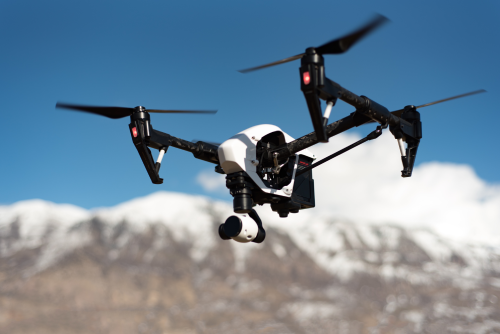
The best FPV drones under ₹50,000 are not the same for every buyer. In India, this budget can either get you a complete beginner FPV kit with goggles and transmitter, or a much better drone if you already own FPV gear and only need the quad.
Quick Take
- If you are completely new to FPV, the safest buys under ₹50,000 are beginner kits like the BETAFPV Cetus X, BETAFPV Cetus Pro, or EMAX Tinyhawk III.
- If you already have a compatible radio and goggles, drone-only options like the Happymodel Mobula7, BETAFPV Meteor85, or DarwinFPV Baby Ape II usually offer better flying performance for the money.
- For India, spare parts, battery availability, repairability, and local seller support matter almost as much as the drone itself.
- Under this budget, analog FPV still makes the most sense for beginners. Digital FPV looks better, but the total system cost often jumps quickly.
- If your real goal is social media content and not acro flying, buy carefully. Many “easy FPV” products are very different from a traditional freestyle FPV drone.
- Keep part of your budget aside for extra batteries, propellers, a charger, and ideally simulator practice before your first real flight.
What “under ₹50,000” really buys in FPV
FPV means “first-person view” flying, where you see the drone’s camera feed through goggles. It is thrilling, but it is also very different from flying a GPS camera drone.
At this budget, Indian buyers usually fall into one of these three groups:
1. You want a full beginner kit
This is the easiest path.
A full kit usually includes:
- The drone
- FPV goggles
- A radio transmitter
- At least one battery
- A basic charger
This is the best route for first-time pilots because everything is intended to work together.
2. You already own goggles and a radio
In this case, ₹50,000 goes much further.
You can buy a better Bind-and-Fly drone, often called BNF. BNF means the drone is mostly ready, but you still need your own compatible controller and video system.
3. You want “cinematic FPV” like Instagram reels
This is where many buyers get confused.
A true FPV freestyle drone, a cinewhoop, and a beginner-friendly motion-control system are not the same thing. Under ₹50,000, most traditional FPV setups will focus on learning, fun, and freestyle basics rather than polished cinema-grade footage.
The biggest budget decision: analog or digital
Before you look at models, decide this first.
Analog FPV
Analog is still the value king in this price range.
Pros:
- Cheaper to buy
- Lower total system cost
- More options under ₹50,000
- Great for learning and practice
- Easier to repair on a budget
Cons:
- Lower video quality in the goggles
- Less impressive looking feed for new buyers
Digital FPV
Digital gives a cleaner image, but it usually strains this budget.
Pros:
- Clearer live feed
- More confidence for some pilots
Cons:
- Higher cost for goggles and onboard system
- Fewer complete setups under ₹50,000
- Repairs are costlier
For most Indian beginners shopping below ₹50,000, analog remains the smarter first purchase.
Best FPV drones under ₹50,000 in India
Street prices can vary a lot based on seller, import duty, battery bundle, and whether the listing includes a receiver or goggles. Use the shortlist below as a practical buying guide, not a live price sheet.
| Model or setup | Complete kit? | Best for | Budget fit | Main trade-off |
|---|---|---|---|---|
| BETAFPV Cetus Pro FPV Kit | Yes | First-time indoor learning | Lower to mid | You may outgrow it quickly outdoors |
| BETAFPV Cetus X FPV Kit | Yes | Best beginner all-rounder | Mid | Still a starter-grade video and radio package |
| EMAX Tinyhawk III RTF Kit | Yes | Durable learning and backyard practice | Mid | Accessories are usable, but not premium |
| GEPRC TinyGO Kit | Yes | Beginners who want a slightly more “real FPV” feel | Mid to upper | Parts support can vary by seller |
| Happymodel Mobula6 / Mobula7 | No | Best value if you already have gear | Strong value | Not a complete beginner package |
| BETAFPV Meteor85 | No | Outdoor micro freestyle with lower risk | Strong value | Better outdoors than indoors |
| DarwinFPV Baby Ape II | No | Cheap open-prop freestyle learning | Strong value | Less forgiving and more repair-heavy |
1. BETAFPV Cetus Pro FPV Kit
If you are buying your first FPV drone and want the least intimidating entry point, the Cetus Pro kit is still one of the easiest places to start.
Why it makes the list
- It is beginner-friendly
- It is compact and less stressful to fly in small spaces
- It usually comes as a proper starter bundle
- It is easier to manage than a fast open-prop quad
Best for
- Absolute beginners
- Students living in hostels or apartments
- Indoor practice
- Buyers who want a simple first setup rather than a hobby project
What to know before buying
- It is more of a trainer than a long-term freestyle machine
- Outdoor performance is limited, especially in wind
- You may want a stronger second drone once your confidence grows
Buy this if
You want the easiest first step into FPV, and you care more about learning safely than going fast.
2. BETAFPV Cetus X FPV Kit
For many new pilots, the Cetus X is the sweet spot. It feels closer to “real FPV” than the gentler beginner kits, but it is still accessible.
Why it makes the list
- Better punch and control than very basic whoops
- Good balance between beginner friendliness and actual progression
- Works for indoor practice and light outdoor sessions
- Usually one of the strongest all-in-one kit choices below this budget
Best for
- First-time pilots who know they want to stick with FPV
- Beginners who want to learn acro eventually
- Buyers who want one setup to grow with for a while
What to know before buying
- Like most kits, the included goggles and radio are functional, not “forever gear”
- Wind can still push it around outdoors
- Spare batteries matter a lot for a better learning experience
Buy this if
You want one of the best FPV drones under ₹50,000 as a complete starter system, not just a toy-grade taste of FPV.
3. EMAX Tinyhawk III RTF Kit
The Tinyhawk line has long been popular because it feels durable, well-known, and supported by a large FPV community.
Why it makes the list
- Strong reputation as a beginner trainer
- Good community support for setup and troubleshooting
- Durable enough for the kind of crashes beginners actually have
- Feels like a serious hobby product rather than a novelty kit
Best for
- Beginners who want a dependable training drone
- Pilots who expect a lot of crashes while learning
- Buyers who value parts availability and community knowledge
What to know before buying
- Some bundles include very basic goggles and transmitter gear
- It still belongs to the micro-trainer category, not full freestyle performance
- Always check which exact bundle and receiver version you are getting
Buy this if
You want a known FPV starter platform with a strong global reputation and lots of learning resources.
4. GEPRC TinyGO Kit
If you want a beginner kit that feels a little closer to “proper FPV handling,” the TinyGO is worth considering, especially when sold by a seller who also stocks spare parts.
Why it makes the list
- More hobby-grade feel than some entry kits
- Good stepping stone from basic learning to outdoor FPV confidence
- Suitable for buyers who want a compact setup but not something overly gentle
Best for
- Beginners who plan to fly mostly in open areas
- Buyers who want a ready-to-fly bundle without going straight into a full DIY ecosystem
- Pilots who want more excitement than ultra-soft indoor whoops
What to know before buying
- Seller support matters a lot here
- Check exactly what is included in the bundle
- Verify battery type, charger support, and replacement prop availability before purchase
Buy this if
You want a ready-made FPV kit, but you want a more committed hobby feel than the most basic trainer packages.
5. Happymodel Mobula6 or Mobula7
These are not complete kits, but they are among the best-value FPV quads if you already own a compatible radio and goggles.
Mobula6 is the better fit for tight indoor flying. Mobula7 is the better all-rounder for light outdoor use.
Why they make the list
- Excellent value for experienced buyers
- Lightweight and relatively low-risk compared with bigger quads
- Huge popularity in the FPV community
- Great for skill-building, especially throttle control and precision
Best for
- Buyers who already own FPV gear
- Apartment and indoor pilots
- Pilots who want frequent low-cost practice
What to know before buying
- This is not the easiest path for someone starting from zero
- You must confirm radio protocol and video system compatibility
- Tiny quads need calm conditions outdoors
Buy this if
You already have goggles and a transmitter, and you want maximum flying value instead of paying again for entry-level accessories.
6. BETAFPV Meteor85
The Meteor85 is a very practical choice for pilots who want a small ducted quad with better outdoor confidence than the smallest indoor whoops.
Why it makes the list
- Better outdoor capability than very tiny whoops
- Safer-feeling format than open-prop freestyle quads
- Good for parks, compounds, and controlled private spaces
- Strong option for pilots progressing from indoor to outdoor flight
Best for
- Beginners moving beyond indoor practice
- Pilots who want a micro freestyle feel with lower crash stress
- Buyers who already have gear and want a compact second drone
What to know before buying
- It is not as calm indoors as a very small whoop
- Ducted designs trade some efficiency for protection
- Check parts availability locally, especially props, motors, and canopy parts
Buy this if
You want a small FPV quad that can handle outdoor practice more confidently without jumping straight to a fragile open-prop build.
7. DarwinFPV Baby Ape II
If you already have FPV gear and want a cheap route into open-prop freestyle, the Baby Ape II is one of the most talked-about budget options.
Why it makes the list
- Serious performance per rupee
- Feels much closer to “real freestyle FPV” than a gentle whoop
- Good for open areas and acro progression
- Attractive to hobbyists who do not mind repairs and setup work
Best for
- Buyers who already understand FPV basics
- Pilots with access to open flying space
- Hobbyists comfortable with repairs, tuning, and replacing parts
What to know before buying
- Open props mean more risk and less forgiveness
- It is not the ideal first drone for tight urban spaces
- Cheap freestyle quads save money upfront, but repair cost and downtime can add up
Buy this if
You want the closest thing to budget freestyle performance under ₹50,000, and you are okay with learning the maintenance side of FPV.
Which FPV drone should you actually buy?
Here is the simplest way to choose.
Buy a complete kit if you are starting from zero
Best choices:
- BETAFPV Cetus X FPV Kit
- EMAX Tinyhawk III RTF Kit
- BETAFPV Cetus Pro FPV Kit
Choose this path if:
- You have never flown FPV before
- You do not own goggles or a radio
- You want the least setup headache
Buy a drone-only micro if you already have FPV gear
Best choices:
- Happymodel Mobula7
- BETAFPV Meteor85
- Happymodel Mobula6
Choose this path if:
- You already have a compatible controller and goggles
- You want better value from your budget
- You want lots of practice with lower repair cost
Buy a budget freestyle quad only if you want acro and can handle repairs
Best choice:
- DarwinFPV Baby Ape II
Choose this path if:
- You want real freestyle handling
- You have access to a safe open space
- You can manage setup, tuning, and crash repairs
The smartest way to spend ₹50,000
A lot of bad FPV purchases happen because the whole budget goes into the drone.
A smarter split is this:
- Decide whether you need a full kit or only the drone.
- Reserve money for at least a few extra batteries.
- Keep spare propellers ready from day one.
- Make sure you have a proper charger that matches your battery type.
- Spend some time in a simulator before aggressive real-world flying.
- If possible, buy from a seller who also stocks parts.
That last point matters a lot in India. Waiting weeks for a tiny replacement part can kill your momentum.
India-specific buying advice
For Indian buyers, these details matter more than many YouTube reviews admit.
Spare parts support is critical
A cheap FPV drone is only a good deal if you can keep it flying.
Before buying, check whether you can easily get:
- Props
- Motors
- Frames or ducts
- Canopies
- Flight controller replacements
- Batteries that match the drone
Imported bundles can look cheaper than they really are
Final cost may change because of:
- Import duty
- Shipping charges
- Battery shipping restrictions
- Warranty limitations
- Delay in replacement parts
Weather matters
Many micro FPV drones fly well in calm air, but Indian conditions can be harsh.
Watch for:
- Rooftop wind in cities
- Hot afternoon battery performance
- Dust in open grounds
- Humidity and moisture during monsoon periods
A drone that feels great in an overseas review may struggle in a windy Indian evening.
Prefer common protocols
If you are not buying a full kit, be very careful with compatibility.
Two common areas of confusion are:
- Radio protocol, such as ELRS or older options
- Video system, such as analog or digital
If these do not match your current gear, your “budget” purchase can become expensive very quickly.
Safety and legal checks for FPV flying in India
FPV is fun, but it has extra responsibility because you are often flying through goggles and not looking directly at the aircraft.
A few practical rules:
- Start indoors or in a fully controlled private space
- Do not fly near roads, crowds, schools, events, or sensitive locations
- Avoid airports and any restricted or no-fly areas
- Respect privacy and do not hover near homes or balconies
- Use a spotter when flying FPV outdoors wherever appropriate
- Keep your first outdoor sessions in large open areas only
For Indian compliance, do not assume that a small FPV quad automatically fits every use case without restrictions. Rules can depend on weight, airspace, location, purpose, and the latest DGCA and Digital Sky guidance. Traditional hobby FPV and DIY-style drones may not fit the same straightforward compliance path as mainstream camera drones, so verify the latest official requirements before outdoor operations, commercial work, or any flight in sensitive airspace.
If you plan to shoot paid content, fly for a client, or operate in public-facing environments, double-check the current rules before buying.
Common mistakes buyers make
1. Buying a fast freestyle quad as the first FPV drone
This is the most expensive shortcut.
A beginner with no simulator time and no repair skills usually learns faster on a micro trainer than on a larger open-prop quad.
2. Ignoring the total system cost
A drone-only deal can look cheap until you add:
- Radio transmitter
- Goggles
- Batteries
- Charger
- Receiver compatibility fixes
- Spare parts
3. Choosing digital on a tight budget without a plan
Digital is tempting, but below ₹50,000 it often leads to compromise everywhere else.
If your goal is to learn well, a good analog setup is often the better first buy.
4. Not checking parts and battery availability in India
If your local or preferred seller does not stock parts, a minor crash can ground the drone for a long time.
5. Flying tiny whoops outdoors in too much wind
Many beginners think the drone is defective when the real issue is weather.
6. Skipping simulator practice
Even a few hours in a simulator can save props, motors, and money.
FAQ
Is there a genuinely good FPV drone under ₹50,000 for beginners?
Yes. The strongest beginner choices are usually full kits such as the BETAFPV Cetus X, BETAFPV Cetus Pro, and EMAX Tinyhawk III. They are not pro-level systems, but they are practical and learnable.
What is better for a first-time buyer: kit or drone-only?
If you do not already own goggles and a controller, buy a kit. Drone-only is better value only when you already have compatible FPV gear.
Is analog FPV still worth buying in 2026?
Yes, especially under ₹50,000. Analog still offers the best value for learning, repairing, and building flight hours without overspending.
Can I buy a 5-inch FPV freestyle drone under ₹50,000?
You may find the quad itself near that budget, but a complete 5-inch setup with goggles, radio, batteries, charger, and spares usually stretches the budget and raises safety and repair complexity. It is rarely the best first buy.
Which is better for indoor use: Mobula6 or Cetus Pro?
If you already have FPV gear, Mobula6 is a great indoor practice quad. If you are starting from zero and want a full package, the Cetus Pro is the easier path.
Which is better for learning acro: Cetus X or Cetus Pro?
The Cetus X is usually the better long-term learning choice if you want to move toward acro and light outdoor flying. The Cetus Pro is simpler and gentler for absolute first steps.
What extra items should I budget for besides the drone?
At minimum, plan for:
- Extra batteries
- Spare propellers
- A charger
- Basic repair tools
- Simulator time
These make a bigger difference than most buyers expect.
Are FPV drones legal in India?
The answer depends on the drone, where you fly, the airspace, and what the latest official rules say. Always verify current DGCA and Digital Sky guidance before outdoor or commercial use. Do not rely on old forum posts or assumptions.
Should creators buy an FPV kit or an easy camera drone with FPV-style control?
If your priority is learning real FPV flight, buy a proper FPV setup. If your priority is easy social media footage with minimal learning, a camera-focused system may suit you better. They are different tools.
How many batteries do I need for comfortable practice?
For most beginners, one battery is never enough. Aim for enough batteries to get a useful practice session in without constant waiting. Exact battery count depends on the drone and your charger setup.
Final takeaway
If you are new to FPV and want the safest, smartest buy under this budget, start with the BETAFPV Cetus X or EMAX Tinyhawk III. If you already own goggles and a radio, the best value usually shifts to a Mobula7, Meteor85, or Baby Ape II depending on whether you want indoor practice, outdoor micro flying, or budget freestyle. The best FPV drone under ₹50,000 is the one you can actually fly often, repair easily, and grow with in Indian conditions.
