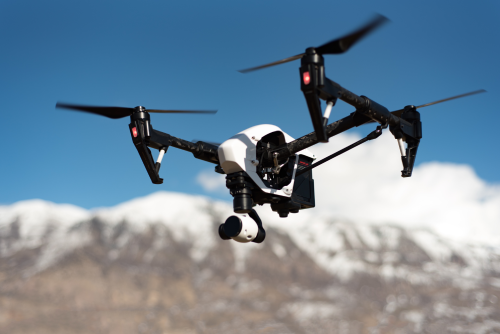
If you are searching for the best FPV drones under ₹20,000, the biggest thing to know is this: in India, this budget is great for learning FPV, but not for buying a premium cinematic setup. The smart buys here are beginner-friendly tinywhoop kits, analog micro quads, and a few outdoor freestyle options if you already own goggles and a radio.
Quick Take
- Under ₹20,000, the best FPV choices are usually small analog FPV drones, not HD cinematic rigs.
- If you want a complete beginner package, a BetaFPV Cetus-series kit is the easiest way in.
- If you already own FPV goggles and a controller, a Happymodel Mobula6 or Mobula7-class quad gives better real-world flying value.
- If you want outdoor freestyle and can handle repairs, a DarwinFPV Baby Ape-class quad is the most exciting option in this budget.
- Avoid Wi-Fi camera drones sold as “FPV” if the live view is only on a phone app. They usually have too much delay for proper FPV flying.
- In India, spare parts, battery availability, and local seller support matter more than flashy marketing.
What “under ₹20,000” really gets you in FPV
FPV means first-person view. You fly while watching a live feed from the drone’s camera through goggles or a screen. For true FPV, low latency matters. Latency is the delay between what the drone does and what you see.
At this budget, you are usually choosing between three types of products:
1. Ready-to-fly beginner kits
These come with the drone, goggles, controller, batteries, and a charger. They are the simplest choice for first-time buyers.
Best for: – Absolute beginners – Students – Indoor practice – Buyers who do not want to deal with compatibility issues
Downside: – The included goggles and controller are often basic – You may outgrow the kit faster than expected
2. Quad-only micro FPV drones
These are the better choice if you already own an FPV radio and goggles. In FPV stores, these may be sold as bind-and-fly or quad-only models.
Best for: – Hobbyists upgrading from a kit – Buyers who already have gear – People who want better flying performance for the money
Downside: – The total cost goes up fast if you still need goggles, radio, batteries, and a charger
3. Budget outdoor freestyle quads
These are open-prop quads meant for outdoor flying in larger spaces. They are much more fun than tiny indoor trainers, but also less forgiving.
Best for: – Learners who already understand the basics – Pilots who want flips, dives, and freestyle practice – Buyers who can repair props, motors, and frames
Downside: – Not safe for indoor flying – More crash damage – Not the best first FPV drone for most people
Analog vs digital in this budget
This is the key buying reality.
Under ₹20,000, a true digital FPV setup is usually unrealistic as a complete new purchase. Most worthwhile options in this range use analog video.
Analog FPV: – Lower image quality – Usually lower cost – Lower latency – Better fit for tight budgets
Digital FPV: – Clearer picture – More expensive – Usually outside this budget once you include goggles and the air unit
For learning, analog is still absolutely fine. In fact, many good pilots started on cheap analog tinywhoops.
The best FPV drones under ₹20,000
Prices and bundle contents change quickly in India, so think of the list below as the most sensible options in this budget range rather than fixed-price promises. For quad-only drones, they only fit this budget if you already have compatible FPV gear.
| Model | Best for | Fits this budget as | Why it stands out | Main caution |
|---|---|---|---|---|
| BetaFPV Cetus Lite FPV Kit | Absolute beginners | Complete starter kit | Easiest entry into FPV | You may outgrow it quickly |
| BetaFPV Cetus FPV Kit | Most new adult buyers | Complete kit near the upper end | Better learning headroom than ultra-basic kits | Still a training-focused ecosystem |
| Happymodel Mobula6 | Indoor skill building | Quad-only | Excellent real FPV practice indoors | Weak in wind |
| Happymodel Mobula7 or similar 75mm whoop | Indoor plus calm outdoor flying | Quad-only | More power and range than 65mm micros | Needs more space |
| DarwinFPV Baby Ape II analog | Outdoor freestyle on a budget | Quad-only | Most fun per rupee if you already own gear | Not beginner-safe indoors |
1) BetaFPV Cetus Lite FPV Kit
Best for: first-time flyers who want everything in one box
If you have never flown FPV before, the Cetus Lite kit is one of the easiest starting points. It is made for learning, not showing off. That is exactly why it works.
Why it makes sense: – Comes as a complete package – Low stress for beginners – Small enough for indoor practice in a safe, open room – Gentle enough to build confidence before moving to faster quads
What beginners usually like: – You do not need to learn radio protocol, receiver matching, or charger choices on day one – Crashes are usually less dramatic than with bigger open-prop quads – It is approachable for students and hobbyists who just want to start flying
What to watch out for: – This is a training tool, not a long-term FPV platform for most pilots – The bundled goggles and controller are often the first things you will want to replace later – Do not expect strong outdoor performance or polished video quality
Buy this if: – You want the simplest possible FPV start – You will practice mostly indoors – You are nervous about breaking your first drone
Skip this if: – You already know you want freestyle, speed, or outdoor flying – You want gear you can grow with for a long time
2) BetaFPV Cetus FPV Kit
Best for: beginners who want a more satisfying first FPV experience
For many Indian buyers, the regular Cetus FPV Kit is the better pick than ultra-basic starter kits. It usually feels more like a “real” entry into FPV rather than a toy with goggles.
Why it stands out: – Beginner-friendly without being too limited – Usually gives more room to learn proper stick control – Better choice for adults and serious hobbyists than the Lite version
What makes it a strong buy: – Easier all-in-one ownership – Good stepping stone before moving to separate radio and goggles – Better value than buying a very cheap kit and replacing it too soon
Trade-offs: – Depending on seller and bundle, it can sit near the upper end of this budget – Some buyers still outgrow the included gear once they move deeper into the hobby – It is still more of a trainer system than a long-term modular FPV setup
Buy this if: – You want a proper starter package – You want fewer compatibility headaches – You are willing to spend closer to the top of the budget
Skip this if: – You already own a decent radio and goggles – You want the best raw flight performance per rupee
3) Happymodel Mobula6
Best for: indoor practice if you already own FPV gear
The Mobula6 is one of the smartest FPV buys in this budget bracket, but only if you already have a compatible controller and goggles. For actual skill building, it is often a better teacher than many all-in-one beginner kits.
Why experienced hobbyists recommend it: – Extremely popular tinywhoop platform – Great for indoor FPV practice – Light enough that many beginner crashes are survivable – Plenty of community knowledge, tuning tips, and spare-part support
Why it is so useful: – Lets you practice throttle control, turns, and smooth lines in tight spaces – Less intimidating than a larger freestyle quad – Helps you build real FPV habits rather than relying too much on flight assists
Limitations: – Outdoors, wind becomes the enemy fast – It is not a complete beginner purchase if you still need goggles and a radio – Tiny batteries and tiny parts require patience
Buy this if: – You already own compatible FPV gear – You want the best indoor trainer – You live in a flat, hostel, or home where you can safely fly in a controlled room
Skip this if: – You need a full package – You only plan to fly outdoors
4) Happymodel Mobula7 or a similar 75mm whoop
Best for: buyers who want one small FPV drone for both indoor and calm outdoor use
If the Mobula6 is the pure indoor specialist, the Mobula7-class drone is the better all-round micro. It gives you more punch, more confidence in larger rooms and halls, and a better chance outdoors in calm conditions.
Why it works: – More capable than a tiny 65mm whoop – Better stepping stone toward acro flying – Still compact enough to be less intimidating than a freestyle quad
Where it shines: – Bigger indoor spaces – Rooftops or terraces only if safe, legal, and free of people or obstacles – Calm morning outdoor practice in open private areas
What to be careful about: – It can feel too lively in a very small room – Without prop discipline, even micro quads can hurt fingers, eyes, or pets – Like other quad-only picks, your total cost rises if you do not already own a radio and goggles
If local stock of the Mobula7 is weak, a similar analog 75mm whoop from BetaFPV, such as a Meteor75-class option, can fill the same role.
Buy this if: – You want more power than a pure indoor whoop – You already have FPV gear – You want one micro quad that feels less toy-like
Skip this if: – Your only flying area is a small bedroom – You want crash-proof beginner simplicity
5) DarwinFPV Baby Ape II analog
Best for: outdoor freestyle learners with existing FPV gear
This is where the fun jumps up. A Baby Ape-class quad is the budget answer for people who want a real outdoor FPV feel without spending premium money. It is not the safest first choice, but it is one of the most exciting ones.
Why people buy it: – Big jump in power and speed compared with tinywhoops – Better suited to flips, dives, and freestyle basics – Quad-only pricing can be attractive if you already have a radio, goggles, batteries, and charger
What it is good at: – Open-ground flying – Learning lines around trees, gates, and obstacles in a controlled environment – Building repair and setup skills
Why beginners should be cautious: – Open props raise the risk level – You need more space and stronger judgment – Crashes cost more than with a tinywhoop – This is not a bedroom or corridor drone
Buy this if: – You already have FPV gear – You want outdoor freestyle, not gentle indoor practice – You are willing to repair and maintain your drone
Skip this if: – This is your very first FPV purchase – You have no safe open area to fly – You want low-stress flying
How to choose the right FPV drone for your use
If you are confused between kits and quad-only builds, use this simple filter.
Choose a complete kit if:
- You are new to FPV
- You want to start this week, not build a system over time
- You do not want to learn radio compatibility yet
- You will mainly practice indoors
Best fit: – BetaFPV Cetus Lite – BetaFPV Cetus FPV Kit
Choose a tinywhoop quad-only option if:
- You already own goggles and a radio
- You want to improve flying skills cheaply
- You will practice indoors or in very controlled spaces
Best fit: – Mobula6 for mainly indoor flying – Mobula7-class 75mm whoop for a mix of indoor and calm outdoor flying
Choose an outdoor freestyle quad if:
- You already know basic control
- You have access to safe, open space
- You do not mind repairs
Best fit: – DarwinFPV Baby Ape II analog
Save more money instead if:
- You really want HD video quality
- You want a polished cinematic FPV system
- You want premium goggles and a better radio from day one
That is an important truth: if your real goal is creator-grade cinematic footage, ₹20,000 is usually a learning budget, not an endgame budget.
What Indian buyers should check before placing the order
In India, the best FPV drone is not just the one with the nicest specs. It is the one you can actually maintain.
Check the box contents carefully
Two sellers may list the same model but include different items.
Verify: – Drone – Goggles – Controller – Number of batteries – Charger or USB charging board – Spare props – Receiver type on quad-only models
Confirm spare parts availability
This matters more than many beginners realize.
Check if the seller stocks: – Props – Motors – Frames or ducts – Canopies – Batteries – Camera or VTX replacements
A cheap drone with no spare parts becomes an expensive paperweight.
Match the receiver protocol
For quad-only drones, make sure the drone and radio actually work together. Modern FPV buyers often prefer common ecosystems such as ELRS, but beginners should only buy quad-only if they understand compatibility.
Prefer known local support over the absolute lowest price
A slightly costlier Indian seller with clear after-sales support is often the smarter deal than a bargain listing with weak service, unclear warranty, or impossible spare-part access.
Consider the used market carefully
Second-hand FPV gear can be excellent value in India, especially for Tinyhawk, Mobula, Cetus, and beginner analog bundles. But inspect carefully.
Ask: – Has it been crashed hard? – Are motors smooth? – Are goggles and radio fully working? – Are batteries puffed or weak? – Is the frame cracked? – Does the seller include charger and spare props?
Safety and legal basics in India
FPV drones may be small, but you should treat them seriously.
Practical safety first
- Do not fly close to people, vehicles, or animals.
- Keep clear of roads, terraces with bystanders, power lines, and water tanks.
- For FPV flying with goggles, having a spotter is the safest approach and may be necessary depending on the situation. Verify current rules before flying outdoors.
- Wear eye protection when working on props or powering up indoors.
- Handle batteries carefully and charge them only with the correct charger.
- Never leave charging batteries unattended.
Legal and compliance caution
Indian drone rules, platform requirements, and local enforcement can change. Before outdoor flying, verify the latest official guidance from DGCA, Digital Sky, and any local restrictions that apply to where you plan to fly.
Do not assume that: – a very small drone can be flown anywhere, – a hobby flight needs no location awareness, – FPV goggles automatically make outdoor flying acceptable in every context.
Also avoid: – airports and helipads, – military or sensitive government areas, – crowded public places, – other people’s private property without permission.
For indoor flying on private property, permission and common sense still matter.
Common mistakes buyers make in this budget
1. Buying a phone-app “FPV drone” instead of a real FPV setup
If the live camera view is only on a phone and the seller is marketing it as FPV, it is often not the experience you actually want. The delay is usually too high for proper control.
2. Spending the whole budget on the drone alone
A usable FPV setup also needs: – batteries, – a charger, – spare props, – possibly a better radio later.
Beginners often forget the ownership cost.
3. Choosing a freestyle quad as a first indoor drone
A Baby Ape-class quad is fun, but it is not the best first purchase for someone learning in a room or small terrace.
4. Ignoring spare parts
If you cannot get props or a replacement frame in India without long delays, the cheapest drone stops being cheap.
5. Expecting cinematic footage from a learning setup
Under ₹20,000, prioritize flying feel, durability, and repairability. Video quality comes later.
6. Skipping simulator practice
Even a few hours in a simulator can save money on broken parts. If your controller works with a computer, simulator time is a very smart beginner move.
7. Flying outdoors in wind with a tiny indoor whoop
A 65mm micro can feel amazing indoors and terrible in even mild wind. Match the drone to the place.
FAQ
Can I get a real FPV drone under ₹20,000 in India?
Yes, but usually in one of two forms: a beginner analog starter kit or a quad-only analog FPV drone if you already own goggles and a controller.
Is analog FPV still worth buying in 2026?
Yes. For budget FPV learning, analog is still the most practical entry point. It is cheaper, widely supported, and good enough to build real flying skill.
Should I buy a complete kit or a quad-only FPV drone?
Buy a complete kit if you are new and want simplicity. Buy quad-only only if you already understand compatibility and already own FPV gear.
Which is better for indoor practice: Cetus kit or Mobula6?
For absolute simplicity, choose a Cetus kit. For better true FPV skill-building, the Mobula6 is stronger, but only if you already have compatible goggles and a radio.
Can I make YouTube or Instagram videos with these drones?
You can create content, but do not expect premium cinematic footage from most under-₹20,000 FPV setups. These are primarily learning and fun-flying machines.
How many batteries should I budget for?
More than one. FPV sessions are much better with multiple charged batteries, especially on micro quads. Also budget for spare props from the start.
Are FPV drones legal to fly in India?
FPV flying in India should be treated carefully. Rules, exemptions, and local restrictions can change. Verify the latest official DGCA and Digital Sky guidance before outdoor flying, and avoid sensitive or crowded locations.
Do I need a spotter when flying with goggles?
It is the safest way to fly FPV outdoors and may be necessary depending on the operating context and current rules. In practice, it is a smart habit even when the drone is tiny.
Is a used FPV kit a good idea?
Yes, if it is from a careful hobbyist and the batteries, motors, frame, goggles, and radio are all in good condition. Used FPV gear can offer excellent value in India.
Final takeaway
If you want the simplest answer, buy a BetaFPV Cetus kit if you need a full beginner package, a Mobula6 or Mobula7-class quad if you already own FPV gear, and a Baby Ape only if you want outdoor freestyle and are ready for repairs. If your real goal is smooth cinematic FPV video, do not force this budget to do the wrong job—learn on analog now, or save more and upgrade properly later.
