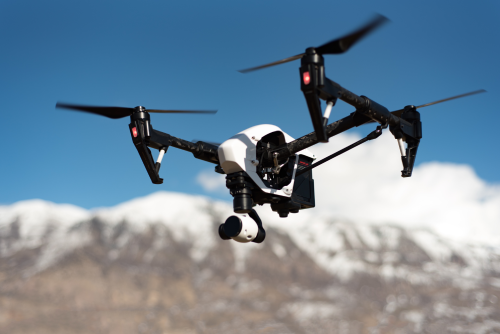
For most people, the best drones for college students are not the most expensive or most advanced models. The right drone is usually the one you can safely learn on, carry to class or trips without stress, and actually afford to maintain after buying extra batteries, propellers, and storage. For students in India, that also means thinking seriously about local rules, campus permissions, and after-sales support before you click Buy Now.
Quick Take
- Most college students should choose a light, easy-to-fly camera drone rather than the cheapest toy drone.
- If your goal is simple social media content and casual flying, a beginner-friendly compact drone like the DJI Neo makes a lot of sense.
- If you want to learn proper stick control and capture better travel or campus footage, a Mini-class drone such as the DJI Mini 4K or DJI Mini 3 is usually better value.
- If you are into coding, robotics, or indoor practice, the Ryze Tello still has a place as a learning tool.
- If you mainly want FPV thrills, start with a simulator or a tiny indoor FPV trainer before spending big.
- In India, do not assume every drone sold online is equally straightforward to use legally. Always verify the latest DGCA and Digital Sky guidance, especially for outdoor flying, campus use, and restricted airspace.
Best drones for college students at a glance
| Drone | Best for | Why it works for students | Watch-outs |
|---|---|---|---|
| DJI Neo | Beginners, vloggers, reel creators | Very approachable, compact, quick social-ready shots, less intimidating than a full-size drone | Not ideal in strong wind, not the best choice for serious cinematic work |
| DJI Mini 4K | Students who want a real camera drone without overspending | Proper controller-based flying, much better footage than toy drones, good learning platform | Fewer premium safety features, can still feel costly after accessories |
| DJI Mini 3 | Creators who want better footage and portability | Strong all-round balance of image quality, travel convenience, and ease of use | Costs more than entry-level options, accessories add up quickly |
| DJI Mini 4 Pro | Film club leads, serious creators, student freelancers | Advanced tracking and safety features, polished footage, premium experience | Expensive, higher stress if damaged or stolen |
| Ryze Tello | Coding, STEM projects, indoor practice | Good for basic flying, app-based fun, education-friendly | Not a proper outdoor camera drone, weak in wind |
| Tiny whoop FPV trainer | FPV-curious students | Cheap way to learn FPV basics indoors, repairable, fun | Poor choice if your real goal is travel videos or campus event coverage |
What makes a drone good for a college student
A student-friendly drone has less to do with hype and more to do with daily life.
It should be easy to carry
College life means backpacks, buses, hostel rooms, project deadlines, and spontaneous trips. A foldable or very compact drone is far more likely to get used than a bulky one that stays in a cupboard.
It should be simple to learn
A first drone should not punish every small mistake. Beginners do better with drones that have stable hovering, predictable controls, return-to-home features where available, and a straightforward app.
It should survive the real student budget
The drone is only the starting cost. You may also need:
- Extra batteries
- Spare propellers
- A memory card
- A carrying case
- ND filters if you get into video
- Repair money for accidents
- A controller, if it is not included
Many students make the mistake of buying the maximum drone they can afford, then realizing they cannot afford batteries or repairs.
It should match your actual goal
Ask yourself what you really want.
- Reels and simple vlogs: a compact beginner drone is enough.
- Travel and better-looking footage: go for a Mini-class camera drone.
- Coding and STEM learning: a simple programmable drone may be smarter.
- FPV fun: choose an FPV trainer, not a camera drone.
- Student freelance work: prioritize reliability, safety features, and spare availability.
It should not turn legality into a headache
This matters in India. Some drones are easier to buy than to use responsibly. Before purchasing, check the latest official guidance on DGCA rules, Digital Sky requirements, airspace restrictions, and whether your intended flying location is even suitable. A drone that is technically good but legally awkward for your use case may be the wrong student purchase.
Best drones for college students by use case
These are the strongest options for most students today, especially if you are buying your first serious drone.
DJI Neo
If you want the least intimidating path into drone content, the DJI Neo is one of the smartest student picks.
It suits:
- First-time drone users
- Social media creators
- Students who want short, easy-to-share clips
- People who do not want to learn full manual-style flying on day one
Why it stands out:
- Very compact and easy to carry
- Quick automated shots are useful for solo creators
- Feels more approachable than a larger folding camera drone
- Good for casual campus-day, trip, and hangout content
Where it makes sense:
A student who wants to make Instagram reels, YouTube shorts, travel snippets, or simple group videos without diving deep into flight technique.
Where it does not:
- Windy open grounds
- Serious photography goals
- Students who want to develop strong controller-based piloting skill from the start
- Longer shoots where battery swapping and planning matter more
The real value of the Neo is convenience. If your drone needs to be ready in minutes between class and a club event, this kind of drone is easier to live with than a more traditional setup.
DJI Mini 4K
For many students, this is the best balance between “toy-like simplicity” and “real camera drone performance.”
It suits:
- Beginners who want a proper drone
- Students who care about video quality but have limited funds
- Travelers and campus creators
- Anyone who wants to learn stick control properly
Why it stands out:
- More serious flying experience than app-only beginner drones
- Stable footage compared with very cheap drones
- Compact enough for student travel
- Usually a much better long-term choice than a no-name budget drone
Where it makes sense:
A college student who wants to shoot road trips, departmental events, hostel trips, or scenic campus content and is willing to learn the basics properly.
Where it does not:
- People who want the most advanced subject tracking or sensing
- Students who are careless with gear
- Buyers who will only use it two or three times a semester
If your budget can stretch beyond a toy drone, this is usually the category where the buying decision starts to make real sense.
DJI Mini 3
The Mini 3 is the step-up option for students who know they will actually create with their drone.
It suits:
- Student creators building a portfolio
- YouTubers and travel vloggers
- Media club members
- Freelance-curious students who want cleaner output
Why it stands out:
- Better overall image quality than entry-level options
- Strong portability
- More room to grow as your skill improves
- More satisfying if you care about composition, lighting, and editing
Where it makes sense:
A student who already edits videos, shoots regularly, and wants footage that can hold up better in a polished project, short film, tourism reel, or college promo.
Where it does not:
- Tight-budget buyers who will struggle to buy extra batteries
- Students who mainly want a fun flying gadget
- Anyone nervous about carrying costlier gear around hostels or public transport
The Mini 3 is often the sweet spot for serious students because it gives you quality without immediately pushing you into the most expensive premium tier.
DJI Mini 4 Pro
This is not the right choice for most college students, but it can be the best choice for a small group.
It suits:
- Student filmmakers
- Film club leads
- Event teams
- Students already taking paid gigs or building a serious content business
Why it stands out:
- More advanced safety and tracking features
- Better all-round confidence for complex shots
- Stronger long-term value if you genuinely use the advanced tools
- Better suited to a student who is already beyond beginner stage
Where it makes sense:
You are handling organized shoots, have permission to fly where needed, edit regularly, and want a premium small drone that can support more ambitious work.
Where it does not:
- Casual flyers
- Students on a stretched budget
- Buyers who mostly want a travel toy
- People who are not prepared for expensive repairs or loss
A lot of students buy too much drone too early. The Mini 4 Pro is excellent, but only if you will actually use what makes it premium.
Ryze Tello
The Tello is not the best choice for cinematic drone content, but it remains useful for a certain type of student.
It suits:
- Engineering students
- Coding and robotics learners
- Indoor practice
- Students who want a low-risk introduction to flight logic
Why it stands out:
- Easy to experiment with
- Education-friendly appeal
- Good for understanding control basics
- Less financially painful than damaging a premium camera drone
Where it makes sense:
Class projects, coding clubs, basic flight practice indoors, and students who care more about learning concepts than creating polished content.
Where it does not:
- Windy outdoor flying
- Travel videography
- Students expecting dramatic aerial shots
If your college interest is technical rather than cinematic, a Tello-style drone can make more sense than a camera drone.
Tiny whoop FPV trainer
If you want speed, immersion, and the fun side of drone flying, a tiny whoop FPV setup is the smarter start than jumping into an expensive outdoor FPV system.
It suits:
- Students curious about FPV flying
- Gaming-oriented pilots
- People who enjoy practice and skill-building
- Indoor flying sessions
Why it stands out:
- Relatively affordable way to learn FPV basics
- Indoor practice reduces risk from wind
- Spare parts are often easier to treat as consumables
- Teaches control discipline fast
Where it makes sense:
You enjoy flying as the activity itself, not just filming. You are willing to practice in a simulator, crash often, and learn gradually.
Where it does not:
- Students whose real goal is polished travel footage
- Buyers who want simple point-and-shoot content
- Anyone who wants the easiest first drone
For many students, FPV looks exciting online but becomes expensive and frustrating if chosen as the first and only drone. A tiny indoor trainer is a better test of whether you truly enjoy it.
Which drone should you actually buy?
If you want the shortest answer, use this.
Buy the DJI Neo if:
- You are brand new
- You want simple solo content
- Portability matters more than image perfection
- You want the least complicated experience
Buy the DJI Mini 4K if:
- You want a proper first camera drone
- You care about value
- You want to learn real flying skills
- You do not need premium features
Buy the DJI Mini 3 if:
- You create regularly
- You want stronger footage without going fully premium
- You can afford batteries and accessories
- You want a drone you can keep for a few years
Buy the DJI Mini 4 Pro if:
- You already know you will use its advanced features
- You work in a media club or on serious student projects
- You may do paid creative work later
- Budget is not your main limiter
Buy the Ryze Tello if:
- Your goal is learning, coding, and indoor use
- You do not need serious aerial video
- You want a lower-risk training tool
Buy a tiny whoop FPV trainer if:
- You want the flying experience more than the camera
- You are willing to practice in a simulator
- You understand that crashes are part of learning
India-specific safety, legal, and compliance checks
This part matters just as much as the drone itself.
Before buying or flying, verify the latest official information from DGCA and Digital Sky. Rules, platform requirements, and operational expectations can change. Do not rely only on a product listing, a marketplace seller, or a YouTube comment.
Keep these points in mind:
- Check whether your drone and intended use fit current Indian requirements.
- Confirm whether there are any registration, permission, or platform-related steps for your category and flying location.
- Do not assume a campus is automatically a safe or allowed flying area.
- Many colleges require written approval for aerial filming, especially during fests, sports events, or promotional shoots.
- Never fly over crowds, busy roads, hostel balconies, or areas where people have a reasonable expectation of privacy.
- Stay well away from airports, military zones, sensitive government areas, and any restricted airspace.
- Weather matters more than beginners think. Even a small breeze can make a lightweight drone harder to control.
- If you buy an expensive drone, ask about service, repair, spare propellers, and battery availability in India before purchase.
A practical student rule: if you are not sure whether you are allowed to fly in a place, pause and verify first.
Common mistakes college students make when buying a drone
Buying the cheapest drone and expecting “cinematic” footage
Most ultra-cheap drones are frustrating. They drift, lose connection, struggle in wind, and produce weak video. You may save money upfront and waste it overall.
Spending everything on the drone body
A drone without extra batteries and spare propellers is a half-finished purchase. For student use, batteries often matter more than one level of camera upgrade.
Choosing too advanced a drone too early
A premium drone sounds exciting until you are afraid to fly it. A more forgiving beginner option often leads to more practice and better results.
Ignoring after-sales support
If your drone breaks and no parts or service are realistically available, the deal was not really a deal.
Flying on campus without permission
This is one of the fastest ways to create trouble with security, faculty, or other students. Ask first.
Buying FPV because it looks cool online
FPV is fun, but it is not the easiest path to useful student content. If your goal is college travel videos or event coverage, start with a normal camera drone.
Forgetting privacy and social comfort
A drone can make people uncomfortable even when you mean no harm. Be transparent, respectful, and selective about when and where you fly.
FAQ
Is a drone worth buying as a college student?
Yes, if you have a clear use for it. A drone makes sense for creators, media students, travel vloggers, robotics learners, and club teams. It makes less sense as an impulse gadget you will only fly twice.
What is better for students: a toy drone or a camera drone?
A real entry-level camera drone is usually better value if you actually want usable footage and stable flight. Toy drones can still be useful for indoor practice or very casual fun, but they are often disappointing as content tools.
Is an under-250 g drone the best option for students?
Usually yes for portability and convenience, but not automatically for every situation. In India, a lighter drone can be easier to carry and less intimidating, but you still need to verify the latest rules and airspace restrictions before flying.
Can I fly a drone inside my college campus?
Only if your college permits it. Many campuses treat drone flying as a controlled activity, especially near hostels, crowds, sports grounds, or official events. Get written approval where possible.
Do I need to check DGCA or Digital Sky before buying?
Yes. Always verify the latest official position before purchase and again before flying. Do not assume seller claims, old videos, or forum posts are up to date.
Should I buy the DJI Neo or the DJI Mini 4K?
Choose the Neo if you want maximum convenience and simple social content. Choose the Mini 4K if you want a more traditional drone flying experience and better long-term value as a real camera drone.
How many batteries should a student buy?
One battery is rarely enough. For most students, having at least one extra battery makes the drone far more usable. If you travel or shoot events, more may make sense.
Is FPV a good first drone for a student?
Only if FPV itself is your hobby goal. If you mainly want nice aerial video for trips, campus projects, or reels, a standard camera drone is the easier first buy.
Can college students earn money with a drone?
Potentially, yes. Students sometimes help with event teasers, travel content, real estate clips, or college promos. But do not jump into paid work without checking permissions, safety, local rules, and whether your drone and skill level are actually suitable.
What should I budget for besides the drone?
Think about batteries, spare propellers, a memory card, carry protection, repair costs, and possibly insurance or a protection plan if available. These extras often decide whether the drone stays useful after the first month.
Final takeaway
If you want the safest all-round recommendation, buy a beginner-friendly compact camera drone you will actually carry and fly, not the most advanced model you can barely afford. For most college students, that means a DJI Neo if convenience matters most, a DJI Mini 4K if value matters most, or a DJI Mini 3 if content creation is already a serious part of your life. Before you buy, do one last check on campus permission, local service support, and the latest DGCA and Digital Sky guidance, because the best student drone is the one you can use confidently, legally, and often.
