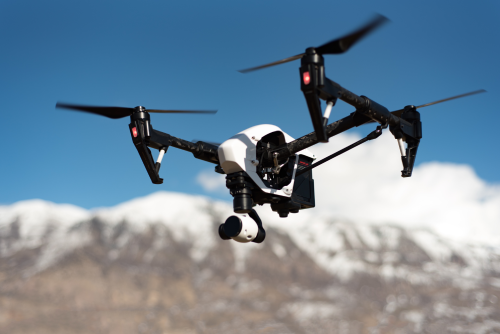
Best portable drones for content creators are not just the smallest drones you can buy. The right one needs to fit your bag, your shooting style, your editing workflow, and the realities of flying legally and safely in India. If you create travel videos, real-estate reels, wedding teasers, campus projects, or social media ads, this guide will help you choose a portable drone that is actually useful in the field.
Quick Take
- For most solo creators, a lightweight foldable drone in the Mini class is the sweet spot. It is easier to carry, faster to launch, and less intimidating for everyday use.
- If you regularly shoot paid work, windy locations, or need more framing flexibility, an Air-class drone is usually the better investment.
- If your priority is the best image quality in a still-packable body, a Mavic-class drone makes sense, but it is less “throw in a sling bag” portable.
- Pocket selfie drones are great for quick social clips and walking shots, but they do not replace a proper camera drone.
- In India, portability is only half the buying decision. Always verify current DGCA rules, Digital Sky airspace restrictions, seller warranty, spare part availability, and battery travel rules before you buy.
What “portable” really means for a content creator
A portable drone is not just one that weighs less. For creators, portability has five parts.
1. Bag space and setup speed
A drone can be light but still annoying if the controller is bulky, the charger is slow, or the propellers need constant attention. Good portable drones should:
- fold down neatly
- launch quickly
- fit with 2 to 3 batteries in a small bag
- work with a controller you actually enjoy using
- charge easily from a wall adapter, car charger, or power bank setup
If you shoot while travelling, hiking, or moving between clients, setup speed matters almost as much as image quality.
2. Real-world image quality
For creators, “good camera” is not enough. Think about:
- whether the drone can shoot vertical-friendly content for Reels and Shorts
- how well it handles bright skies and dark shadows
- whether it records in 10-bit color, which gives you more room to color-grade in editing
- whether it offers a log profile, which is a flatter video mode that preserves more highlight and shadow detail
- whether the footage matches your main camera or phone
A portable drone that saves time in editing is often better than one with slightly better specs on paper.
3. Wind handling and confidence
Tiny drones are convenient, but India has plenty of windy coastal spots, hill stations, open grounds, and rooftop shooting situations. A more portable drone is not always the most stable drone.
If you often shoot:
- beaches
- forts
- mountains
- highways
- resorts
- outdoor events
then wind performance matters a lot.
4. Smart features that actually help creators
Useful features include:
- subject tracking for solo shooting
- obstacle sensing, which uses cameras or sensors to help detect objects around the drone
- automatic return-to-home
- quick vertical capture options
- waypoint or repeatable routes for consistent shots
- good low-light handling for sunrise and sunset work
These features do not replace skill, but they reduce stress and save time.
5. After-sales reality in India
This is where many buyers make a bad decision. The best portable drone on YouTube is not always the best one to own in India.
Before buying, ask:
- Is it officially sold by a reliable seller?
- Will I get a proper invoice?
- Are batteries and propellers easy to buy later?
- Is there repair support in India?
- If the drone needs replacement, how painful will that process be?
For a creator, downtime costs more than specs.
Best portable drones for content creators
The picks below are based on creator use cases, portability, camera usefulness, and ownership practicality. Availability, warranty support, and local compliance status can vary in India, so treat these as strong buying anchors and verify the current situation before you pay.
At a glance
| Best for | Drone | Why it stands out | Main trade-off |
|---|---|---|---|
| Most creators | DJI Mini 4 Pro | Strong balance of size, video quality, tracking, and portability | Smaller body is less comfortable in strong wind than larger drones |
| Value-focused creators | DJI Mini 3 or Mini 3 Pro | Easier on budget, light to carry, still very capable for social and travel work | Older platform, fewer advanced safety features than newer models |
| Travel and client work | DJI Air 3 | Better wind handling, more flexible framing, stronger all-rounder for paid shoots | Bigger bag footprint and higher kit cost |
| Premium commercial creators | DJI Mavic 3 Classic or Mavic 3 Pro | Excellent image quality in a foldable design | Expensive, heavier, less casual to carry daily |
| Quick social clips and solo walking shots | HoverAir X1 | Extremely portable and simple to use | Not a true replacement for a full aerial camera drone |
| Dynamic FPV-style footage | DJI Avata 2 | Compact way into immersive action shots | Specialized tool, not the best first or only drone |
| Non-DJI alternative | Autel EVO Lite+ | Worth cross-shopping for creators who want another ecosystem | Support, ecosystem depth, and local availability need careful checking |
DJI Mini 4 Pro: best overall portable drone for most creators
If you want one portable drone that fits most creator workflows, the Mini 4 Pro is the easiest recommendation.
It is the kind of drone that works well for:
- travel creators
- solo YouTubers
- Instagram and Reel creators
- real-estate social clips
- students building a content portfolio
- wedding highlight shooters who need quick location reveals
Why it stands out:
- genuinely compact and easy to carry
- strong automated tracking for solo work
- good obstacle sensing for added confidence
- vertical-friendly shooting options for short-form content
- strong enough video quality for serious online work
What makes it especially useful is not just the camera. It is the balance. You can pack it with extra batteries, filters, and a controller without turning your bag into a production case.
Its main limits:
- small drones are still more affected by wind than Air- or Mavic-class drones
- low-light performance is good for the size, but not in the same league as larger premium drones
- some creators outgrow the Mini class once they start shooting more commercial work
Who should choose it: If you want one drone for travel, social content, casual client work, and everyday portability, this is the safest all-round pick.
DJI Mini 3 or Mini 3 Pro: best value portable option
If the Mini 4 Pro feels expensive, the Mini 3 and Mini 3 Pro still make a lot of sense, especially for first-time buyers and creators moving up from phones only.
These drones are appealing because they still deliver what many creators actually need:
- good-looking 4K footage
- easy portability
- quick travel setup
- beginner-friendly handling
- better value on the used or discount market
The Mini 3 is the more straightforward choice for creators who mainly want nice aerials for travel and social media. The Mini 3 Pro is better if you want more advanced shooting features and a bit more headroom as you grow.
Why they are still worth considering:
- lighter investment for your first serious drone
- easier to justify if drone content is part of your work, not your whole business
- better “always carry” potential than larger drones
Trade-offs:
- older system compared to the latest Mini generation
- fewer advanced safety and sensing features depending on the model
- less future-proof if you expect heavier paid use soon
Who should choose one: Budget-conscious creators, students, hobbyists, and anyone who wants a compact drone without jumping straight to a premium purchase.
DJI Air 3: best portable upgrade for serious creators
The Air 3 sits in a very useful middle ground. It is still portable enough for travel, but it feels more like a serious production tool than a casual mini drone.
This is often the right choice for:
- travel filmmakers
- hotel and resort shooters
- real-estate creators
- wedding teams
- social media agencies
- creators who shoot in open and windy locations
Why it stands out:
- better wind handling than the Mini class
- more confidence in tougher outdoor conditions
- more versatile framing, especially with a second camera perspective
- stronger option for commercial-looking work
The Air-class drone is where many creators stop thinking like hobbyists. It gives you more control and more reliable results when the location is less forgiving.
Trade-offs:
- less discreet than a Mini
- batteries, controller, and case take more space
- harder to justify if you only fly occasionally
- may push you into a more serious compliance and operating mindset depending on your use case and local rules
Who should choose it: If drone footage is becoming part of paid deliverables, or you regularly shoot in windier outdoor environments, the Air 3 class is one of the smartest upgrades.
DJI Mavic 3 Classic or Mavic 3 Pro: best premium image quality in a foldable drone
If your work includes high-end travel films, premium brand content, luxury real estate, or commercial shoots where footage quality matters more than extreme portability, a Mavic 3-class drone is where the conversation changes.
What you get:
- stronger image quality than smaller portable drones
- better low-light performance
- more flexibility in post-production
- a more “serious camera” look and feel
- stronger fit for client work where the drone is part of the visual identity of the project
This class is still foldable, but it is not pocketable or casual in the way a Mini is. You will notice the extra size in your backpack, your charging kit, and your travel planning.
Trade-offs:
- much higher overall ownership cost
- bigger case and accessories
- less likely to be the drone you casually carry every day
- overkill for many social-only creators
Who should choose it: Professional creators and businesses that can clearly earn back the extra cost through better deliverables and higher-value shoots.
HoverAir X1: best ultra-portable companion for quick social content
The HoverAir X1 is not a standard replacement for a full camera drone, but it fills a different job extremely well. It is more like a flying content assistant for quick clips.
Best for:
- vloggers
- walkers, runners, and cyclists
- creators who want easy selfie-style moving shots
- people who hate bulky kits
- creators who mostly post short social clips
Why it works:
- very small and easy to carry
- quick launch and easy operation
- less intimidating than a normal drone for spontaneous content
- useful for simple tracking-style clips
Its limits are important:
- much less flexible than a full drone for cinematic aerials
- weak choice for windy conditions
- limited as a primary tool for real-estate, events, or scenic landscape work
Who should choose it: Creators who want a second device for quick social clips, behind-the-scenes content, walks, or solo movement shots. It is best as a companion, not as your only drone.
DJI Avata 2: best compact FPV-style drone for dynamic footage
If you want immersive FPV-style footage, where the camera feels like it is diving, weaving, and moving through space, the Avata 2 is one of the easiest ways to enter that world in a relatively portable package.
FPV means first-person view. It is the style of drone flying often used for action shots and dramatic movement.
Best for:
- action sports creators
- automotive content
- gym and interior fly-through style visuals
- creators who want a more aggressive visual style
Why it stands out:
- very different look from standard drone footage
- compact for the kind of shots it can produce
- easier entry point than building a custom FPV setup
But it is not the best first drone for most buyers.
Trade-offs:
- steeper learning curve
- less versatile for regular scenic aerials
- specialized footage style that may not fit every project
- safety and flying-skill demands are higher
Who should choose it: Buy this if you specifically want FPV-style content. Do not buy it as your first and only drone unless that is truly your main shooting style.
Autel EVO Lite+: best alternative to cross-shop
If you want to compare a non-DJI option, the Autel EVO Lite+ is one of the more relevant portable alternatives in the premium consumer category.
Why some creators consider it:
- strong daylight image potential
- creator-friendly feature set
- useful option for buyers who want to evaluate another ecosystem
The reason it is not the default recommendation for most Indian buyers is not necessarily image quality. It is ownership practicality.
Check carefully:
- local seller reputation
- battery availability
- service support
- firmware support experience
- repair turnaround
Who should choose it: Creators who have a trusted local source and want a serious DJI alternative, not buyers chasing the cheapest listing online.
Which type of portable drone is right for your work?
Choose a Mini-class drone if…
- you travel often
- you shoot mostly for YouTube, Instagram, or small business reels
- you want the lightest complete kit
- you are a beginner
- you want something you will actually carry
Choose an Air-class drone if…
- you do paid work regularly
- you shoot in windier places
- you need more framing flexibility
- you want a better bridge between portability and professional output
Choose a Mavic-class drone if…
- footage quality is a major part of your business
- clients notice image quality differences
- you can justify a larger kit and higher cost
- your drone is a work tool, not a casual accessory
Choose a pocket selfie drone if…
- speed and simplicity matter more than cinematic aerial range
- you mostly make short social clips
- you want walking and tracking shots without a large setup
Choose an FPV-style drone if…
- you specifically want dynamic, immersive movement
- you are willing to learn a different flying style
- you understand it is a specialist tool
What Indian buyers should verify before buying
This part matters as much as the model choice.
Drone rules and market conditions in India can change. Do not assume that a product sold online is automatically the right legal or practical fit for your use.
Before buying, verify:
- The current DGCA rules for your drone class and use case.
- Whether your planned locations are flyable under the latest Digital Sky airspace map and local restrictions.
- Whether your drone and operation require any registration, permission, or additional compliance steps.
- Whether the seller provides a proper invoice, serial details, and clear warranty terms.
- Whether spare batteries, propellers, and repair support are available in India.
- Whether your work is hobby use, client work, or business use, because compliance expectations can differ.
Also remember:
- A lighter drone is not a free pass to fly anywhere.
- Local police, venue management, security staff, and property owners may still stop or question a flight.
- Privacy matters. Do not film homes, people, or events without permission.
- Flying near airports, military areas, sensitive government locations, crowds, or emergency activity is a bad idea and may be illegal.
If you are unsure, verify first and fly later.
Accessories content creators should budget for
A portable drone is only truly useful if the rest of the kit supports real shooting days.
Must-have accessories
- 2 to 3 extra batteries
- spare propellers
- a reliable memory card suitable for high-bitrate recording
- a compact shoulder bag or backpack insert
- a charging hub or practical charging solution
- lens cleaning cloth and basic maintenance kit
Very useful extras
- ND filters for bright daylight video
- a landing pad for dusty grounds
- power bank or car charging support for travel days
- screen hood if you shoot in harsh sunlight
- propeller holder for easier packing
Business-friendly extras
- proper invoice and serial number records
- backup storage workflow for client shoots
- an extra set of props and cables in every bag
- battery labeling so you rotate usage and spot weak packs early
Common mistakes creators make when buying a portable drone
1. Buying the smallest drone and expecting premium results in all conditions
Mini drones are excellent, but they are still mini drones. If you often shoot in wind or want a stronger commercial look, a bigger class may serve you better.
2. Ignoring the total kit size
Many people compare only drone weight. Then they add a controller, batteries, filters, charger, and hard case and end up with a bag twice as large as expected.
3. Overspending on the drone and underspending on batteries
A single-battery drone is frustrating for content work. Most creators should budget for at least three batteries.
4. Choosing FPV as a first all-purpose drone
FPV footage looks amazing, but it is a specialized tool. For most beginners, a standard camera drone is the better first buy.
5. Not checking editing compatibility
High-quality files are great, but only if your laptop or phone can edit them smoothly. If your current device struggles, your workflow will suffer.
6. Buying from an unclear seller
A “great deal” can turn bad quickly if you cannot get batteries, spare parts, firmware support, or warranty help.
7. Forgetting the legal side
Creators sometimes assume drone use is like using a phone gimbal. It is not. Always check the current rules and the airspace before you fly.
FAQ
Is a sub-250g portable drone enough for professional content creation?
Yes, for many creators it is. Travel videos, social ads, short-form content, and even some real-estate or wedding work can look excellent from a Mini-class drone. But if your business depends on better wind handling, more flexibility, or stronger low-light output, an Air- or Mavic-class drone may be the better long-term choice.
Which portable drone is best for Instagram Reels and YouTube Shorts?
A Mini-class drone with vertical-friendly shooting is usually the best fit. It keeps the kit light and makes it easier to capture social-ready footage without heavy cropping.
How many batteries should a content creator buy?
Three is a practical starting point for most creators. One battery is never enough for real shoots, and two can still feel restrictive if you travel, scout, or wait for light.
Do I need obstacle sensing?
Not everyone does, but it is very useful for solo creators and beginners. It adds a safety layer when tracking or flying in more complex spaces. It is still not foolproof, so you should never rely on it blindly.
Is 10-bit video worth paying extra for?
If you edit your footage and care about color grading, yes. Ten-bit video gives you more color information, which helps when adjusting skies, skin tones, and contrast. If you mostly post straight from the app with minimal editing, it matters less.
Can I carry a drone on domestic flights in India?
Usually, the key issue is the lithium batteries. Airlines often require batteries in cabin baggage, with terminals protected, and rules can vary by airline. Always check your airline’s latest battery and drone policy before you travel.
Should I buy a used portable drone?
A used drone can be good value, especially in the Mini class, but check it carefully. Verify battery health, gimbal condition, controller pairing, firmware behavior, props, charging, and whether the seller provides original purchase details if possible.
Are pocket selfie drones better for beginners than regular camera drones?
They are easier for quick casual use, but they are not automatically better overall. They do simpler jobs well, while a regular camera drone is far more flexible for scenic, commercial, and cinematic work.
What is more important: sensor size or portability?
For many creators, portability wins because the best drone is the one you carry and use. But once drone footage becomes central to paid work, sensor performance and overall image quality matter more.
Should I buy a drone abroad to save money?
Be careful. What looks cheaper at first can become expensive if warranty support, service, import issues, batteries, or compliance create problems later. For many Indian buyers, a trusted seller and smoother ownership are worth more than a small upfront saving.
Final takeaway
If you want the best portable drone for content creation without overthinking it, start with the Mini class, especially the DJI Mini 4 Pro if it fits your budget. If your drone is becoming a serious work tool, move up to the Air 3 class. And before you spend anything, verify the India-specific reality: rules, airspace, seller trust, batteries, and support. That is what separates a smart buy from an expensive headache.
