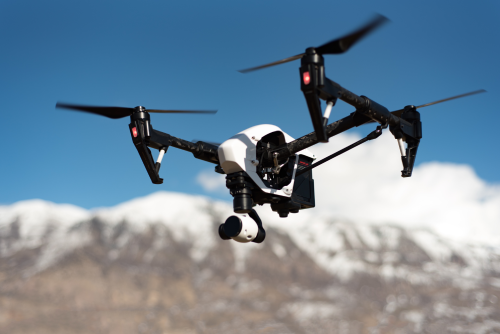
The best drones for kids and beginners are usually not the ones with the loudest marketing claims. For most Indian buyers, the right first drone is the one that is easy to control, safe to crash, simple to repair, and realistic for where it will actually be flown.
Quick Take
- For young kids, the best first drone is usually a tiny indoor drone with full propeller guards, low-speed modes, and no serious camera expectations.
- For students and absolute beginners who want a smarter learning drone, the safest all-round recommendation is still a Tello-class drone, especially if coding or app control matters.
- For teens and adults who want real photos and video, skip the cheap toy-drone stage and buy a lightweight GPS camera drone from a trusted brand sold through official Indian channels.
- Do not choose a racing or FPV drone as a first drone unless you already know you want that hobby and are ready for a steeper learning curve.
- Before any outdoor flight in India, verify the latest DGCA and Digital Sky guidance, local airspace, and whether your specific drone is suitable for legal outdoor use.
Best drones for kids and beginners at a glance
There is no single best drone for every new flyer. The best choice depends on age, flying space, and whether the goal is play, learning, or camera work.
| Best choice | Best for | Why it works | Main drawback |
|---|---|---|---|
| Tiny indoor nano drone with full prop guards | Young kids under supervision | Cheap, safe, durable, low stress | Poor in wind, camera usually useless |
| Ryze Tello | Older kids, students, first-time flyers | Stable, simple app control, well-known beginner platform | Limited wind handling, modest battery life |
| Tello EDU or similar programmable micro drone | Schools, coding clubs, STEM learners | Teaches flight and programming together | Not a serious outdoor camera drone |
| Sub-250g GPS camera drone from a trusted brand | Teens, adults, creators, families | Better stability, return-to-home, usable photo/video | More expensive, more care needed |
| Simple practice quad with spare batteries | Buyers who only want to learn controls cheaply | Good for basic flying skills | Usually lacks strong camera and smart safety features |
How to choose the right beginner drone
Start with the flyer, not the spec sheet
A first drone for a 9-year-old and a first drone for a college student are completely different purchases.
Ask these questions first:
- Who will fly it most of the time?
- Will it be flown indoors, outdoors, or both?
- Is the goal fun, learning, photography, or coding?
- Can the buyer handle repairs, spare batteries, and app setup?
- Is there a safe place to practice?
A child who will fly inside a flat or house terrace needs a very different machine from someone who wants travel videos, farm clips, or college content creation.
Decide between an indoor trainer and an outdoor camera drone
This is the most important buying decision.
Indoor trainer drones
These are best when:
- the flyer is young
- the home has limited open space
- you want low-stress learning
- you expect a lot of crashes at the start
Indoor drones are usually small and light. That makes them safer, but it also means they struggle badly in wind.
Outdoor camera drones
These are best when:
- the flyer is a teenager or adult
- real photo or video quality matters
- you want stable hover and assisted flight
- you have a safe open area for practice
A good outdoor beginner drone usually needs GPS, reliable app support, and better spare-part availability.
Ignore flashy claims and focus on the features that matter
Many low-cost drone listings exaggerate range, battery life, and camera quality. For kids and beginners, these features matter much more:
- Propeller guards: protective rings or frames around the props. These reduce damage from bumps and make indoor flying safer.
- Altitude hold: the drone tries to maintain height on its own. Very helpful for first-time users.
- One-key takeoff and landing: reduces panic during the first few flights.
- Headless mode: a simplified control mode where the drone responds relative to the pilot rather than its own nose direction. Good for first sessions, but try not to depend on it forever.
- GPS positioning: uses satellites to help the drone hover more accurately outdoors.
- Return-to-home: a feature that can guide the drone back toward the takeoff point if triggered. Useful, but not magic.
- Beginner mode: limits speed, distance, or height.
- Spare batteries and props: often more useful than a weak camera upgrade.
- After-sales support: especially important in India, where spare parts and repairs can be the difference between a hobby and a paperweight.
A simple rule by age
- Under about 8: only a tiny indoor drone, with direct adult supervision.
- Around 8 to 12: indoor micro drones or a Tello-class drone if the child is careful and the parent is involved.
- 13 and above: can move to a proper beginner camera drone if the goal is photography or video and safety rules are understood.
- Adults: buy for the end use. If you want to shoot content, do not waste money on a toy drone first.
Our top recommendations by use case
Best for young kids: a tiny indoor drone with full propeller guards
If the drone is for a younger child, this is the safest starting point.
Why this type is the best first step
A nano or micro indoor drone teaches the basics without turning every mistake into an expensive repair. Kids learn:
- left and right control
- takeoff and landing
- throttle discipline
- how easily drones drift indoors
Because these drones are light, most bumps are survivable. That matters more than camera quality at this stage.
What to look for
- full propeller guards
- low and medium speed settings
- one-button takeoff and landing
- replaceable battery
- easy-to-find spare props
- simple remote control
Skip flashy camera promises
Very cheap “4K” toy drones are often disappointing. Even when they do carry a camera, the image quality and stability are usually nowhere near what buyers expect.
Buy this if
- the flyer is a child
- you want indoor practice
- you expect lots of crashes
- you want the lowest-risk entry point
Skip this if
- you want travel photography
- you plan to fly in open windy areas
- you need reliable app features or GPS
Best all-round beginner drone: Ryze Tello
If you want one widely known beginner-friendly drone rather than a generic toy, Ryze Tello remains one of the safest recommendations for learning.
Why Tello still stands out
Tello sits in a sweet spot between toy and training tool.
It is popular because it is:
- easier to control than many cheap toy drones
- good for indoor learning
- app-friendly
- widely recommended for students
- useful for basic coding exploration
For a first-time flyer, this matters more than extreme range or dramatic specifications.
Who it suits best
- older kids with supervision
- students
- first-time adult flyers
- parents who want a smarter learning drone
- beginners interested in STEM and coding
What to know before buying
Tello is not a strong-wind outdoor drone. It is at its best in calm conditions or indoors. It is also not the right buy if your main goal is cinematic video.
Buy this if
- you want a known beginner platform
- you value stability over hype
- you want to learn using a phone app
- you want something educational, not just entertaining
Skip this if
- you want long-range outdoor flying
- you need proper travel video quality
- you expect it to handle windy evenings easily
Best for coding and school projects: Tello EDU-class programmable drone
For schools, colleges, robotics clubs, and engineering students, the best beginner drone is often not the best camera drone. It is the one that teaches concepts.
Why programmable drones are a strong choice
A programmable micro drone helps students learn:
- control logic
- basic automation
- sensor-based behaviour
- coding and problem solving
- real-world limits of drone flight
This makes more sense than buying a basic toy drone if the goal is learning rather than casual fun.
Best use cases in India
- school STEM labs
- robotics competitions
- coding workshops
- engineering mini-projects
- indoor demo flights
The trade-off
These drones are educational first. They are not meant to replace a serious camera drone for content creation or outdoor surveying.
Best first camera drone for teens and adults: a sub-250g GPS camera drone from a trusted brand
If the buyer is serious about photography, videography, or travel clips, the best move is usually to skip toy drones and buy a proper mini camera drone from a reputed brand.
A DJI Mini-class drone is the most obvious example of this category, but the advice applies more broadly: buy a lightweight GPS camera drone with reliable software, spare parts, and Indian seller support.
Why this category is best for real beginners with serious intent
A good mini camera drone gives you:
- better outdoor stability
- GPS-assisted hover
- return-to-home support
- much better photo and video quality
- smoother footage, often with a gimbal
A gimbal is a motorized stabilizer that helps keep the camera level and the footage smooth.
For content creators, travellers, and hobby photographers, this is the point where a drone starts feeling genuinely useful.
What to prioritize
- authorized or trusted Indian seller
- app reliability
- GPS
- return-to-home
- beginner mode
- sub-250g class if you want a lightweight option
- spare batteries and props
- serviceability
What matters less than beginners think
- extreme top speed
- giant range claims
- obstacle sensing alone
Obstacle sensing can help, but it does not make a drone crash-proof. Small branches, wires, side angles, and poor lighting can still cause accidents.
Buy this if
- you are a teen or adult beginner
- you want usable videos, not toy footage
- you plan to keep flying for months or years
- you can practice responsibly in safe open areas
Skip this if
- the drone is mainly for a very young child
- you only have indoor space
- you are unwilling to spend on spares, batteries, and careful handling
Best budget practice choice for adults: a basic trainer drone with spare batteries
Some adult beginners do not care about cameras at all. They just want to learn orientation, throttle control, and landing.
In that case, a basic trainer drone can make sense.
Why it works
A cheaper practice drone lets you learn:
- how to hover
- how to turn and recover
- how to control drift
- how to land without panic
It can also help decide whether you really enjoy flying before you buy a costlier camera drone.
The catch
If you already know you want aerial photos and videos, this step may be unnecessary. Many buyers end up spending twice by buying a trainer first and a camera drone soon after.
India-specific buying tips that matter more than the ad copy
For Indian buyers, the “best” drone is not just about features. It is also about support.
Prefer official or well-supported channels
Cheap marketplace imports can look tempting, but first-time buyers often regret them because:
- batteries are hard to replace
- props and accessories are unavailable
- warranty support is unclear
- apps may be unreliable
- seller claims may not match the product
If you are spending serious money, ask about:
- invoice and warranty
- spare propellers
- battery availability
- repair turnaround
- service centre support
- firmware and app support
Repairability matters
A beginner drone will almost certainly suffer bumps. That does not mean the purchase was bad. It means your buying decision should include:
- propeller availability
- prop guard availability
- arm and shell repair options
- battery replacement cost
- charger compatibility
Do not buy based only on camera resolution
A stable 1080p or 2.7K shot from a well-controlled drone is usually more useful than a shaky “4K” clip from a low-end toy drone.
Safety and legal checks before the first outdoor flight in India
Drone rules in India can change, and the correct rule depends on the drone, where you fly, and why you fly. Before any outdoor flying, verify the latest official guidance instead of relying on old social media posts or seller claims.
Practical checks every beginner should make
- Check the latest DGCA and Digital Sky guidance before flying outdoors.
- Confirm the airspace status of your location.
- Do not fly near airports, helipads, military areas, crowded public spaces, roads, or emergency activity.
- Keep well away from people, animals, and property you do not control.
- Respect privacy. Do not record neighbours or strangers carelessly.
- Children should fly only under adult supervision.
- Treat return-to-home as a backup, not as permission to fly carelessly.
A note on NPNT and compliance
You may hear the term NPNT, which stands for “No Permission, No Takeoff.” Whether that affects the exact drone you are considering, and how it applies to your use case, is something you should verify from current official guidance or an authorized Indian seller before purchase.
A simple beginner rule
If you are unsure whether a flight is allowed, safe, or respectful, do not launch.
Common mistakes first-time buyers make
1. Buying for the camera instead of the flyer
A 7-year-old does not need a camera drone. A content creator does not need a toy drone.
2. Flying outdoors on day one
Even stable drones feel very different in wind. First flights should be in a large indoor area or a calm, open space with plenty of room.
3. Trusting seller battery claims
Real-world flight time is usually lower than the box promise.
4. Skipping spare batteries and props
For beginners, extra batteries often improve the experience more than fancy features.
5. Assuming GPS means crash-proof
GPS helps with hover and recovery. It does not remove the need for pilot skill.
6. Buying an unsupported import
Saving money up front can mean no repair, no parts, and no app support later.
7. Starting with FPV or racing drones
These are exciting, but they are a poor first choice for most kids and absolute beginners.
FAQ
What is the best age for a child’s first drone?
There is no perfect age, but younger children should start only with tiny indoor drones and direct adult supervision. For most kids, control skill matters more than age alone.
Should kids start with a camera drone?
Usually no. A camera drone is costlier, less crash-friendly, and can create safety and privacy issues. Most kids should first learn on a small guarded drone.
Is Ryze Tello still a good beginner drone?
Yes, especially for learners, students, and families who want a smarter training drone rather than a disposable toy. It is still one of the easiest beginner platforms to recommend, as long as you understand its wind and camera limits.
Are sub-250g drones legal to fly anywhere in India?
No. Weight is only one part of the picture. Airspace restrictions, location, and current rules still matter. Always verify the latest official guidance before flying outdoors.
Is GPS necessary for a beginner drone?
For indoor toy drones, not really. For outdoor camera drones, GPS is highly recommended because it makes hovering and recovery much easier.
How many batteries should a beginner buy?
At least one spare battery is sensible for most drones. Beginners learn faster with multiple short sessions than with one rushed flight.
Is obstacle avoidance worth paying extra for?
It can be useful, especially for nervous beginners, but it is not essential on every first drone. Good basic control, slow practice, and open flying space matter more.
Should I buy a cheap no-name drone online just to learn?
Only if it is a very low-risk indoor toy and you accept limited support. If you want a serious camera drone, buy from a reputable brand and seller instead.
Can beginners start with FPV drones?
They can, but most should not. FPV drones have a steeper learning curve, more crash risk, and different skill requirements. They are better as a second drone after basic control skills are in place.
What is the best first drone for a college student in India?
If the goal is coding or STEM, a Tello-class drone is a strong choice. If the goal is travel videos or creator content, a lightweight GPS camera drone from a trusted brand is the better buy.
Final takeaway
If you want the shortest answer, it is this: buy a tiny guarded indoor drone for young kids, buy a Tello-class drone for learning and STEM, and buy a proper sub-250g GPS camera drone only when the flyer is ready for real outdoor responsibility. Match the drone to the person, not the marketing, and verify the latest India rules before the first flight.
