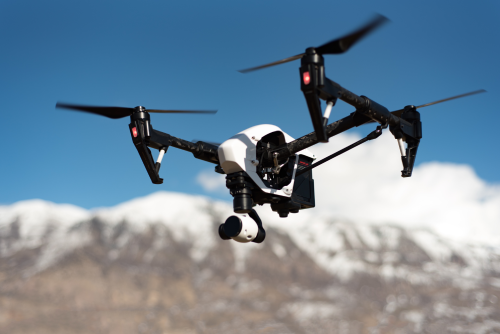
The best drones for wedding videography are the ones that stay safe around people, handle difficult light, and help you get usable cinematic footage without slowing down the shoot. For most buyers in India, the right wedding drone is not simply the most expensive one, but the one that balances image quality, lens flexibility, batteries, portability, and dependable support.
Quick Take
- If you want one all-rounder for professional wedding work, the DJI Air 3 is the easiest recommendation for most shooters.
- If you want a lighter, less intimidating drone that still feels modern and capable, the DJI Mini 4 Pro is the best compact option.
- If your work is premium, often shot at sunset or at night, and image quality matters more than portability, the DJI Mavic 3 Classic is a strong step up.
- If your team regularly uses multiple focal lengths for luxury weddings and destination films, the DJI Mavic 3 Pro is the flagship pick.
- If you want aggressive FPV-style motion shots, treat an Avata-series drone as a creative secondary tool, not your main wedding drone.
- In India, check airspace, venue permissions, current DGCA guidance, and actual spare-parts support before accepting a paid booking.
What actually matters in a wedding drone
Wedding videography is not the same as casual travel flying. You are working around crowds, time pressure, rituals, low light, dust, noise, and clients who expect you to “just get the shot” in one chance.
Image quality that survives real wedding conditions
A drone may look great on paper and still struggle at an actual Indian wedding.
What matters most:
- Good dynamic range, which means the camera can hold detail in bright skies and darker clothing at the same time
- Clean footage at golden hour and after sunset
- Stable exposure when moving from bright lawns to shaded venues
- Natural colour for skin tones, flowers, decor, and warm lights
This is why sensor size matters. In general, larger sensors perform better in tricky light than very small ones.
Lens flexibility
A wedding drone is not only for huge aerial reveals.
You also need:
- Wide shots of the venue
- Medium telephoto shots for the couple from a safer distance
- Compression shots, where the background appears closer and more dramatic
- Smooth top shots and pull-backs that fit the wedding film style
A second lens can be more useful than extra resolution. For weddings, a tele option often helps you stay farther from guests while still getting elegant footage.
Safety around people
This is non-negotiable.
A good wedding drone should give you:
- Predictable control
- Strong hovering stability
- Useful obstacle sensing or avoidance features
- Reliable return-to-home behaviour
- Confidence in light wind
Even then, no obstacle system makes it okay to fly carelessly near guests. A safer drone is still only as safe as the operator.
Portability and noise
Wedding days move fast. You may need to go from haldi to baraat to reception to couple portraits with minimal reset time.
A good wedding drone should be:
- Quick to deploy
- Easy to carry all day
- Quiet enough to avoid distracting the ceremony
- Small enough to use discreetly during venue reveals and portrait sessions
Batteries, spares, and support in India
This is where many buyers make the wrong decision.
The drone body is only part of the purchase. You also need to think about:
- Extra batteries
- Spare propellers
- Chargers
- Memory cards
- Filters
- Repair turnaround time
- Genuine accessories
- Local service availability
A cheaper drone with weak support can cost you more after the first damaged prop arm or battery issue.
Best drones for wedding videography
The models below are the strongest options for most buyers today, especially if your work is in India and you need a practical mix of quality, safety, and portability.
| Drone | Best for | Why it works for weddings | Main trade-off |
|---|---|---|---|
| DJI Air 3 | Best overall | Dual-camera flexibility, strong all-round performance, reliable safety features | Bigger than a Mini-class drone |
| DJI Mini 4 Pro | Best lightweight option | Compact, discreet, modern feature set, easier to travel with | Smaller sensor than Mavic 3 class |
| DJI Mavic 3 Classic | Best premium image quality | Larger 4/3 camera, better low-light results, cinematic look | Higher budget and bigger kit |
| DJI Mavic 3 Pro | Best flagship for pro teams | Multiple focal lengths, premium versatility for luxury work | Expensive and more than many buyers need |
| DJI Avata-series | Best FPV add-on | Dynamic motion shots, protected prop design | Not a primary wedding drone |
DJI Air 3: Best overall wedding drone for most buyers
If you shoot weddings regularly and want one drone that can handle most situations, the Air 3 is the smartest balance of features and practicality.
Why it stands out:
- Dual cameras are genuinely useful at weddings
- Better wind confidence than very small drones
- Strong obstacle sensing helps in busy outdoor venues
- Good battery ecosystem for longer coverage days
- Professional-looking footage without flagship size and cost
The biggest advantage is the wide-plus-medium-tele setup. That second lens is not just a spec-sheet bonus. It helps you shoot couple portraits, mandap exteriors, entry sequences, and sunset shots from a more respectful and safer distance.
Typical wedding use cases where the Air 3 shines:
- Resort or palace venue reveal
- Couple walking sequence in a garden
- Baraat approach from offset angle, not overhead
- Sunset pull-back with a tele look
- Establishing shots before guests fully occupy the area
For a solo filmmaker, it also reduces lens anxiety. You are less likely to feel limited compared with a single-camera drone.
Who should buy it:
- Professional wedding filmmakers
- Small studios covering multiple weddings a month
- Creators who want one drone for both weddings and general commercial work
- Buyers who want a safer long-term option than a very basic mini drone
Who should think twice:
- Absolute beginners who want the smallest possible drone
- Buyers who value very low weight above everything else
- Shooters who mostly work in extremely tight indoor spaces, where a standard camera drone is not ideal anyway
For most Indian buyers building a wedding kit, this is the most balanced “buy once, use seriously” option.
DJI Mini 4 Pro: Best compact drone for lighter, easier wedding coverage
The Mini 4 Pro is the drone many buyers should seriously consider before jumping to a heavier and more expensive model.
Its strengths are obvious on wedding days:
- Very compact and easy to carry
- Less intimidating around families and venue staff
- Useful obstacle sensing for its class
- Strong enough image quality for most social, highlight, and standard film deliveries
- Easy to deploy quickly for short shot windows
In practical terms, the Mini 4 Pro is excellent for:
- Pre-ceremony venue reveals
- Short couple sessions
- Daytime functions
- Social media wedding content
- Travel-heavy destination work where baggage and portability matter
Its lighter weight also means you may be more willing to take it out for short opportunities instead of skipping the drone shot entirely.
But you should understand the trade-offs. A small drone is still a small drone. In stronger wind, at complex venues, and after sunset, a larger platform can feel more reassuring. It can absolutely deliver beautiful wedding footage, but it is less forgiving than bigger, more expensive options.
Who should buy it:
- Beginners stepping into wedding work carefully
- Content creators making wedding reels and short edits
- Solo shooters who prioritise portability
- Buyers who want one compact drone for both personal and paid use
Who should think twice:
- Teams shooting luxury weddings in difficult light regularly
- Filmmakers who often shoot at coastal or windy venues
- Buyers who know they need a stronger low-light camera
If you want a compact drone that still feels modern and professional, this is the best place to start.
DJI Mavic 3 Classic: Best step-up for premium cinematic image quality
The Mavic 3 Classic is the drone for shooters who care deeply about the final look of the footage and are willing to carry a bigger kit to get it.
The main reason to choose it is simple: the larger 4/3 camera. In wedding work, that means:
- Better low-light performance
- More graceful highlight roll-off in harsh wedding lighting
- Cleaner footage during sunset and evening sessions
- A more premium, cinematic look when handled properly
If your typical wedding involves outdoor portraits, dusk entries, luxury decor, or late-evening venue shots, the difference is real.
This drone is especially attractive for filmmakers who do not need multiple cameras on the aircraft but want flagship image quality from the main camera. In that sense, it can be a smarter buy than going straight to the Mavic 3 Pro.
Who should buy it:
- Premium wedding filmmakers
- Teams delivering cinematic long-form edits
- Shooters who often work in low light
- Buyers who prefer image quality over ultimate portability
Who should think twice:
- Beginners
- People covering weddings only occasionally
- Buyers on a strict budget once batteries and accessories are added
- Creators who mostly deliver social-first short content
If your clients pay for a high-end wedding film look, the Mavic 3 Classic is often the point where the drone starts to feel like a serious cinema tool, not just a flying camera.
DJI Mavic 3 Pro: Best flagship option for teams that really use multiple focal lengths
The Mavic 3 Pro is excellent, but it is not automatically the best value for everyone.
Its appeal is clear:
- Flagship-level platform
- Multiple focal lengths for more varied storytelling
- Strong flexibility for venue reveals, couple portraits, and dramatic compressed angles
- Very capable for experienced operators running a premium workflow
Where it makes sense:
- Large wedding studios
- Destination wedding teams
- Shoots where the drone is a major creative element, not just a few establishing shots
- Filmmakers who know exactly when and why they want different focal lengths in the air
The key question is whether you will use that flexibility often enough to justify the extra spend and complexity. Many wedding shooters can do outstanding work with the Mavic 3 Classic and never miss the added cameras. Others will use the medium tele and tele views constantly.
If your style includes layered architecture, mountain backdrops, luxury venues, and deliberate portrait framing from a distance, the Pro can be worth it.
If not, it may be overkill.
DJI Avata-series: Best FPV-style add-on for creative wedding shots
An Avata-series drone can produce very exciting footage, but it should not be your primary wedding drone.
FPV means first-person view flying, where the pilot uses goggles or a different visual style to fly more dynamically. The result can be dramatic:
- Fast venue fly-throughs
- Sweeping entrance shots
- Ballroom reveals
- Motion-heavy edits for social media
Why it is only a secondary recommendation:
- It requires a very different skill set
- Dynamic flying near people is risky
- It is not the tool for classic, stable cinematic wedding coverage
- Indoor and crowd-adjacent use can become unsafe very quickly
If you are already a trained FPV pilot, an Avata-style drone can add a unique layer to your wedding package. If you are just entering wedding videography, buy a stable gimbal drone first. A gimbal is the motorised stabilised camera mount that gives you the smooth floating look most couples expect.
Which drone should you buy?
Use this quick matching guide.
| Buyer type | Best choice | Why |
|---|---|---|
| First serious wedding drone | DJI Mini 4 Pro | Lower entry barrier, compact, still highly capable |
| One-drone professional setup | DJI Air 3 | Best balance of safety, lens flexibility, and value |
| Premium cinematic shooter | DJI Mavic 3 Classic | Better image quality, especially in difficult light |
| Luxury wedding studio | DJI Mavic 3 Pro | Best if you truly use multiple focal lengths |
| FPV specialist adding wedding work | Avata-series plus a regular camera drone | Creative add-on, not main coverage tool |
What to buy along with the drone
Do not spend your whole budget on the drone body and then show up underprepared.
At minimum, budget for:
- Multiple batteries
- Spare propellers
- ND filters, which are neutral density filters that reduce light for more natural-looking motion
- Fast memory cards from a trusted source
- A proper carry case
- Cleaning cloth and blower for dust
- Landing pad for lawns, sand, and dusty farm venues
- Charger or power solution for long wedding days
For full wedding coverage, one battery is never enough. Most professionals carry several and plan charging around travel, makeup breaks, and venue downtime.
Safety, legal, and compliance checks in India
Wedding drone work in India is not just about camera quality. You also need to operate legally and sensibly.
What to verify before the event
- Check the latest DGCA and Digital Sky guidance that applies to your drone and type of operation.
- Confirm the venue’s written permission to fly. A wedding booking does not automatically mean drone permission.
- Verify whether the venue is near an airport, helipad, military area, government zone, wildlife area, or other restricted airspace.
- Check whether your drone model’s compliance status, activation method, and operational eligibility are appropriate for use in India.
- Review insurance options for equipment and third-party liability if you are taking paid work.
What to do on the day
- Mark a safe takeoff and landing zone
- Keep guests away from that zone
- Use a visual observer or spotter if possible
- Avoid flying directly above people
- Keep routes simple once light drops
- Stop flying if wind becomes unstable, fireworks begin, or the crowd density becomes uncontrollable
A practical reality many buyers ignore
Some consumer drones sold through unofficial channels may create problems later with warranty, batteries, repairs, or compliance questions. Before buying, confirm:
- Where service will happen
- How long repairs usually take
- Whether batteries and props are easy to source
- Whether you will get proper support if firmware or activation issues appear
For paid wedding work, reliability matters more than chasing the cheapest deal.
Common mistakes wedding drone buyers make
Buying based only on resolution
A bigger resolution number does not guarantee better wedding footage. Lens quality, sensor size, stabilisation, colour, and low-light performance matter more.
Choosing the smallest drone for every job
A compact drone is convenient, but if you regularly shoot in wind, dusk, or high-end venues, you may outgrow it quickly.
Ignoring low-light performance
Many Indian weddings stretch into the evening. Receptions, entries, and decor reveals often happen exactly when small sensors start struggling.
Not budgeting for batteries and accessories
A drone with only one battery is not a wedding kit.
Relying too much on obstacle sensing
Obstacle systems help, but they are not perfect, especially in low light, around wires, branches, glass, or fast side movement.
Flying over crowds for “epic” shots
This is the fastest way to turn a wedding job into a safety incident. Get creative with angle, distance, and timing instead.
Buying FPV first
Unless you already have strong FPV skills, it is the wrong first purchase for wedding work.
Ignoring support and repair time
A drone sitting in repair during wedding season costs more than a slightly more expensive, better-supported model.
FAQ
Is a sub-250g drone enough for wedding videography?
Yes, for many creators it is enough, especially for daytime venue shots, couple portraits, and social media edits. But if you frequently shoot in wind or low light, a larger drone may serve you better.
Which is better for weddings: DJI Mini 4 Pro or DJI Air 3?
For most serious wedding shooters, the Air 3 is better because of its dual-camera flexibility and stronger overall confidence. The Mini 4 Pro is better if portability and lower carrying weight matter more.
Do I need an FPV drone for weddings?
No. Most wedding films are shot very well with a standard camera drone. FPV is a specialty add-on, not a requirement.
Is the Mavic 3 Pro worth it over the Mavic 3 Classic?
Only if you will truly use the additional focal lengths often. If your wedding workflow mostly depends on one excellent main camera, the Classic can be the smarter buy.
How many batteries should I carry for a wedding?
Carry several, not one or two. The exact number depends on the shoot length, venue size, travel schedule, and how much drone footage you promise the client.
Can I fly over the baraat, mandap, or dance floor?
Do not plan to fly directly above people. It is a safety risk and may also create legal or venue problems. Use side angles, higher offsets, and cleaner timing instead.
Are obstacle sensors enough to fly close to guests at night?
No. Obstacle sensing becomes less trustworthy in poor light and complex environments. Night flying near people should be more conservative, not more aggressive.
Should I buy a used drone for wedding work?
Only if the seller is trusted, the drone has a clean history, batteries are healthy, and you can still get reliable service and parts. For paid work, hidden wear can be expensive.
What matters more for weddings: a bigger sensor or more features?
Usually the answer is balance. But once you start shooting sunset portraits, receptions, and premium films, a better camera often matters more than flashy extras.
Final takeaway
If you want the safest recommendation for most buyers, buy the DJI Air 3. If you want maximum portability with strong real-world capability, buy the DJI Mini 4 Pro. If your business depends on premium image quality, step up to the Mavic 3 Classic, and choose the Mavic 3 Pro only if you will actually use its extra lenses. Whatever you choose, do not treat wedding drone work as just a camera purchase; buy for safety, batteries, support, and legal readiness first.
