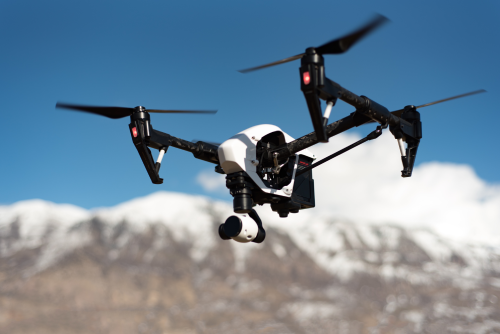
The best beginner drones in India are not always the cheapest ones. For most first-time buyers, a small, stable drone with reliable return-to-home, easy controls, spare parts, and real after-sales support is a far better choice than a flashy marketplace listing promising “8K” and huge range.
This guide breaks down the best beginner drones in India by use case, explains what actually matters before you buy, and helps you avoid the common mistakes that make a first drone purchase frustrating.
Quick Take
- For most beginners in India, a small GPS-stabilised camera drone is the safest and most sensible starting point.
- If your budget is tight and you mainly want to learn basic control, a tiny indoor trainer is smarter than a cheap outdoor “camera drone.”
- If you want proper aerial photos and videos, start with an entry-level mini camera drone, not a toy-grade foldable drone.
- If you only care about social clips, travel snippets, and easy flying, a lightweight selfie-style drone can be enough.
- If you want FPV, which means first-person-view flying through goggles, start with a protected beginner-focused setup, not a racing quad.
- In India, always verify the latest DGCA and Digital Sky rules, your flying area, and the drone’s compliance status before buying or flying.
What makes a beginner drone worth buying in India?
A beginner drone should do three things well:
- Help you learn safely.
- Survive small mistakes.
- Still feel useful after the first month.
That sounds obvious, but many first-time buyers focus on the wrong things.
Start with your actual use case
Before comparing drones, ask one simple question: what will you really do with it?
Your answer changes what “best” means.
- Student or hobbyist learning controls: a micro trainer or low-risk starter drone makes sense.
- Travel creator or family user: a lightweight camera drone is better.
- Reel maker or vlogger: quick-start, automated modes, and simple sharing matter more than advanced manual control.
- Real-estate preview or small business user: stability, reliable hover, battery life, and clean video matter more than flashy features.
- FPV fan: you need a very different kind of starter setup.
A lot of people in India buy a drone thinking they will use it every weekend, then realise they only have a few safe places to fly. So choose the drone that matches your real locations and habits, not your most ambitious plan.
Prioritise stability over camera claims
For beginners, the most important feature is not resolution. It is stability.
Look for these features first:
- Satellite-based positioning, often called GPS: helps the drone hold position instead of drifting.
- Return-to-home (RTH): a safety feature that can bring the drone back if signal drops or battery gets low.
- Beginner or cine mode: slows down the controls so the drone feels calmer.
- Good hover performance: makes learning much easier.
- Reliable app and controller connection: crucial for safe flying.
- Spare battery and propeller availability: you will need both.
A drone with a basic but stable camera is much more useful than a drone with big resolution claims and poor control.
In India, after-sales support matters a lot
This is one of the biggest differences between a good first purchase and a bad one.
A beginner in India should care about:
- Who will repair it if it crashes?
- Are propellers, batteries, and chargers easy to get?
- Is the seller genuine?
- Is there any local warranty, service partner, or known support route?
- Will the app and firmware still work properly six months later?
A cheap no-name drone becomes expensive very quickly if you cannot get a battery, propeller arm, or charger after a small crash.
Buy for Indian flying conditions, not perfect lab conditions
India is not an easy environment for flimsy drones.
Think about:
- Wind: open grounds, coastal areas, hills, and terraces can be much windier than they look.
- Heat: batteries degrade faster if left in hot cars or used carelessly in peak summer.
- Dust: dusty takeoff spots can damage motors and gimbals.
- Crowds: many parks, tourist areas, and neighbourhood spaces are simply not beginner-friendly.
- Monsoon season: humidity and sudden wind changes make flying riskier.
For most buyers, this means a small but properly stabilised drone is a better first choice than an ultra-cheap foldable drone with no real positioning system.
Why I am cautious about very cheap marketplace drones
Many first-time buyers are tempted by listings that promise:
- 4K or 8K video
- obstacle avoidance
- long range
- long flight time
- ultra-low price
The problem is that many of these drones are basically toys with inflated marketing.
Typical issues include:
- poor or fake stabilisation
- heavy drift outdoors
- weak battery quality
- unreliable calibration
- poor app support
- no real spare parts pipeline
- unclear compliance status
That does not mean every low-cost drone is useless. It just means you should treat them as toys for basic fun, not as serious beginner camera drones.
Best beginner drones in India
The Indian market changes quickly, especially around availability, imports, and support. So the shortlist below mixes specific model examples with drone types. Treat these as the most sensible beginner options to research, and always verify current seller legitimacy, warranty, and legal compliance before buying.
| Drone | Best for | Why beginners like it | Main watch-out |
|---|---|---|---|
| Micro trainer or Tello-class drone | Indoor practice, students, low-risk learning | Cheap way to learn takeoff, landing, orientation, and throttle control | Not a serious outdoor camera drone |
| DJI Neo | Casual creators, travel snippets, easy social content | Less intimidating, quick-start feel, easier for non-technical users | Limited wind confidence and less “serious drone” control |
| DJI Mini 4K | Most first-time camera drone buyers | Stable hover, proper controller experience, strong learning platform | Fewer advanced safety aids than pricier models |
| DJI Mini 3 | New creators who want room to grow | Better camera headroom and more flexible shooting | Costs more than many true beginners need |
| DJI Mini 4 Pro | Buy-once beginners with a bigger budget | Advanced safety and tracking features, harder to outgrow | Expensive, and automation can make new pilots overconfident |
| DJI Avata 2 or a protected beginner FPV kit | Beginners committed to FPV | More approachable than open racing builds, immersive flying | Different learning curve, higher cost, extra caution needed |
Best for indoor learning: a micro trainer or Tello-class drone
If you have never flown before and mainly want to learn basic control, a tiny trainer is still a smart starting point.
This kind of drone is best for:
- students
- younger beginners with supervision
- people with limited budget
- anyone who wants to practice indoors or in a very controlled space
What it teaches well:
- takeoff and landing
- stick coordination
- left-right orientation when the drone faces you
- smooth throttle control
- patience with battery management
Its biggest advantage is confidence. You can make mistakes without risking a much costlier drone.
But be clear about its limits. A micro trainer is usually not the right tool for outdoor aerial photography. Wind affects it badly, the camera is basic, and app ecosystems on older models can feel dated. Only buy one if batteries and propellers are still available from a reliable source.
This is the best “first drone” only if your goal is learning, not content creation.
Best for quick social clips and easy flying: DJI Neo
If your dream is not cinematic landscape work but quick, fun clips for social media, travel moments, and family use, the DJI Neo is one of the easiest beginner options to understand.
Why it works well for new users:
- it feels less intimidating than a traditional camera drone
- it is built around simple, fast use
- it suits short-form content and casual shooting
- it lowers the “I need to become a pilot first” barrier
This is the kind of drone that makes sense if you want:
- holiday clips
- family outings
- simple creator content
- a drone that feels more approachable than technical
Where it falls short:
- stronger wind can be a problem
- it is not the ideal tool for slow, polished cinematic shots
- experienced users will outgrow it faster than a proper mini camera drone
In short, the Neo is a very good beginner drone for people who want convenience first. It is not the best choice if your main goal is to learn full drone handling or build a serious photography workflow.
Best first serious camera drone: DJI Mini 4K
For most people buying their first “real” drone camera, the DJI Mini 4K is the sweet spot.
This is the one to consider if you want to learn actual drone fundamentals:
- pre-flight checks
- smooth takeoff and landing
- stable hovering
- basic camera movement
- return-to-home behaviour
- battery planning
- situational awareness in open spaces
Why it suits beginners well:
- it gives you a proper controller-based flying experience
- it is easier to trust than toy-grade foldable drones
- image quality is good enough for real travel and hobby use
- it is simple enough for a first drone but useful enough to keep
It is especially good for:
- travel shooters
- hobby creators
- first-time aerial photographers
- buyers who want value instead of gimmicks
Its limits are important too. Entry-level minis usually do not give you every advanced safety feature that expensive drones do. So you still need clean flying habits, open space, and discipline. But that is not a weakness for learning. In many ways, it teaches the right habits earlier.
If you want one safe, sensible recommendation for most first-time buyers in India, this is the profile to aim for: a proper mini camera drone in this class.
Best value upgrade for creators: DJI Mini 3
If you already know you want more than casual drone use, the DJI Mini 3 is an excellent beginner-plus option.
This is the model class for people who say:
- “I know I’ll use it often.”
- “I care about image quality.”
- “I want something I won’t outgrow in three months.”
- “I create travel, lifestyle, or property content.”
Why it stands out:
- stronger overall creator appeal
- more room to grow into better shooting habits
- better long-term value for people who will actually use it
- easier to justify if you plan regular content work
This is a good pick for:
- serious hobbyists
- travel creators
- beginner real-estate content shooters
- users who want better camera flexibility without going fully premium
The catch is simple: many pure beginners do not need to spend this much on their first drone. If you fly only a few times a year, the extra money may not translate into extra value. But if you already know you are serious, the Mini 3 is often the smarter long-term buy than getting a cheaper drone and upgrading too quickly.
Best “buy once” beginner drone: DJI Mini 4 Pro
Some beginners do not want a starter drone. They want the drone they can keep for years.
If that is you, the DJI Mini 4 Pro is the high-end beginner-friendly option worth considering.
Why new pilots like it:
- stronger safety tech
- better automated tracking and assistance
- easier to grow into advanced flying and shooting
- less chance of wanting an upgrade too soon
It makes sense for:
- creators who can afford a premium first drone
- buyers who value safety features
- people who want a sub-250g style platform with more capability
- users planning regular travel and content work
But there is one important warning: advanced features do not make you an advanced pilot. Some beginners become careless because the drone feels too smart. Obstacle sensing and tracking are helpful, but they are not magic. Wires, branches, reflective surfaces, side angles, and bad judgment can still cause crashes.
So yes, this is one of the best beginner drones in India if budget is not your biggest concern. But it is best for disciplined beginners, not impatient ones.
Best FPV starter for committed learners: DJI Avata 2 or a protected beginner FPV kit
FPV flying is a different world.
It is faster, more immersive, and far more dependent on practice. If you want the feeling of flying through the scene, not just filming from above, FPV can be incredibly rewarding. But it is not the easiest path for a casual beginner.
If FPV is truly your goal, avoid jumping straight into a powerful open-prop racing build. Start with either:
- a protected beginner-focused FPV drone, or
- a mainstream easier-entry model like the DJI Avata 2
Why that route is better:
- enclosed or protected designs feel less intimidating
- setup is simpler than custom racing builds
- you can focus on learning FPV habits first
- it is safer than starting with a high-power freestyle quad
This suits:
- creators who want immersive motion shots
- learners who are willing to practise seriously
- people who understand that FPV is a skill path, not just a gadget purchase
It does not suit:
- buyers who only want holiday photos
- people with no safe open practice area
- those who want the lowest-cost route
FPV is exciting, but it deserves respect. If you choose it, commit to slow training, safe spaces, and current legal verification before you fly.
Which beginner drone should you buy?
If you want the fastest recommendation, use this:
- Buy a micro trainer if you mainly want cheap indoor practice and basic flying confidence.
- Buy a DJI Neo-type drone if you want the easiest social-content-friendly start.
- Buy a DJI Mini 4K-type mini camera drone if you want the best first serious drone for most people.
- Buy a DJI Mini 3-type drone if you already know content creation matters to you.
- Buy a DJI Mini 4 Pro-type drone if you have the budget and want to avoid upgrading soon.
- Buy an Avata 2-type FPV drone only if FPV is your clear goal from day one.
For most Indian beginners, the smartest answer is still simple: get a small, stable camera drone from a reputable brand and seller, with batteries and parts you can actually replace.
Safety, legal, and compliance checks for India
This part matters as much as the drone itself.
Drone rules in India can depend on the aircraft category, location, airspace, and whether you are flying recreationally or for work. Regulations and platform requirements can change, so do not rely on old videos, seller claims, or social media comments.
What to verify before buying or flying
-
Check the latest official DGCA and Digital Sky guidance.
Verify current requirements for your drone class, your intended use, and the area where you plan to fly. -
Confirm the drone’s seller and paperwork.
Ask about invoice, serial number, warranty, firmware support, and how the seller handles service or replacement parts. -
Understand that small size does not mean no rules.
A sub-250g drone is often easier to start with, but it is not a free pass to ignore airspace, privacy, or local restrictions. -
Check your flying location carefully.
Avoid airports, military or sensitive government areas, crowds, busy roads, wildlife zones, and places where people reasonably expect privacy. -
Be careful with terraces and housing societies.
These are often poor beginner flying spaces because of wires, antennas, walls, wind turbulence, and neighbour complaints. -
Do your first flights in calm, open space.
Early morning with low wind is usually best. -
Learn your safety settings before going high or far.
Set home point properly, wait for good satellite lock, and know how return-to-home behaves. -
Look after your batteries.
Do not leave them in a hot car, do not charge damaged packs, and do not fly swollen or wet batteries.
If you plan to use a drone for paid work, client shoots, surveys, inspections, or any commercial activity, verify the latest operational requirements before accepting a job.
Common mistakes beginners make
1. Buying on camera numbers alone
A stable 4K drone is better than a shaky “8K” drone with poor control.
2. Starting in a bad location
Your first flight should not be from a balcony, terrace corner, small park full of people, or a windy beach.
3. Skipping spare batteries
With just one battery, beginners rush, panic, and learn less. Two or three batteries make practice much more productive.
4. Ignoring repairs and support
A drone with no battery supply or propeller availability is not a bargain.
5. Overtrusting automation
Return-to-home, tracking, and obstacle sensing are helpful, but they do not replace judgment.
6. Choosing FPV because it looks cool
FPV is great, but it is a separate skill path. If your real goal is travel photography, a mini camera drone is the better first purchase.
7. Flying in poor weather
Light wind on the ground can be much stronger higher up. Beginners should avoid gusty, rainy, or unstable conditions.
FAQ
What is the best beginner drone in India for most people?
For most buyers, it is a small GPS-stabilised camera drone with return-to-home, reliable spare parts, and good support. In practical terms, that usually means a mini camera drone rather than a toy-grade foldable drone.
Should I start with a toy drone or a proper camera drone?
Start with a toy or micro trainer only if your main goal is cheap indoor practice. If your real goal is outdoor aerial video and photos, go straight to a proper GPS-stabilised camera drone.
Is a sub-250g drone always the best choice?
Often, yes. It is easier to carry, less intimidating, and usually the simplest class for beginners to consider. But it is not automatically the best in wind, and it does not remove the need to verify legal and airspace rules.
Do I need a licence or registration to fly a beginner drone in India?
It depends on the drone, where you fly, and what kind of operation you are doing. Always verify the latest official DGCA and Digital Sky requirements rather than trusting a seller’s one-line answer.
Are cheap marketplace drones worth it?
Only if you treat them as toys. They can be fine for casual experimentation indoors or in a very controlled space, but most are not the best way to start serious outdoor drone flying or content creation.
Can I buy a used drone as my first drone?
Yes, but inspect it carefully. Check battery health, crash history, gimbal condition, calibration behaviour, app activation status, spare parts availability, and whether the seller has the original invoice and accessories.
How many batteries should a beginner buy?
Two is the practical minimum. Three is even better if you want meaningful practice in one session. One battery usually makes learning feel rushed.
Can I fly my drone from my terrace or local park?
For beginners, that is usually not ideal. Terraces create turbulence and obstacle risks, and local parks may be crowded or locally restricted. Start in a wide, open, low-risk area after checking current rules.
Is FPV a good first drone?
Only if FPV is your main goal and you are willing to learn patiently. For most people who want travel shots, family videos, or general aerial photography, a GPS camera drone is the better first choice.
Final takeaway
If you want the safest answer, buy a small, stable camera drone from a reputable seller and verify current Indian rules before you fly. If your budget is tight, start with a micro trainer; if your goal is easy social content, a Neo-style drone makes sense; and if you want a proper first drone you can truly learn on, a Mini 4K or Mini 3 class drone is the best place to begin.
