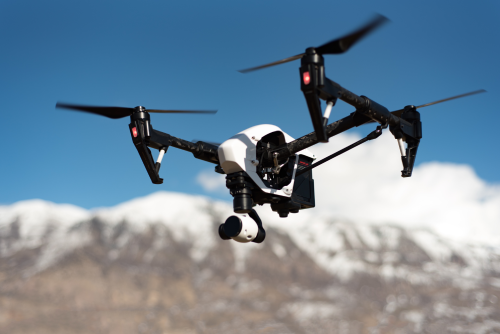
If you are looking for the best drones under ₹1 lakh in India, this budget is a sweet spot. It is high enough to get a reliable GPS-stabilised camera drone with genuinely usable footage, but still far below enterprise, mapping, or agricultural systems.
The challenge is that two drones with similar “4K” marketing can feel completely different in real use. In India, the smarter buy usually comes down to stability, battery ecosystem, repair support, and whether the drone suits your actual flying locations and legal requirements.
Quick Take
Here is the short version if you want the best drones under ₹1 lakh in India without reading the full guide first:
- Best overall for most buyers: DJI Mini 4 Pro
- Best value for creators: DJI Mini 3
- Best beginner budget pick: DJI Mini 4K
- Best older premium option if priced right: DJI Mini 3 Pro
- Best non-DJI alternative: Autel EVO Nano+
- Best for action and FPV learning: A carefully planned custom FPV setup, not a random ready-made kit
Key buying advice:
- For most Indian buyers, a small camera drone is more useful than FPV.
- A sub-250g class drone is attractive for portability and simpler hobby use, but it is not a free pass to ignore rules.
- Do not judge a drone by advertised resolution alone. A stable gimbal, safer flight behaviour, and easy access to spare batteries matter more.
- If your goal is surveying, spraying, thermal inspection, or serious industrial work, ₹1 lakh is usually the wrong budget. Rent or move up to specialised platforms.
What ₹1 lakh actually gets you in India
Under ₹1 lakh, you are usually shopping in one of three buckets:
1. Serious beginner and travel camera drones
This is the best zone for most people.
You get:
- GPS-based position hold
- Return-to-home
- Stable 3-axis gimbal footage
- Good-enough photo and video quality for social media, YouTube, travel, and basic client work
- Foldable designs that are easy to carry
This is where the DJI Mini series stands out.
2. Older premium drones or used higher-tier drones
If you are open to older stock or a carefully inspected used drone, you can sometimes get:
- Better image quality
- More obstacle sensing
- Stronger wind performance than ultra-light minis
But you also take on:
- Battery ageing risk
- Harder repairs
- Lower resale confidence
- Uncertain support depending on seller
3. FPV builds and cinewhoops
These are exciting, but they are a very different category.
They are better for:
- Fast action shots
- Dynamic flying
- Creative reels
- Learning manual flight
They are worse for:
- Easy beginner use
- Family travel videos
- Plug-and-play operation
- Clean audio-free, ready-to-share footage without practice
If you are buying your first drone mainly for photography, real estate, travel, or general content, a standard camera drone is usually the better choice.
Best drones under ₹1 lakh in India
Comparison table
| Drone | Best for | Why it stands out | Main tradeoff |
|---|---|---|---|
| DJI Mini 4 Pro | Most buyers, creators, solo shooters | Very complete feature set in a compact body, strong safety features, great travel use | Costs more once you add spare batteries and accessories |
| DJI Mini 3 | Value-focused creators and hobbyists | Strong image quality and portability at a lower entry cost | No obstacle sensing |
| DJI Mini 4K | Beginners and students | Reliable entry point into real camera drones, simple and practical | More basic imaging and fewer advanced features |
| DJI Mini 3 Pro | Buyers finding a good deal on older stock or used units | Premium mini-drone features still hold up well | Must compare carefully against Mini 4 Pro pricing and battery health |
| Autel EVO Nano+ | Buyers who want a compact DJI alternative | Strong small-drone camera package and obstacle sensing | Service, battery availability, and resale can be weaker in India |
| Custom FPV setup | Action creators and enthusiasts | Most immersive and dynamic footage for the money | Steep learning curve, higher maintenance, not ideal as a first drone |
DJI Mini 4 Pro
Best overall under ₹1 lakh for most Indian buyers
If your budget stretches close to the top of this category, the DJI Mini 4 Pro is the easiest high-confidence recommendation for most people.
Why it works so well:
- Compact and easy to carry
- Very good image quality for its size
- Excellent beginner-friendly flight behaviour
- Advanced obstacle sensing compared with cheaper options
- Vertical shooting is useful for Instagram Reels, Shorts, and client social media work
- Strong all-rounder for travel, real estate exteriors, tourism content, and solo creators
Who should buy it:
- Travel creators
- YouTubers
- Real-estate photographers doing exterior work
- Small businesses making social content
- Beginners who want fewer “what if I crash?” worries
Watch-outs:
- The base drone price is only part of the story. Spare batteries, a better controller, a case, and memory cards can push the total much higher.
- A mini drone is still a mini drone. In strong wind, larger aircraft can hold better.
- If you mostly shoot in simple, open locations, you may not need to pay extra for all its premium features.
Best for: the buyer who wants one compact drone that does almost everything well.
DJI Mini 3
Best value for creators
For a lot of Indian buyers, the DJI Mini 3 is the sweet spot.
It cuts back some premium features but keeps the parts that matter most in daily use:
- Good stabilised footage
- Great portability
- Vertical shooting for social media
- Simple flying experience
- Strong battery efficiency for the class
Why it is such a good buy:
- The footage is more than enough for Instagram, YouTube, travel, college projects, and basic client reels
- It is easier to justify than a higher-end mini if you are still learning
- Accessories and user support are easier to find compared with smaller brands
Main compromise:
- It does not give you the same obstacle-sensing safety net as pricier models
That matters if you plan to fly:
- Near trees
- Around buildings
- In tighter spaces
- While tracking movement
But if you mostly fly in open fields, resorts, beaches where permitted, farms where legal, or travel destinations with open takeoff points, the Mini 3 is often the best value in the category.
Best for: buyers who want strong image quality and portability without paying for every premium extra.
DJI Mini 4K
Best beginner budget pick
The DJI Mini 4K is the drone for people who want to stop wasting money on toy drones and start learning on a proper platform.
It makes sense for:
- Students
- First-time hobbyists
- Families
- Casual travellers
- Buyers who want a dependable second camera rather than a full-time client machine
Why it works:
- GPS stabilisation makes it far easier to fly than cheap foldable “4K” toy drones
- You get predictable flight behaviour, safer hovering, and much better footage
- It is a practical way to learn pre-flight checks, framing, battery management, and landing discipline
What to expect:
- Good daylight footage
- Smooth gimbal-stabilised video
- Enough quality for personal content and light social media use
What not to expect:
- Premium tracking
- Strong obstacle avoidance
- Great low-light performance
- The flexibility of higher-end creator drones
This is the model for the buyer who says, “I want a real drone, not a toy, but I also don’t want to overspend before I know how much I’ll use it.”
Best for: learning aerial photography the right way.
DJI Mini 3 Pro
Best older premium option if priced right
If you find the Mini 3 Pro new at a good discount, or used in excellent condition from a trustworthy seller, it is still a strong buy.
Why it remains relevant:
- Premium mini-drone feature set
- Better safety and shooting flexibility than simpler entry models
- Compact enough for travel
- Strong creator appeal for both horizontal and vertical content
This can be the smart pick when:
- The Mini 4 Pro is a bit too expensive
- The Mini 3 feels a bit too basic
- You find a unit with healthy batteries and proof of purchase
Things to check carefully:
- Battery condition
- Gimbal history
- Signs of crash repair
- Charger and controller health
- Whether the price gap versus a newer Mini 4 Pro is actually meaningful
Best for: buyers who want premium mini features without paying full current-generation money.
Autel EVO Nano+
Best non-DJI alternative
Some buyers simply do not want to lock into the DJI ecosystem, or they find a better local deal on Autel.
The EVO Nano+ is worth considering because it offers:
- A compact, creator-friendly body
- Good image quality for the size
- Obstacle sensing in a small-drone format
- A genuine alternative to the mini-drone mainstream
Why it is not the default recommendation in India:
- Battery and spare-part availability can be less predictable
- Fewer people around you will know how to troubleshoot it
- Resale is often weaker than DJI
- Service experience depends heavily on the seller
That does not make it a bad drone. It just means the buying decision should be more practical.
Buy it if:
- You have a reliable seller
- You can confirm support and spare battery availability
- The deal is clearly better than the DJI equivalent for your needs
Skip it if:
- You want the safest after-sales path
- You care about easy accessory availability
- You may resell within a year or two
Best for: buyers who want a compact alternative and have strong seller support.
Custom FPV setup
Best for action creators, but not the best first drone
A custom FPV drone setup can fit under ₹1 lakh if you budget carefully for:
- Drone
- Goggles
- Radio controller
- Batteries
- Charger
- Spare props
- Simulator practice
Why people love FPV:
- Fast, dramatic, immersive footage
- Dynamic shots through spaces and around subjects
- Huge creative upside for sports, automobiles, biking, and cinematic reels
Why it is not the right default recommendation:
- It is harder to learn
- Crashes are part of the process
- Maintenance is normal, not exceptional
- You need simulator time before real flights
- It is not the easy “family trip drone” people imagine
If your main goal is:
- Vacation footage
- Landscapes
- College projects
- Property overviews
- Casual content creation
Then a standard camera drone is the better first buy.
Best for: experienced hobbyists or dedicated learners who specifically want FPV.
Which one should you buy based on your use case?
Buy the DJI Mini 4 Pro if:
- You want the best all-round experience under this budget
- You will shoot often
- You want stronger safety features
- You create social media content for yourself or clients
- You prefer buying once rather than upgrading quickly
Buy the DJI Mini 3 if:
- You want the best balance of price and actual output
- You mostly fly in open areas
- You care more about results than premium features
- You want a lightweight creator drone without stretching to the top end
Buy the DJI Mini 4K if:
- This is your first proper drone
- You want to learn safely and cheaply
- You are upgrading from a toy drone
- You do not need advanced tracking or obstacle sensing
Buy the DJI Mini 3 Pro if:
- You find a clearly good deal
- You are comfortable comparing older models
- You are open to used or old-stock units after inspection
Buy the Autel EVO Nano+ if:
- You have a trusted seller and support channel
- You want a compact non-DJI choice
- The total ownership cost still makes sense
Build an FPV setup if:
- You specifically want immersive flying
- You are ready to practice in a simulator
- You accept repairs and tuning as part of the hobby
How to choose the right drone under ₹1 lakh
1. Start with your actual output
Ask yourself what you want to create.
- Travel videos
- Reels and Shorts
- YouTube vlogs
- Property overviews
- College projects
- Action footage
If the answer is anything other than fast action, a camera drone is probably right.
2. Prioritise stability over paper specs
A true 3-axis gimbal, reliable GPS hold, and predictable return-to-home matter more than flashy marketing.
A cheap drone claiming “8K” but producing shaky footage is not a bargain.
3. Budget for the real cost, not just the drone
Many first-time buyers forget these costs:
- At least one extra battery
- Fast memory card
- Spare propellers
- Carry case
- Landing pad
- ND filters if you shoot regularly in bright sun
- Replacement costs if the gimbal gets damaged
A drone that looks cheaper on day one can become more expensive if batteries or props are hard to find.
4. Think about after-sales support in India
Before paying, ask:
- Is there a GST invoice?
- Are genuine batteries available?
- Can the seller help with setup and activation?
- Where will repairs happen?
- How long do spare parts usually take?
- What happens if the controller or gimbal develops a fault?
This is where mainstream models often justify their price.
5. Match the drone to your flying locations
In India, safe and legal flying space is often more limited than buyers expect.
If you mostly fly in:
- crowded cities
- tourist hotspots
- near infrastructure
- built-up colonies
then safety features and conservative flying behaviour matter more.
6. Do not ignore the weather factor
Indian flying conditions can be tough:
- strong coastal winds
- summer heat
- dust
- humidity
- haze
A lighter mini drone is excellent for travel, but you still need to fly conservatively in changing conditions.
Safety, legal, and compliance checks in India
This part matters as much as the drone itself.
Before buying or flying, verify the latest official guidance from the relevant Indian authorities. Rules, airspace processes, and platform requirements can change, and your obligations may differ based on the drone’s category, weight, and whether you are flying recreationally or for work.
A few safe, practical rules to follow:
- Check the latest DGCA and Digital Sky guidance before purchase and before serious commercial use.
- Confirm whether your exact model and intended use involve registration, pilot certification, NPNT-related compliance, or other formal requirements.
- Always check current airspace restrictions before flying.
- Do not fly over crowds, moving traffic, public gatherings, or sensitive sites.
- Avoid airports, defence areas, government compounds, dams, and other high-sensitivity locations unless you have clear legal clearance.
- Keep the drone within visual line of sight.
- Treat sub-250g drones as easier to own, not as permission to fly anywhere.
- If you are doing paid work, consider insurance and written client permissions where relevant, and verify current options before operating.
A practical India-specific point: even where a flight seems technically possible, local enforcement and site-level restrictions can still stop you. Tourist places, beaches, heritage sites, and city landmarks are especially important to double-check in advance.
Should you buy used under ₹1 lakh?
Sometimes, yes.
A used or open-box drone can be a smart way to get into a higher tier. But only if you inspect it properly.
Check these before buying:
- Serial number and invoice
- Battery age and health
- Gimbal smoothness
- Any calibration errors
- Crack marks near arms or motors
- Charging hub and controller condition
- Propeller mounts
- Whether the drone has ever had a hard crash
Good used buys can be excellent value.
Bad used buys can become expensive very quickly.
If you are not experienced, it is usually safer to buy a simpler new drone than a premium used one with hidden issues.
Common mistakes buyers make
Buying the “highest resolution” drone instead of the best overall system
A stable 4K drone with a good gimbal is better than a shaky drone with inflated claims.
Underestimating battery costs
One battery is rarely enough for a proper outing. A serious buyer should plan for extra batteries from day one.
Choosing FPV as a first drone for normal content
FPV is amazing, but it is not the easiest or cheapest way to start shooting travel or real estate content.
Assuming a small drone means no rules
Even small drones need responsible flying. Always verify current legal requirements.
Ignoring seller quality
A cheap import without service backing can be frustrating when you need batteries, firmware help, or repairs.
Flying in bad wind just because the app says takeoff is possible
Apps do not replace judgement. Small drones can get stressed quickly in gusty conditions.
Forgetting storage, controller, and workflow
If your phone overheats, your controller cable is unreliable, or your memory card is too slow, the flying experience becomes annoying fast.
FAQ
Which is the best drone under ₹1 lakh in India overall?
For most buyers, the DJI Mini 4 Pro is the most complete option. It offers the best mix of portability, image quality, safety features, and creator-friendly tools.
Which drone under ₹1 lakh offers the best value?
The DJI Mini 3 is the value leader for many users. It gives you very usable footage and strong portability without forcing you to pay for every premium feature.
Is the DJI Mini 4K enough for YouTube or Instagram?
Yes, for many beginners and hobby creators it is enough. The footage is usable, especially in good daylight, but it is more limited than higher-end models in difficult lighting and advanced shooting scenarios.
Can I do professional work with a drone under ₹1 lakh?
Yes, for some types of work. Social media content, property exteriors, resort marketing, tourism reels, and basic promotional videos are realistic. Survey-grade mapping, thermal work, spraying, and heavy industrial use usually need a different class of drone.
Should I buy a sub-250g drone in India?
For many beginners, yes. They are easier to carry, easier to live with, and often the most practical starting point. But you should still verify the latest legal and airspace rules before flying.
Is it better to buy a used premium drone or a new mid-range drone?
If you can properly inspect the used unit, a premium used drone can be great value. If you cannot verify battery health, crash history, and serviceability, a new mid-range drone is the safer choice.
Do I need insurance for a drone under ₹1 lakh?
Not every hobby user will buy it, but it is worth considering if you fly often, travel with the drone, or use it for client work. Verify current policy availability and terms before relying on coverage.
What accessories should I budget for immediately?
At minimum:
- one extra battery
- spare propellers
- a quality memory card
- a protective case or bag
For regular shooting, also consider ND filters, a landing pad, and a better charger setup.
Can I fly my drone at weddings, events, or tourist places?
Do not assume yes. Crowds, event venues, and many tourist locations create safety and permission issues. Verify the current legal position, the venue’s own policy, and whether the operation can be done safely without flying over people.
Final takeaway
If you want the best drones under ₹1 lakh in India, do not chase the loudest spec sheet. Buy the drone that you can legally fly, safely manage, easily maintain, and actually use often.
For most people, that means choosing between the DJI Mini 4 Pro, DJI Mini 3, and DJI Mini 4K based on budget. If you are shopping carefully in the used market, the Mini 3 Pro can still be excellent. And if what you really want is high-energy action footage, skip the camera-drone mindset and build toward FPV properly.
The next step is simple: decide whether you are a beginner, creator, or FPV learner first. Once that is clear, the right drone under ₹1 lakh becomes much easier to pick.
