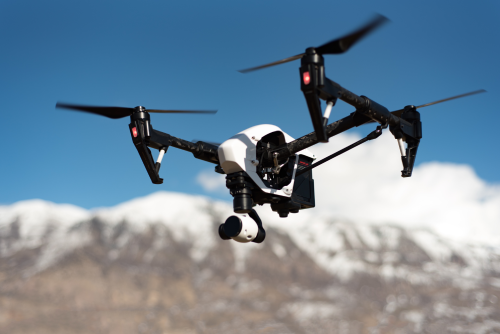
Festivals and events look amazing from the air, but they are also some of the hardest drone shoots to do well. If you want to learn how to shoot drone videos for festivals and events, you need more than smooth flying: you need a plan for safety, permissions, timing, crowd control, and a shot list that matches the mood of the occasion.
In India, that challenge is even bigger because many events happen in crowded streets, near homes, under temporary lighting, or around religious activity. A good event drone video feels cinematic without being intrusive or unsafe.
Quick Take
- Start with permissions and location checks, not camera settings.
- Never plan low passes over dense crowds, processions, or stage areas.
- Use a simple shot list: venue reveal, crowd wide, movement shot, detail shot, climax shot, closing shot.
- Fly slowly. Festivals usually look better with calm, deliberate movement than aggressive moves.
- In India, 25fps or 50fps can help reduce flicker under some artificial lights because many venues run on 50Hz power.
- Lock white balance and exposure as much as possible so clips match in editing.
- Use early morning, golden hour, or blue hour when possible. Deep night drone footage is harder than it looks.
- Bring a spotter, meaning an assistant who watches the drone, people, and obstacles while you frame the shot.
- Keep a safe takeoff and landing zone that is clear of people.
- Verify the latest DGCA, Digital Sky, airspace, and local permission requirements before flying.
Why festival and event drone shoots are different
A normal landscape shoot gives you time. A festival or event does not.
You are dealing with:
- moving people
- changing light
- decorations, poles, wires, and temporary structures
- loud sound and distractions
- limited battery windows
- sensitive cultural or religious moments
- organisers who want results quickly
That means the best event drone pilots are usually the ones who are organised, not the ones who fly the most aggressively.
A great festival video also needs a story. Random overhead clips may look nice for a few seconds, but they rarely feel memorable. Your job is to show scale, energy, emotion, and flow.
Plan the shoot before the event starts
The biggest difference between average and professional-looking event footage is planning.
1. Understand the event
Ask these questions before the day of the shoot:
- What kind of event is it?
- religious festival
- wedding
- school or college event
- sports day
- corporate event
- fair or mela
- concert or stage show
- Is it in an open ground, street, farm, beach, resort, or indoor venue?
- When will the best visual moment happen?
- How dense will the crowd be?
- Where can you safely take off and land?
- Will there be fireworks, lasers, smoke machines, or tall light rigs?
- Is the client expecting a short social media reel, a cinematic film, or full event coverage?
The answers change everything.
A Navratri garba night, a Ganesh procession, a school annual day, and a luxury wedding may all need a drone, but they should not be shot the same way.
2. Recce the location
If possible, visit the venue in advance.
Look for:
- power lines
- trees
- mobile towers
- flag poles
- temple spires or decorative arches
- stage truss and lighting structures
- kites and birds
- narrow streets
- traffic movement
- safe launch and recovery points
Also check the sun direction. If the main stage faces harsh backlight in the evening, your footage may lose detail unless you plan around it.
If you cannot recce in person, ask the organiser for:
- a venue map
- schedule
- stage layout
- procession route
- crowd estimate
- no-fly or restricted areas inside the venue
3. Build a shot list
Do not go to a festival and “see what happens.” You will miss the best moments.
A simple working shot list:
- High establishing shot of the venue or area
- Slow reveal of decorations, pandal, stage, or gathering
- Wide shot showing crowd scale
- Side movement shot showing activity and energy
- One top-down shot for patterns or symmetry
- One hero shot of the key moment
- Exit shot or closing pull-back
This is enough to create a solid 30 to 90 second edit.
4. Coordinate with the organiser
A short conversation before the event can save the entire shoot.
Confirm:
- who gives final go-ahead to fly
- what time the crowd starts building
- whether announcements can be made before takeoff
- where people should not stand during launch and landing
- who can help create a clear area if needed
- whether any rituals or stage acts are sensitive and should not be interrupted
If you are shooting a religious event, be extra careful. Some moments are best filmed from a respectful distance or not by drone at all.
Safety, permissions, and compliance in India
This part matters more than the edit.
Drone rules in India can depend on the location, airspace, type of operation, and the drone you are using. Before flying at any festival or event, verify the latest official guidance on DGCA and Digital Sky, along with venue permission and any local administrative instructions.
What to verify before you fly
- Whether the location is in an area where drone operations are restricted or prohibited
- Whether your drone and planned operation meet current legal requirements
- Whether you need permission from the organiser, property owner, local authority, or police
- Whether there are nearby airports, heliports, government buildings, military areas, or other sensitive locations
- Whether there are temporary restrictions because of VIP movement, security arrangements, or local orders
Practical safety rules that should be non-negotiable
- Do not fly directly over dense crowds.
- Do not attempt dramatic low passes over people for social media.
- Keep a clear takeoff and landing zone.
- Use a spotter whenever the area is busy.
- Do not fly near fireworks or pyrotechnics.
- Stay away from overhead cables and temporary lighting rigs.
- Avoid hovering close to balconies, terraces, or private homes.
- Respect privacy and religious sensitivity.
- If wind, confusion, or crowd pressure make the flight feel rushed, do not launch.
One important point: an organiser saying “it’s okay” does not automatically make the flight legally or operationally safe. Venue permission is only one part of the decision.
Gear you should carry for event shoots
You do not need a massive kit, but you do need a reliable one.
Essential gear
- Drone in good condition
- Fully charged batteries
- Controller and phone or screen device
- Fast memory cards
- Spare propellers
- Charging setup for travel or venue support
- Landing pad or clean takeoff surface
- Lens cloth
- Battery storage case
- Power bank
- Sun hood if you struggle to see the screen outdoors
Very useful extras
- ND filters, which are neutral density filters that reduce incoming light so you can keep more natural shutter speeds in daylight
- High-visibility vest if you are working in a public event
- Cones or small markers to keep people away from the launch area
- Rain cover or basic weather protection for your gear
- A second drone if the job is critical and budget allows
For events, battery discipline matters. Label batteries, track flight time, and avoid guessing what charge is left.
Camera settings that usually work well
There is no one perfect setting, but some choices are safer and more consistent.
Resolution
Shoot in the highest practical resolution your workflow can handle, often 4K if your drone supports it well. This gives you room to crop slightly in editing and makes your final export cleaner.
Frame rate
For cinematic event coverage, 25fps is a strong default in India.
Why?
Because many indoor and stage lighting setups in India are tied to 50Hz power. Shooting at 25fps or 50fps can reduce visible flicker under some lights compared with 30fps or 60fps. It is not a guarantee, but it often helps.
Use:
- 25fps for standard cinematic footage
- 50fps if you want smoother motion or mild slow motion
- 30fps only if your final project or client specifically needs it
- 60fps mainly for action-heavy moments, not every shot
Shutter speed
A good starting point is shutter speed around double your frame rate:
- 25fps: around 1/50
- 50fps: around 1/100
That is why ND filters are useful in daylight. Without them, your shutter may become too fast and motion can look choppy or harsh.
ISO
Keep ISO as low as possible. Higher ISO adds noise, especially in evening or night scenes.
White balance
Do not leave white balance on auto if lighting is changing quickly between shots. Auto white balance can make one clip warm and the next clip cool.
Instead:
- set a fixed white balance for daylight
- adjust carefully for sunset or mixed lighting
- check again if you move from open sky to stage lighting
Color profile
If you know how to color grade, a flatter profile can preserve more highlight detail.
If you do not grade regularly, use a standard or normal profile that already looks good. An easy-to-edit clip is better than a flat clip you never finish properly.
Exposure
Protect highlights. Stage lights, white tents, and bright decorations can blow out quickly. Slight underexposure is usually easier to fix than overexposed skies or clipped lights.
The best drone shots for festivals and events
Not every nice-looking move is useful at an event. These shots are the most reliable.
| Shot type | Best use | Safe approach |
|---|---|---|
| High establishing shot | Shows scale, location, crowd, decorations | Fly from the edge of the venue, not above the densest crowd |
| Slow push-in | Builds anticipation before the main moment | Start far and high, move gently toward the venue or stage area |
| Pull-back reveal | Good for temples, pandals, wedding venues, school grounds | Begin close to a safe structure or open area and rise back slowly |
| Side track or parallax | Adds motion and depth; parallax means foreground and background move at different speeds | Move sideways along the edge of the action, not through it |
| Top-down shot | Great for rangoli, dance patterns, seating layout, processions on open roads | Use only when the area below is safe and not densely packed |
| Rise with gimbal tilt | Dramatic reveal from decor to full venue | Keep the climb smooth and avoid sudden yaw, meaning quick turning |
| Procession lead shot | Strong for marches, yatras, wedding baraats in open areas | Get ahead of the route and let the procession enter the frame |
A simple rule for movement
If you are unsure, slow down.
Fast yaw, sudden climbs, and sharp direction changes often make festival footage look amateur. Smooth motion feels premium and also gives you more usable footage in editing.
How to shoot crowded events without unsafe flying
Crowds are where many pilots make their worst decisions.
You do not need to fly low over people to make the event feel grand. In fact, the opposite is usually true.
Use these safer methods
-
Fly from the perimeter – Start from a controlled corner or edge of the venue. – Capture wide shots that show scale without entering the crowd mass.
-
Shoot higher and compose smarter – A higher angle often looks cleaner and safer. – Use roads, decorations, stage symmetry, and crowd flow to create strong composition.
-
Lead the action instead of chasing it – For a procession, move ahead to a clear area and let the movement come into frame. – Do not tail people aggressively from above.
-
Use side angles – A side track along the edge of a ground or street often looks better than a top-down chase.
-
Pick moments when density is lower – Arrival, setup, early evening, or post-event dispersal can give you better access and cleaner footage.
-
Use zoom carefully if your drone supports it – Optical zoom can help you stay farther away. – Do not rely on heavy digital zoom if it destroys image quality.
Example: Ganesh procession
A weak approach is hovering above the tightest part of the crowd.
A better approach is:
- identify a wider section of road
- stand ahead of the route
- capture a high side angle as the procession enters and exits the frame
- take one wide establishing shot, then land
Short, planned flights are safer than trying to cover the full route from the air.
Shooting different kinds of Indian events
Religious festivals
Examples include Ganesh Utsav, Durga Puja, Muharram processions, temple events, Rath Yatra-type processions, and local community celebrations.
Best practices:
- stay respectful and unobtrusive
- avoid hovering over ritual centers
- do not fly close to idols, chariots, flags, or overhead decorations
- expect sudden crowd surges
- coordinate closely with organisers
Good shots:
- wide venue reveal
- crowd movement from a distance
- top-down of decorative symmetry when safe
- sunrise or sunset atmosphere around the venue
Weddings and private events
Weddings are often the easiest event category for visually beautiful drone footage, but only if you plan around people and timing.
Good moments:
- venue exterior reveal
- decor overview
- guest arrival
- baraat approach from a safe distance
- sunset orbit of the venue if the area is controlled
Avoid:
- hovering over the mandap
- low passes over dancers
- interrupting rituals
- flying close to fireworks or cold pyros
School, college, and sports events
These usually give you better control because grounds are more open.
Good shots:
- formation reveal
- march past wide shot
- track the movement along the edge of the ground
- top-down of seating or performance layout
- closing rise showing the full campus or field
Main risk:
- pressure to fly near children or above performances for dramatic coverage
Do not accept unsafe requests just because an organiser wants a “viral shot.”
Stage shows and corporate events
Here the main challenge is lighting and structures.
Watch out for:
- stage truss
- LED walls
- spotlights
- masts
- signal interference
- limited launch space
Good strategy:
- get one or two strong exterior or venue reveal shots
- avoid trying to fly too close to the stage
- use blue hour when the venue lights are on but the sky still has color
Night and low-light shooting
Many Indian events happen after sunset, but night drone footage is where expectations and reality often clash.
Most small drones are not great in low light. Noise increases, details fall apart, and obstacles become harder to see.
What works better than “full night” flying
- shoot at blue hour, just after sunset
- capture twilight with venue lights on
- use slower, simpler movements
- keep ISO under control
- avoid very dark backgrounds with bright stage lights
- shorten the flight to the most important moments
Be very careful around these
- fireworks
- sky lanterns
- laser beams
- smoke
- bright LED walls
- poorly visible wires
Also note that lasers can be risky for camera sensors. Avoid pointing your drone camera into strong stage lasers.
If the event is fully night-based and the area is crowded or cluttered, sometimes the professional decision is to limit drone use to one or two safe establishing shots and do the rest from the ground.
A simple filming workflow on the day
When the event begins, keep the process simple.
Pre-flight
- check battery level
- confirm return-to-home settings carefully
- verify home point
- check props and gimbal
- scan for new obstacles
- confirm crowd clearance at takeoff
- brief your spotter
During flight
- get the essential wide shots first
- do not waste battery experimenting early
- repeat one or two key moves cleanly
- leave enough battery to return calmly
- land before people surround your takeoff area
After landing
- back up footage if possible
- label best clips mentally or in notes
- swap batteries methodically
- clean the lens if dust or moisture appears
Editing drone footage for festivals and events
A good edit is short, clean, and emotional. More clips do not mean a better video.
A practical edit structure
-
Opening – Start with a strong venue reveal or wide establishing shot.
-
Build-up – Show arriving people, decoration patterns, movement, and atmosphere.
-
Main energy – Use your best crowd, procession, or performance shots.
-
Hero moment – One standout clip that shows the scale or emotion of the event.
-
Closing – End with a pull-back, rising wide shot, or sunset/night venue view.
Editing tips
- Keep only the best clips. Ten strong shots beat thirty average ones.
- Mix wide shots with slightly closer views for rhythm.
- Avoid using the same movement again and again.
- Stabilise only lightly if needed.
- Match color and exposure across clips.
- Add ambient sound from the ground if you have it, because drone audio is usually not usable.
- Use music that fits the event mood, not just what is trending.
If you are cutting a social media reel, aim for momentum. If you are delivering a cinematic event film, let the best shots breathe a little more.
Common mistakes
These mistakes ruin a lot of otherwise decent event footage.
1. Flying without a shot plan
You come back with lots of clips and no story.
2. Trying to impress with risky moves
Low passes over crowds are unsafe and rarely necessary.
3. Using auto settings for everything
Auto white balance and auto exposure can make clips look inconsistent.
4. Shooting only top-down footage
Top-down is useful, but too much of it becomes repetitive.
5. Flying at the wrong time
Midday light can be harsh. Deep night can be noisy and risky.
6. Ignoring wires and temporary structures
Event venues often have cables and poles that were not there during your last visit.
7. Staying up too long
Landing with a comfortable battery margin is part of professional flying.
8. Hovering too close to rituals or performers
It feels intrusive and can spoil the atmosphere.
9. Trusting the drone microphone
Drone propellers overpower almost all useful audio.
10. Treating every event like an FPV video
Most festivals and events look better with calm, controlled movements, not aggressive acrobatics.
FAQ
Can I fly a drone at a festival or event in India without special permission?
Do not assume you can. You should verify the latest DGCA and Digital Sky requirements, airspace status, venue approval, and any local administrative or police instructions before flying.
What is the best time of day for event drone videos?
Early morning, golden hour, and blue hour are usually best. Light is softer, colors are richer, and the footage looks more cinematic.
Should I shoot in 25fps or 30fps?
For many Indian event shoots, 25fps is a practical default, especially under artificial lights that may flicker with 50Hz power. Use 30fps only if your delivery platform or client specifically requires it.
Is it okay to film directly above a crowd?
As a practical and safety rule, avoid it. A better method is to shoot from the perimeter, from higher altitudes, or from side angles that show scale without flying over people.
How many batteries do I need for an event shoot?
For a short, focused event shoot, 3 to 4 batteries may be enough. For a half-day wedding or festival coverage, many pilots prefer 4 to 6 or more depending on the schedule and drone type.
Do I need ND filters?
In bright daylight, yes, they are very useful. ND filters help you keep more natural shutter speeds so motion looks smoother and less harsh.
Can I shoot night festivals with a small drone?
You can capture some safe, well-planned night shots, but low light is difficult for most small drones. Blue hour is usually safer and cleaner than late-night flying.
Is FPV a good choice for festivals and events?
Usually only in very controlled situations with experienced pilots, proper planning, and safe separation from people. For most beginners and regular event jobs, a standard camera drone is the safer and more practical option.
What is the most important shot to get?
The establishing shot. If you come back with one clean, cinematic wide reveal that shows the scale and mood of the event, your edit already has a strong foundation.
Takeaway
To shoot better drone videos for festivals and events, think like a planner first and a pilot second. Verify permissions, choose safe positions, build a short shot list, fly slowly, and capture only the moments that truly show scale and emotion.
If you are shooting your next event in India, your best next step is simple: do a location recce, create six must-have shots, and decide in advance where you will take off, where you will land, and what you will not attempt.
