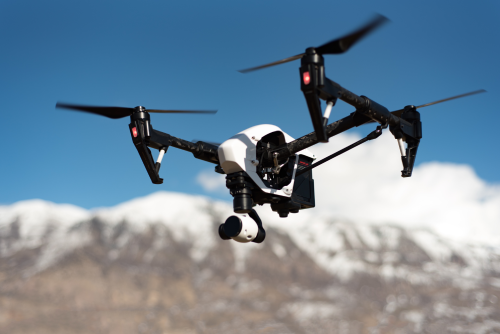
A good drone photography gear checklist for beginners is not about buying every accessory in the market. It is about building a kit that helps you fly safely, capture clean photos and video, and come home without dead batteries, missing files, or damaged propellers. For Indian conditions, bright sun, dust, heat, and travel-friendly packing matter more than most beginners expect.
Quick Take
- Start with a complete flying kit, not just a drone body.
- Your first essentials are:
- drone with controller
- 2 to 3 batteries in total
- reliable microSD cards
- charger and cables
- spare propellers
- a landing pad
- a proper carry bag
- a basic cleaning kit
- a phone or tablet that runs the drone app well
- Add these once you shoot more often:
- ND filters for video
- power bank for controller or phone
- backup storage
- sun hood for the screen
- prop guards if your model supports them and your flying environment justifies them
- In India, battery care, dust control, and visibility in harsh sunlight are practical priorities.
- Before every flight, verify the latest DGCA, Digital Sky, and local restrictions for your drone, location, and purpose.
The smartest way to build your beginner kit
Many first-time buyers spend most of their budget on the drone and then struggle with the real-world basics: too little power, slow memory cards, no backup props, and no safe place to land. That is why a better beginner plan is to buy in layers.
Priority-based checklist
| Gear item | Why it matters | Beginner priority |
|---|---|---|
| Drone and controller | The core flying and camera system | Must-have |
| 2 to 3 batteries total | Gives enough flight time to learn and shoot calmly | Must-have |
| Reliable microSD cards | Prevents recording errors and file issues | Must-have |
| Charger, cables, plug adapter if needed | Keeps the whole kit usable | Must-have |
| Spare propellers | Small damage can end a shoot | Must-have |
| Landing pad | Helps on dusty, sandy, or uneven ground | Must-have |
| Carry bag or backpack | Protects gear and keeps the kit organized | Must-have |
| Cleaning kit | Dust on the lens ruins footage fast | Must-have |
| Phone or tablet for the app | Essential for framing, settings, and flight data | Must-have |
| ND filters | Most useful for smoother-looking video in bright light | Buy soon |
| Power bank | Helps the controller or phone last through long shoots | Buy soon |
| Backup storage | Protects your files after the flight | Buy soon |
| Sun hood or anti-glare setup | Useful in harsh Indian daylight | Buy soon |
| Prop guards | Good for certain practice environments, not all | Situational |
| Hard case | Better for rough transport, not always necessary | Optional |
Core drone photography gear checklist for beginners
Choose the right drone first
Your drone is not just a flying camera. It is also your stabilisation system, flight platform, safety tool, and workflow base.
For beginner photography and videography, look for:
- a 3-axis gimbal, which is the motorised stabiliser that keeps the camera smooth
- reliable GPS positioning
- a camera that records the resolution you actually need
- easy access to spare batteries and propellers
- decent app stability on your phone or tablet
- after-sales support and repair options in India
- compliance suitability for operation in India, which you should verify before purchase and flight
Do not get distracted by megapixel numbers alone. A drone with a stable gimbal, consistent app, and good battery ecosystem is often a better beginner choice than one that looks better on paper but is harder to maintain.
Beginner tip
If your main use is travel and social media, portability matters a lot. If your main use is property shoots, landscapes, or client work, battery availability and a dependable camera feed matter more.
Carry enough batteries
One battery is rarely enough for learning, framing, retrying shots, and returning safely.
A practical beginner setup is:
- 2 batteries minimum if you are mostly practicing near home
- 3 batteries total if you want a more relaxed shoot day
Why this matters:
- your first flight often becomes a test flight
- wind, reshoots, and waiting for the right light reduce usable shooting time
- returning early on low battery is safer than trying to squeeze out one last shot
Battery care in Indian conditions
Heat matters. Avoid:
- leaving batteries in a parked car
- charging immediately after a very hot flight without letting them cool as recommended by the manufacturer
- storing them fully drained for long periods
- using swollen or damaged batteries
Also, label your batteries. It helps you rotate usage and spot a weak one before it causes trouble.
Use the right microSD cards
A drone can only record as well as your memory card allows. Cheap or slow cards can cause recording interruptions, corrupted files, or failed captures.
Look for:
- a reliable brand
- the speed rating recommended by your drone maker
- enough capacity for your typical shoot day
- more than one card instead of a single card for everything
For many 4K-capable drones, U3 or V30 cards are a common starting point, but you should still check your model’s approved card list and recording requirements.
Practical advice
It is smarter to carry two smaller reliable cards than one very large card if that is what fits your budget. If one card fails, you do not lose the entire day.
Pack spare propellers
Propellers are consumables. A small nick from a twig, rough landing, or transport damage can affect flight stability and image smoothness.
Keep:
- at least one full spare set
- the correct screws or fasteners if your model uses them
- the small tool needed for replacement, if applicable
Do not fly on visibly damaged props just because the drone still lifts off. Vibrations from worn props can show up in footage and can also become a safety issue.
Bring a proper charger and the right cables
This sounds obvious, but it is one of the most common beginner failures.
Your charging setup should include:
- the drone battery charger or hub
- controller charging cable
- phone or tablet cable
- wall adapter with the correct output for your gear
- a power bank if you shoot away from plug points
- optional car charger if your model supports safe charging on the move
Why this matters
A lot of beginner shoots fail because the drone batteries are full but the controller or phone is nearly dead. Treat the entire system as one kit.
Use a landing pad, especially in India
A folding landing pad is one of the cheapest upgrades that makes a real difference.
It helps when flying from:
- dusty fields
- construction areas
- beaches
- dry grass
- uneven ground
- parking areas with loose debris
Why it matters:
- less dust gets blown toward the camera and gimbal
- it reduces the chance of grit entering motors
- your drone stays cleaner
- takeoff and landing feel more controlled
In many parts of India, dust is a bigger problem than rain for everyday drone users. A landing pad is not glamorous, but it is one of the most useful items in a beginner bag.
Carry a bag or backpack built for drones
A good drone bag does three jobs:
- protects the gear
- keeps small parts from getting lost
- makes setup faster at the location
Choose based on how you travel.
A backpack is better if you:
- walk to locations
- travel by metro, bus, or on foot
- shoot outdoors often
- want hands-free movement
A hard case is better if you:
- transport gear in a car with other tools
- need extra impact protection
- do not mind the extra bulk
Whichever you choose, make sure there is space for:
- drone
- controller
- batteries
- filters
- propellers
- charger
- cables
- memory cards
- cleaning kit
- documents or proof of ownership if needed
Carry a basic cleaning kit
Drone cameras are small, and even a tiny smudge can soften your footage.
A simple cleaning kit should include:
- microfiber cloth
- soft brush
- air blower
- lens-safe cleaning solution if you use one
- a small pouch to keep it all clean
Avoid using:
- shirt sleeves
- tissue paper
- dusty cloths
- harsh liquid cleaners
Mini scenario
You travel to a hill station, launch from a roadside viewpoint, and get home with what looked like a perfect sunrise clip. Later, you notice the whole frame has a hazy patch from a fingerprint. A two-minute lens check before takeoff would have saved the shot.
ND filters: useful, but not the first thing to buy
ND stands for neutral density. These filters reduce the amount of light entering the camera.
For beginners, ND filters are mainly useful for video because they help you keep a more natural-looking shutter speed in bright daylight. That can make motion look smoother and less harsh.
When ND filters help most
- midday shoots
- beach or water scenes
- bright city rooftops
- open fields under strong sun
- travel reels shot in full daylight
When you can delay buying them
- if you mainly shoot still photos
- if you are still learning basic framing and movement
- if you mostly fly during sunrise or sunset
- if your priority is batteries and storage
A common beginner mistake is buying a full filter set before buying a second battery. For most new users, extra flight time gives more value than filters in the first few weeks.
Your phone or tablet matters more than you think
The controller screen is often your main view for framing and exposure. If the app lags, overheats, or dims in sunlight, your experience becomes frustrating fast.
Check that your phone or tablet:
- supports the drone app well
- has enough free storage
- has a bright screen
- stays cool enough for long sessions
- connects reliably with the controller cable
- has notifications reduced or disabled during flight
Phone vs tablet
A phone is easier to carry and usually enough for beginners.
A tablet can help if you:
- prefer a larger view for composition
- do property or survey-style framing
- shoot with a spotter or assistant
In bright outdoor conditions, a screen shade can also help, especially in Indian summer light.
Back up your files after the shoot
The shoot is not finished when the drone lands. It is finished when your files exist in at least two places.
A simple beginner backup setup can be:
- microSD card in the drone
- copy to laptop after the shoot
- second copy to external SSD or other trusted storage
If you travel often, backing up the same evening is a good habit. Cards can be lost, reformatted by mistake, or damaged.
Pro habit for beginners
Do not mix personal random files and drone footage on the same card for weeks. Format cards in-camera when appropriate and only after confirming your footage has been copied safely.
Small field accessories that save real shoots
These are not always essential on day one, but they become useful quickly.
Helpful add-ons
- power bank for the phone or controller
- sun hood or anti-glare screen accessory
- weather-resistant pouch for batteries and cards
- card wallet so tiny cards do not get lost
- notebook or notes app for shot lists
- high-visibility landing marker if flying in grass
- cap or sunglasses so you can actually see the screen and drone better
These are small upgrades, but they reduce friction during real shoots.
A smart packing checklist for three beginner scenarios
1. Weekend landscape shoot
Pack:
- drone and controller
- 3 batteries total
- 2 microSD cards
- landing pad
- cleaning kit
- phone cable
- charger
- spare props
- ND filters if shooting video in daylight
This is the basic all-round setup most beginners should aim for.
2. Travel shoot in hills or on a road trip
Add:
- compact backpack
- power bank
- backup storage
- weather-safe pouches
- extra cloth for dust or mist
- car charging option if supported
Travel adds more risk of lost files, low device battery, and dusty takeoff spots.
3. Small property or business shoot
Add:
- shot list
- extra card
- tablet if you prefer a bigger view
- landing pad
- backup storage for same-day copy
- spare props and fully charged controller
When you are shooting for someone else, reliability matters more than compactness.
Safety and legal checks for beginners in India
Drone photography is not just about gear. It is also about where, when, and how you fly.
Before any flight in India, verify the latest official guidance for:
- your drone category and intended use
- location restrictions and airspace status
- any registration, identification, or platform-related requirements that apply in your case
- local permissions where required
- temporary restrictions around events, VIP movement, security-sensitive areas, or public gatherings
Also follow practical safety basics:
- avoid flying near airports, defence areas, and other sensitive locations
- do not fly over crowds, busy roads, or densely packed public places
- maintain visual line of sight
- respect privacy and do not film people closely without consent
- do not launch from a place where you cannot safely recover the drone
- stop if wind, interference, or visibility makes the flight uncertain
If you plan to use drones for paid work, it is sensible to check insurance options and documentation requirements before taking assignments.
A 10-minute pre-shoot gear check
This simple routine prevents most beginner problems.
- Charge all batteries, controller, and phone or tablet.
- Inspect propellers for chips, bends, or cracks.
- Clean the lens and check the gimbal cover has been removed before flight.
- Format or verify memory cards after confirming old footage is backed up.
- Confirm the app, firmware, and maps are working as needed before leaving home.
- Check weather, wind, and local restrictions.
- Pack the landing pad, spare props, and cables.
- Reduce phone distractions by turning off unnecessary notifications.
- Reach the site early and watch the area before takeoff.
- Do one short test hover before starting your actual photo or video run.
Common mistakes beginners make
Buying for specs, not workflow
A powerful drone is less useful than a balanced kit. Beginners often skip batteries, storage, and landing support to spend everything on the aircraft.
Ignoring the memory card
If your card is too slow or unreliable, the whole camera system suffers.
Flying with dirty glass
A fingerprint on a tiny drone lens hurts image quality more than many people realise.
Carrying only one battery
This leads to rushed flying, poor decisions, and not enough time to retry shots.
Overusing prop guards
Prop guards can help in some practice situations, but they also add bulk and may affect flight characteristics. Use them only if suitable for your drone and the space you are flying in.
Not planning for sunlight
Bright Indian daylight can make phone screens hard to see. If you cannot judge composition or warnings properly, your footage and safety both suffer.
Forgetting a backup plan
One lost card or one accidental format should not erase the whole shoot.
FAQ
How many batteries should a beginner carry for drone photography?
Two batteries can work for practice, but three in total is a more comfortable beginner setup for real photography sessions.
Do I need ND filters immediately?
Not always. Buy them sooner if you shoot a lot of video in bright daylight. If you are mostly learning flight control and taking stills, batteries and storage should come first.
What type of microSD card should I buy?
Buy a reliable card that matches your drone manufacturer’s recommended speed and capacity. For many 4K drones, U3 or V30 is a common baseline, but always verify for your model.
Is a phone enough, or should I buy a tablet?
A good phone is enough for most beginners. A tablet helps if you want a larger view for framing or client-facing work, but it is not essential on day one.
Are spare propellers really necessary?
Yes. A minor propeller issue can end a shoot or reduce flight stability. Carry at least one spare full set.
Do I need a landing pad if I already hand-launch or take off from the road?
A landing pad is still useful. It protects the drone from dust, sand, grit, and uneven surfaces. In many Indian outdoor locations, it is one of the most practical accessories you can carry.
What should I verify before flying in India?
Check the latest DGCA and Digital Sky guidance, your local airspace and restrictions, and whether your drone and use case require any specific compliance steps. Also avoid sensitive areas and crowded places.
Should a beginner buy drone insurance?
It depends on the value of your gear and how you use it. If you plan to do paid work or fly regularly, insurance may be worth exploring.
Is a hard case better than a backpack?
Not always. A backpack is usually better for travel and outdoor walking. A hard case is better when you need stronger protection during transport.
What is the one accessory most beginners underestimate?
Usually the landing pad or spare batteries. Both look simple, but both solve real field problems immediately.
Final takeaway
For a beginner, the best drone photography gear checklist is simple: build a reliable flying kit before chasing extra accessories. If you buy the drone, enough batteries, proper storage, spare props, a landing pad, and a clean way to carry and back up your gear, you will shoot more confidently and get better results from day one.
