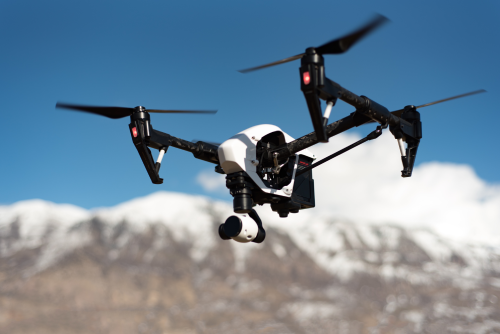
Learning how to price drone photography projects is not about copying a competitor’s rate card. It is about understanding what the client is really buying: planning, safe flying, creative decisions, editing time, and a usable final result. In India, a good quote also needs to reflect travel, weather risk, location permissions, airspace checks, and the cost of staying compliant.
Quick Take
- Price the project, not just the flying time.
- Build your quote from real costs: planning, shoot day, editing, travel, compliance, equipment wear, and profit.
- Set a minimum viable day rate first, then customize each quote for the job.
- Photography and videography should be priced differently because the editing effort is different.
- Always define deliverables, revision limits, turnaround time, weather policy, and usage rights in writing.
- Verify the latest DGCA, Digital Sky, airspace, and local permission requirements before confirming a commercial job.
- If a client wants you to fly in a risky or restricted situation, walk away instead of discounting safety.
Why most beginners underprice drone work
The most common mistake is charging only for “one hour of shooting” or “two batteries.”
That sounds simple, but it misses the real work:
- planning the shot list
- checking the location
- packing and charging gear
- travelling to site
- waiting for light, crowd clearance, or weather
- flying safely
- backing up footage
- editing photos or video
- revisions
- file delivery
- admin, invoicing, and client communication
A client is not paying you only to lift a drone into the air. They are paying for a finished visual asset that solves a business or creative need.
That is why the best way to price drone photography projects is to think like a small production service, not like a battery rental.
The 8 parts of a strong drone photography quote
A professional quote usually has more than one line item. Even if you present it as one package price, you should calculate it using these parts.
| Cost part | What it covers | Why it matters |
|---|---|---|
| Pre-production | Calls, recce, planning, shot list, timing, route thinking | Good planning reduces wasted flight time and risk |
| Shoot fee | Pilot time, on-site setup, take-off and landing management, actual flight operations | This is your core fieldwork cost |
| Post-production | Photo culling, color correction, retouching, video editing, grading, exports | Often the most underestimated part |
| Travel and logistics | Local travel, tolls, parking, outstation transport, accommodation if needed | Travel can destroy your margin if ignored |
| Compliance and approvals | Time spent checking airspace, client paperwork, site coordination, any required permissions | Some jobs are easy; some require significant admin |
| Equipment and risk reserve | Battery wear, propellers, maintenance, storage media, software, backups, future repairs | Your gear is losing value every project |
| Usage or licensing | How the client will use the images or video | A national ad campaign is not the same as a single Instagram post |
| Profit and contingency | Business margin, weather buffer, unexpected delay buffer | Without this, one bad day can erase your earnings |
If you only charge a flat “drone shoot fee” without considering these, you will usually underquote.
Start with your minimum viable rate
Before you quote any client, you need to know the lowest rate at which your business still makes sense.
This is your floor. Never quote below it just because a client says, “It’s a small job.”
Step 1: List your annual business costs
Include the costs you must recover over a year.
Typical drone creator costs include:
- drone purchase and future replacement reserve
- batteries, propellers, chargers, ND filters
- memory cards, SSDs, cloud storage
- editing software subscriptions
- laptop or workstation wear
- phone, tablet, or screen used in operations
- bags, landing pad, safety gear
- transport and local travel
- internet, phone, and communication costs
- insurance, if you carry it
- repairs and servicing
- marketing, website, portfolio building
- accounting and invoicing costs
- training and practice time
Do not forget the hidden costs. A drone may fly for a short time, but the business runs every day.
Step 2: Decide your target personal income
Ask yourself: what do I need to earn from this work after covering business costs?
This should reflect your skill, city, workload, and career stage. A part-time hobbyist and a full-time commercial creator will have very different targets.
Step 3: Estimate realistic billable days
This is where many people make bad calculations.
You may have 300 working days in a year, but not all of them are billable shoot days. Some days are lost to:
- weather
- client delays
- travel
- editing
- practice
- maintenance
- marketing
- unpaid meetings
- festival and wedding season compression
- permission or location uncertainty
So instead of dividing your annual target by all calendar days, divide it by realistic billable days or projects.
Step 4: Calculate your base day rate
Use a simple formula:
Minimum day rate = (annual business costs + desired income + tax/compliance buffer) ÷ realistic billable days
Here is a purely illustrative example:
- annual business costs: ₹2,40,000
- desired personal income: ₹6,00,000
- tax and admin buffer: ₹60,000
- total target: ₹9,00,000
- realistic billable days: 75
Minimum day rate = ₹9,00,000 ÷ 75 = ₹12,000 per billable day
That number is not a market rate. It is just an example of how to calculate your own floor.
If your real number comes out higher, that is your reality. Do not ignore it.
Step 5: Turn that day rate into a project quote
Once you know your floor, build each project price by adding job-specific costs:
- half day or full day fieldwork
- editing time
- travel
- location complexity
- licensing or usage
- extra crew
- urgent delivery
- revisions
- contingency
- taxes, if applicable
This is the difference between random quoting and professional pricing.
Price by project type, not by “minutes in the air”
Not every drone assignment should use the same model.
Half-day or full-day pricing
This works well for:
- real estate shoots
- resort and hotel coverage
- wedding venue shoots
- farm or land documentation
- construction visits
- event coverage with a fixed time block
Why it works:
- easy for clients to understand
- protects you from waiting time and setup time
- better than charging only for flying minutes
A drone may only be airborne for 20 to 40 minutes total, but the job may still consume half a day.
Per-deliverable pricing
This works well when the output is clearly defined, such as:
- 10 edited aerial photos
- 1 hero video of 45 seconds
- 3 vertical social media cuts
- monthly construction progress photo set
Why it works:
- focuses on value delivered
- helps clients compare outcomes instead of equipment
- especially useful when editing effort is significant
Retainer pricing
This works well for repeat work, such as:
- monthly construction monitoring
- recurring resort content
- industrial site documentation
- marketing content for developers or institutions
Why it works:
- gives you predictable revenue
- reduces repeated negotiation
- can justify slightly better pricing for the client because your scheduling becomes more efficient
Hybrid pricing
In many cases, the best model is:
base shoot fee + edit fee + travel + usage + add-ons
This is often the cleanest structure for commercial drone photography and videography.
What should make the price go up
Clients often ask, “Why is this job more expensive than the last one?”
You should be able to answer clearly.
Your price should increase when any of these increase:
Location complexity
A quiet open property is easier than a crowded urban location.
More complexity means:
- longer safety checks
- limited take-off and landing space
- more waiting
- more coordination
- more creative difficulty
Time sensitivity
Golden hour, sunrise, sunset, or short weather windows add value.
If the project needs you on-site at a precise time, you are reserving a premium part of your day.
Deliverable complexity
More work means more price.
For photos, complexity rises with:
- HDR blends
- panoramas
- advanced retouching
- object cleanup
- perspective correction
- multiple exports
For video, complexity rises with:
- multi-cut edits
- music sync
- color grading
- motion graphics
- captions
- logo versions
- horizontal and vertical exports
Faster turnaround
A 72-hour delivery and a same-day delivery should not cost the same.
Rush work disrupts your schedule and deserves a rush fee.
Extra revisions
Your quote should include a clear revision limit.
If you do not define this, “small changes” can turn into endless free labor.
Travel and waiting time
Even a nearby project can become expensive if you spend three hours commuting and one hour waiting for site access.
Usage rights
How the client plans to use the images or video matters.
A few examples:
- a local listing post
- a brand website banner
- a paid digital ad campaign
- a large event launch screen
- use across multiple branches or franchises
Broader commercial usage creates more value for the client. Your price should reflect that.
Price photography and videography differently
Many beginners quote both together as if they are the same service. They are not.
Drone photography pricing factors
Charge based on:
- number of final edited photos
- level of retouching
- HDR or panorama work
- file resolution and export versions
- whether RAW files are included
- whether the client wants print-ready files
- whether the images are for simple listing use or long-term brand use
Photography is usually easier to scope if you define exactly how many final edited images are included.
Drone videography pricing factors
Charge based on:
- final runtime
- number of edits or versions
- music syncing
- color grading
- transitions or motion graphics
- captions or text overlays
- vertical social versions
- voiceover sync or interview integration
- raw clip handover, if requested
Video projects usually look small from the outside and become large in post-production. Quote carefully.
A simple way to price editing time
If you struggle to estimate editing, use a practical method:
- Estimate how long culling and selecting will take.
- Estimate how long one finished photo or one minute of final video usually takes.
- Add time for exports, client feedback, and final delivery.
- Add a buffer for unexpected re-edits.
You do not need to show the client every minute of this calculation. But you should know it yourself.
If one video project will take you six hours to edit, your quote must reflect six hours of skilled creative labor, not just one short drone flight.
India-specific safety, legal, and compliance costs
Drone pricing in India is not only a creative decision. It is also an operational decision.
Before confirming a shoot, verify the latest official requirements related to:
- DGCA rules
- Digital Sky workflow
- airspace status
- location-specific restrictions
- property owner or venue permission
- local authority or event-specific filming rules
- client site safety requirements
- insurance expectations, if any
A client saying “We have permission” does not automatically mean you are cleared to fly. Verify what exactly is approved and what is not.
You should also price for time spent on:
- location checks
- site coordination
- safety briefings
- identifying take-off and landing zones
- managing crowd distance
- waiting for a safe flying window
If a site is risky, crowded, sensitive, or legally unclear, either quote the extra complexity properly or decline the job.
Never underprice by skipping safe practices.
What to include in every quote or proposal
A good price is only useful if the scope is clear.
Your quote should clearly mention:
- client name and project name
- location and proposed date
- type of deliverables included
- number of final photos or length of final video
- whether stills, video, or both are included
- number of shooting hours or day block
- crew included, if more than one person is needed
- editing included
- revision rounds included
- delivery timeline
- travel and outstation costs
- accommodation, if needed
- compliance and permission assumptions
- weather rescheduling policy
- cancellation terms
- payment schedule
- taxes, if applicable
- usage rights
- whether RAW files are included or excluded
- how long files will be retained after delivery
This protects both you and the client.
A practical quoting workflow you can use
If you are still unsure how to price drone photography projects, use this process.
Step 1: Ask the client the right questions
Get answers to:
- What is the purpose of the shoot?
- Where is the location?
- What exactly do you need delivered?
- Is it photos, video, or both?
- When do you need the final files?
- Where will the content be used?
- Is this a one-time job or repeat work?
- Who is arranging location access and permissions?
- Are there crowd, event, or safety constraints?
Step 2: Estimate field time honestly
Do not count only flight time.
Count:
- setup
- waiting
- multiple takes
- movement across the site
- light changes
- safety pauses
- pack-up
Step 3: Estimate post-production honestly
Separate:
- selection
- edits
- exports
- delivery
- revisions
Step 4: Add non-negotiable costs
These usually include:
- travel
- extra crew
- site complexity
- risk reserve
- compliance/admin time
Step 5: Add profit
This is where many freelancers fail.
If you only recover time and direct cost, you are not building a sustainable business. Profit is what lets you upgrade gear, survive slow months, and handle repairs.
Four sample project scenarios
These are not market rates. They show how the pricing logic changes by assignment.
1) Residential property listing
Scope:
- one urban property
- 10 edited aerial photos
- 1 short vertical reel
- local travel
- basic turnaround
Pricing logic:
- half-day shoot block
- photography edit fee
- short video edit fee
- local travel
- one revision round
This looks simple, but if the property is in a tight neighborhood or has limited take-off space, the complexity fee should rise.
2) Resort marketing shoot
Scope:
- sunrise and sunset coverage
- wide aerial beauty shots
- longer cinematic video
- social media cuts
- possibly one extra day due to weather
Pricing logic:
- multi-slot scheduling
- higher creative planning value
- significant edit and grading time
- travel or stay cost
- wider commercial usage value
This should never be priced like a basic real estate listing.
3) Monthly construction progress monitoring
Scope:
- one site visit per month
- repeat angles for consistency
- a fixed set of photos and short clips
- organized delivery for reporting
Pricing logic:
- recurring retainer structure
- standardized workflow
- lower sales friction after first month
- maybe slightly better per-visit value for the client due to repeat commitment
Repeat work is not always “cheap work.” It is often more efficient work.
4) Industrial or factory site documentation
Scope:
- strict safety rules
- induction process
- limited take-off zones
- possible need for observer or client escort
- documentation style rather than cinematic style
Pricing logic:
- higher compliance and coordination time
- possible extra crew cost
- longer on-site handling
- risk-weighted pricing
- careful delivery workflow
Industrial jobs can look visually simple but operationally complex.
Add-ons that can increase your revenue without confusing clients
Good add-ons are clear, useful, and optional.
Examples:
- extra edited photos
- extra video cutdowns
- vertical social media version
- faster turnaround
- second location on the same day
- advanced retouching
- raw file handover
- longer data storage
- additional revision round
- monthly content retainer
- ground camera coverage bundled with drone work
Do not hide these in the base price. Mention them as optional line items when relevant.
Common mistakes when pricing drone photography projects
Charging only for flight time
This is the biggest mistake.
The client is paying for outcomes, not for propellers spinning.
Ignoring editing time
If you do not price post-production properly, you will end up earning less on your “best” projects.
Offering unlimited revisions
This turns every quote into a moving target.
Include a fixed number of revision rounds.
Forgetting travel and waiting
A short job far away is not a short job.
Giving away RAW files by default
RAW files can create extra expectations, storage burden, and uncontrolled re-editing. Offer them only if it makes sense, and price them deliberately.
Not pricing usage separately when needed
A one-time local use and broad commercial use should not always be billed the same way.
Copying someone else’s price
Their city, skill level, gear cost, reputation, risk tolerance, and client type may be completely different from yours.
Taking risky jobs just to win the client
If the flight environment is unsafe or legally unclear, the right price is not “discounted.” The right answer may be no.
No advance payment
If you are blocking a date, travelling, or doing prep, protect yourself with a clear payment structure.
FAQ
Should I charge hourly or per project?
Per project is usually better. It reflects the value of the finished result and protects you from undercharging for planning, travel, and editing. Hourly pricing can work for very simple repeat jobs or assistant work.
How many revision rounds should I include?
Usually keep it limited and clearly defined. One or two structured revision rounds are easier to manage than “unlimited changes.” Put the limit in writing.
Should I give clients RAW photos or raw video clips?
Only if they need them and only if your quote mentions it. RAW delivery can increase storage, transfer time, and future confusion about what counts as “final work.”
How do I price outstation shoots?
Separate travel from creative fees. Include transport, local movement, accommodation if needed, food allowance if required by your workflow, and lost time due to travel days.
Can I charge extra for faster delivery?
Yes. Rush delivery affects your schedule and should be priced as an add-on.
Do I need to add GST to my invoice?
That depends on your business structure, registration status, turnover, and current tax rules. Check with your accountant or tax advisor before invoicing clients.
Is insurance required for every drone photography project?
Requirements can vary by client, site, contract, and current rules. Some clients may require insurance even when smaller shoots do not. Verify the latest requirement before accepting the assignment.
Should I discount for repeat clients?
You can, but do it strategically. A repeat client may reduce your sales effort and planning time, but do not discount so much that the work stops being profitable.
What if a client says, “It’s only 10 minutes of flying”?
Explain that the project includes planning, travel, safe operations, equipment cost, backups, and editing. Short flying time does not mean low professional effort.
How much advance should I take?
Take enough to secure the booking and cover preparation or travel risk. The exact structure depends on the project size and the kind of client, but do not block dates on a vague verbal promise alone.
Final takeaway
The best way to price drone photography projects is to build from your real business costs, then adjust for scope, editing, travel, risk, and usage. If your quote clearly defines deliverables, revisions, timing, and compliance assumptions, you will stop guessing, protect your margins, and look more professional to the right clients.
