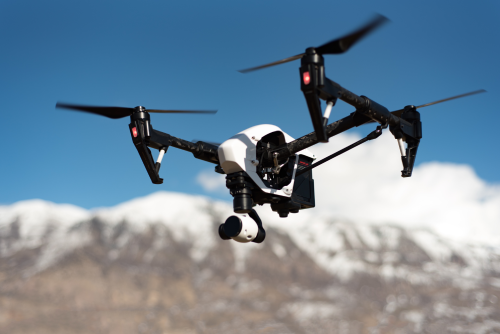
If you want to learn how to use drone footage for hotel marketing, think beyond a single pretty aerial shot. The best hotel drone videos help guests understand location, atmosphere, scale, and experience in a few seconds, which can directly improve enquiries and bookings. For hotels, resorts, homestays, and wedding properties in India, good drone footage can make the property feel more premium, better located, and more memorable.
Quick Take
- Drone footage works best when it sells a story, not just a building.
- Focus on what guests care about: approach, views, pool, lawns, beach access, rooftop, surrounding nature, and how the property feels.
- Plan footage for multiple uses: website banners, Instagram Reels, booking ads, wedding promotions, and short WhatsApp shares.
- Shoot in soft light, keep camera movements slow, and avoid over-editing.
- In India, always verify current airspace and drone compliance requirements before any commercial shoot.
- Get written permission from the hotel, protect guest privacy, and do not fly over crowds.
- A small hotel can often get more value from one well-planned drone shoot than from many random clips shot over months.
Why drone footage is so effective for hotels
Hotel marketing is visual. Before a guest reads the room size or breakfast timing, they want to know one thing: “Will staying here feel worth it?”
Drone footage answers that quickly.
A good aerial video can show:
- Where the property sits in relation to the beach, hills, lake, highway, or city
- The scale of the campus
- The quality of outdoor amenities
- Open lawns, event space, parking, pool, and approach road
- Privacy, greenery, and views
- The overall mood of the stay
This matters even more for Indian hospitality businesses because many properties compete on atmosphere rather than only room features. A hill resort in Himachal, a wedding hotel in Jaipur, a riverside stay in Rishikesh, a plantation resort in Coorg, or a beach property in Goa all benefit when the surrounding environment is clearly visible.
Drone footage also helps reduce uncertainty. Guests can better understand whether the property is secluded, family-friendly, scenic, premium, or suitable for weddings and events.
Start with a marketing goal, not a flight plan
The biggest mistake hotels make is asking for “some drone shots” without deciding what those shots need to achieve.
Before the drone goes up, answer these questions:
- Who are you trying to attract?
- What kind of booking do you want more of?
- Where will the video be used?
- What is the property’s strongest visual advantage?
Common hotel marketing goals
- Weekend leisure bookings
- Destination wedding enquiries
- Corporate offsite and retreat bookings
- Family holiday bookings
- Romantic staycations
- Premium room or villa upsells
- Restaurant, rooftop, or event promotion
- Seasonal campaigns such as monsoon, winter, or festive offers
Match the footage to the goal
| Marketing goal | Best drone footage | Ideal edit style |
|---|---|---|
| Weekend getaway | Location reveal, pool, lawns, sunrise/sunset views | 15 to 30 seconds, emotional and quick |
| Wedding venue | Full property scale, entry, lawns, mandap area, facade lights | Cinematic, premium, 30 to 60 seconds |
| Corporate retreat | Meeting venue exterior, campus layout, parking, activity zones | Clean, informative, 20 to 40 seconds |
| Luxury branding | Smooth hero shots, symmetry, twilight shots, privacy and views | Slow, polished, high-end |
| Family resort | Open spaces, pool, play areas, safety-friendly campus feel | Bright, lively, welcoming |
If the goal is unclear, the footage usually ends up looking nice but selling nothing.
What to show in hotel drone footage
Drone footage is most useful when it answers the guest’s real questions. Think like a first-time customer visiting your website or social page.
1. The location and setting
Show how the property sits within its surroundings.
Examples:
- A beach resort with walking distance to the shore
- A heritage hotel in a dense old-city area
- A highway hotel with easy access and large parking
- A mountain stay overlooking a valley
- A forest-edge resort with privacy and greenery
This is often the strongest reason to use drone footage in the first place.
2. The arrival experience
Guests want to know what coming in feels like.
Useful shots:
- Approach road
- Main gate
- Entrance facade
- Driveway
- Drop-off point
- Grand entry sequence
For wedding and premium leisure properties, the arrival shot can be a major selling point.
3. The full property layout
Aerial shots help viewers understand scale in seconds.
Show:
- Main building
- Villas or cottages
- Pool
- Gardens
- Rooftop
- Lawns
- Event areas
- Parking
- Pathways
- Dining deck or outdoor seating
This is especially important for resorts, wedding venues, and large campuses.
4. Signature amenities
Do not waste flight time on generic top-down shots if the hotel has standout features.
Prioritise:
- Infinity pool
- Rooftop lounge
- Lake-facing deck
- River edge
- Cliffside setting
- Private beach stretch
- Banyan-lined driveway
- Amphitheatre
- Helipad-style open grounds, if legally relevant and permitted
- Large wedding lawns
- Spa building in a scenic corner
5. The experience around the property
Great hotel marketing is not only about the structure. It is about the feeling of staying there.
Drone footage can support that by showing:
- Sunrise over the property
- Mist in the hills
- Waves near the resort
- Palm lines and coastline
- Evening lights turning on
- Guests walking in open lawns, with consent
- A prepared event setup before crowds arrive
- Bonfire or poolside ambience from a safe distance
Build a shot list before the shoot
A strong drone shoot should be planned like a mini production.
Here is a simple shot list most hotels can start with.
Essential hotel drone shots
- High reveal of the full property
- Slow forward approach to main entrance
- Side tracking shot of facade
- Rising shot from garden or pool to reveal surroundings
- Orbit shot around the main building, only if space and safety allow
- Top-down shot of pool or courtyard
- Pull-back shot from rooftop, deck, or lawn
- Sunset wide shot with warm lighting
- Night exterior shot, only if the pilot is trained and operations are lawful and safe
If the property hosts weddings or events
- Full lawn scale
- Bridal entry path or grand entrance area
- Decor layout before guests arrive
- Stage and seating plan from above
- Parking and guest circulation areas
- Lit-up facade at dusk
If the property sells nature and calm
- Surrounding hills, waterbody, plantations, or forest edge
- Morning fog or golden light
- Walking trails and outdoor decks
- Isolation and privacy from nearby clutter
A shot list saves battery, time, and client confusion.
Best camera and movement choices for hotel videos
For hotel marketing, smoothness beats aggression. This is not the place for fast, risky, FPV-style moves unless the hotel specifically wants that look and the pilot has the skill and permissions to do it safely.
Keep movements slow and controlled
The safest and most professional movements for hotels are:
- Slow forward push-in
- Gentle rise or descent
- Controlled pull-back
- Side tracking
- High reveal
- Slow orbit in open space
Why this works:
- Hotels want a premium, calm feel
- Slow moves look more luxurious
- Editors can reuse smooth clips across many formats
- Safer flying usually creates better footage
Camera settings that usually work well
Exact settings depend on your drone and lighting, but these principles help.
- Shoot at a high enough resolution for cropping and multiple formats.
- Use a standard frame rate such as 24, 25, or 30 fps for a cinematic or natural look.
- If you want slight slow motion for palm trees, water, or guests walking, capture some clips at a higher frame rate.
- Lock white balance so colour does not shift during a shot.
- Use manual exposure where possible to avoid visible brightness jumps.
- Use ND filters if needed. An ND filter is like sunglasses for the camera and helps control shutter speed in bright daylight.
- Avoid oversharpened or overly saturated profiles if you plan to colour grade later.
For beginners, the simplest improvement is this: stop letting the camera auto-adjust everything mid-shot.
Best times to shoot
In most parts of India, these time windows usually look best:
- Early morning for soft light and cleaner surroundings
- Late afternoon to sunset for warmth and depth
- Blue hour for premium evening ambience on illuminated properties
Try to avoid harsh midday light unless:
- The architecture is white and clean
- Shadows are not distracting
- You need a bright, practical overview shot
- The location tends to get hazy later in the day
India-specific weather considerations
- Summer heat can affect batteries and crew comfort
- Coastal winds can become strong quickly
- Monsoon moisture, gusts, and sudden rain can shut down a shoot
- Hill stations may have fog, poor visibility, or unexpected wind channels
- North Indian winter haze can reduce image clarity
Always build time for weather delays.
How to turn drone footage into actual hotel marketing assets
This is where many shoots fail. The footage looks good, but nobody packages it for business use.
A hotel does not need one long video. It needs multiple useful assets from one shoot.
Create these deliverables from the same footage
| Asset type | Best length | Use case |
|---|---|---|
| Website hero video | 10 to 20 seconds loop | Homepage impact |
| Instagram Reel | 15 to 30 seconds | Reach and discovery |
| Brand film | 30 to 90 seconds | Website, YouTube, sales presentations |
| Wedding promo cut | 20 to 45 seconds | Venue enquiries |
| Vertical ad | 10 to 20 seconds | Paid social campaigns |
| WhatsApp share clip | 10 to 15 seconds | Direct lead follow-up |
| OTA support clip, if platform allows | Short and informative | Better listing engagement |
Structure the edit like a booking story
A useful hotel video usually follows this order:
- Hook the viewer with the best visual in the first 2 to 3 seconds
- Show where the property is and why the setting matters
- Reveal the key amenities
- Show the feeling of the experience
- End with brand identity and a clear next action
For example:
- Start with a sunrise reveal over the resort
- Cut to pool, entry, and lawn
- Show rooftop or lake deck
- Add two guest-experience visuals
- End with the hotel name and booking message
Use text carefully
Text overlays can help if they are short and readable.
Good examples:
- 5 minutes from the beach
- Valley-view villas
- Wedding lawns for grand celebrations
- Rooftop dining with sunset views
Bad examples:
- Long paragraphs
- Flashy effects
- Too many fonts
- Every clip labeled with a feature
Make versions for each platform
Do not post the same horizontal hotel film everywhere.
Instead:
- Use horizontal for website and YouTube
- Use vertical for Instagram Reels, Stories, and short ads
- Use shorter cuts for performance marketing
- Use longer, slower edits for luxury branding and sales decks
Many Indian hotel bookings now begin on mobile. Vertical edits matter.
A simple workflow for a hotel drone shoot
If you are a hotel owner, marketer, or freelance creator, this process keeps the project focused.
Step 1: Audit the property
Walk the site and identify:
- Strongest viewing angles
- Best amenities from above
- Obstructions such as wires, trees, poles, signboards, nearby construction
- Times when guest activity is lowest
- Sunrise and sunset directions
Step 2: Define the required outputs
Decide exactly what you need:
- Website banner loop
- Social media Reel
- Wedding venue promo
- Summer or festive campaign
- Corporate sales film
Step 3: Get permissions and operational clarity
Before any flight:
- Obtain written approval from hotel management
- Coordinate with operations, security, and front office
- Inform staff about the shoot area and timings
- Verify whether the area is legally flyable and what current compliance applies
- Keep a buffer zone from guests and public areas
Step 4: Schedule the shoot smartly
Plan around:
- Check-in and check-out rush
- Breakfast and pool crowd hours
- Wedding or event setup times
- Lighting changes
- Weather
Step 5: Capture a mix of safe, reusable shots
You do not need 50 fancy moves. You need 10 to 15 clean, stable clips the hotel can use repeatedly.
Step 6: Edit with one clear message
Each cut should answer: why should a guest choose this property?
Safety, privacy, and compliance in India
Drone footage for hotel marketing is commercial content, so do not treat it like a casual weekend flight.
Before you shoot
- Verify the latest Indian drone rules, airspace restrictions, and operating requirements through official sources before every commercial assignment.
- Check whether the property is near an airport, airstrip, military area, helipad, coastline-sensitive zone, government site, or other restricted area.
- Confirm whether your drone and operation meet current requirements applicable to your category and use case.
- If you are hiring a pilot, ask them about compliance, operational planning, and risk management.
Rules can change, and local conditions matter. Do not rely on old social media advice.
Protect guest privacy
Hotels are private spaces with paying guests, families, and often children.
Good practice includes:
- Put up notices if filming is happening
- Avoid close identifiable shots of guests without consent
- Do not hover over pools, balconies, or private villa areas
- Keep clear of windows and occupied terraces
- Do not record wedding guests or private functions from above unless permission is explicitly handled
Do not fly over crowds
This is both a safety issue and a reputational issue.
Avoid flying above:
- Pool gatherings
- Sangeet or wedding crowds
- Busy parking lots
- Restaurant service areas
- Public roads outside the property
If a shot needs people, stage it with a small, controlled group and proper spacing.
Common mistakes hotels make with drone footage
1. Treating drone video as a one-time vanity shoot
Pretty shots are not enough. Plan footage for actual marketing outputs.
2. Showing only the building, not the experience
Guests book a stay, not a roof shape.
3. Using very fast or jerky movements
This makes the property feel chaotic, not premium.
4. Shooting at the wrong time of day
Midday glare, empty-looking spaces, and flat light make even good properties look average.
5. Ignoring clutter around the property
Nearby construction, messy rooftops, garbage patches, and visible service areas can hurt perception. Clean up the frame before the shoot where possible.
6. Over-editing the footage
Heavy transitions, loud music, fake colours, and excessive speed ramps reduce trust.
7. No vertical content
If you only export one horizontal video, you miss the strongest discovery platforms.
8. Flying without checking compliance
A successful shoot is one you can use confidently, not just one you manage to complete.
9. Copying luxury hotel style for every property
A city business hotel, a wedding venue, and a forest homestay should not all have the same video language.
10. Forgetting the call to action
The viewer should know what to do next: book, enquire, visit the website, or call for wedding packages.
Practical mini-scenarios
Boutique hill resort
Best approach: – Morning mist reveal – Valley-facing deck – Cottage layout – Bonfire lawn at dusk
Message: – Quiet escape, scenic views, privacy
City wedding hotel
Best approach: – Grand entrance – Lawn scale – Facade lights at blue hour – Parking access and event flow
Message: – Capacity, elegance, and convenience
Beachside leisure hotel
Best approach: – Property-to-beach relationship – Pool and palm lines – Sunset rooftop – Open-air dining area
Message: – Location and holiday mood
Highway business hotel
Best approach: – Easy approach road – Facade and parking – Layout clarity – Conference wing exterior
Message: – Convenience and functionality with comfort
FAQ
Is drone footage useful only for large resorts?
No. Even a small boutique stay or homestay can benefit if the location, view, architecture, or outdoor space is visually strong. The key is planning a story around what makes the property special.
What is the ideal length for a hotel drone video?
For most marketing uses, 15 to 30 seconds works best for social media, while 30 to 90 seconds is enough for a full brand or venue film. Shorter cuts usually perform better online.
Should drone footage include guests?
Only if it is planned carefully and privacy is respected. Use small, controlled lifestyle moments rather than random guest coverage, and avoid identifiable footage without consent.
What time of day is best for shooting hotels?
Early morning and late afternoon are usually best. These times give softer light, better shadows, and a more premium look than harsh midday sun.
Can drone footage help wedding venue marketing?
Yes. It is one of the best tools for showing lawn scale, entry design, circulation, parking, stage layout, and overall grandeur. It helps couples and planners understand the venue much faster.
Do I need to make separate videos for Instagram and my website?
Yes, in most cases. A vertical Reel and a horizontal website video serve different viewing habits. One edit rarely works equally well for both.
Can a hotel staff member shoot its own drone video?
Only if they are properly trained, the operation is lawful, and they understand safety, privacy, and editing basics. For important commercial content, hiring an experienced operator is often worth it.
How often should a hotel update drone footage?
At least when the property changes visually in a meaningful way, such as a renovation, new pool, new lawn, fresh branding, or seasonal campaign. Some hotels also benefit from separate summer, monsoon, or wedding-season updates.
Is one drone enough for all hotel content?
For most hotel exteriors, one capable camera drone is enough. But if you want tight interior fly-throughs, special indoor work, or fast action style, that may require different gear and higher skill.
What should hotel owners ask for after the shoot?
Ask for multiple edited formats, clean brand-safe clips, vertical and horizontal versions, and a shortlist of reusable hero shots. Raw footage alone is rarely the most useful final output.
The real takeaway
The smartest way to use drone footage for hotel marketing is to treat it as a booking tool, not just a visual extra. Plan one compliant, well-timed shoot around your property’s strongest selling points, turn it into multiple short assets, and make every shot answer a guest’s main question: “Why should I stay here instead of somewhere else?”
