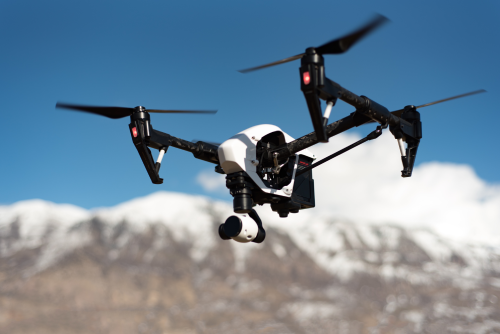
Combining drone and ground footage seamlessly is one of the simplest ways to make a video look polished, cinematic, and intentional. If you want that switch from an aerial shot to an eye-level shot to feel natural, the answer is rarely a fancy transition pack. It comes from planning, matching camera settings, using the right shot order, and editing with sound and movement in mind.
Quick Take
- Use drone shots for scale, location, and movement across space.
- Use ground shots for faces, details, actions, and emotion.
- Match frame rate, shutter speed, white balance, and overall colour as closely as possible.
- In India, 25 fps or 50 fps often works well under 50 Hz indoor lighting and can help reduce flicker.
- Capture “bridge shots” between very high aerial views and eye-level ground shots.
- Cut on motion, screen direction, or sound, not just where the clip ends.
- Add ambient sound from the location to glue cuts together.
- Verify the latest DGCA and Digital Sky requirements, plus local permissions, before any drone shoot.
What “seamless” actually means
A seamless edit does not mean the viewer cannot tell one shot is from a drone and the next is from a handheld camera, phone, or gimbal. It means the change feels motivated.
The viewer should feel that both shots belong to:
- the same place
- the same time of day
- the same story moment
- the same visual style
If your drone footage is bright, wide, and taken at noon, but your ground footage is warm, close, and shot during sunset, the edit will feel disconnected even if you use a smooth transition.
Seamless footage usually matches in five areas:
- Story: each shot adds useful information.
- Light: colour temperature and brightness feel consistent.
- Motion: subject or camera movement continues naturally.
- Perspective: the shift from air to ground feels deliberate, not random.
- Sound: audio bridges the visual cut.
Start with shot roles, not random clips
One big beginner mistake is treating drone footage like decoration. A good drone shot should do a job.
Here is the simplest way to divide roles:
- Drone footage: establishing views, approach shots, geography, scale, leading the viewer into a scene
- Ground footage: people, products, interiors, texture, action details, emotional moments
That means your drone should usually answer questions like:
- Where are we?
- How large is this place?
- How do we enter the scene?
- What is the route, layout, or environment?
And your ground camera should answer:
- What is happening here?
- Who is involved?
- What details matter?
- What should the viewer feel?
A sequence that almost always works
For travel, property, campus, or resort videos, this flow is reliable:
- High aerial establishing shot
- Lower drone approach or sideways movement
- Ground gimbal or handheld walking shot
- Medium shot of the subject or location feature
- Close-up details
- Exit shot, either drone pull-away or ground ending shot
That progression feels natural because the viewer moves from big picture to small detail.
Plan the handoff before you shoot
If you want to combine drone and ground footage seamlessly, plan the cut point while you are still on location.
Ask these four questions before you hit record
-
Where should the aerial shot end?
For example, at the gate, above the entrance, near a balcony, or over a road bend. -
Where should the ground shot begin?
Maybe at the same gate, the same person walking in, or the same direction of motion. -
What is the movement?
If the drone is moving left to right, try to keep the next ground shot moving left to right too. -
What is the light doing?
If the sun is behind the building in the drone shot, try not to shoot the ground angle with the sun directly in front unless that contrast is intentional.
The best transitions are often planned in real life, not in software
Suppose you are filming a homestay in Kerala, a café in Bengaluru, or a farmhouse outside Pune. A smooth flow could be:
- drone descending toward the entrance
- cut just before the entrance fills the frame
- ground gimbal shot continues through the same entrance
- close-ups of signs, décor, food, or rooms
Because both shots share direction and destination, the cut feels earned.
Match these camera settings before recording
Editing gets much easier when your cameras are already close in look and motion.
| Setting | What to do | Why it matters |
|---|---|---|
| Frame rate | Use the same frame rate on drone and ground camera whenever possible. In India, 25 fps is often practical for normal playback; 50 fps works well if you need smooth slow motion or want better compatibility with 50 Hz lighting. | Mixed frame rates can make motion feel uneven and can create flicker problems indoors. |
| Shutter speed | Keep shutter roughly double the frame rate for natural motion blur. Example: 25 fps at around 1/50, 50 fps at around 1/100. Use ND filters outdoors if needed. | Motion blur is one of the biggest clues that two shots do not belong together. |
| White balance | Set white balance manually instead of auto. | Auto white balance can shift colours from shot to shot, especially during pans or changing light. |
| Colour profile | Use a similar picture style on both cameras. Beginners should avoid mixing a very flat “log” profile on one camera with a highly saturated profile on another unless they know how to grade. | Matching colour later becomes much easier. |
| Resolution and aspect ratio | Shoot the same resolution and framing style when practical. If the final video is vertical, plan for vertical composition from the start. | Prevents awkward crops and loss of image quality. |
| Sharpness and contrast | Keep both moderate. If one camera looks too sharp, reduce that look in camera or in post. | Over-sharpened footage is a common giveaway, especially with phones and some drones. |
A useful India-specific tip on frame rate
If you are filming in wedding halls, homes, offices, or shops under mains-powered LEDs or tube lights, 25 fps with a shutter near 1/50 or 50 fps with a shutter near 1/100 often helps reduce visible flicker because India uses 50 Hz power.
That is not a hard rule for every situation, but it is a very practical starting point.
Shoot for the edit, not just for the moment
Good aerial-ground edits are built during the shoot.
Do these six things on location
-
Record handles
Leave 3 to 5 seconds before and after the main movement in every clip. This gives you room to cut cleanly. -
Capture a bridge shot
Don’t jump directly from a very high aerial to a very tight close-up. Get an in-between shot: a low-altitude drone pass, a rooftop-level shot, or a wide ground shot from outside the building. -
Repeat the same action across angles
If a person enters a gate, record it from the drone, then again from the ground. You may not use both full clips, but you will have matching motion to cut on. -
Keep direction consistent
If the subject walks toward the right in the aerial shot, try not to cut to a ground shot where they suddenly move left unless you want the viewer to feel disoriented. -
Avoid overcomplicated drone moves
A slow push, rise, descend, orbit, or lateral move is easier to match than a chaotic combination of yaw, tilt, and sideways drift. -
Shoot in the same light window
If possible, get both aerial and ground clips within a short time span. Light changes quickly, especially in the morning and late afternoon.
If you are a solo creator
Many Indian hobbyists and small creators shoot alone with a drone and a phone or mirrorless camera. In that case:
- shoot the most time-sensitive light first
- note where the sun is
- do the drone pass
- immediately switch to the ground shot while the light is still similar
- review both clips on location before packing up
A 30-second check on site can save a failed edit later.
The transitions that work best
You do not need a plugin pack to make drone and ground footage blend. Most of the time, a simple cut works better than an obvious effect.
Cut on movement
This is the most reliable method.
Example:
- drone moves forward toward a building
- cut to a ground gimbal shot continuing forward through the doorway
The viewer feels one continuous move.
Match screen direction
If a bike, car, boat, or person moves left to right in the aerial shot, keep the same direction in the next ground shot.
This tiny detail matters more than most beginners realise.
Use an object to hide the cut
A tree, wall, pillar, signboard, gate, or even a person crossing the frame can briefly block the image. Cut during that visual block.
This works well in markets, cafés, campuses, resorts, and lane-based travel videos.
Match shape or framing
You can cut from one similar composition to another:
- circular fountain aerial to circular table detail
- road curve from above to curve of a pathway at ground level
- building façade to a symmetrical corridor interior
It is subtle, but it feels smart and intentional.
Use J-cuts and L-cuts
These are simple but powerful editing tools.
- J-cut: the next shot’s audio starts before the visual cut
- L-cut: the previous shot’s audio continues after the visual cut
Example: you hear lobby ambience, footsteps, or street sounds before the video cuts from drone to ground. The ear prepares the eye, so the transition feels smoother.
Use speed ramps carefully
A speed ramp changes clip speed within the shot. It can work for action reels, but it is easy to overdo.
Use it only when:
- the footage is stable
- the motion direction is clear
- the style suits the project
For real estate, documentary, or corporate work, a clean normal-speed cut often looks more premium.
Colour matching without getting lost in grading
A lot of “unseamless” footage fails because the colours do not agree.
The common mismatch is:
- drone footage looks cool, thin, or slightly grey
- ground footage looks warm, contrasty, and more saturated
A simple matching workflow
-
Correct exposure first
Make sure your blacks, midtones, and highlights are in a similar range. -
Fix white balance next
Match warmth and tint before doing any creative colour work. -
Reduce obvious differences in contrast
If one shot is very flat and the other is punchy, bring them closer. -
Tame oversharpening
Some phones and drones apply harsh digital sharpening. If one camera looks too crispy, soften it slightly in post. -
Only then add a style grade
Once both cameras match, apply your cinematic look, teal-orange, warm travel look, or brand colour treatment.
Do beginners need log footage?
Not always.
A flat or log profile keeps more image information, which helps colour grading. But it also requires more skill. If you are just starting out, it is better to use a standard or mild profile on both cameras and expose carefully than to mix one flat profile with one fully processed profile and struggle later.
Use scopes if your editor has them
If your software offers a waveform and vectorscope, use them.
- Waveform helps you compare brightness levels.
- Vectorscope helps you compare colour balance and saturation.
You do not need to become a colourist overnight. Even a quick glance can show why two shots feel different.
Audio is what makes the cut feel real
This is the part many creators skip.
Drone audio is usually unusable because of propeller noise and wind. That means the edit needs a separate sound layer to feel believable.
Use audio to glue aerial and ground shots together
Record location sound on the ground:
- footsteps
- traffic ambience
- birds
- wind in trees
- crowd murmur
- water
- door sounds
- room tone inside a property
Then lay that ambient sound under both the drone shot and the ground shot.
Even if the viewer knows the drone audio is not real, the continuous ambient sound makes the scene feel connected.
A practical example
If you are editing a resort video:
- drone shot over the pool
- cut to ground shot near the pool
- use one continuous bed of water ambience, distant voices, and wind
The audience accepts the transition immediately because the sound says, “same place, same moment.”
Go easy on whooshes
Sound effects can help, but too many “whoosh” sounds make the edit feel cheap. Use them only when the movement supports them.
A beginner-friendly editing workflow
Whether you use DaVinci Resolve, Premiere Pro, Final Cut, or a simpler mobile editor, the process is similar.
Step-by-step workflow
-
Organise by scene, not by device
Instead of one folder called “drone” and one called “camera,” group clips by location or sequence. -
Create selects
Pick your best takes first. Ignore effects for now. -
Build the story with straight cuts
Make the sequence work without transitions. If it flows with plain cuts, you are on the right path. -
Place drone footage where it adds value
Use aerial clips to open a location, connect spaces, or close a scene. Do not use them every five seconds. -
Match exposure and colour
Get the clips to look related before adding LUTs, filters, or cinematic effects. -
Add ambient sound and music
Sound should support the picture, not cover problems. -
Trim for pace
Drone shots often run too long. Keep them only as long as they are informative or beautiful. -
Check on a phone and a larger screen
Many people in India will watch on mobile first. Make sure the sequence still reads clearly on a small screen.
Simple shot recipes for common projects
Real estate, villa, homestay, or resort video
A reliable structure:
- High aerial of the property and surroundings
- Low drone approach toward entrance or pool
- Ground gimbal walk-in
- Room or amenity wide shot
- Close-up details of decor, food, pool, balcony, or signage
- Sunset drone pull-away
Why it works: the viewer understands location first, then experiences the place personally.
Travel reel or vlog sequence
- Aerial of destination, road, beach, valley, or fort exterior
- Low drone follow or reveal
- Ground walking shot
- Face shot or reaction shot
- Detail shots of food, hands, textures, signs
- Closing drone wide shot
Why it works: the drone creates destination appeal, while the ground shots make the experience human.
Wedding or event teaser
- Wide aerial of the venue, only if allowed and safe
- Ground exterior entry or décor details
- Guests arriving, close-ups, emotions
- Stage, ritual, performance, or key moment coverage from the ground
- Ending wide shot of the venue lights or outdoor setting
Why it works: aerial footage gives context, but emotional value comes from ground coverage.
For events, be extra careful with crowd safety and permissions. A drone should never be treated casually around people.
Safety, legal, and compliance in India
If you are flying in India, this topic matters even for purely creative shoots.
Before any drone shoot, verify these points
- Check the latest DGCA guidance and Digital Sky requirements before you fly.
- Confirm whether your location allows drone operations at all.
- Get permission from the property owner, venue manager, organiser, or client where applicable.
- Be especially cautious around airports, military areas, government-sensitive zones, ports, urban centres, and heritage or restricted areas.
- Avoid flying over crowds, traffic, or active public gatherings.
- Respect privacy when filming people on private property or in sensitive situations.
- Check local weather and wind conditions before launch.
- If you are travelling with batteries, confirm the latest airline or transport rules separately.
Rules, permissions, and restrictions can change. Do not rely on old advice, social media posts, or what another creator “got away with” at the same location.
Common mistakes that make drone and ground footage feel disconnected
1. Using drone shots just because you have them
Aerial footage should support the story, not interrupt it.
2. Mixing frame rates without a reason
25 fps, 30 fps, 50 fps, and 60 fps in one sequence can create inconsistent motion unless handled carefully.
3. Leaving white balance on auto
This creates visible colour shifts, especially outdoors and in mixed indoor lighting.
4. Jumping from very high aerial to very tight close-up
Without a bridge shot, the viewer loses spatial orientation.
5. Ignoring movement direction
Left-to-right followed by right-to-left can feel wrong even if the location is the same.
6. Overusing transitions
A simple cut, sound bridge, or motion match usually looks more professional than a flashy effect.
7. Forgetting audio
Silent cuts with only music often feel flat. Ambient sound adds realism and continuity.
8. Shooting drone footage at noon and ground footage at golden hour
The light mismatch is obvious and hard to fix.
9. Making every drone shot too long
Most drone clips feel stronger when trimmed.
10. Trying to fix everything in post
Editing can help a lot, but it cannot fully repair poor planning, mismatched light, or unsafe flying.
FAQ
Can I combine drone footage with phone footage?
Yes. Many creators do exactly that. The key is to match frame rate, white balance, exposure style, and overall colour as closely as possible. If your phone allows manual controls, use them.
Should I shoot 24 fps or 25 fps in India?
For many Indian creators, 25 fps is a practical choice, especially under 50 Hz indoor lighting. If your whole workflow is built around 24 fps and you can control lighting, that can still work. Just do not mix them randomly within the same project.
Do I need the same brand of camera and drone?
No. Matching technique matters more than brand. Good exposure, locked white balance, and careful colour correction can make different cameras work together surprisingly well.
How much drone footage should I use in a short video?
Less than many beginners think. In a 60-second video, even 10 to 20 seconds of aerial footage can be enough if those shots are well placed and meaningful.
Is drone audio ever usable?
Usually not for final sound. Motor noise and wind make it hard to use cleanly. Record ambient sound separately from the ground and use that under the drone shots.
What is the easiest transition from drone to ground?
A forward-moving drone shot cut to a forward-moving ground shot is the easiest and most natural. A descent toward an entrance that cuts into a walk-through is a classic example.
My drone footage looks too sharp compared to my camera footage. What should I do?
Reduce sharpness in camera if possible, or soften it slightly in post. Also match contrast and saturation. Oversharpening is often what makes drone footage feel separate from ground footage.
Do I need permission to fly at a resort, wedding venue, farm, or private property in India?
You may need both location permission and compliance with current drone rules. Always verify the latest DGCA and Digital Sky requirements, and get the venue owner or organiser’s approval before planning the shoot.
Final takeaway
On your next shoot, do not try to “fix” the edit with effects. Instead, use one simple five-shot plan: aerial establish, lower approach, ground wide, detail close-up, and clean ending shot. Match frame rate and white balance, keep movement direction consistent, record ambient sound, and verify permissions before flying. If you get those basics right, your drone footage will stop feeling like an add-on and start feeling like part of one complete story.
