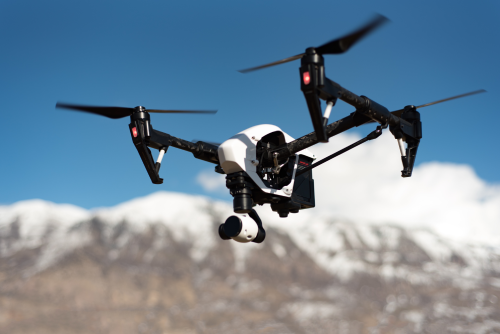
Learning how to shoot drone videos in summer heat is a must for Indian pilots. From dry afternoon glare in North India to coastal humidity and salt air in the South and West, summer can make footage look flat, stress batteries, and turn an easy flight into a risky one. The good news is that a few smart changes in timing, settings, and workflow can improve both safety and video quality.
Quick Take
- Shoot early morning or late afternoon whenever possible. Midday sun is harsh, flat, and much harder on your drone.
- Check your drone’s official operating temperature before flying. If conditions are close to the limit, shorten the mission.
- Keep batteries, drone, and controller out of direct sun until takeoff.
- Use manual exposure, low ISO, fixed white balance, and an ND filter for smoother-looking video.
- Plan shots before launch. In heat, one efficient flight is better than three random ones.
- Watch for thermal gusts, dust, heat shimmer, and glare from water, sand, concrete, and rooftops.
- Land immediately if you see overheating warnings, battery temperature alerts, or unstable behaviour.
- Verify the latest DGCA, Digital Sky, local airspace, and site-specific rules before any shoot.
Why summer drone video is harder than it looks
Summer affects both the picture and the aircraft.
Harsh light reduces image quality
Small drone cameras struggle when the scene has very bright highlights and dark shadows at the same time.
In summer, this happens constantly:
- White buildings reflect hard sunlight
- Roads and terraces bounce heat and glare upward
- Dry landscapes look washed out at noon
- Water and beach sand create bright reflections
- Haze reduces contrast in long-distance shots
The result is often video that looks too sharp, too contrasty, or simply dull.
Heat stresses the drone and battery
High ambient temperature, direct sunlight, and back-to-back flights can raise the temperature of:
- Batteries
- Motors
- Camera system
- Flight controller
- Your phone or tablet used for the controller
Heat does not always cause an instant failure, but it can reduce your safe margin. A drone that is already hot from the last flight has less room to handle fast climbs, strong wind, or long hovers.
Summer air is less stable
Hot ground creates thermals, which are rising pockets of warm air. You often feel them more over:
- Concrete terraces
- Asphalt roads
- Rocky areas
- Dry fields
- Fort walls and open tourist viewpoints
These thermal bumps can make footage less smooth and can push the drone slightly during precise movements.
Plan the shoot before you leave home
Summer filming rewards planning more than heroics.
Build a short shot list
Before you travel, decide exactly what you want:
- One wide establishing shot
- One forward reveal
- One orbit or side track
- One top-down shot
- One final close composition
That may be enough for a short, clean reel.
If you launch without a plan, you waste battery time thinking in the air while the drone heats up.
Check weather beyond just “sunny”
Look for:
- Temperature
- Wind speed and gusts
- Dust or haze
- Humidity
- Chance of pre-monsoon storms in the afternoon
A bright but slightly windy morning is often better than a windless noon with extreme heat and haze.
Carry a heat-friendly kit
Useful items for summer drone shoots in India:
- Landing pad or clean foldable mat
- Microfiber cloth for lens and filters
- ND filters
- Cap or umbrella for shade while setting up
- Insulated pouch or shaded case for batteries
- Water for yourself
- Power bank for controller/phone
- Small towel to keep hands dry in humid areas
Do not leave the drone or batteries inside a parked car. Cabin temperatures can rise dangerously fast.
Best time of day to shoot drone video in summer
The right time matters more than any camera setting.
| Time | What the light looks like | Heat and wind risk | Best use |
|---|---|---|---|
| Sunrise to early morning | Soft, low-contrast, cleaner shadows | Lowest heat, often calmer air | Cinematic landscapes, property shots, travel reels |
| Mid-morning | Brighter, still manageable | Heat rising, some haze begins | General shooting if you missed sunrise |
| Midday to early afternoon | Harsh, flat, strong highlights | Highest heat, thermals, glare | Only if necessary for document-style footage |
| Late afternoon | Better texture and shape in the light | Heat still present but easing | Real estate, cityscapes, storytelling shots |
| Golden hour before sunset | Warm, directional, flattering light | Usually manageable | Most cinematic summer footage |
| Blue hour after sunset | Soft ambient light, lower contrast | Cooler, but visibility falls | Selective city shots if legal and safe |
If you have a choice, avoid noon for cinematic video.
Midday can still work when the goal is utility footage, site progress, inspection-style recording, or a quick location overview. But if you want beauty, emotion, and smoother highlight handling, shoot early or late.
Camera settings that work in harsh summer light
Use manual exposure when possible
Auto exposure keeps reacting as the drone turns, and in harsh light that can make your footage pulse brighter and darker.
Manual exposure gives more consistent results.
A simple starting point:
- Lowest practical ISO
- Frame rate based on your final video
- Shutter speed set for natural motion
- White balance locked
- ND filter used when the scene is too bright
Follow the basic shutter rule
For natural-looking motion blur, many videographers use a shutter speed roughly double the frame rate.
Examples:
- 25 fps video: around 1/50 shutter
- 30 fps video: around 1/60 shutter
- 50 fps video: around 1/100 shutter
In bright Indian summer sun, that shutter is often impossible without an ND filter.
Use an ND filter
An ND filter is like sunglasses for the camera. It reduces light without changing colour much.
Why it helps in summer:
- Lets you keep a cinematic shutter speed
- Prevents overly sharp, choppy-looking motion
- Reduces the temptation to shoot with very fast shutter speeds
- Helps keep exposure stable in harsh conditions
A common beginner mistake is flying at 1/1000 or 1/2000 shutter in midday sun because the drone is too bright without a filter. The footage may look crisp frame by frame but can feel harsh and unnatural in motion.
If you are unsure which ND strength to use, select one based on the actual scene brightness, your frame rate, and whether you can maintain your target shutter speed.
Keep ISO low
Drone sensors are small. In hard daylight, there is usually no reason to raise ISO.
Low ISO helps preserve:
- Highlight detail
- Colour quality
- Clean shadows
If the scene still looks overexposed at low ISO, use a stronger ND filter instead of raising shutter speed too far.
Lock white balance
Auto white balance can shift during a shot, especially when you move from trees to sand, water, or concrete.
Lock it so that colour stays consistent.
This matters a lot in summer because reflected light changes quickly from surface to surface.
Protect highlights
Blown highlights are the bright areas that turn pure white with no detail. On drone cameras, they can be hard to recover later.
Be careful around:
- White rooftops
- Beach sand
- Water reflections
- Cars
- Light-coloured temple or fort stone
Use your histogram, which is the brightness graph in the camera view, if your app provides it. If the scene is very contrasty, it is often safer to preserve bright areas and lift shadows later in editing.
Standard profile or flat profile?
If your drone offers a flat or log profile and you know how to grade it, summer footage can benefit from the extra flexibility.
If you are a beginner:
- Use a standard profile if you want fast, easy results
- Use a flat profile only if you are ready to edit properly
Badly graded flat footage often looks worse than well-exposed standard footage.
Flight technique for hot conditions
1. Keep setup time short
Do not power on the drone too early and leave it baking in the sun while you decide your shot.
Instead:
- Set up the location first
- Attach the correct filter
- Check composition on the ground
- Power on only when ready
A drone sitting powered on in direct summer sun is heating itself without giving you any footage.
2. Use a clean takeoff area
Avoid launching from:
- Sand
- Dusty soil
- Hot gravel
- Dry grass
- Rooftops with loose debris
Rotor wash can throw dust and sand into the gimbal and motors. A landing pad is a small investment that makes a big difference.
3. Capture priority shots first
When the drone and battery are coolest, get the most important shots first:
- Hero wide
- Main reveal
- Primary orbit
- Mission-critical client shot
Leave experimental angles for later only if the aircraft and weather still feel good.
4. Fly smoother than usual
Heat shimmer and thermal bumps can already make footage feel less stable. Aggressive stick movements make that worse.
Use:
- Slow yaw
- Gentle forward motion
- Wider curves
- Fewer sudden stops
If your app allows gimbal smoothness or softer control response, use that for cinematic flights.
5. Avoid long hovers in gusty heat
Hovering sounds easy, but in hot midday wind it can be harder on the aircraft than a clean moving shot.
If you need a static composition, frame it quickly, record, and move on.
6. Stay closer than you would in winter
Summer haze often makes faraway subjects look soft and washed out. Instead of shooting everything from a great distance, get closer when safe and legal.
Closer shots help with:
- Better contrast
- Cleaner detail
- Stronger subject separation
- Less haze between lens and subject
7. Return early, not late
In hot weather, leave yourself extra margin.
Strong return winds, thermal turbulence, and a battery that is already warm can all reduce comfort in the last part of a flight. There is rarely any advantage in stretching the battery to the limit for one more shot.
Battery and temperature management
This is where many summer shoots are won or lost.
Keep batteries shaded before flight
Store batteries in:
- A shaded bag
- An insulated pouch
- A cool indoor room before travel
Do not place them in direct sun on a car seat, bench, or terrace wall.
Never charge a hot battery immediately
After landing, let the battery cool in the shade before charging.
Avoid:
- Charging in direct sunlight
- Charging inside a hot parked car
- Cooling with extreme methods like placing it next to ice or moisture
Let it return gradually toward a safer temperature.
Be careful with back-to-back flights
One battery may be fine. Three quick flights in peak summer can build heat in the body, motors, and camera.
A good practice is to:
- Land
- Turn off the drone
- Move it into shade
- Review footage
- Feel whether the body and battery are still unusually hot
- Launch again only if conditions remain within safe limits
Watch your controller and phone too
Sometimes the weak link is not the drone but the phone screen overheating.
Signs include:
- Screen dimming
- Lag
- App slowing down
- Touch response issues
- Sudden brightness drop in direct sun
Keep the controller shaded whenever possible.
Stop using any damaged or swollen battery
If a battery looks puffed, damaged, leaks, or becomes abnormally hot compared with your other packs, do not fly it.
That is not a “finish this one last shot” situation.
India-specific location tips
Cities and rooftops
Indian terraces are convenient launch points, but they can be challenging in summer.
Watch for:
- Strong heat rising from concrete
- AC outdoor units blowing hot air
- Wires, poles, and dish antennas
- Curious neighbours and privacy concerns
Try to launch from a cleaner, open section rather than right next to a parapet or AC exhaust.
Beaches and coastal shoots
Beach footage looks beautiful, but summer brings extra trouble:
- Glare from sand and water
- Salt air
- Wind
- Fine sand entering the gimbal area
Use a landing pad and keep the drone bag closed when not in use. Wipe the drone gently after the shoot, especially if you were close to sea spray.
Dry fields, quarries, and dusty open land
These places create strong rotor dust and heat shimmer.
Practical tips:
- Take off from a pad
- Gain a little altitude before moving aggressively
- Avoid low passes that throw up dust
- Shoot closer rather than across huge hazy distances
Hills, forts, and viewpoints
These can be excellent in summer mornings, but conditions may change quickly.
Be careful of:
- Tourist crowds
- Sudden wind at edges
- Restricted heritage zones
- Birds using thermals
Many forts, monuments, and protected areas may have separate restrictions or local controls. Verify before you go.
Safety, legal, and compliance checks
Good summer footage is not worth a careless flight.
Before any drone video shoot in India, verify the latest official guidance on:
- DGCA drone rules
- Digital Sky requirements
- Airspace permissions where applicable
- Site-specific restrictions
- Local authority instructions
- Privacy-sensitive locations
A few practical reminders:
- Do not fly near airports, defence areas, or other restricted zones.
- Do not fly over crowds just because the open ground below looks visually attractive.
- Avoid roads, traffic, and wedding gatherings unless you have the legal ability, safety planning, and clear reason to operate there.
- Maintain visual line of sight.
- Respect privacy in residential areas and terraces.
- Be extra careful around wildlife, lakes, wetlands, and forest edges.
If your drone has compliance-related features such as geo-awareness or other flight restrictions, do not try to bypass them. If you are unsure what applies to your aircraft or operation, verify before launch rather than guessing on location.
A simple summer shooting workflow
If you want a reliable process, use this.
1. Reach early
Arrive before the best light, not during it.
That gives you time to:
- Inspect the site
- Choose a clean takeoff point
- Check wind direction
- Plan safe emergency landing areas
2. Build the scene on the ground
Before powering on:
- Choose your filter
- Clean the lens
- Decide your first three shots
- Set frame rate and resolution
- Lock white balance
3. Do a short test hover
A brief hover can tell you a lot:
- Is the wind stronger than expected?
- Is there unusual drift from thermals?
- Is exposure correct?
- Is the gimbal clean and steady?
Do not waste the entire first battery “just testing.”
4. Shoot the must-have clips first
Get the essential shots while the battery and aircraft are coolest.
Think quality over quantity.
5. Keep clips intentional
Instead of one long random recording, capture short, purposeful takes.
That makes editing easier and reduces time spent hovering in the heat.
6. Land with margin
End the flight while everything still feels comfortable.
Summer is not the day to chase the last percentage.
7. Review in the shade
Check:
- Exposure
- Horizon level
- Sharpness
- Smoothness
- Any heat warning in logs or app messages
8. Decide if the next flight is truly needed
Ask yourself:
- Did I get the story?
- Is the next shot adding value?
- Is the drone cooler now?
- Has the wind increased?
Sometimes the best decision is to stop.
Editing summer footage so it looks better
Summer video often needs cleanup, but do it gently.
Reduce harsh highlights
Bring down highlights and whites first, especially if you shot:
- Buildings
- Roads
- Sand
- Water
This helps remove the “hard digital” look.
Add contrast carefully
Dry summer scenes can look flat, but too much contrast makes them feel even harsher.
A better approach is:
- Lower highlights a bit
- Lift shadows slightly
- Add moderate contrast
- Fine-tune midtones
Use dehaze with restraint
A little dehaze can help long-distance city or landscape shots.
Too much can create:
- Unnatural colours
- Crunchy edges
- Dirty-looking sky
Keep colours believable
It is tempting to oversaturate summer footage to make it look richer.
Be careful. Dry grass should not look neon green, and dusty earth should not suddenly turn orange-red unless that colour was really there.
Match clips shot at different times
Summer light changes fast.
If one clip is sunrise-soft and the next is bright mid-morning, match:
- White balance
- Contrast
- Saturation
- Overall brightness
That makes your final video feel more intentional.
Common mistakes to avoid
- Flying at noon for a cinematic reel when sunrise or sunset was available
- Leaving batteries in a parked car
- Powering on the drone too early and letting it sit in direct sun
- Using auto exposure and auto white balance for every shot
- Shooting with a very fast shutter because no ND filter was fitted
- Doing too many back-to-back flights without cooling breaks
- Launching from sand or dust without a pad
- Trying to fix bad planning by flying faster and farther
- Ignoring controller or phone overheating
- Pushing one last shot after the drone shows a temperature warning
FAQ
Can drones fly in 40°C summer weather?
Some can, some should not, and the answer depends on the manufacturer’s official operating temperature range, direct sun exposure, flight load, and how hot the drone already is from earlier flights. Check your model’s manual and stay conservative if conditions are close to the upper limit.
Is early morning always the best time for summer drone video?
Usually, yes for cinematic work. But in some cities, early haze can still be strong. If the morning is very hazy, a slightly later window with cleaner air may look better, as long as heat and wind stay manageable.
Does heat reduce flight time?
It can reduce your safe practical margin, especially with repeated flights, wind, fast climbs, and long hovers. Even if the battery percentage seems normal, high temperature leaves less buffer for mistakes.
Which ND filter is most useful in Indian summer?
There is no one answer for every scene, but brighter summer conditions often require stronger ND than you use on cloudy days. Choose the filter that lets you hold a natural shutter speed at low ISO without overexposing.
Can I store batteries in a cooler bag?
A shaded insulated pouch can help, but keep batteries dry and away from ice, condensation, or anything that can introduce moisture. The goal is shade and moderation, not extreme cold.
What should I do if the drone shows a high-temperature warning?
Land safely as soon as possible, power down, and let the drone cool in the shade. Do not ignore the warning and continue “just for one last clip.”
Is it safe to shoot over beaches in summer?
Only if the location is legal, the wind is manageable, and you can take off and land from a clean surface. Sand, glare, and sea air add risk, so extra care is needed.
How long should I wait between flights in hot weather?
There is no universal number. Wait until the battery and drone body have cooled in the shade and no longer feel unusually hot. Charging or relaunching immediately after a hot landing is not a good habit.
Do I need manual settings, or is auto okay for beginners?
Auto is fine for quick utility footage, but summer light changes harshly and can make auto footage inconsistent. If you want smoother, more professional-looking video, manual exposure and locked white balance are worth learning.
Final takeaway
If you want better drone videos in Indian summer, do not fight the heat with luck. Shoot early or late, plan fewer but better shots, use manual exposure with an ND filter, keep batteries and electronics shaded, and land before the drone starts struggling. In summer, the pilot who flies one calm, efficient mission usually comes home with better footage than the pilot who keeps launching until the heat decides the day.
